A finished basement, garage conversion, home addition, or upstairs remodel can move fast once framing, electrical work, floors, and finishes start lining up. The problem is that comfort planning often gets pushed behind paint colors, fixtures, flooring, and cabinet choices.
That delay can be expensive in a practical way. Finished walls make line routes harder. New trim can limit indoor unit placement. A beautiful remodel can still feel disappointing if the rooms do not cool evenly.
Talk About Cooling Before Drywall
Cooling belongs in the remodel conversation before rough-in work is finished. It affects walls, drainage, electrical access, outdoor equipment placement, and how each room will actually be used.
Closed walls limit your options
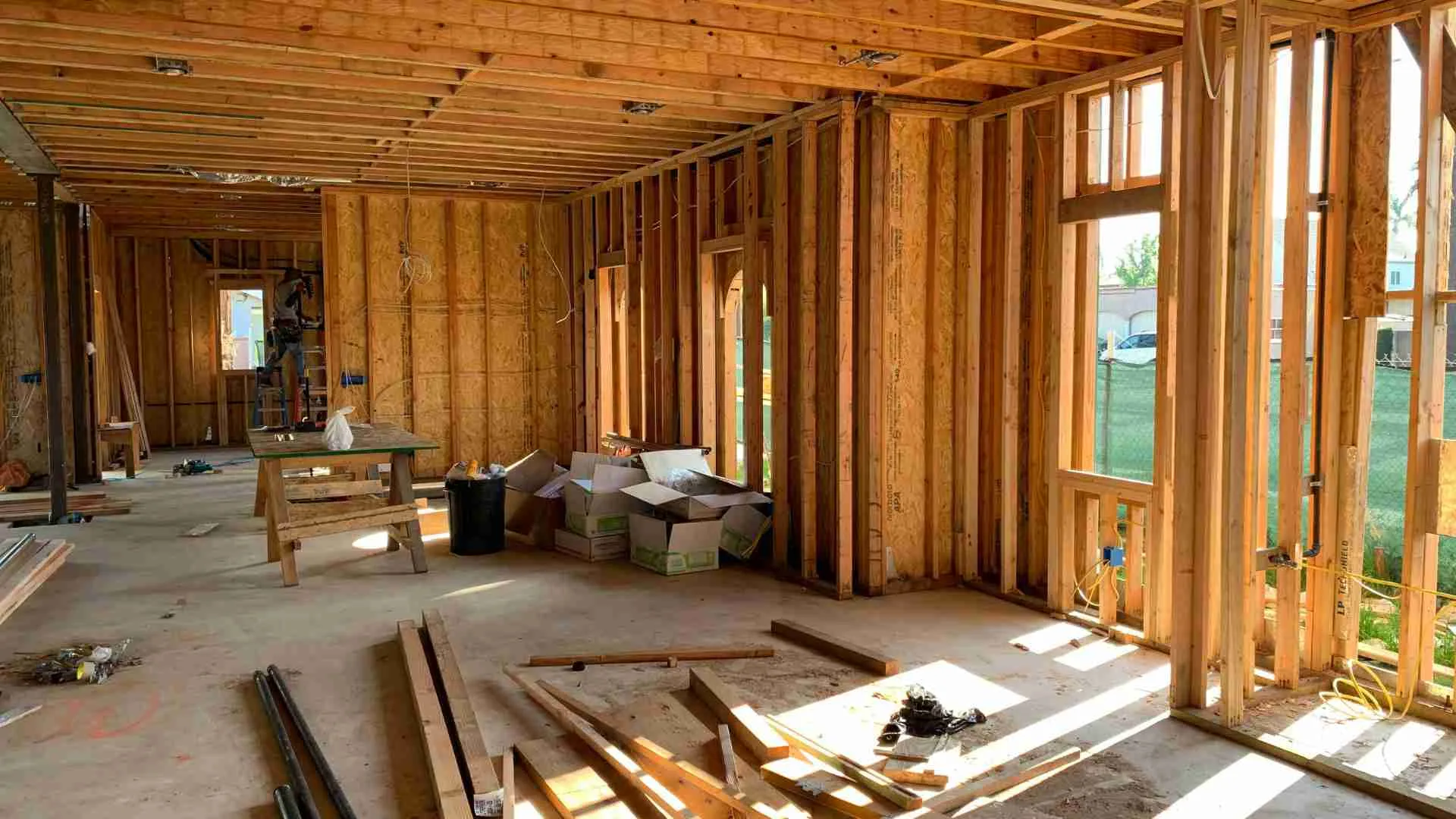
Open walls give contractors more choices. They can think through line set paths, electrical needs, condensate drainage, and equipment placement before the project is sealed behind drywall.
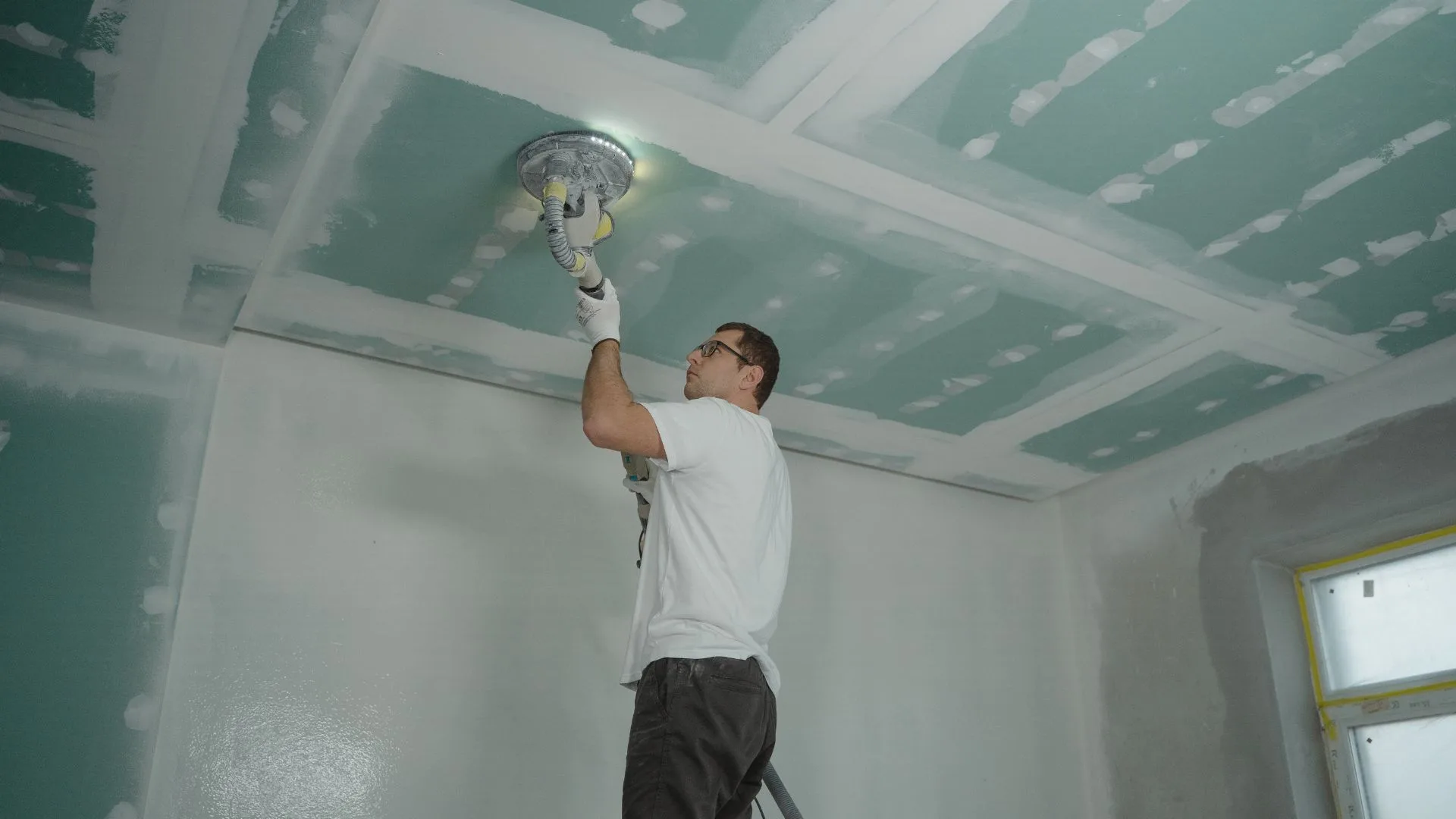
Waiting until the rooms are finished can reduce options. It may still be possible to add cooling later, but the work can become more visible, more disruptive, or harder to coordinate with the design.
Three rooms rarely act alike
A remodel rarely creates three identical rooms. One space may have more glass. One may face afternoon sun. One may become a bedroom, while another becomes an office or media room.
For a remodel that affects several separate spaces, a 3 zone mini split system may be worth comparing before walls and finishes are finalized.
Remodels Where One Temperature Plan Falls Short
A three-zone cooling plan makes the most sense when the remodeled spaces will not be used the same way. Different schedules and heat loads should be planned before the contractor is trying to work around finished details.
Finished basement rooms
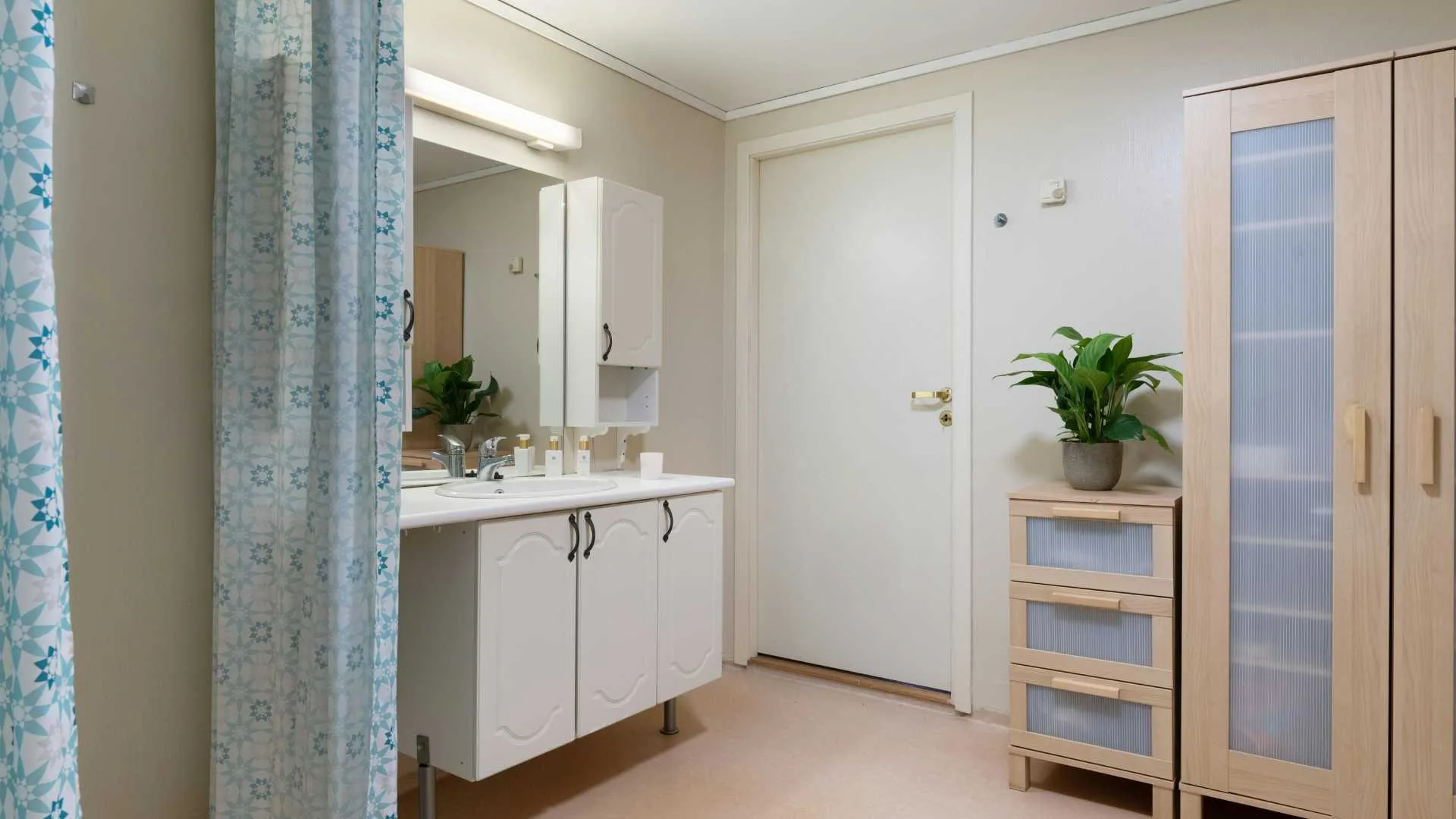
A finished basement may include a bedroom, office, and media space. Those rooms can feel different even on the same level because of door placement, exterior walls, moisture, and how often people gather there.
A basement bedroom needs comfort at night. A media room may need help only during evening use. An office may need steady cooling during the day. Treating all three as one space can miss those differences.
The tricky part is that basement comfort is not always about being too warm. One room may feel chilly while another gets stuffy when the door is closed, so the plan should start with actual room use.
Additions with several spaces
A new addition is a good time to ask whether extending old ductwork is really the right plan. The existing system may not have been designed for the added rooms, even if a duct connection looks possible.
A mini split AC can be especially useful when the remodel creates rooms that do not share the same cooling pattern.
Upstairs rooms that never match
Upstairs remodels often expose old comfort problems. One room gets strong sun. Another sits over a garage. A third may have a different ceiling height or attic exposure.
Those differences should shape the cooling plan. A remodel is the right moment to fix uneven comfort instead of hiding it behind new finishes.
A garage conversion needs the same caution. Poor insulation, a large door opening, and slab temperature can make the room behave differently from the hallway next to it.
Decisions to Make Before Rough-In
Your contractor does not need a final equipment decision on day one, but the team does need to know that cooling is part of the plan. Early coordination helps avoid awkward compromises later.
Where each indoor unit goes
Indoor unit placement affects airflow, wall balance, furniture layout, and how the room feels. A unit that looks fine on an empty wall may be wrong once the bed, desk, or built-ins are placed.
Think through sightlines before the walls are closed. Bedrooms, offices, and media rooms all have different tolerance for visible equipment and direct airflow.
Where the lines can run
Line sets need a practical path from indoor units to the outdoor unit. Exterior walls, soffits, closets, and utility areas can all change the cleanest route.
Planning early can reduce visible runs and help the finished project look intentional. That matters on remodels where curb appeal, interior trim, or exterior materials are part of the investment.
Where the water drains
Condensate drainage is a small topic until it becomes a real problem. Every indoor unit has to manage moisture correctly, and the drain path needs to work with the room layout and local requirements.
Ask about drainage before drywall. The answer may affect wall openings, pump needs, or where a unit can be placed.
Drainage should also be discussed before cabinets, built-ins, or finished trim make access harder.
Cooling Mistakes People Notice After the Remodel
Most cooling mistakes in remodels come from choosing too late or sizing too casually. The rooms may look finished, but comfort problems can outlast the punch list.
Do not size by area alone
Square footage is a starting point, not the full sizing method. Ceiling height, insulation, windows, room use, sun exposure, and climate all matter.
A small office with computers and afternoon sun may need more attention than a larger shaded room used only a few hours a week.
Decide how rooms will be used
Cooling should follow the room plan. A bedroom, workout room, studio, and media room all create different heat and comfort needs.
Choosing equipment before the room use is clear can lead to odd results. The system may run, but it may not match the way people actually live in the space.
Do not forget the outdoor unit
Outdoor placement affects service access, sound, appearance, and neighbor concerns. It should not be an afterthought squeezed into the only space left at the end.
Leave room for maintenance and confirm placement with a qualified installer. Electrical work, refrigerant lines, mounting, and local code requirements should be handled by licensed professionals.
Make Comfort Part of the Remodel
A remodel should not leave you with three attractive rooms that still feel wrong in summer. Comfort is part of the project, not a separate problem to solve after the last coat of paint.
Before rough-in is finished, list each room’s use, size, windows, sun exposure, likely furniture, and possible equipment paths. That simple planning step gives the HVAC conversation a real starting point.