While our introduction touched on the profound impact of heat pumps on residential comfort, it’s equally important to consider their role, and the broader scope of professional HVAC services, within commercial and industrial settings. Modern buildings, from sprawling office complexes to bustling retail centers, require sophisticated climate control systems to ensure the well-being and productivity of occupants. This involves more than just heating and cooling; it encompasses precise ventilation, maintaining optimal thermal comfort, and meticulous humidity control to prevent issues like mold growth and material degradation.
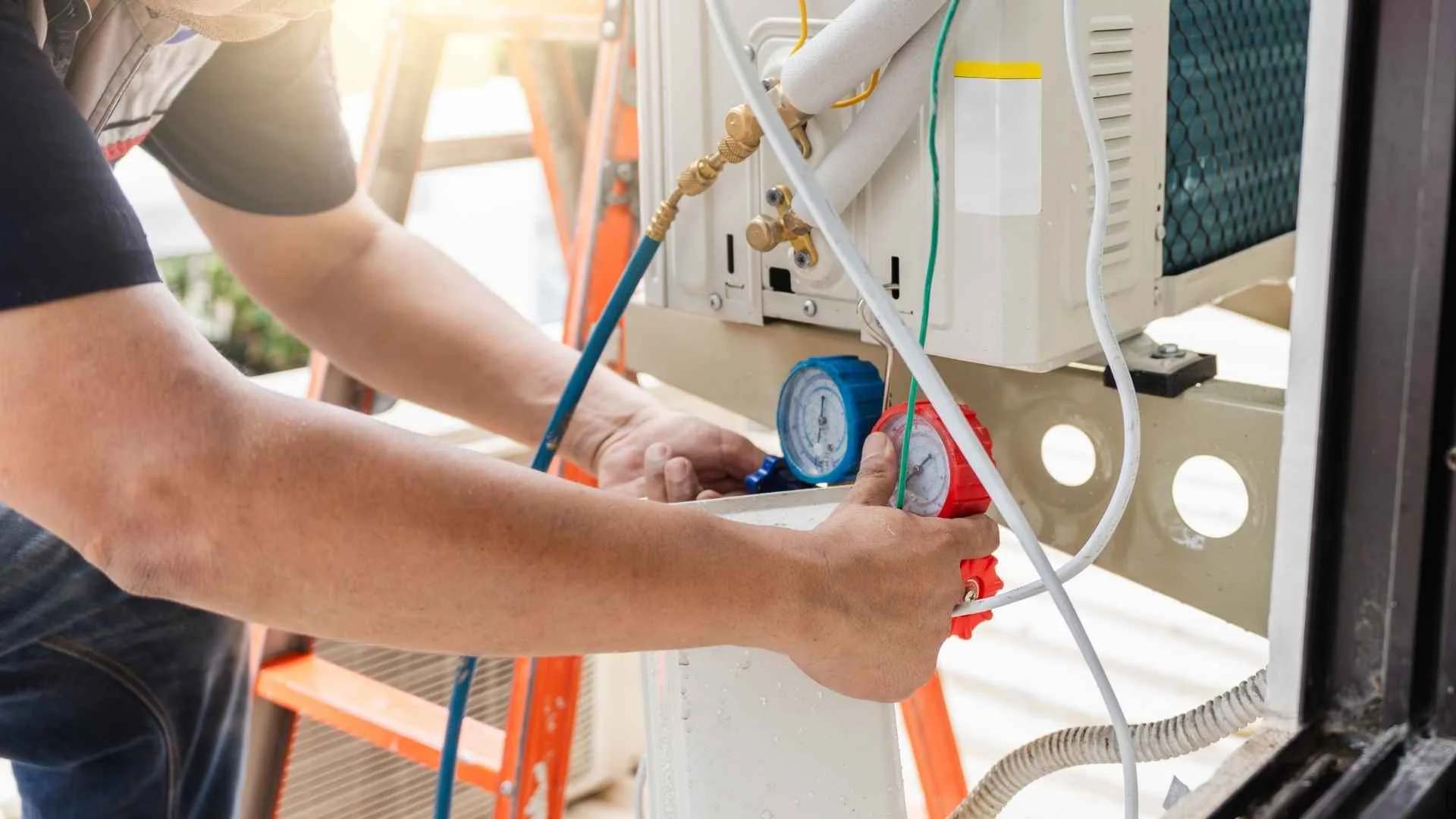
The complexity of these systems necessitates expert commercial HVAC services. These professionals design, install, and maintain the intricate networks that manage air flow, temperature, and air quality across vast spaces. They implement zoning strategies to cater to diverse needs within a single building and integrate smart thermostats and building management systems to optimize energy consumption. Without robust and reliable HVAC, businesses face not only discomfort but also significant operational inefficiencies and potential health concerns for their employees and customers.
Furthermore, the economic implications of commercial HVAC services cannot be overstated. For large-scale facilities, heating and cooling represent a substantial portion of monthly utility expenditures. By partnering with professional technicians, businesses can implement proactive maintenance schedules that identify minor issues before they escalate into catastrophic system failures. This preventative approach not only safeguards the comfort of employees and clients but also extends the operational lifespan of expensive equipment, ensuring a higher return on investment. In an era where corporate responsibility and financial prudence go hand in hand, investing in high-quality HVAC management is a strategic necessity.
Key Components of Large-Scale Climate Systems
Commercial buildings often employ a range of specialized equipment to manage their indoor climate. These large-scale systems are designed for durability, efficiency, and the capacity to handle significant thermal loads.
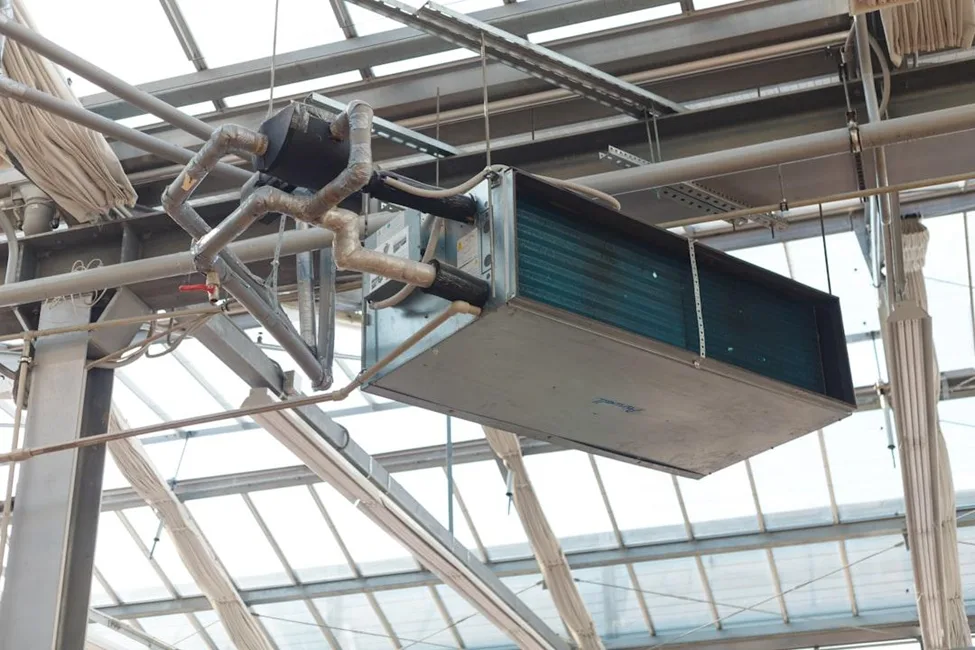
At the heart of many commercial HVAC setups are components like chillers, which remove heat from liquid refrigerants, and boilers, which produce hot water or steam for heating. Rooftop units (RTUs) are common, self-contained systems that provide both heating and cooling for specific zones or entire buildings. More advanced systems utilize variable refrigerant flow (VRF) technology, allowing precise temperature control in multiple zones with a single outdoor unit. Effective air distribution relies on extensive ductwork to deliver conditioned air, while carefully calculated ventilation rates ensure a constant supply of fresh air and exhaust stale air, crucial for indoor air quality.
Optimizing Efficiency with Commercial HVAC Services
For any business, operational costs are a significant factor, and energy consumption often ranks high among them. This is where professional commercial HVAC services become invaluable. Beyond initial installation, consistent preventative maintenance is key to unlocking and sustaining the highest levels of system efficiency. Regular checks, cleaning, and tuning by certified technicians can significantly extend the system lifespan, prevent costly breakdowns, and ensure components operate at their peak.
Optimizing efficiency isn’t just about maintenance; it’s also about strategic upgrades and management. Here are some commercial energy-saving strategies that professional HVAC services can implement:
- Regular System Audits: Identifying inefficiencies and areas for improvement.
- Smart Controls Integration: Utilizing advanced thermostats and building management systems for automated optimization.
- Zoning Implementation: Heating or cooling only occupied areas, reducing waste.
- Heat Recovery Ventilation: Capturing heat from exhaust air to pre-condition incoming fresh air.
- Refrigerant Management: Ensuring proper levels and preventing leaks for optimal performance.
By focusing on these areas, businesses can achieve substantial energy savings and improve their overall system performance, directly impacting their bottom line.
Integrating Heat Pumps into Commercial HVAC Services
The integration of heat pumps into commercial HVAC services represents a significant leap forward in achieving both efficiency and sustainability goals. Heat pumps, as we’ll delve into further, are inherently more efficient than traditional heating and cooling systems because they transfer heat rather than generating it. This unique capability makes them ideal for reducing energy consumption and lowering carbon emissions in large facilities.
The efficiency of a heat pump is often measured by its Coefficient of Performance (COP), which indicates how much heating or cooling energy it delivers per unit of electrical energy consumed. Modern heat pumps can achieve COPs of 3 or more, meaning they deliver three times the energy they consume. This remarkable efficiency is a cornerstone of decarbonization efforts, as businesses strive to reduce their environmental footprint.
Professional commercial HVAC services are crucial for selecting and installing the right heat pump system for a commercial application. This involves assessing the building’s specific load requirements, climate zone, and existing infrastructure. For businesses looking to understand the core mechanics and benefits of this technology, exploring resources like Ares heat pump expertise can provide valuable insights into how these systems operate and their widespread advantages. Furthermore, the industry is continually evolving with the adoption of low-GWP (Global Warming Potential) refrigerants, further enhancing the environmental benefits of heat pump technology.
Comparing Air-Source and Ground-Source Systems for Business Facilities
When considering heat pump solutions for business facilities, two primary types stand out: air-source and ground-source (geothermal) heat pumps. Both harness ambient energy, but they do so from different sources, leading to distinct advantages and considerations.

Air-source heat pumps (ASHPs) extract heat from the outdoor air in winter and reject heat into it in summer. They are generally easier and less expensive to install, making them a popular choice for many commercial applications. Their climate adaptability has significantly improved over the years, with modern cold-climate models performing effectively even in sub-freezing temperatures.
Ground-source heat pumps (GSHPs), or geothermal systems, utilize the stable temperatures of the earth or a nearby body of water. Below the frost line, ground temperatures remain relatively constant year-round, offering a highly consistent and efficient heat source and sink. While the initial installation footprint for the underground loop system can be substantial and more costly, GSHPs typically offer higher energy efficiency and exceptional long-term durability, with ground loops often lasting 50 years or more.
When evaluating these two technologies, businesses must also consider the geological and spatial constraints of their property. Ground-source systems require extensive site assessments to determine soil conductivity and available land area for drilling or trenching. In urban environments where space is at a premium, air-source heat pumps are often the only viable option due to their compact footprint. However, for suburban office parks or newly developed campus facilities, the long-term operational savings of a geothermal system can easily justify the higher upfront capital expenditure. Additionally, some jurisdictions offer substantial tax incentives and grants for geothermal installations, which can significantly accelerate the payback period and make ground-source systems highly attractive from a financial perspective.
Here’s a simplified comparison:
Feature Air-Source Heat Pumps (ASHPs) Ground-Source Heat Pumps (GSHPs) Heat Source/Sink Outdoor air Earth or water (stable underground temperatures) Installation Cost Lower Higher (due to ground loop excavation/drilling) Installation Space Outdoor unit similar to AC condenser Requires significant land area for ground loops Efficiency (COP) Good, but varies more with outdoor air temperature Excellent, more consistent year-round due Lifespan Typically 15-20 years for outdoor unit Indoor unit 20-25 years; ground loop 50+ years Climate Impact Performance can decrease in extreme cold/heat Less affected by extreme outdoor air temperatures Ideal Use Retrofits, moderate climates, where land is limited New constructions, long-term investments, consistent climates Both systems offer significant energy savings compared to traditional heating and cooling, but the choice depends on specific business needs, budget, site characteristics, and long-term sustainability goals.
Frequently Asked Questions about Commercial Climate Control
Navigating the options for commercial climate control can raise many questions. Here, we address some of the most common inquiries regarding heat pumps and system maintenance in a business context.
How do modern heat pumps perform in cold climates?
A common misconception is that heat pumps struggle in cold weather. However, advancements in technology have dramatically improved their performance. Modern cold climate heat pumps are specifically designed to extract heat from outdoor air even when temperatures drop significantly. Many models can maintain 100% heating capacity down to 5°F and continue to operate efficiently in subfreezing performance down to -13°F or even lower.
This enhanced capability is largely due to inverter technology, which allows the compressor to vary its speed and output, precisely matching the heating demand. This avoids the on/off cycling of older systems, leading to more consistent temperatures and greater efficiency. In extremely frigid conditions, a well-designed system may still utilize auxiliary heat (often electric resistance coils or a dual-fuel furnace) to supplement the heat pump, ensuring continuous comfort. For example, in regions like Western Washington winters, where temperatures can fluctuate, modern heat pumps are proving to be an ideal and highly efficient solution.
What are the environmental benefits of upgrading commercial systems?
Upgrading commercial HVAC systems to modern heat pump technology offers substantial environmental benefits, directly contributing to global efforts to combat climate change. Heat pumps significantly reduce carbon emissions because they use electricity to move heat rather than burning fossil fuels to generate it. As electricity grids become increasingly reliant on renewable energy sources, the environmental footprint of heat pumps shrinks even further.
A 2021 UC Davis study, for instance, found that residential heat pumps can reduce carbon dioxide emissions by up to 75% compared to gas furnaces. This translates directly to commercial applications, where the scale of energy consumption is often much larger. By adopting heat pumps, businesses can dramatically lower their greenhouse gas emissions, achieve significant energy efficiency, and make tangible progress towards net-zero goals. This transition also supports the broader integration of renewable energy into building operations, fostering a more sustainable future.
How often should commercial systems undergo professional maintenance?
For optimal performance, efficiency, and longevity, commercial HVAC systems, including heat pumps, should adhere to a rigorous maintenance schedule. We recommend at least two professional seasonal tune-ups per year – one before the heating season and one before the cooling season. This proactive approach helps identify and address minor issues before they escalate into costly breakdowns.
Key maintenance tasks include regular filter replacement, which is crucial for maintaining indoor air quality and system efficiency, and coil cleaning to ensure optimal heat transfer. Technicians also inspect electrical components, refrigerant levels, fan motors, and controls. Consistent maintenance not only ensures system reliability but also helps maintain peak energy efficiency, extending the life of the equipment and safeguarding your investment.
Conclusion
Heat pumps represent a pivotal technology in our pursuit of efficient, comfortable, and sustainable indoor environments. Whether in our homes or complex commercial facilities, their ability to both heat and cool by simply moving thermal energy, rather than generating it, offers unparalleled energy efficiency. This fundamental principle is why they can achieve efficiencies far beyond traditional systems, dramatically reducing energy consumption and carbon emissions.
For businesses and property managers, embracing heat pump technology, supported by expert professional HVAC services, is not just an environmental choice but a strategic economic one. From optimizing existing infrastructure to implementing advanced geothermal systems, these services ensure seamless integration and peak performance. By prioritizing system optimization and regular maintenance, we can unlock the full potential of heat pumps, delivering not only immediate cost savings but also contributing to long-term value and a healthier planet. Heat pumps truly matter because they offer a powerful, intelligent solution for ensuring building comfort while paving the way for a more sustainable future.