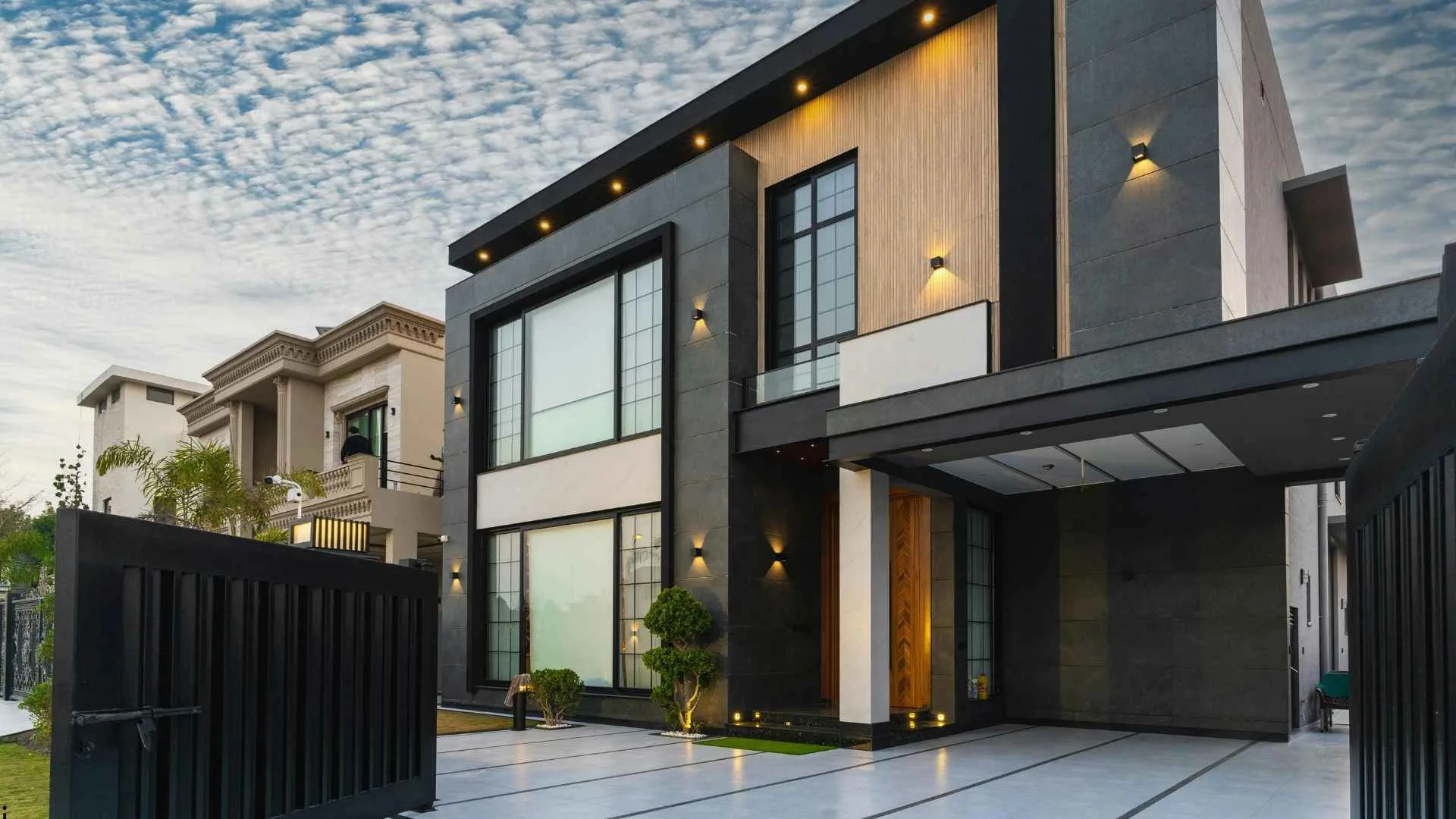
In 2026, the Australian property market is being heavily driven by a massive turnkey premium. Buyers are overwhelmingly willing to pay inflated prices for fully finished, move-in-ready homes just to avoid the modern hassles of building. As a result, the price gap between newly renovated houses and unrenovated homes is widening rapidly.
Cosmetically tired, B-grade properties are experiencing longer days on the market, frequent pass-ins at auction, and stiff price resistance from retail buyers. While this environment is frustrating for those looking for their dream forever home, it creates an excellent opening for investors. For savvy buyers who know how to look past peeling paint and dated carpets, this presents an incredible opportunity to secure a high-yield asset at a steep discount.
The Financial Case for the Unrenovated Discount
Undertaking major structural renovations or building a new home is estimated to be 30 to 40 percent more expensive today than simply buying an existing dwelling. This is largely due to sustained construction material and labour costs. Because retail buyers are terrified of these expenses, unrenovated homes sit longer on the market. However, not all fixer-uppers are created equal, and you want a property that needs a facelift rather than a structural overhaul.
With up to 20 percent of tightly held properties now sold completely off-market, many cosmetically tired but structurally sound homes never even reach the public eye. Working with a dedicated property investment agency is highly strategic in this climate, as their data-driven approach helps uncover these hidden assets and ensures the underlying financial fundamentals are secure before any aesthetic transformations begin.
Structural Nightmares vs. Cosmetic Goldmines
The difference between a money pit and a cash cow comes down to the scope of work required. A full structural house renovation currently averages between $3,000 and $5,000 per square metre in Australia. These heavy projects routinely exceed $150,000 to $300,000 and carry significant financial risk. In fact, a recent national survey showed that while over 30 percent of renovating homeowners aim to keep their budgets between $5,000 and $15,000, unexpected structural defects are the primary barrier that blows out their spending. When structural beams need replacing or foundations require underpinning, the timeline and budget can spiral out of control, eroding any potential profit margin.
Conversely, light cosmetic renovations that require no council approval are highly economical. Tasks like interior painting, floor sanding, updating lighting, and refreshing fixtures average between $1,200 and $2,500 per square metre. A standard cosmetic home update typically lands between $20,000 and $80,000. It is crucial to prioritise your upgrade budget once the property is purchased. Reminding yourself to treat your property like a financial asset rather than pursuing purely emotional design goals is a core concept we frequently explore in our real estate strategy guides for maximising long-term returns.
Maximising Your Renovation Yield
Beyond pure capital growth, executing a targeted cosmetic flip on an outdated property provides immediate financial benefits. Upgrading fixtures allows investors to claim new plant and equipment depreciation deductions that offset their taxable income. Furthermore, Australian lenders have become increasingly cautious regarding major construction valuations, whereas properties requiring only cosmetic upgrades provide much cleaner and faster bank valuations.
With national rental vacancy rates remaining persistently low (frequently sitting below 1.5 percent in capital cities like Perth and Brisbane), purchasing a home that only needs rapid cosmetic updates allows you to tenant the property almost immediately. Across the combined Australian capital cities, the national average gross rental yield edged up to roughly 3.45 percent by mid-2026. Properties bought at an unrenovated discount can easily achieve well above-average yield metrics once lightly modernised. When planning these updates, property consultant Frank Valentic advises that your ultimate goal should be to add two to three dollars in property value for every dollar invested, highlighting that cosmetic updates to kitchens and bathrooms offer the most value, while adding an extra bedroom could increase a property’s worth by up to $100,000.
What to Look For During an Inspection
To find these hidden gems, you must train your eye to ignore ugly surface details and focus entirely on the foundational elements. When inspecting a potential investment, keep the following checklist in mind:
- Good Bones: Look for intact brickwork, level floors, and a structurally sound roof that does not require immediate replacement.
- Functional Floor Plans: Seek out spaces with a logical flow that do not require knocking down load-bearing walls to feel open and modern.
- Natural Light: Prioritise properties with good window placement. Dark rooms can often be transformed simply by adding sheer curtains and fresh white paint.
- Surface-Level Flaws: Embrace faded carpets, peeling wallpaper, and dated cabinet doors. These are cheap, fast fixes that scare away amateur buyers.
By focusing on strong foundations and fast cosmetic fixes, you can successfully bypass the turnkey premium and build a highly profitable property portfolio. Learning to separate the aesthetic appeal of a home from its fundamental financial viability is the hallmark of a successful investor. As the market continues to favour finished homes, taking the time to uncover and polish these hidden gems will yield substantial rewards for years to come.