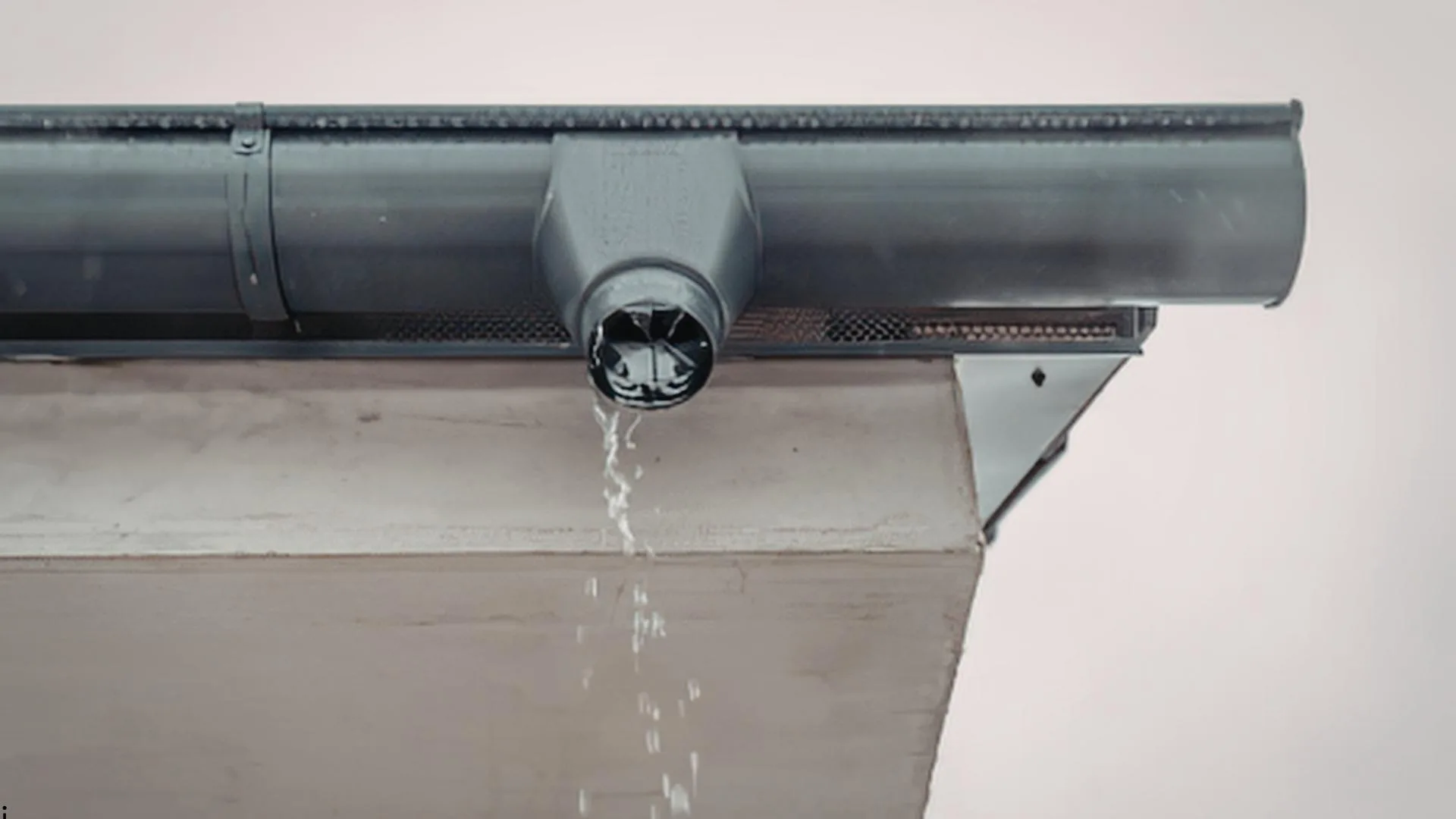
Ask most homeowners what their gutters do and they’ll give you a simple answer: keep rain off the porch. That’s not wrong, but it understates what a properly functioning gutter and drainage system actually protects. Poor gutter drainage doesn’t just mean wet walkways or muddy flower beds, it sets off a chain of damage that can affect nearly every major system of a home. The gap between what homeowners expect and what’s actually happening is where expensive surprises are born.
It Starts at the Top: Roof and Fascia Damage
When drainage is compromised, water backs up in the gutter trough. That standing water sits against the fascia board, the strip of wood running along the roofline directly behind the gutter. Fascia is not designed for prolonged water contact. It absorbs moisture, softens, and rots where it isn’t visible until the damage is already significant.
From the fascia, moisture can wick upward into the roof decking and soffit, creating conditions for rot and mold in areas that are expensive and labor-intensive to access and repair. In winter, standing water in gutters also contributes to ice dam formation causing leaks that penetrate directly into the interior of the home.
The Middle Layer: Siding and Exterior Walls
Water that overflows or discharges too close to the home runs down exterior siding repeatedly with every rainstorm. Over time, this persistent moisture exposure causes paint to peel, wood siding to warp and rot, and fiber cement or composite materials to degrade faster than their rated lifespan. More critically, water that penetrates behind siding creates a hidden moisture environment where mold grows undisturbed.
In brick homes, chronic water exposure causes efflorescence, mortar erosion, and eventually spalling requiring costly tuckpointing or masonry repair.
The Ground Level: Landscaping and Hardscaping
Poor drainage erodes the soil and mulch in foundation plantings, washing away carefully maintained beds and depositing sediment across walkways and driveways. Hardscaping is equally vulnerable, concrete and paver surfaces adjacent to the home develop cracks and heaving when soil beneath them is repeatedly saturated and destabilized. Retaining walls can shift and lean when waterlogged soil increases the lateral pressure against them.
These aren’t cosmetic inconveniences. Replacing a deteriorated retaining wall or re-leveling a sunken paver patio runs into thousands of dollars.
The Bottom Line: Drainage Is a Whole-Home Issue
What connects roof rot, mold behind siding, cracked brick, eroded landscaping, and foundation pressure? They all share a single origin: water that wasn’t captured and directed away from the home the way it should have been. A gutter system that drains correctly quietly prevents all of it.