Meta: A full kitchen remodel is one of the most expensive home projects. Understanding where the cost actually goes helps homeowners prioritize spending and avoid common budget mistakes.
Kitchen remodel projects consistently come in higher than initial expectations – not because contractors are dishonest, but because homeowners underestimate the scope and the number of decisions that involve upgrade opportunities. Understanding where the cost actually goes in a kitchen remodel helps with more realistic budgeting and smarter prioritization.
The typical mid-range kitchen remodel involves a predictable cost structure with a few categories that drive most of the budget – and several places where alternatives to full replacement can deliver similar visual results at a fraction of the cost.
Cabinets: The Biggest Line Item
Cabinetry consistently represents the largest portion of a kitchen remodel budget – often 30 to 40 percent of total cost for a full remodel. Custom cabinetry from a dedicated cabinet shop can represent an even larger share. This is the category where the cost differential between choices is most extreme: stock cabinets from a home improvement warehouse cost a fraction of semi-custom or custom options.
For homeowners with functional, structurally sound cabinets in good condition, cabinet refacing or painting is worth serious consideration before committing to replacement. Professionally painted cabinets with new hardware can completely transform the look of a kitchen at a cost of roughly 20 to 40 percent of new cabinet replacement.
Countertops: Where Style Decisions Get Expensive
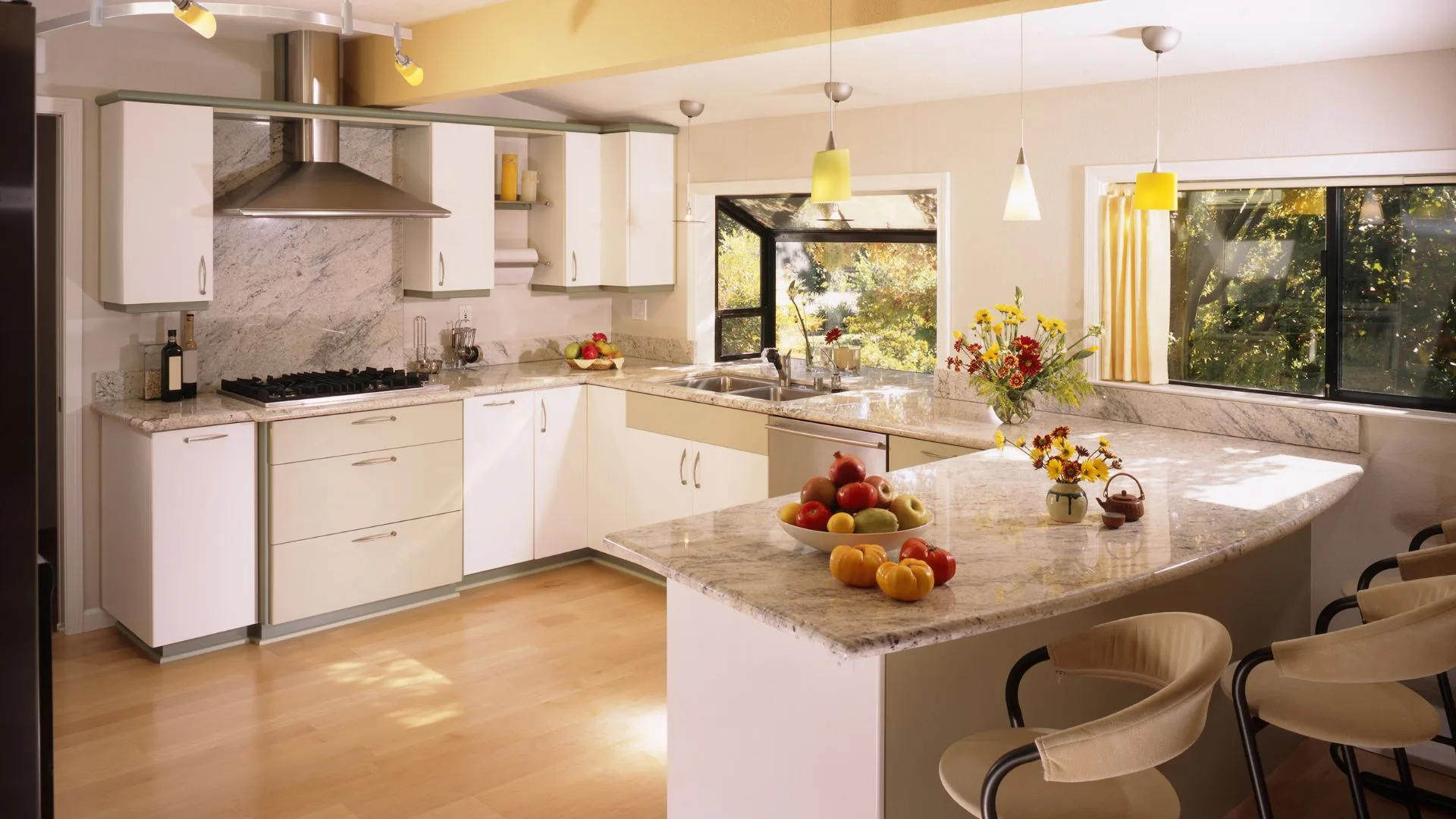
Countertop selection is where many kitchen remodels escalate beyond initial budgets. Natural stone – marble, quartzite, high-end granite – is genuinely beautiful and genuinely expensive. Engineered quartz has become the dominant mid-market choice, offering design flexibility and durability at lower cost than premium natural stone. For existing countertops in good structural condition, countertop refinishing in Waco is worth investigating as an alternative to replacement – particularly for homeowners preparing to sell or refreshing a rental property.
The visual impact of countertops is disproportionate to their square footage because they’re at eye level and in the foreground of the kitchen. This makes them a worthwhile investment for homeowners staying long-term – but also makes alternatives to full replacement worth evaluating for shorter-term situations.
Appliances: The False Economy Trap
Appliance selection is where budget constraints most often lead to choices that generate regret. Entry-level appliances in a renovated kitchen can look out of place against improved surfaces, and they often require replacement sooner than higher-quality alternatives. For appliances that will receive heavy daily use for a decade or more, mid-tier quality is generally the more economical long-term choice.
The exception is appliances whose visible front is a significant design element – specifically the refrigerator. In open kitchens, the refrigerator reads strongly in the overall visual composition. This is where appliance appearance investment tends to have the highest visual return.
Labor: The Immovable Cost
Labor is the cost that doesn’t compress significantly regardless of how carefully materials are selected. Professional installation of cabinets, countertops, plumbing, and electrical requires skilled tradespeople charging market rates. Attempting to reduce labor cost by selecting lower-quality contractors is a false economy – installation quality problems create more expensive problems downstream.
The place to manage total project cost is in material selection and scope choices – not in labor quality. This means getting detailed quotes from qualified contractors, understanding exactly what’s included and excluded, and making scope decisions with realistic numbers in hand.
Incremental vs. Full Remodel
For many homeowners, a phased approach to kitchen improvement delivers better outcomes than attempting a full remodel all at once. Prioritizing the highest-impact changes – countertops and cabinet fronts, or appliances and lighting – and deferring lower-priority elements allows improvement within realistic budgets without overextending.
The kitchen will be disrupted less, the financial impact will be more manageable, and the homeowner can evaluate the result of early phases before committing to the full vision. Incremental improvement done well often produces a better final result than a full remodel executed under financial pressure.
Wrapping Up
Kitchen remodel budgets are best managed through clear-eyed understanding of where the cost actually goes and honest evaluation of where alternatives to full replacement can achieve similar results. The most expensive choices – full cabinet replacement, premium stone countertops, luxury appliances – are worth making when the home and the timeline justify them. When they don’t, there are alternatives that deliver a strong proportion of the visual impact at significantly lower cost.
Frequently Asked Questions
What’s a realistic budget range for a mid-range kitchen remodel?
Mid-range kitchen remodels in most markets run from roughly $25,000 to $75,000 depending on kitchen size, material selections, whether layout is changing, and local labor rates. Remodels with layout changes or significant structural work run higher. Getting detailed quotes for your specific project is essential – general ranges have wide variance.
Is kitchen remodeling worth it for resale?
Kitchen remodels recover a portion of their cost at resale – typically in the range of 50 to 80 percent depending on the market, the quality of the work, and how well the choices match local buyer expectations. The primary beneficiary of a kitchen remodel is usually the current occupant, not future sale value.