A furnace rarely stops working without giving you some kind of warning. The signs are often subtle at first. Maybe the house takes longer to warm up than usual. You hear a strange noise that wasn’t there before. Or your energy bill suddenly climbs even though your routine hasn’t changed.
It’s easy to ignore these things and hope they’ll go away on their own.
Unfortunately, they usually don’t.
Small furnace issues can quickly turn into expensive repairs if they’re left unchecked. Knowing when to call a professional not only helps protect your heating system but also keeps your home comfortable and safe during colder months.
Here are some of the most common signs that it’s time to schedule furnace repair.
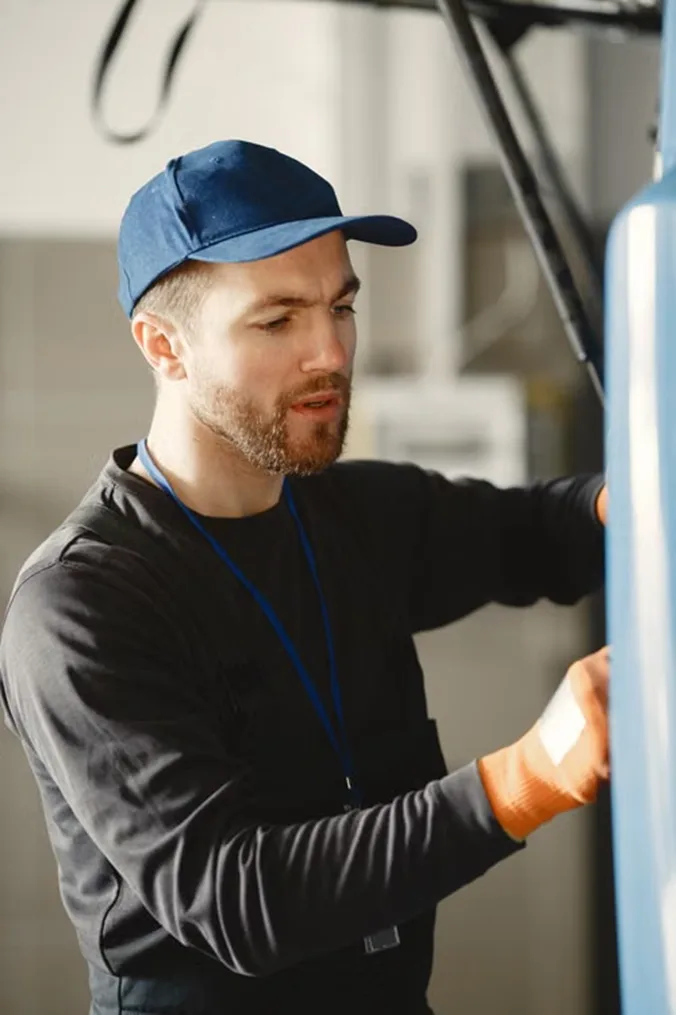
Your Furnace Isn’t Heating Your Home Properly
If your furnace is running but your home still feels cold, something isn’t working the way it should.
The problem could be related to the thermostat, airflow restrictions, clogged filters, ignition components, or other internal parts that require professional attention.
Rather than continuing to increase the thermostat, it’s better to have the system inspected by experienced professionals like Premier HVAC Services before the issue becomes more serious.
You’re Hearing Unusual Noises
Every furnace makes some level of operating noise.
However, loud or unusual sounds usually indicate that something needs attention.
Common warning noises include:
- Banging
- Squealing
- Grinding
- Rattling
- Whistling
- Scraping
These sounds may point to loose components, worn belts, blower motor problems, or other mechanical issues.
Ignoring strange noises often allows small problems to become much larger… and more expensive… repairs.
Your Energy Bills Suddenly Increase
If your heating habits haven’t changed but your utility bill has, your furnace may be working harder than necessary.
As components wear out or become dirty, the system loses efficiency and consumes more energy to produce the same amount of heat.
Having the furnace inspected can identify efficiency issues before they continue driving up monthly energy bills.
The Furnace Turns On and Off Frequently
Does your furnace seem to start, stop, and restart over and over again?
This issue, known as short cycling, is one of the most common signs that something isn’t functioning properly.
Possible causes include:
- Dirty air filters
- Thermostat problems
- Restricted airflow
- Overheating
- Mechanical failures
Besides making your home less comfortable, short cycling places unnecessary strain on the furnace and may shorten its lifespan if left unresolved.
Some Rooms Feel Warm While Others Stay Cold
Uneven heating is another sign that your furnace may need professional attention.
If one room feels comfortable while another remains chilly, the problem may involve airflow, ductwork, blower performance, or the heating system itself.
A professional inspection can determine whether the issue is isolated or affecting the entire system.
Consistent heating throughout your home is one of the clearest signs that your furnace is operating efficiently.
You Notice Strange Smells
A slight burning smell when you turn on the furnace for the first time after months of inactivity can be normal. It’s often just dust burning off the heat exchanger.
However, strong or persistent odors shouldn’t be ignored.
For example:
- A musty smell may indicate moisture or mold somewhere in the system.
- A burning odor that doesn’t go away could point to an electrical issue or overheating components.
If you ever smell gas, leave your home immediately, avoid using electrical switches, and contact your gas utility company or emergency services before calling an HVAC professional.
Any unusual smell that continues after the system has been running deserves a professional inspection.
Your Pilot Light or Flame Doesn’t Look Normal
If your furnace has a pilot light, its color can tell you a lot about how the system is operating.
A healthy pilot flame is typically blue.
If the flame appears yellow or flickers excessively, it may indicate that the furnace isn’t burning fuel properly. This can sometimes point to ventilation problems or other issues that require immediate attention.
Because furnace problems involving combustion can affect safety, they should always be inspected by a qualified HVAC technician rather than handled on your own.
Your Furnace Is More Than 15 Years Old
Age alone doesn’t mean your furnace needs to be replaced.
Many systems continue operating reliably for years with proper maintenance.
However, as furnaces get older, components naturally wear out, repairs become more frequent, and efficiency often declines.
If your furnace is over 15 years old and you’ve started noticing issues like inconsistent heating, unusual noises, or rising energy bills, it’s a good time to have the system professionally evaluated.
An inspection can help determine whether a repair is sufficient or if it’s time to start planning for a future replacement.
Your Indoor Air Quality Has Changed
Your furnace plays an important role in circulating air throughout your home.
When something isn’t functioning correctly, you may notice changes such as:
- More dust around the house
- Increased allergy symptoms
- Weak airflow from vents
- Stuffy indoor air
- Rooms that never seem to feel fresh
While some air quality issues are related to filters or ductwork, they can also be connected to furnace performance.
Having the system inspected helps identify the cause and ensures your heating equipment is operating as efficiently as possible.
You’re Calling for Repairs Too Often
Needing one repair every several years is fairly normal.
But if you’re scheduling service calls every heating season, those costs can start adding up quickly.
Frequent repairs may indicate that multiple components are reaching the end of their lifespan or that the system is no longer operating efficiently.
An experienced HVAC technician can evaluate your furnace, explain what’s causing the repeated issues, and help you decide whether another repair or a replacement makes more financial sense.
Making an informed decision now may save you from larger expenses later.
Don’t Wait for a Complete Breakdown
One of the biggest mistakes homeowners make is waiting until the furnace stops working altogether.
By that point, you’re likely dealing with an emergency repair during the coldest part of the season, when HVAC companies are often at their busiest.
Scheduling service as soon as you notice unusual performance gives technicians the opportunity to address small problems before they become major failures.
It can also reduce repair costs, improve energy efficiency, and help extend the life of your heating system.
Being proactive is almost always less stressful… and less expensive… than dealing with a complete furnace breakdown.
Wrap up!
Your furnace works hard to keep your home warm and comfortable, but like any mechanical system, it needs attention from time to time. Unusual noises, uneven heating, higher energy bills, strange odors, and frequent cycling are all signs that something may not be working as it should.
Addressing these warning signs early can help prevent larger repairs, improve efficiency, and keep your home comfortable throughout the heating season.