Outdoor wall tiles can transform a plain exterior into an architectural feature. They can bring texture to a garden wall, add definition to an entrance or give a building facade a more considered identity.
Unlike indoor tiles, however, exterior tiles must cope with rain, direct sunlight, temperature changes, airborne dirt, plant growth and seasonal weather.
Their long-term appearance depends not only on the tile material but also on the installation system and the maintenance routine established after the project is complete.
Before selecting outdoor wall tiles for a facade or garden wall, consider how the following seven factors may affect their appearance, upkeep and performance.
1. Choose a tile suited to the local climate
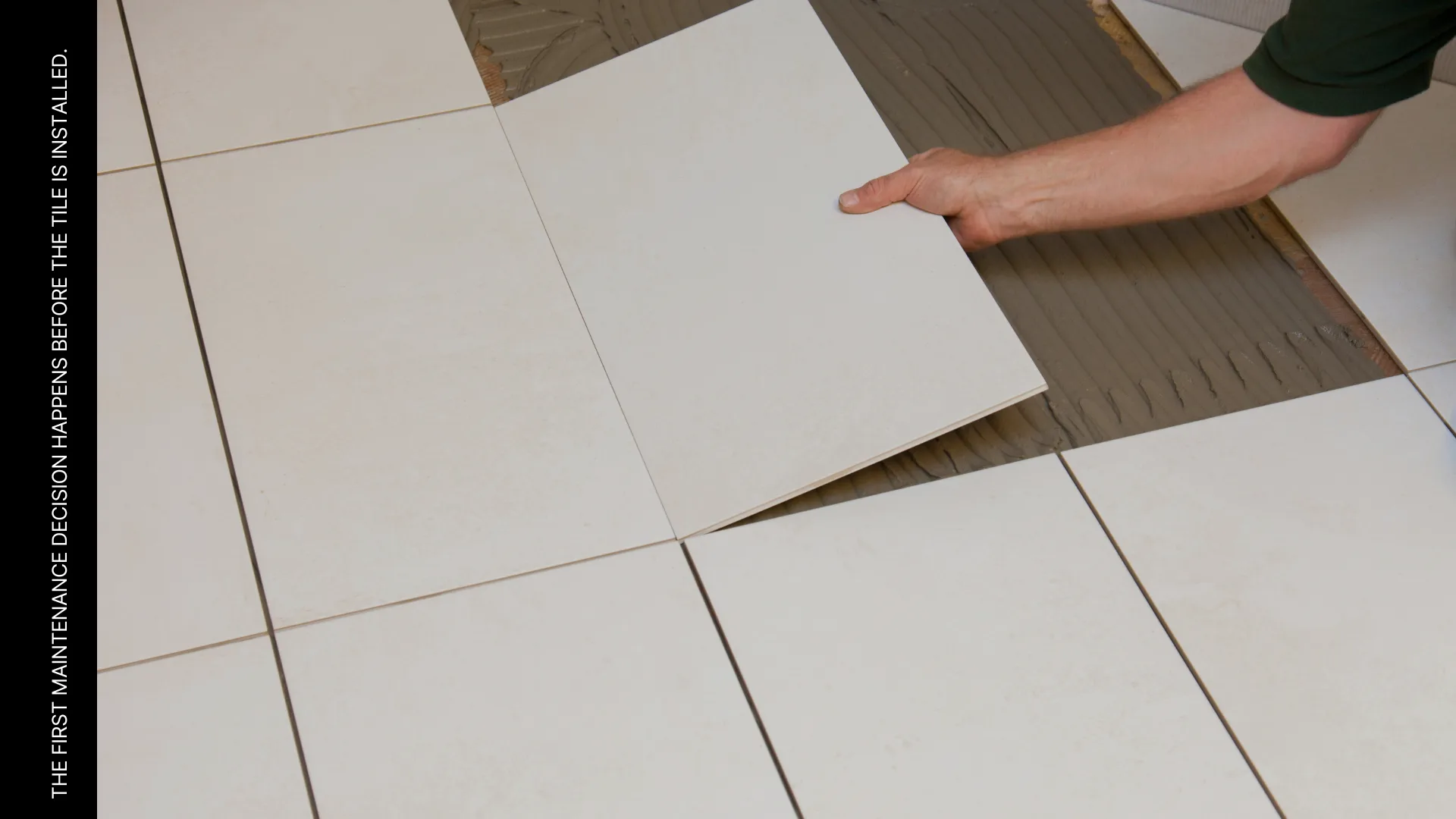
The first maintenance decision happens before the tile is installed.
Different tile materials respond differently to moisture, frost, heat and temperature fluctuations. A tile that performs well on a sheltered wall in a warm, dry climate may not be suitable for an exposed facade in an area with freezing winters.
Porcelain is commonly considered for demanding exterior settings because of its relatively low water absorption.
Other materials, including ceramic, terracotta, cement and natural stone, may also work outdoors, but their suitability depends on the specific product, installation location and manufacturer’s technical guidance.
In areas where temperatures repeatedly move above and below freezing, use a tile specifically approved for freeze-thaw exposure. Low water absorption alone should not automatically be treated as proof that a product is suitable. The Tile Council of North America recommends checking the manufacturer’s literature to confirm whether a tile is frost resistant.
This early product check can reduce the likelihood of cracking, surface damage and repeated repairs later.
2. Match the cleaning method to the material
Outdoor walls accumulate dust, pollen, pollution, soil splashes and organic residue. Garden walls may also be exposed to irrigation water, leaves, moss and climbing plants.
The appropriate cleaning method depends on the tile surface. A durable porcelain tile may tolerate a different routine from handmade terracotta, natural stone or a glazed decorative tile.
For general maintenance, start with the least aggressive method:
- Remove loose debris with a soft brush.
- Rinse the surface with clean water.
- Use a pH-neutral cleaner approved for the tile.
- Test the cleaner on a small, inconspicuous area.
- Rinse thoroughly so no residue remains.
Avoid assuming that a pressure washer is suitable for every installation. Excessive pressure can damage grout, force water behind the tiles or mark softer surfaces. Acidic cleaners, bleach solutions and abrasive brushes can also alter certain glazes, metals, cement tiles and natural stone.
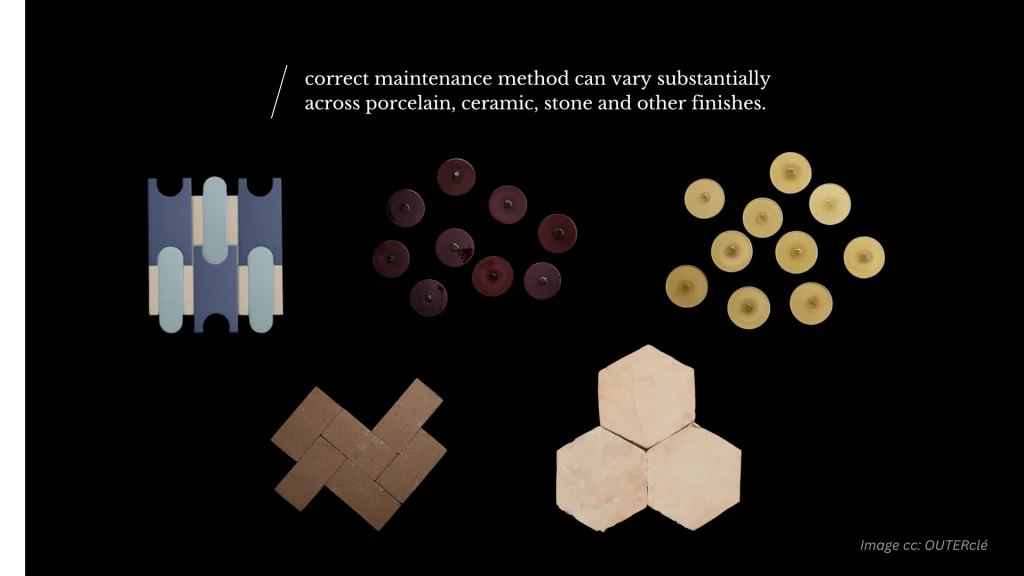
Manufacturers such as OUTERclé provide top outdoor wall tiles material-specific guidance for their outdoor tiles because the correct maintenance method can vary substantially across porcelain, ceramic, stone and other finishes.
Their outdoor maintenance recommendations also emphasise keeping drainage pathways open and avoiding de-icing salts that may etch tile surfaces.
3. Control moisture behind the tile
Rain running across the face of a tile is not always the main concern. Water that enters through grout joints, cracks, wall penetrations or poorly detailed edges can become trapped behind the tiled surface.
Once moisture reaches the setting bed, it may contribute to staining, efflorescence, weakened adhesion or freeze-related damage. Even a frost-resistant tile can fail when water collects in gaps behind it and subsequently freezes.
The Tile Council of North America notes that exterior installations require setting materials, substrates and movement systems appropriate for exposure to water and large temperature variations. Interior installation methods should not simply be transferred to an exterior wall.
Exterior wall systems should therefore be designed with suitable waterproofing, flashing, drainage and edge protection. Coping stones or caps can help keep water from entering the top of a freestanding garden wall, while properly detailed window openings and roof junctions can protect tiled facades.
Regularly inspect these transition points because sealants and joints around them may deteriorate before the tile itself does.
4. Pay attention to grout and movement joints
Grout lines form part of the visual composition, but they are also among the first places where maintenance issues become visible.
Outdoor grout can collect dirt, support algae growth or develop fine cracks as the wall expands and contracts. Small cracks should not automatically be filled with rigid grout. Some joints must remain flexible so that the tiled surface can accommodate movement.
Movement joints are especially important across large facades, at changes in plane and where tile meets another building material. Anti-fracture membranes do not remove the need for properly placed movement joints, according to TCNA guidance.
During routine inspections, look for:
- Cracked or missing grout
- Flexible sealant pulling away from an edge
- White mineral deposits
- Dark patches that remain after dry weather
- Tile edges that appear to be lifting
Addressing a small joint failure early is generally easier than removing tiles after water has reached the substrate.
5. Consider whether sealing is required
Not every exterior tile needs to be sealed, and not every sealer is suitable for every tile.
Dense porcelain and fully glazed tiles may require little or no surface sealing. More porous materials, such as some terracotta, cement tiles and natural stone, may benefit from an appropriate penetrating sealer.
A sealer can help reduce water absorption and staining, but it does not make a poorly installed exterior wall waterproof. It also needs to be selected carefully. Some topical coatings can trap moisture or change the tile’s colour, sheen or surface texture.
TCNA guidance notes that a vapour-permeable penetrating sealer may help in certain grout applications, while non-permeable topical products can develop a whitish appearance when moisture is present.
Before sealing, confirm:
- Whether the tile manufacturer recommends it
- Whether the grout also requires treatment
- How the sealer changes the appearance
- How often it may need to be reapplied
- Whether the wall needs to remain vapour permeable
Always test the chosen product on a spare tile or hidden section before treating the full wall.
6. Manage plants and irrigation around garden walls
Garden walls face maintenance challenges that building facades may not.
Sprinklers can repeatedly soak the same section of tile, leaving mineral deposits or encouraging algae growth. Soil piled against the base of the wall may keep the installation damp, while dense plants can reduce air circulation.
Climbing plants also require careful management. Some vines attach themselves directly to walls and can enter joints or existing cracks. Trellises and wire systems can create a small separation between the plant and the tile, making both pruning and wall inspection easier.
Direct irrigation away from tiled surfaces where possible, particularly in areas with hard water. Trim plants regularly and remove fallen leaves before they decompose against the base of the wall.
The aim is not to separate the tiled wall from the landscape, but to prevent planting and watering systems from creating continuously damp conditions.
7. Establish a seasonal inspection routine
Outdoor tile maintenance is most effective when it is preventive rather than reactive.
Inspect facades and garden walls at least seasonally and after unusually severe weather. A useful inspection should include the top edges of walls, corners, window surrounds, movement joints and lower sections exposed to soil or splashback.
Look for cracked joints, loose tiles, persistent staining, rust marks, plant growth and blocked drainage. In cold climates, complete necessary repairs before freezing weather arrives. Standing water and ice can damage even tiles designed to tolerate repeated freeze-thaw cycles when moisture enters grout joints or voids in the setting bed.
Keep a small quantity of spare tile from the original installation. Exterior collections, colour batches and handmade finishes may change over time, making an exact replacement difficult to find years later.
Maintenance starts with specification
Outdoor wall tiles do not necessarily require complicated care, but they do require the correct combination of material, installation and routine inspection.
A well-specified tile that suits the local climate will be easier to maintain than one chosen primarily for colour or pattern. Proper waterproofing, drainage, grout detailing and movement joints will also have a greater effect on longevity than frequent surface cleaning alone.
For homeowners and designers exploring decorative exterior materials, outdoor tile specialists such as OUTERclé organise their collections around practical considerations including climate, freeze-thaw exposure, water use and installation location.
Reviewing this technical information before making a selection helps ensure that a tiled facade or garden wall remains both functional and visually distinctive over time.
With the right planning, most maintenance consists of gentle cleaning, plant management and periodic inspections rather than major repairs.