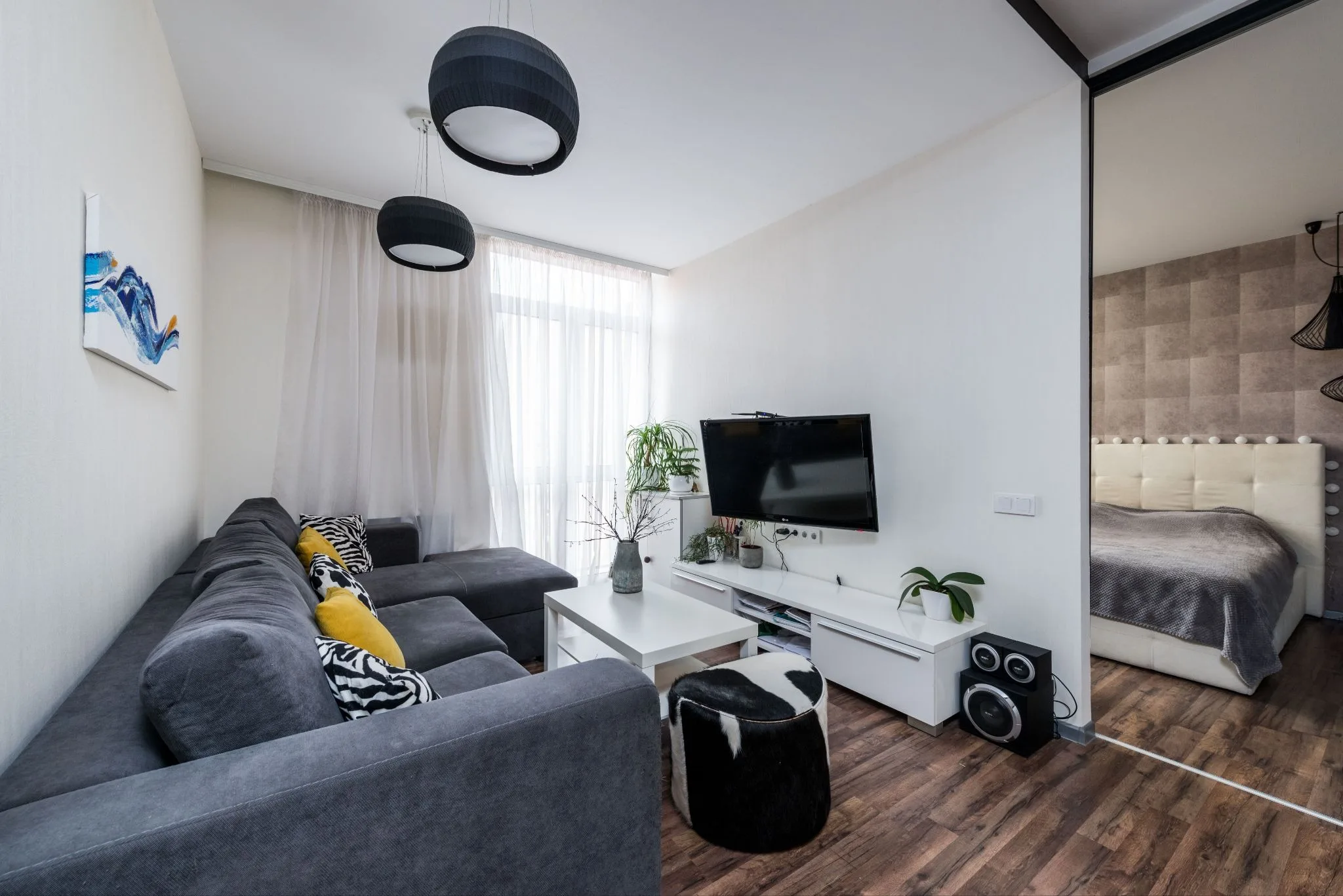
A student’s room is more than a place to sleep, study, and store clothes. It is also a personal environment that can affect emotions, energy, concentration, and motivation. From the color of the walls to the position of a desk, small design decisions can shape how a student feels throughout the day.
Think about the difference between entering a dark, messy room and walking into a bright, organized space. The first room may feel heavy and tiring. The second may feel fresh and welcoming. Nothing about the student’s schedule has changed, yet the atmosphere can create a completely different emotional response.
This is why student decor choices matter. A room does not need expensive furniture or professional interior design to support a positive mindset. Simple changes, such as adding a lamp, displaying meaningful photographs, or clearing the study area, can make daily tasks feel more manageable. The room becomes a silent partner, either supporting the student or making life more difficult.
1. Why Student Decor Choices Matter More Than They Seem
Students spend a large amount of time in their bedrooms, dorm rooms, apartments, libraries, and study corners. These spaces often serve several purposes at once. A single room may be a bedroom in the evening, a classroom during an online lesson, a social space at the weekend, and a study area before an exam.
Because one room often supports studying, sleeping, and relaxing, its design can strongly shape a student’s daily habits. A student who regularly studies in bed, for example, may begin to feel sleepy whenever they open a textbook. During especially busy weeks, some students get assignment writing service help because they don’t organise their space well, and that is totally okay. In contrast, having a separate desk can help a student enter “study mode” more quickly. The desk then becomes a clear visual signal that tells the brain it is time to concentrate.
Decor also affects mood through association. A blank wall may feel cold or temporary, especially for a student who has recently moved away from home. However, photographs, artwork, postcards, or familiar colors can make the same wall feel personal. These items create emotional connections and help the student feel that the room belongs to them.
Why does this matter for motivation? Motivation does not always arrive as a sudden wave of energy. More often, it grows from small signals and routines. A clear desk invites a student to sit down. A visible calendar reminds them about a deadline. A comfortable chair makes it easier to continue working. In this way, decor acts like a road sign, gently directing behavior.
The influence can also work in the opposite direction. Too much clutter may create visual noise. Uncomfortable furniture may make studying physically unpleasant. Harsh lighting may cause the room to feel stressful. When several small problems appear together, even a basic task can seem harder than it really is.
Therefore, student room decor is not only about appearance. It can become a practical tool for emotional balance, concentration, and personal discipline.
2. Color and Lighting Shape Emotional Energy
Color and lighting are two of the most noticeable parts of any room. They create the background atmosphere before a student even begins studying, relaxing, or socializing.
A room filled with soft natural light may feel open and peaceful. On the other hand, a room with one strong ceiling light may feel uncomfortable, especially late in the evening. Similarly, bright colors can add energy, while softer shades can make a space feel calmer.
The goal is not to follow strict design rules. Every student responds differently to color and light. However, students can observe how their surroundings make them feel and adjust the space accordingly.
Color Can Calm or Energize
Colors often carry emotional associations. Blue and green may remind people of the sky, water, trees, and nature. As a result, these colors can help create a peaceful atmosphere. Warm colors such as yellow, orange, and red can feel lively and energetic, although too much of a strong color may become distracting.
A student does not need to repaint an entire room to use color effectively. In many dormitories or rented apartments, painting is not even allowed. Instead, color can enter through removable items such as cushions, blankets, storage boxes, posters, desk accessories, or curtains.
The best approach is usually balance. A completely neutral room may feel safe but slightly lifeless. A room filled with many bright colors may feel exciting but visually busy. Combining a calm base with a few stronger accents can create both comfort and personality.
For example, a student might choose white or light gray bedding and add a yellow cushion or green plant pot. These small accents act like sparks in a fireplace. They bring warmth without taking control of the whole room.
Students should also consider the purpose of the space. Soft colors may work well near the bed because they support relaxation. Brighter colors may be more useful around the desk because they create energy. By matching color choices to different activities, students can make one room feel more organized and intentional.
Lighting Affects Focus and Rest
Lighting can influence how active, comfortable, or tired a student feels. Natural daylight often helps a room feel more cheerful and spacious. Therefore, placing a desk near a window can be a useful choice, provided that screen glare does not become a problem.
However, natural light is not always available. Students may study at night, live in a dark room, or have a window that faces another building. In these situations, layered lighting can improve the atmosphere. Instead of depending only on a strong ceiling light, students can combine a desk lamp, a bedside lamp, and soft decorative lighting.
A focused desk lamp helps separate work from relaxation. When the lamp is switched on, it can become part of a study routine. This small action works like the opening note of a song: it signals that a particular activity is about to begin.
Warm lighting often suits evening relaxation, while brighter, cooler lighting may support alertness during work. Students should avoid creating a study area that is so dark that reading becomes difficult. At the same time, the sleeping area should not feel like a brightly lit office late at night.
Decorative lights can also improve mood, but they should serve a purpose. Soft string lights may make a room feel cozy, while colored lights can help students express their personality. Yet flashing or constantly changing lights may become distracting. Good lighting should support the activity rather than compete for attention.
3. Personal Decor Builds Comfort and Belonging
For many students, moving into a dormitory or shared apartment is a major life change. The new space may initially feel strange, empty, or temporary. Personal decor can turn this unfamiliar room into a place of comfort and belonging.
Photographs are a simple example. Pictures of family members, friends, pets, or memorable trips can create a sense of connection. They remind students that their life is larger than the current assignment or stressful exam. On a difficult day, one familiar image may provide a small emotional lift.
However, personal decor does not have to focus only on the past. It can also represent the student’s future. A vision board, inspiring quote, map, career goal, or image of a dream destination can keep long-term ambitions visible. These objects work as emotional anchors. They help students remember why their daily effort matters.
The key is choosing decor that feels genuine. Generic motivational posters may look attractive, but they may not create a strong response if the message has no personal meaning. A handwritten note from a parent, a ticket from an important event, or a small object connected to a personal achievement may be far more powerful.
Student decor choices can also support identity. Music posters, books, cultural objects, handmade art, sports items, and collections allow students to express their interests. This expression is especially important in shared living environments, where rooms can otherwise feel identical.
At the same time, students should avoid filling every surface. Meaningful items can lose their impact when they are surrounded by too many unrelated objects. A few carefully chosen pieces often create a stronger emotional effect than dozens of decorations.
Plants can add another layer of comfort. Real plants introduce natural color and texture, while artificial plants offer a similar visual effect without regular care. Even a small plant on a desk can make the area feel less mechanical. It brings a touch of life into a space filled with screens, books, cables, and deadlines.
Comfort also comes from texture. Soft blankets, cushions, rugs, and curtains can make a room feel warmer and safer. A student’s living space should not feel like a waiting room. It should offer a sense of protection from the pressure of the outside world.
When students feel emotionally connected to their environment, they may be more willing to care for it. They clean it more often, organize it more thoughtfully, and spend time there more comfortably. In return, the room continues to support their well-being. It becomes a positive cycle.
4. Organization, Layout, and Comfort Support Motivation
Motivation is not only emotional. It is also practical. A beautiful room will not support productivity if the desk is uncomfortable, the books are difficult to reach, or the student cannot find important notes.
A useful layout reduces effort. Frequently used objects should be easy to access. Study materials can stay near the desk, while relaxation items can remain closer to the bed or seating area. This creates simple zones, even in a very small room.
A clean, quiet, and well-organized study area can help students concentrate and write essays more effectively. Keeping textbooks, notes, pens, and chargers close to the desk also makes the writing process smoother. If students lack this kind of supportive environment, an admission essay writing service can offer useful guidance and practical help. Meanwhile, snacks, gaming equipment, and entertainment devices can remain in another part of the room to reduce distractions. This simple arrangement creates a helpful boundary between focused academic work and relaxation.
A room can be compared to a stage. When every object is in the right position, the performance can begin smoothly. When the stage is crowded and disorganized, everyone wastes time looking for what they need.
Clutter can also affect how large or comfortable a room feels. Clothes on the floor, dishes on the desk, and papers on the bed create unfinished tasks that constantly demand attention. Even when students try to ignore the mess, it remains visible.
This does not mean that every student needs a perfect room. Perfection can create its own pressure. Instead, the aim should be a functional level of order. A student should be able to find important items, use the desk comfortably, and move through the room without difficulty.
Storage plays an important role. Boxes under the bed, wall hooks, drawer organizers, shelves, and baskets can reduce visible clutter. Labels may also help, particularly when several subjects or projects are active at the same time.
Comfort is equally important. A chair that causes back pain can quickly reduce motivation. A desk at the wrong height may make long study sessions unpleasant. When possible, students should adjust their chair, screen, and lighting so that their bodies feel supported.
Small comfort improvements can have a large effect. A cushion may improve a hard chair. A laptop stand can raise the screen. A folded blanket can support the lower back. These changes do not need to be expensive, but they can make study time feel less like a physical battle.
Students should also protect the difference between work and rest. When books, papers, and laptops cover the bed, academic pressure follows the student into their sleeping space. Clearing the bed before the evening helps create a mental transition from work to relaxation.
This transition matters because motivation depends partly on recovery. A student who never feels fully at rest may struggle to begin the next day with energy. Good decor and room organization support both sides of the cycle: focused effort and genuine rest.
5. Creating a Motivating Student Space Without Overspending
Students often have limited budgets, but a supportive room does not require expensive furniture or fashionable decorations. In fact, some of the most effective changes cost very little.
The first step is to work with what is already available. Rearranging furniture can improve natural light, create more floor space, or separate the study area from the sleeping area. Simply turning a desk toward a window or moving a chair away from the bed may change how the room feels.
Next, students can remove items that no longer serve a purpose. Decluttering is free, and it can make a space feel calmer almost immediately. Instead of asking, “Does this item look nice?” students can ask, “Does this item support the life I want to live here?”
Secondhand shops, online marketplaces, campus groups, and family storage areas can provide affordable decor. A used lamp, small shelf, mirror, or noticeboard may be just as useful as a new one. Students can also exchange items with friends when tastes or living situations change.
Do-it-yourself decor adds personality without a high cost. Students can print photographs, create a paper calendar, paint old storage boxes, frame postcards, or make simple wall art. Handmade items often feel more meaningful because they contain time, memory, and effort.
Temporary decor is especially useful in dormitories and rented rooms. Removable hooks, adhesive strips, fabric wall hangings, and lightweight frames can transform blank walls without causing permanent damage. However, students should check housing rules before attaching anything.
A motivating space should also remain flexible. Student life changes throughout the year. During exam season, the desk may need more storage and fewer decorations. During holidays, the room may become more social. At the start of a new term, goals and schedules may change.
Therefore, students should review their space regularly. Does the desk still support concentration? Does the room feel restful at night? Are the decorations still meaningful, or have they become background noise? These questions help the environment grow with the student.
One practical method is to change one area at a time. A complete room transformation can feel expensive and overwhelming. Improving the desk first, then the lighting, and finally the storage makes the process easier. Each small success can create momentum.
Most importantly, students should design for their real habits rather than an ideal image from social media. A room may look perfect in a photograph but fail to support everyday life. Open shelves may appear attractive, for example, but closed boxes may suit a student who struggles to keep items neatly arranged. A large decorative chair may look impressive, but a small practical desk could offer greater value.
Student decor choices influence mood and daily motivation because the environment constantly sends messages. A bright lamp says, “Stay alert.” A clear desk says, “You can begin.” A personal photograph says, “You are supported.” A comfortable bed says, “You can rest now.” None of these details can replace good habits, but they can make those habits easier to build. In the end, the best student space is not the most expensive or fashionable one. It is the space that helps a student feel calm, capable, focused, and ready to move forward each day.


