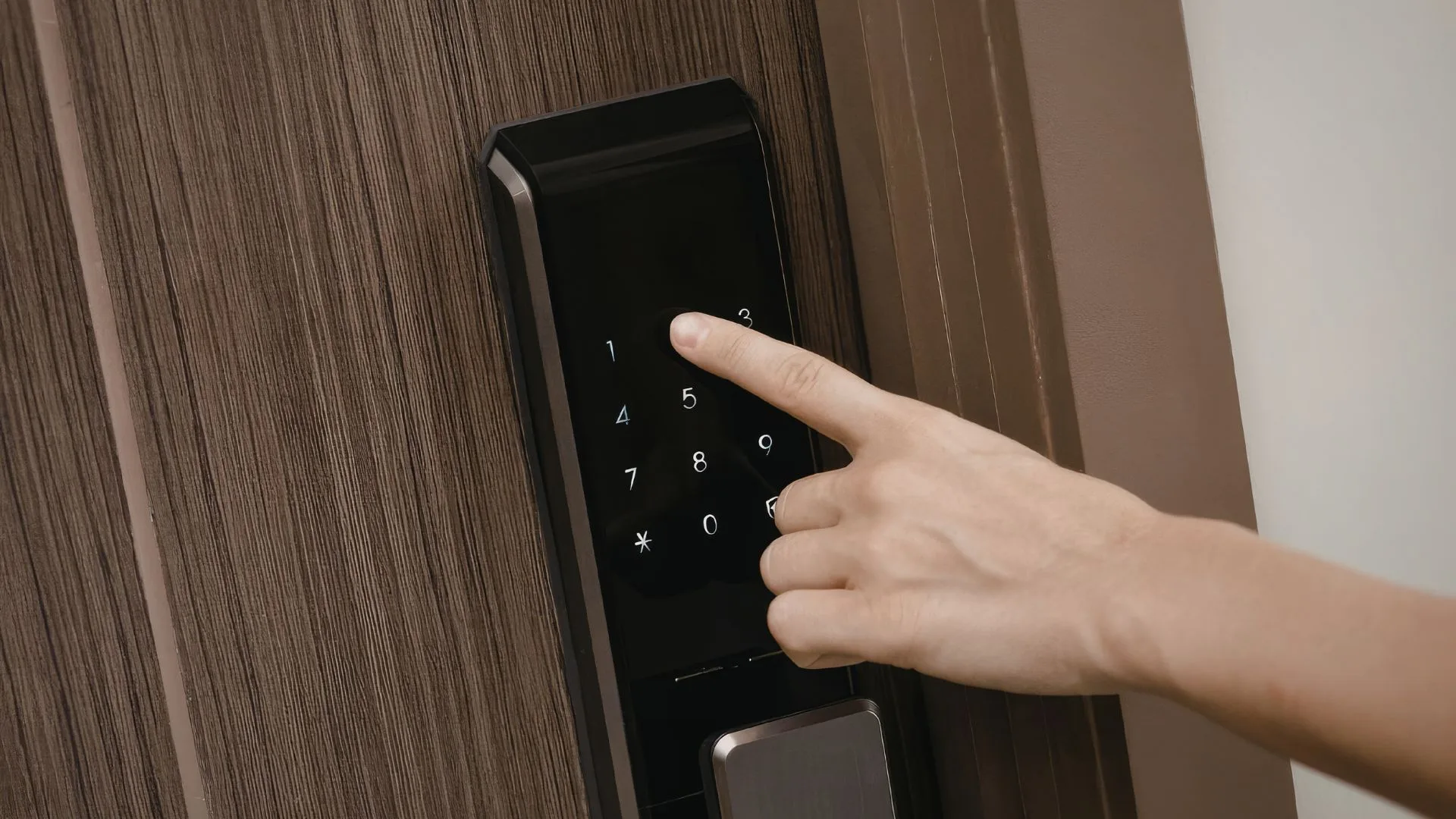
The modern real estate landscape is undergoing a major shift, and security is no longer just a basic feature. It is now a key selling point. From residential apartments to commercial buildings and mixed-use developments, access control systems are redefining how properties are secured, managed, and valued.
The numbers tell a compelling story. The global home security systems market is projected to grow from $82.28 billion in 2026 to $172.06 billion by 2034, reflecting rising demand for smarter security solutions. At the same time, the building access control market alone is expected to reach $60.4 billion by 2035, growing at a strong 14 percent CAGR. In India, the access control market is also booming, expected to grow from ₹91.9 billion in 2025 to ₹249.7 billion by 2034.
These figures highlight one clear trend. Real estate security is becoming smarter, more integrated, and increasingly essential for both buyers and developers.
What Are Access Control Systems in Real Estate?
At its core, Access control refers to the selective restriction of entry to a space, resource, or system. In real estate, this includes technologies that determine who can enter a building, room, or facility and under what conditions.
Modern systems go far beyond traditional locks and keys. They include:
- Keycard and RFID entry systems
- Mobile-based access via apps
- Biometric systems such as facial recognition and fingerprint scanning
- Cloud-based access management platforms
These systems are now deeply integrated with broader property management and security infrastructure.
Why Real Estate Is Rapidly Adopting Access Control
The transformation is driven by several factors that are reshaping buyer expectations and operational needs.
1. Rising Security Concerns
Urbanization and population density have increased concerns around unauthorized access, theft, and vandalism. Property owners are actively seeking proactive solutions rather than reactive ones.
Access control systems provide controlled entry, audit trails, and real-time monitoring. This makes them far more effective than traditional locks, which offer no visibility into who accessed a property.
2. Demand for Smart Living Experiences
Today’s tenants and buyers expect smart features in their homes and workplaces. Access control systems are a key part of this ecosystem.
Residents can unlock doors using smartphones, grant temporary access to visitors, and receive alerts about entry activity. These features enhance both convenience and perceived property value.
3. Growth of Mixed-Use and Shared Spaces
Co-living spaces, coworking hubs, and multi-tenant buildings require flexible access management.
Access control systems allow property managers to assign permissions based on roles, time schedules, and zones. For example, a tenant can access their apartment and gym but not restricted office areas.
4. Integration with AI and Surveillance
The rise of AI-powered surveillance is transforming access control systems into an intelligent security layer. Modern platforms like Coram.ai combine access control with video surveillance and real-time analytics. This means entry events can be verified with video, suspicious behavior can trigger alerts, and incidents can be investigated instantly using search-based video tools. This level of integration is becoming a major differentiator in high-end real estate.
Key Ways Access Control Systems Are Transforming Real Estate Security
Enhanced Entry Management
Traditional keys can be lost, duplicated, or stolen. Access control systems eliminate these risks by replacing physical keys with digital credentials.
Property managers can instantly grant or revoke access without changing locks. This is especially useful in rental properties where tenants frequently move in and out.
Real-Time Monitoring and Alerts
Modern systems provide real-time insights into who is entering or exiting a property.
If an unauthorized attempt occurs, the system can send alerts instantly. This allows faster response times and reduces the risk of security breaches.
Audit Trails and Compliance
Access control systems maintain detailed logs of all entry events.
This is particularly valuable for commercial real estate where compliance and accountability are critical. Businesses can track employee access, verify incidents, and meet regulatory requirements.
Remote Management
Cloud-based access control systems allow property managers to control access from anywhere.
Whether managing a single building or a portfolio of properties, administrators can update permissions, monitor activity, and respond to incidents remotely.
Improved Tenant Experience
Security is no longer just about protection. It is also about convenience.
Features like mobile entry, visitor management, and seamless integration with smart home systems improve the overall tenant experience. This leads to higher satisfaction and retention rates.
The Role of AI in Access Control Evolution
Artificial intelligence is taking access control systems to the next level.
AI enables systems to:
- Recognize faces and license plates
- Detect unusual behavior such as tailgating or loitering
- Automate responses like locking doors during threats
- Provide searchable video intelligence
For example, platforms like Coram.ai use AI to connect access events with video footage, allowing property managers to instantly verify who entered and why.
This transforms access control from a passive system into an active security tool.
Access Control as a Real Estate Value Driver
Security features are increasingly influencing buying decisions.
Properties equipped with advanced access control systems often:
- Command higher rental and resale values
- Attract premium tenants
- Reduce insurance costs
- Enhance brand reputation for developers
In competitive real estate markets, security technology is no longer optional. It is a strategic advantage.
Challenges and Considerations
Despite the benefits, implementing access control systems comes with challenges.
Initial Investment
Advanced systems require upfront investment in hardware, software, and installation.
However, long-term savings from reduced security incidents and operational efficiency often outweigh these costs.
Privacy Concerns
Biometric systems and data collection raise privacy concerns.
Developers must ensure compliance with data protection regulations and implement secure data handling practices.
Integration Complexity
Integrating access control with existing systems can be complex.
Choosing a scalable and interoperable platform is essential to avoid future limitations.
The Future of Access Control in Real Estate
The future of real estate security is connected, intelligent, and user-centric.
Key trends include:
- Increased adoption of mobile and biometric access
- Integration with smart home ecosystems
- AI-driven predictive security
- Cloud-based centralized management
- Touchless entry systems for hygiene and convenience
As technology continues to evolve, access control systems will become even more seamless and powerful.
Conclusion
Access control systems are no longer just a security feature. They are a cornerstone of modern real estate.
From improving safety and operational efficiency to enhancing tenant experience and property value, these systems are transforming how buildings are designed and managed.
With rapid advancements in AI and cloud technology, the role of access control will only continue to grow. For developers, property managers, and investors, adopting these systems is not just a smart choice. It is a necessary step toward future-ready real estate.
FAQs
What is an access control system in real estate?
An access control system is a security solution that regulates who can enter or exit a property. It uses technologies like keycards, biometrics, and mobile apps to manage access.
Are access control systems expensive to install?
Costs vary depending on the size and complexity of the property. While initial costs can be high, long-term benefits such as reduced security risks and improved efficiency make them cost-effective.
Can access control systems be managed remotely?
Yes, most modern systems are cloud-based and allow property managers to control access, monitor activity, and update permissions from anywhere.
Do access control systems improve property value?
Yes, properties with advanced security features often attract higher-value tenants and buyers, increasing both rental income and resale value.
Are biometric systems safe to use?
Biometric systems are generally secure, but they must comply with privacy regulations and use encryption to protect sensitive data.