Most people choose a heating and cooling system by comparing quotes. That is the wrong number to focus on. The purchase price is paid once. The running cost is paid every month for the next seven to ten years, and it is usually several times larger.
In regional Victoria, this matters more than almost anywhere else in Australia. Winter is long, summer is short, and a lot of housing stock leaks heat. This article breaks down what each system type actually costs to run, the variables that move that number the most, and how to work out your own figure before you commit.
Why Regional Victoria Changes the Maths
Most air conditioning advice online is written for Sydney or Brisbane, where cooling dominates the bill. Southern and western Victoria works the opposite way. You will run heating for roughly six months of the year and cooling for a handful of genuinely hot weeks.
That single fact should drive your decision. A system chosen for cooling performance will spend most of its working life heating, so heating efficiency is the number that counts.
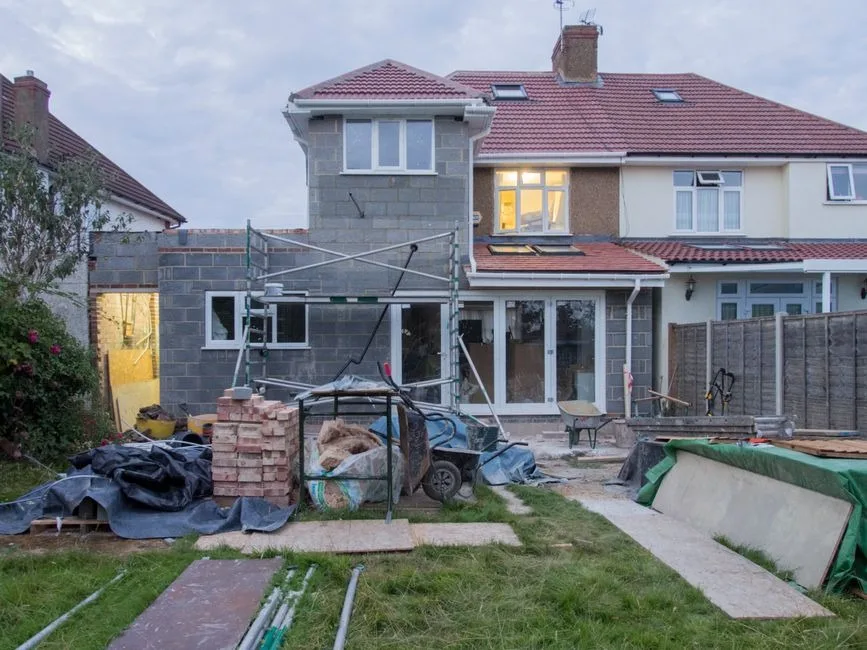
Building fabric matters just as much. A weatherboard home with single glazing and thin wall insulation will cost noticeably more to run than a new build with the same system installed. Coastal homes on the Bellarine and Surf Coast also deal with salt air, which shortens outdoor unit life if the equipment is not rated for it. Inland areas face colder overnight minimums and longer heating hours.
Running cost is the product of climate, building fabric and system choice together. Change one and the whole number moves.
What Each System Type Costs to Run
Reverse Cycle Air Conditioning
Reverse cycle is the cheapest common option to run in Victoria, and it is not close. It moves heat rather than generating it, producing roughly three to four units of heat for every one unit of electricity it consumes. That ratio is the whole story. It is why a unit that costs more to buy costs far less to own.
Electric Panel and Bar Heaters
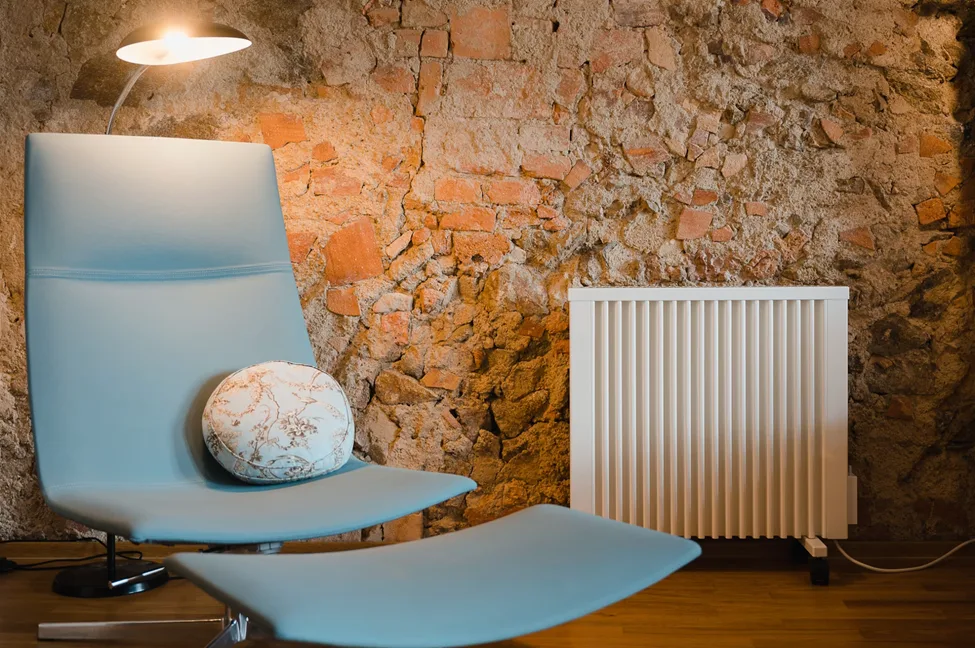
These convert electricity to heat at a one to one ratio. Cheap to buy, and the most expensive option per hour to run of anything in common use. They make sense for a room you heat for twenty minutes a week and almost nowhere else.
Gas Ducted Heating
Gas ducted delivers whole-home comfort, but unless it is well zoned it heats rooms nobody is in. Supply charges apply whether you use much gas or not, and Victoria’s policy direction is steadily moving away from new gas connections. If your existing unit is near end of life, replacing like for like locks you into a system with a shrinking cost advantage.
Wood and Hydronic
Wood heating is common in regional areas and cheap if you cut your own, but it is labour-intensive, and efficiency varies widely between units. Hydronic is the most comfortable heat available and the most expensive to install.
Why Sizing Is the Biggest Cost Variable
Two identical units in two identical homes can produce very different bills. Sizing is usually why.
Match Capacity to Room Size
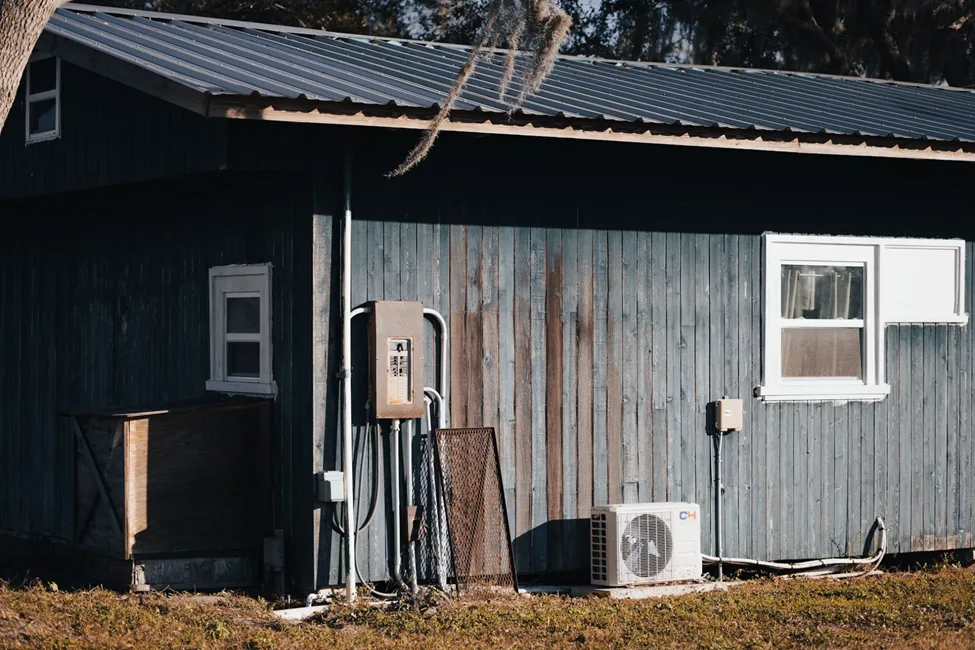
Capacity is measured in kilowatts and should match the room. As a working guide for a cool climate:
- Up to 20m², small bedroom: 2.0 to 2.5 kW
- 20 to 40 m², large bedroom or small living room: 2.5 to 3.5 kW
- 40 to 60 m², main living area: 5.0 to 6.0 kW
- 60 to 80 m², open plan kitchen and living: 7.0 to 8.0 kW
Ceiling height, window area, and which way the room faces all shift these figures. A west-facing living room with large windows needs more capacity than the table suggests.
This is why any decent quote for a Geelong split system installation begins with a room-by-room assessment rather than a default model. Get the capacity wrong and you lock in higher running costs for the entire life of the unit.
What Goes Wrong at the Wrong Size
An undersized unit runs constantly, never reaches the set temperature, and gives you high consumption with no comfort. An oversized unit short cycles, switching on and off repeatedly, which wastes energy and wears out the compressor early. Oversizing is the more common and more expensive mistake.
Always Choose Inverter
Inverter units adjust their output to match what the room needs instead of running at full power until they hit the target. Fixed speed units are cheaper upfront and significantly more expensive to run. For most households, the price difference is recovered within a couple of years. Buy the inverter.
Settings and Habits That Move the Bill
Set points do more work than most people expect. Aim for 24 to 26°C when cooling and 18 to 20°C when heating. Every degree below 24°C in cooling mode increases consumption by roughly 5 to 10 percent, and the same principle applies in reverse for heating.
Steady beats intermittent. In a Victorian summer, holding 25°C consistently uses less energy than switching the system on and off through the day, because each restart means recooling a hot space from scratch.
Heat only what you use. Closing doors to unoccupied rooms is the core cost advantage of single-room systems over ducted, and it costs nothing to do.
The cheap fixes still work. Door snakes, sealing chimney draughts and heavy curtains on west-facing windows all cut load. So does outdoor unit placement. A condenser sitting in full afternoon sun works harder and runs less efficiently than one with shade and clear airflow around it.
Maintenance Is a Running Cost, Not an Extra
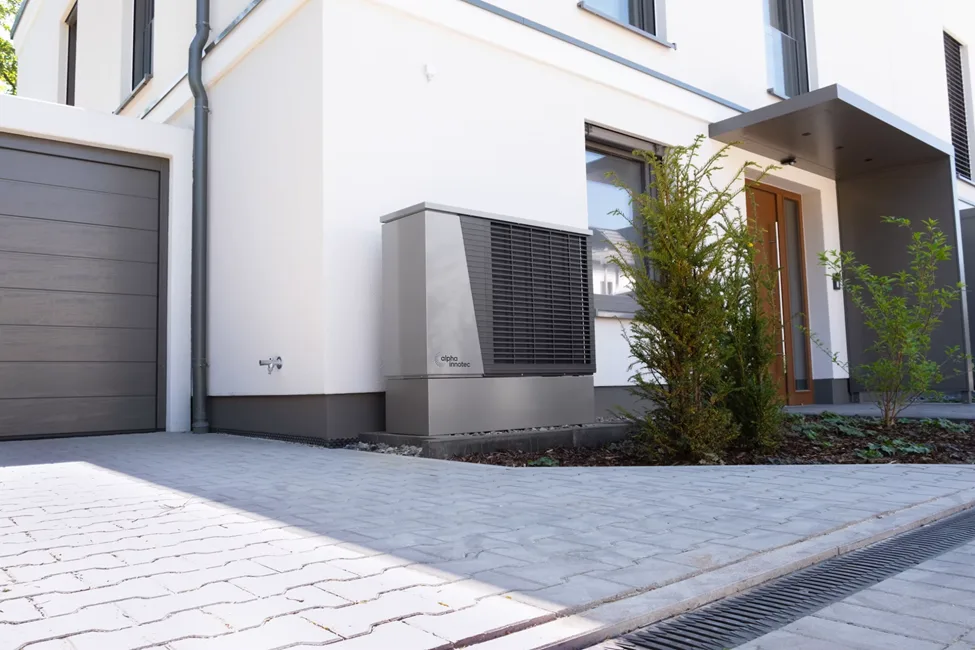
Clogged filters and dirty coils force a system to work harder for the same output, and that shows up directly on your bill. Routine servicing covers filter and coil cleaning, refrigerant levels, electrical components and clearing the condensate drain.
Watch for the warning signs. Rumbling or chattering noises, slow heating or cooling, and an unexplained jump in energy costs all point to a system losing efficiency. Split systems commonly last around seven years, and regular servicing extends that.
Serviceability is worth weighing at the buying stage too. Any decent air conditioner guide will tell you to check warranty terms and local spare parts availability before you commit, because a unit nobody can source parts for becomes an expensive replacement rather than a cheap repair.
How to Estimate Your Own Annual Cost
Find the unit’s input power in kilowatts from the nameplate, not the output capacity, which is a different and larger number. Multiply that by realistic daily running hours. Multiply by your actual electricity rate from your bill, not an advertised rate. Then apply heating and cooling seasons separately, because in Victoria they are nothing alike in length.
This gives you a ceiling figure. Inverter units draw well below rated input most of the time, so your real cost will land under it. For quick comparisons while shopping, the star rating on the energy label does the same job in three seconds.
Conclusion
In regional Victoria, your running cost is set by three things: how efficient the system is, whether it is correctly sized, and how well your home holds temperature. The brand on the box barely registers next to those.
The system that is cheapest to buy is routinely the most expensive to own across a decade. Before next season, check your unit’s nameplate rating and your set points. Those two numbers will tell you more about your energy bill than any quote will.
Frequently Asked Questions
Is reverse cycle cheaper to run than gas heating in Victoria? For most households, yes. Reverse cycle produces three to four units of heat per unit of electricity, and gas supply charges keep climbing. Check both against your own bills, since tariffs vary by retailer.
What temperature should I set my heating to in winter? Between 18 and 20°C. Each extra degree adds a compounding amount to your consumption, and the difference in comfort above 20°C is smaller than most people assume.
Does turning the system off when I go out save money? Not for short absences. Bringing a cold or overheated room back to temperature costs more than holding a steady set point for a few hours.
How long before running costs start climbing on an ageing system? Around the seven year mark for a split system, later with regular servicing. Efficiency usually declines well before the unit actually fails, so a rising bill is your first warning.