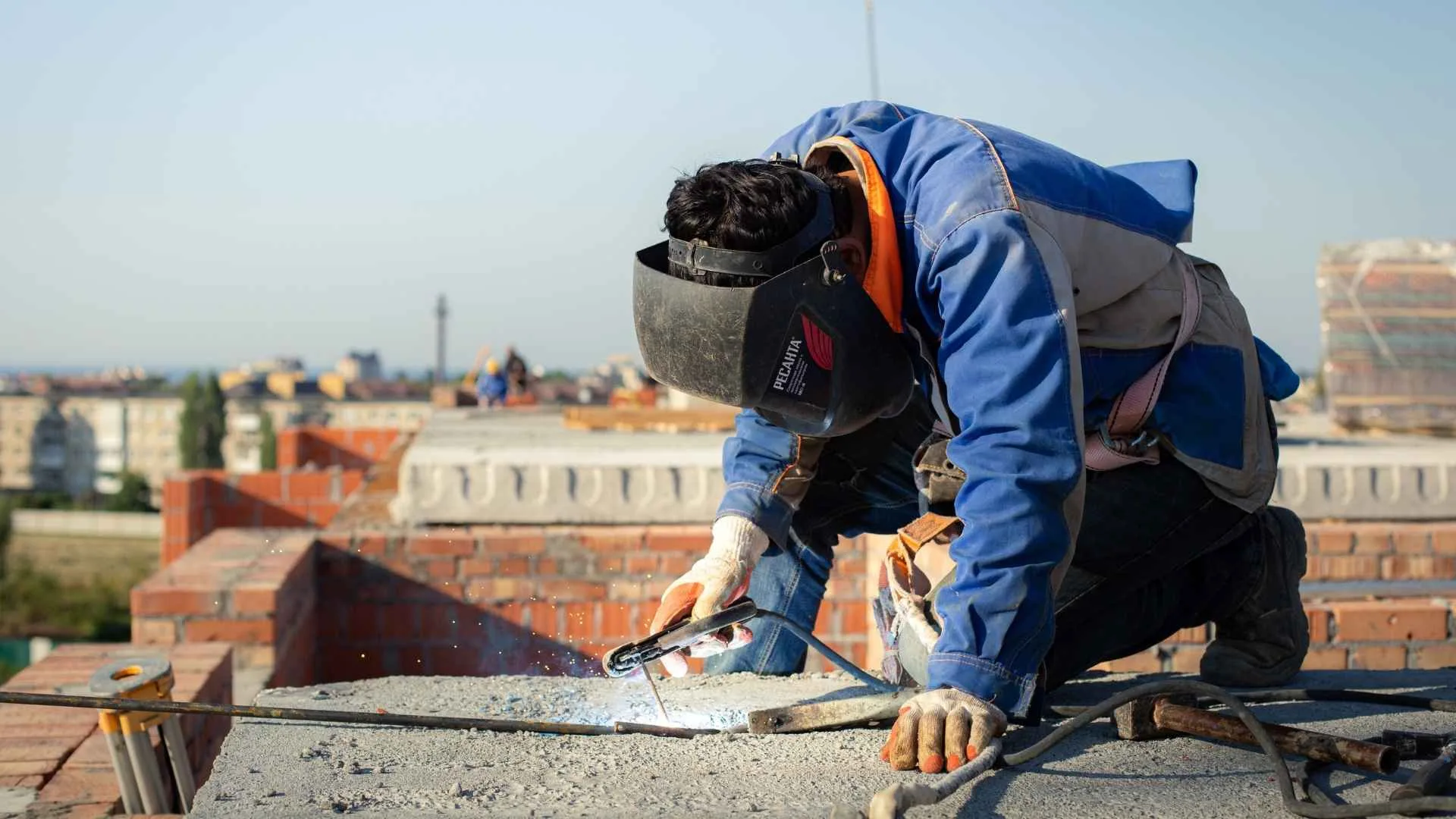
Your roof is the most important shield your business has. When it fails, everything under it is at risk. Stock, equipment, and staff all feel the damage. That is why many owners turn to experts like Sentry Roofing, a trusted Platinum Duro-Last Contractor and respected roofer manchester nh businesses can count on. The team repairs, replaces, and maintains TPO, PVC, EPDM, metal, and built-up roofing systems. They help facilities in Indiana and Illinois stay dry and protected with metal retrofits, leak repairs, and custom maintenance plans.
This guide explains how commercial and industrial roofing works. It also shows how to pick the right system and keep it healthy for years.
Why Commercial Roofing Is Different
A home roof is usually steep. A business roof is usually flat or low-slope. This changes everything about the materials and the install.
Flat roofs hold water longer. They also carry heavy loads, like HVAC units, vents, and solar panels. Foot traffic from service crews adds wear too.
Industrial buildings face even more stress. Chemicals, heat, and steam can break down weak roofing. A warehouse or plant needs a roof built for its exact use.
This is why you should hire a contractor who knows commercial work. A general roofer may not have the skills or the tools.
Common Commercial Roofing Systems
Each system has its own strengths. Here is a quick look at the main options.
TPO Roofing
TPO is a single-ply membrane. It is light, flexible, and reflects sunlight. This helps lower cooling costs in summer.
Heat-welded seams make strong, watertight bonds. TPO is also cost-friendly, so it is popular for warehouses, stores, and offices.
PVC Roofing
PVC is another single-ply option. It resists fire, chemicals, and grease very well. That makes it a top pick for restaurants and food plants.
Like TPO, it has welded seams. It also lasts a long time when it is installed and cared for properly.
EPDM Roofing
EPDM is a durable rubber membrane. It handles hail, UV rays, and big temperature swings. Many Midwest buildings use it because it stands up to harsh seasons.
It is also easy to patch. This keeps small repairs fast and low in cost.
Metal Roofing
Metal roofs are strong and long lasting. They shed snow and rain with ease. Many last 40 years or more with simple care.
Metal also fits well with a retrofit. We will cover that below.
Built-Up Roofing (BUR)
BUR has been used for over a century. It uses layers of asphalt and fabric to form a tough surface. The layers add strong protection against leaks and foot traffic.
It is a smart choice for buildings that need a proven, thick roof.
Repair, Replace, or Retrofit: What Is Right for You?
Not every roof problem needs a full tear-off. The right fix depends on age, damage, and budget.
When Repair Makes Sense
Repair works well when damage is small and local. Examples include:
- A single leak near a vent
- A torn seam
- Blistering in a small area
- Cracked flashing
Fast repairs stop water before it spreads. They also protect your insulation, which is costly to replace.
When to Replace
Sometimes a roof is past saving. Look for these signs:
- Leaks keep returning after repairs
- Large areas of wet insulation
- Membranes that are cracked, brittle, or split
- Rising energy bills
- A roof near the end of its expected life
A full replacement is a big project. But it ends the cycle of patching and gives you a fresh warranty. If you are looking for a deeper look at what this process includes, this guide on roof replacement new hampshire property owners rely on explains the steps clearly.
Why Consider a Metal Retrofit
A metal retrofit places a new metal roof over your existing one. In many cases, you skip the messy tear-off.
The benefits are clear:
- Less waste in landfills
- Less disruption to daily work
- Added insulation value
- Longer lifespan
- Lower long-term upkeep
Retrofits are a great fit for older metal buildings and low-slope roofs with leak trouble. A skilled crew will check the structure first to make sure it can handle the new load.
The Value of Regular Maintenance
Many owners ignore the roof until it leaks. That is a costly habit. Small problems grow fast, and water damage spreads quietly.
A simple maintenance plan changes this. Regular visits find issues early. Fixes stay small and cheap.
A good plan often includes:
- Scheduled inspections. Twice a year is a common rule, in spring and fall.
- Debris removal. Leaves and trash can block drains and trap water.
- Seam and flashing checks. These are common weak spots.
- Drain and gutter cleaning. Clear drains stop ponding.
- Photo reports. You see what the crew sees.
- Quick minor repairs. Small fixes happen on the spot.
Custom plans work best. Every building is different, so your plan should match your roof type, age, and use. Many insurers and warranty providers also want proof of upkeep. A written plan gives you that record.
What Makes a Good Commercial Roofing Contractor?
Choosing the right partner matters as much as choosing the right material. Here is what to look for.
Manufacturer certification. Top-tier status shows the contractor meets strict quality standards. For example, a Platinum Duro-Last Contractor has proven skill and strong installation practices. This often leads to better warranty coverage.
Experience with many systems. A pro who handles TPO, PVC, EPDM, metal, and BUR can suggest the best fit. They will not push one product for every job.
Clear communication. You should get a written scope, a fair quote, and a firm timeline.
Safety focus. Roof work is risky. A careful crew protects your staff and your property.
Local knowledge. Weather in Indiana and Illinois can swing from heavy snow to summer storms. A contractor who knows this climate builds roofs that last.
Strong references. Ask for past clients and recent projects. Real results speak louder than claims.
How Sentry Roofing Helps Midwest Businesses
Sentry Roofing is a good example of a contractor that covers the full roof life cycle. The team does not stop at install day.
They repair leaks quickly. They replace failing roofs with the right system for each building. They add metal retrofits where that is the smarter path. And they build custom maintenance plans that keep roofs strong year after year.
This full-service approach saves owners time and stress. You deal with one trusted team from the first inspection to long-term care. As a Platinum Duro-Last Contractor, Sentry also brings the training and standards that come with that top rank.
Final Thoughts
A strong roof protects your people, your products, and your profits. The right system, the right contractor, and a steady maintenance plan make all the difference.
Whether you need a quick leak repair, a metal retrofit, or a full replacement, act early. Waiting only raises the cost. Talk to an experienced commercial roofer, ask smart questions, and choose a partner who plans for the long haul.
Your building works hard every day. Give it a roof that does the same.