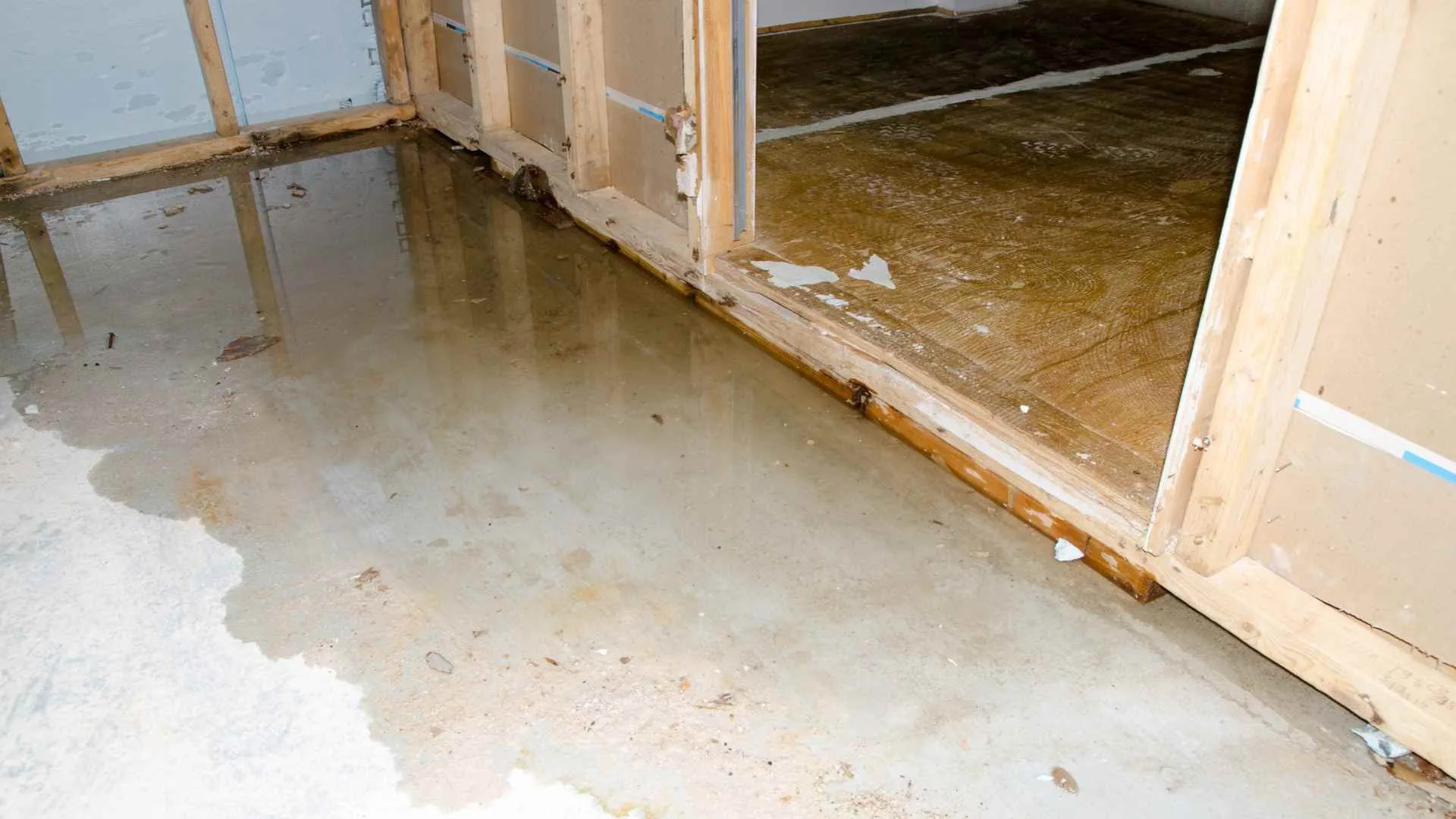
Most sewers don’t fail on a Tuesday morning while you’re drinking coffee. They clog at 11 p.m. on a holiday weekend, right after eight people used your guest bathroom. I’ve watched that exact scene play out at a neighbor’s place on our street in Willow Glen, and the cleanup bill was four figures before anyone touched a pipe.
The fix sounds obvious, but it’s the part most homeowners skip. An annual visit from a crew that does sewer cleaning in San Jose, CA, costs less than your monthly grocery run. Ignore it for five years and you’re pricing out a $12,000 lateral replacement instead. That’s the whole trade, and it’s not a close call.
Here’s what actually goes wrong underground, how to catch it early, and the quarterly routine I’d run if I owned your house.
Why San Jose Sewer Lines Fail Faster Than You’d Expect
Two things make this area rough on buried pipe. The first is our soil. Expansive clay swells when it’s wet and shrinks when it dries, and that cycle repeats every single winter. Each swing nudges the ground around your lateral line, and older clay or cast iron pipe doesn’t love being nudged.
The second is trees. A mature ficus or liquidambar doesn’t care that you laid pipe there forty years ago. Roots find the joint, slip through the gap, and start drinking. A hairline crack in July becomes a root mass the size of a basketball by the following spring. By the time you notice slow drains, the root ball has been growing for months.
Water quality matters too. Hard water leaves mineral scale inside pipes the same way it crusts your showerhead, and that buildup catches grease and paper that would otherwise slide through. The California Water Service publishes the local water profile if you want to see what’s coming out of your tap, but the short version for most homeowners is that scale is real and it accumulates.
None of this means your line is doomed. It means you’re on a clock, and you don’t get to know where the hands are pointing.
The 4 Warning Signs I’d Take Seriously
Listen for these in order of how loud they should be in your head.
- Multiple slow drains at once. One slow sink is a local clog. Three slow fixtures on the same floor means the problem is downstream in the main line.
- Gurgling after you run the washer. That’s air pushing back through a partially blocked line. It’s the cheapest warning you’ll ever get.
- A wet patch in the yard. If a strip of grass is greener and squishier than everything around it, stop watering the lawn and call someone.
- Sewer smell inside the house. A dried-out trap in a spare bathroom can cause this, so check that first. If the smell persists, it’s gas coming back up the line.
The sneaky one is a sagging pipe. If the ground settled under a section of your lateral, waste sits in that low spot instead of flowing, and no amount of drain cleaner fixes a belly in the line. A camera inspection finds it in twenty minutes. A plumber who guesses instead of looking will sell you the wrong repair, and you’ll pay for it twice.
Your Quarterly Sewer Maintenance Routine
You don’t need a plumber for all of this. You need thirty minutes four times a year. I’d put it on the same calendar reminder as the HVAC filter.
- Run hot water down every drain for two full minutes. Do it after you’ve filled the sink with a few inches of water and pulled the stopper, which creates a surge that pushes debris through.
- Use mesh strainers in every tub and shower. Hair is the single biggest contributor to residential clogs, and a strainer costs a few dollars and catches it before it binds to pipe walls.
- Skip the flushable wipes. If it doesn’t dissolve in a glass of water overnight, it doesn’t belong in the sewer, no matter what the package says.
- Watch your water bill. A steady leak in the line below your meter shows up as a jump with no change in habits. Your utility’s own billing data is your cheapest leak detector.
- Book one annual professional cleaning. Hydro jetting clears scale and grease film that home methods can’t touch, and the crew can run a camera at the same time.
That annual visit is the part that pays for itself. Municipal water systems across the country deal with the same thing at scale: according to the Environmental Protection Agency, aging and deteriorating pipes are a leading cause of water loss in distribution systems, which is why utilities spend billions on rehabilitation. Your lateral line isn’t much different, just smaller and yours alone.
What a Repair Actually Costs, and Who Pays
Here’s where people get burned, so let’s be blunt about it. The line running from your house to the main in the street is your responsibility, not the city’s. Homeowners find that out at the worst possible moment.
| Problem | Rough Cost Range | Who Handles It |
| Simple clog clear | A few hundred dollars | You, or a plumber with a drain machine |
| Hydro jetting with camera | Slightly more than a clear | Plumber |
| Spot repair on a cracked section | A few thousand dollars | Plumber, permits may apply |
| Full lateral replacement | Five figures | Plumber plus city inspection |
Those ranges move with yard access, depth, and whether your landscaping has to come out. A line under a driveway costs more to reach than one under open dirt. This is why I push the annual cleaning so hard. You’re not paying to fix anything, you’re paying to keep the cheap option on the table.
If you’re handy with a shovel and you know where your cleanout sits, one more trick is worth your time. Mark the cleanout with a flat paver or a painted stake so you can find it in the dark. When a crew shows up at 10 p.m., the job goes faster and you pay less for labor. Small thing, real money.
A Note on Older Neighborhoods
Much of San Jose was built out between the 1950s and 1970s, and a lot of that housing stock still runs the original clay pipe. Clay is brittle. It cracks when soil shifts and it doesn’t flex. If your home was built before about 1980 and you’ve never had the line scoped, you’re running on borrowed time whether or not you feel lucky.
Sellers should get a camera inspection before listing. Buyers should ask for the footage, not just the report. It’s the one part of a home purchase where a twenty minute video tells you more than a forty page disclosure packet.
One more framing that stuck with me, from a civil engineering lecture note I read years ago on infrastructure upkeep: maintenance is just the bill you choose to pay early. The California State University system publishes open educational resources on civil and environmental engineering if you want to go deeper on how buried infrastructure ages, but the practical takeaway fits on a sticky note. Pay a little on schedule, or pay a lot when it’s too late to plan.
The Bottom Line for Your House
Your sewer line is the one home system that gives you warnings and then stops giving them. Slow drains, gurgles, a soggy patch of lawn, that faint smell in the hallway. Those aren’t quirks. They’re a countdown.
Book the annual cleaning. Put the quarterly routine on your calendar. Mark your cleanout so nobody digs in the wrong spot at midnight. Do those three things and you’ll probably never meet your lateral line’s replacement cost, which is exactly the outcome you want.
And if you’re putting it off right now because the drains have been running fine for years, ask yourself when you last actually looked.