
Most homeowners don’t skip maintenance on purpose. Life gets busy, nothing looks obviously broken, and the to-do list keeps moving. Then the furnace dies in February or the basement floods after a week of rain, and suddenly the bill is brutal. This guide covers what actually needs attention and when, without the fluff.
How Smart Owners Actually Stay Ahead
Professionals who manage multiple properties don’t rely on memory. They use systems. Many contractors and service businesses now run on dedicated handyman software solutions — scheduling recurring jobs, tracking what was done and when, sending reminders before seasons change.
That logic works at home too. A basic recurring checklist, even just notes on your phone, saves you from the emergency call on a February night when the furnace dies.
Winter Checks: Start With What’s Hiding
Ice dams on the roof are a classic example of fixing the wrong thing. People go after the icicles. The actual problem is attic insulation letting heat escape and melting the snow above. Fix the insulation, the icicles stop coming back.
Water heaters tend to get ignored until they fail. Flushing the tank once a year — after the sixth year especially — clears sediment and genuinely extends the life of the unit. Worth the twenty minutes.
Furnace filters are the easiest thing to forget and one of the more costly oversights. A clogged filter doesn’t just reduce air quality, it makes the whole system work harder. Swap them out every couple of months, more often with pets in the house.
While it’s cold out — test the smoke detectors, check the weatherstripping on exterior doors, take a look at attic ventilation. Moisture builds up faster than most people expect.
Spring: Go Outside and Actually Look
The first warm week of spring is the right time to walk around the outside of the house. Not a quick glance — a real look.
Foundation cracks are worth understanding. Horizontal ones, or anything notably wide, aren’t a DIY patch job. Vertical hairline cracks in poured concrete are usually just settling — keep an eye on them. What matters more is how the ground sits around the house. Water should slope away from the foundation. When it doesn’t, it finds its way in, slowly and then suddenly.
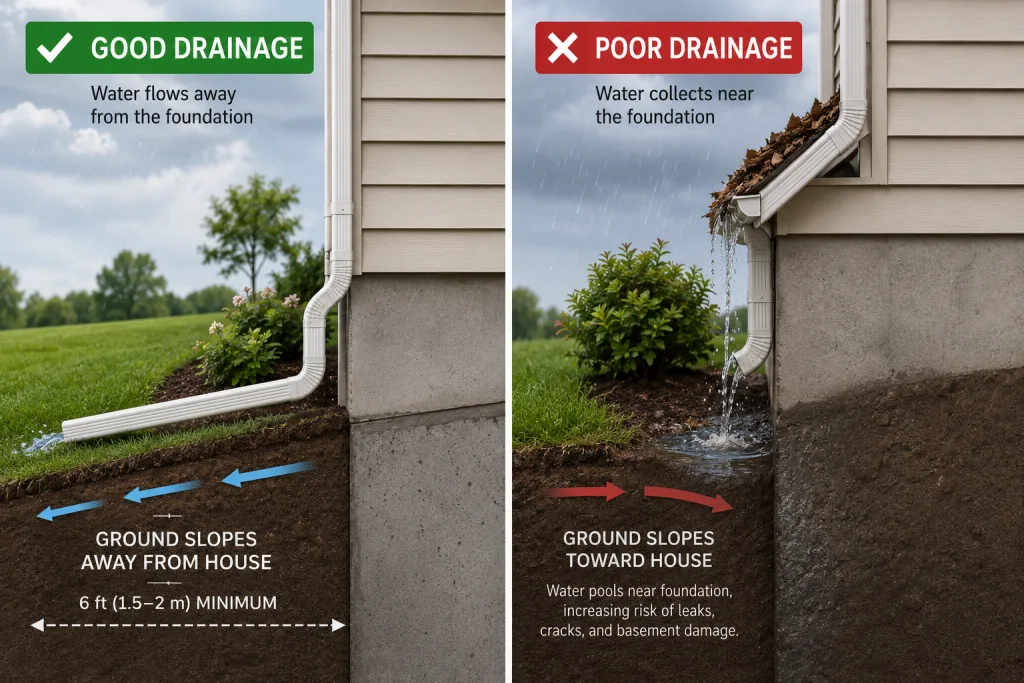
Gutters full of decomposed leaves from last fall are heavy. That weight pulls the hardware away from the fascia over time. Clean them out. While doing it, check that downspouts actually direct water away from the house, not straight down alongside it.
Caulking around windows and doors is the kind of thing that looks fine until it isn’t. Run a hand along the frames. Crumbling or gapped caulk lets moisture in behind the trim, and rot from that takes far more than an afternoon to fix.
Summer Jobs That Usually Wait Too Long
The central air unit needs a proper service call before the heat peaks — not during it. Coils, refrigerant levels, the condensate drain. In most places, HVAC companies are booked out weeks in advance once temperatures actually climb. Scheduling in May avoids that entirely.
Wood decks and porches deserve a closer look than they usually get. A screwdriver pushed into the ledger board or post bases tells the story quickly. If it sinks in easily, there’s rot. A soft ledger board isn’t cosmetic — it’s the connection between the deck and the house, and it matters structurally.
Garage doors get used constantly and almost never maintained. Lubricating the rollers and springs takes ten minutes. The auto-reverse safety test takes less: lay a piece of scrap wood flat under the door. It should reverse immediately on contact. If it doesn’t, that’s worth fixing before assuming it’s fine.
Fall: The Season Where Timing Matters Most
Outdoor hose bibs need to be drained before the first frost. This one gets forgotten more than almost anything. A frozen pipe inside a wall isn’t obvious until water starts showing up somewhere it shouldn’t.
Wood-burning fireplaces need annual cleaning — creosote buildup is the reason. It accumulates with every fire and becomes a hazard before most people realise it’s there. A sweep once a year is cheap compared to what happens when it ignites.
Sump pumps sit dormant all summer and sometimes just stop working. Pour a bucket of water into the pit in September, confirm the float kicks the motor on. A failed sump pump in November is a bad discovery.
Ceiling fans have a small switch on the motor that reverses the blade direction. Clockwise on low in winter pushes the warm air that collects near the ceiling back down into the room. Most people don’t know it’s there. In any room with high ceilings, it makes a real difference.
Appliances: The Maintenance Nobody Schedules
Refrigerator coils — usually behind a grille at the bottom or at the back — collect dust and pet hair and cause the compressor to work harder than it should. Once a year with a vacuum fixes that.
Washing machine hoses crack over time, and when rubber hoses fail, they tend to fail completely rather than slowly. Braided stainless replacements are a small upgrade that eliminates a surprisingly common source of water damage.
Dryer vents accumulate lint past the trap, inside the duct itself. It’s a fire hazard, and a genuinely underappreciated one. If a dryer is taking noticeably longer than usual to finish a cycle, the duct is already overdue for cleaning.
For anyone managing rental units or multiple properties, keeping appliance service history organised is its own challenge. Some landlords and property managers use appliance repair software to track repair dates, warranties, and service notes by unit — the kind of record that saves time during turnovers and disputes.
Older Homes: What’s Worth Knowing
Houses built before 1978 commonly have lead paint under newer coats. Left alone, it’s generally not an urgent problem. Sanding or demoing those surfaces without testing first is a different situation, particularly with children living in the house.
Asbestos turned up in a lot of building materials through the 1970s — floor tiles, pipe wrap, ceiling texture, roofing. The standing advice is to leave undisturbed material alone and test before any significant demo work in a pre-1980 home.
Electrical panels from that era are worth a second look. Certain panel brands from the 1960s and 70s have well-documented reliability issues. If the house still has the original panel, an electrician’s assessment is a reasonable step.
The Actual Point of All This
Maintenance doesn’t save money in a dramatic, obvious way. It saves money quietly — by preventing the expensive version of a cheap problem. The caulk job that stops rot. The sweep that stops a chimney fire. The filter change that keeps a furnace running another few years.
Keeping a simple log of what was done and when takes almost no effort. A note on the phone, a folder of receipts. That record matters when selling and matters more before then.
Pick one season’s tasks. Do them. The rest gets easier from there.