Roofing systems are constantly exposed to changing weather conditions throughout the year, but extreme summer heat can place especially high levels of stress on roofing materials, which is why many homeowners turn to leesburg roofing companies for inspections and preventative maintenance during peak temperature seasons.
While many homeowners notice obvious storm damage or leaks, fewer realize that daily temperature fluctuations alone can slowly degrade a roof’s condition over time, according to Comanche Roofing in Austin. One of the most important factors behind this wear and tear is thermal expansion and contraction. As temperatures rise, roofing materials naturally expand. When temperatures cool down at night, those same materials contract.
This repeated movement may seem minor, but over months and years, it can contribute to cracks, weakened seals, loose materials, and other roofing issues. Understanding how roofing materials respond to extreme heat can help homeowners recognize early warning signs and better protect their roof’s lifespan.
Why Roofing Materials Expand and Contract
Nearly all building materials react to temperature changes. Heat causes materials to expand, while cooler temperatures cause them to shrink or contract, which is why homeowners sometimes eventually require emergency roof repairs Bowie MD when long-term heat stress leads to sudden damage or unexpected roofing failures.
Roofs are especially vulnerable because they receive direct sunlight for hours each day. During the summer, roof surfaces can become significantly hotter than the outdoor air temperature. Dark-colored roofing materials tend to absorb even more heat, further increasing surface temperatures.
As roofing materials repeatedly heat up and cool down, they experience constant movement. Over time, this cycle can gradually weaken different parts of the roofing system.
How Extreme Heat Affects Different Roofing Materials
Not all roofing materials react to heat in the same way. Some are more flexible, while others become brittle or stressed after prolonged exposure.
Asphalt Shingles
Asphalt shingles are one of the most widely used roofing materials for residential homes. In extreme heat, shingles can soften and expand. Over time, repeated expansion and contraction may lead to:
- Cracking
- Curling edges
- Granule loss
- Premature aging
As shingles weaken, they become less effective at protecting the roof from moisture and UV exposure.
Metal Roofing
Metal roofs naturally expand when exposed to high temperatures. Because metal is highly responsive to thermal movement, fasteners and seams may gradually loosen if the roof was not installed with proper expansion allowances.
This movement can sometimes create gaps or stress points that affect the roof’s performance over time.
Tile and Slate Roofs
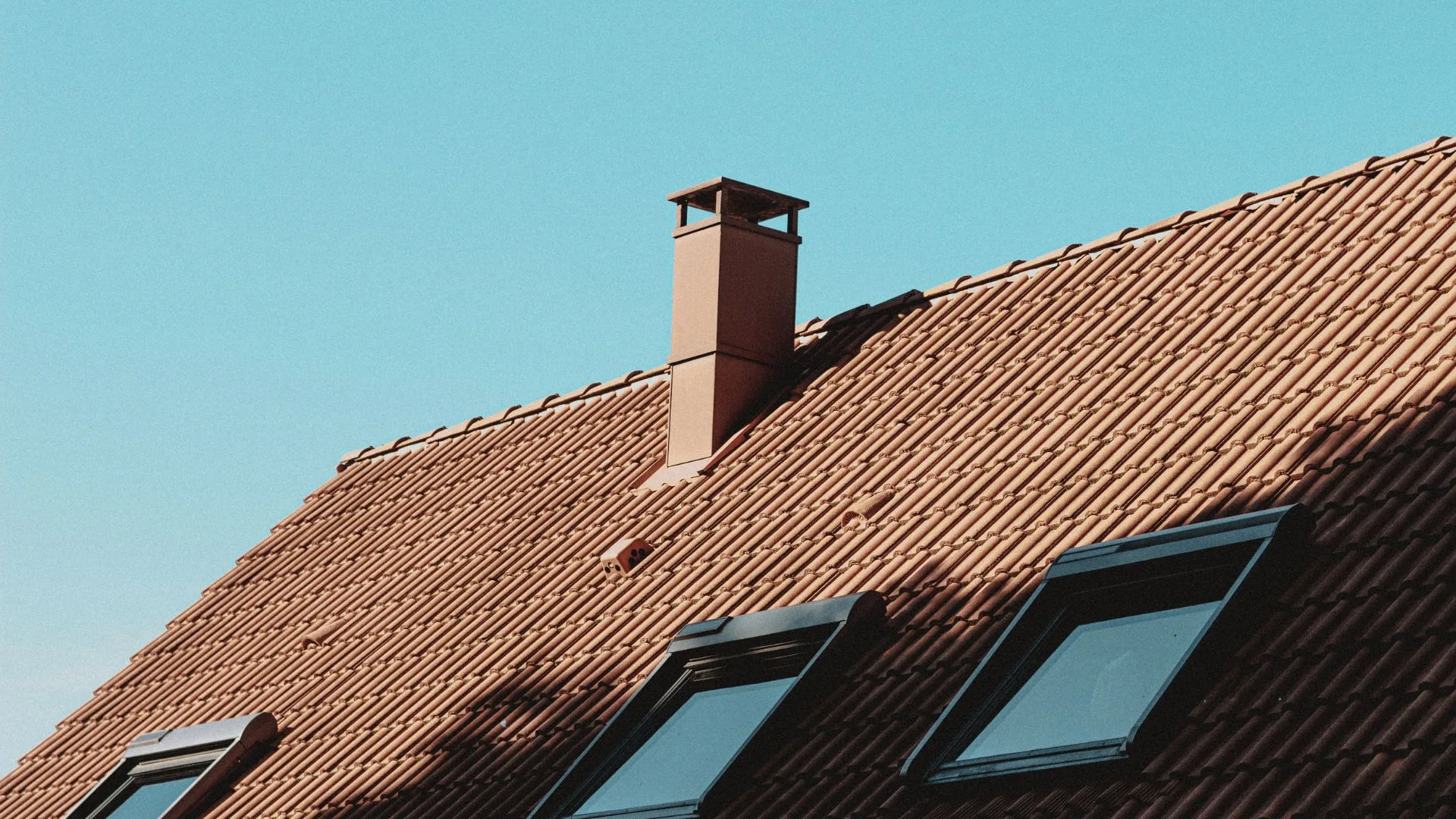
Tile and slate materials are durable but may still experience stress from repeated temperature changes. Expansion and contraction can place pressure on underlayment materials or cause tiles to shift slightly over time.
Flat Roofing Systems
Flat roofs often absorb large amounts of heat because of their extensive exposure to the sun. Materials used in flat roofing systems may blister, crack, or separate as they repeatedly expand and contract in hot weather.
The Long-Term Impact of Thermal Movement on Roofs
The effects of heat-related expansion and contraction are usually gradual rather than immediate. However, small problems can worsen over time if left unaddressed.
Weakening of Roofing Seals
Roofing systems rely on sealants and adhesives around flashing, vents, skylights, and joints. Extreme heat can dry out or weaken these materials, reducing their ability to keep water out.
As seals deteriorate, the risk of leaks increases.
Loosening of Fasteners
Nails, screws, and fasteners may slowly loosen as roofing materials shift repeatedly during temperature changes. Even small amounts of movement can eventually affect roof stability.
Surface Cracking and Material Fatigue
Constant expansion and contraction place stress on roofing materials, especially older roofs. Over time, this may cause cracking, splitting, or brittleness.
Increased Risk of Water Damage
Once roofing materials become compromised, moisture can begin entering beneath the roof surface. This may lead to mold growth, insulation damage, or wood rot within the home’s structure.
Why Summer Heat Can Accelerate Roof Aging
High temperatures and UV exposure naturally accelerate the aging of roofing materials. Roofs exposed to prolonged extreme heat often experience wear more quickly than roofs in milder climates.
UV Rays Break Down Roofing Materials
Sunlight contains ultraviolet radiation, which gradually degrades many roofing materials. Over time, UV exposure may weaken shingles, dry out sealants, and fade protective coatings.
Heat Causes Moisture Loss
Some roofing materials lose flexibility as heat removes moisture and oils from their surface. This can make materials more brittle and prone to cracking.
Repeated Stress Builds Over Time
Daily heating and cooling cycles create ongoing physical stress. Even if the movement is small, years of expansion and contraction can shorten a roof’s overall lifespan.
Common Warning Signs of Heat-Related Roof Damage
Homeowners may not immediately notice thermal damage, but there are several warning signs that indicate roofing materials are under stress.
- Curling or Warped Shingles
- Shingles that begin to lift, curl, or warp may be reacting to prolonged heat exposure.
- Cracked Flashing or Sealants
- Visible cracks around vents, chimneys, or roof joints can indicate that sealants are drying out or failing.
- Loose Roofing Materials
- Shingles, panels, or tiles that appear loose may be affected by repeated thermal movement.
- Interior Water Stains
- Ceiling stains or attic moisture may indicate that heat-related roof damage has allowed water to infiltrate.
- Excessive Granule Loss
- Asphalt shingles naturally shed some granules over time, but excessive loss may indicate accelerated aging from heat and UV exposure.
How Ventilation Helps Reduce Heat Stress on Roofs
Proper attic ventilation plays a major role in reducing heat buildup beneath the roof surface. Without ventilation, trapped heat can further increase roof temperatures.
- Ventilation Supports Temperature Regulation
- Roof vents help hot air escape from the attic, reducing excess heat buildup and minimizing stress on roofing materials.
- Reduced Moisture Accumulation
- Ventilation also helps control moisture levels inside the attic, which can prevent additional structural problems.
- Improved Energy Efficiency
- A cooler attic may also reduce strain on air conditioning systems during the summer months.
Preventive Maintenance Can Extend Roof Lifespan
Routine roof maintenance is one of the best ways to minimize the effects of expansion and contraction caused by extreme heat.
- Schedule Regular Roof Inspections
- Professional inspections can help identify small problems before they become major repairs.
- Address Minor Damage Early
- Replacing damaged shingles, repairing flashing, and resealing vulnerable areas can prevent larger issues later.
- Keep Gutters Clean
- Proper drainage helps prevent moisture buildup that could worsen roofing damage.
- Monitor Attic Ventilation
- Ensuring the attic is properly ventilated can reduce heat-related stress on roofing materials.
Final Thoughts
Extreme heat affects roofing systems more than many homeowners realize. As roofing materials expand during hot temperatures and contract as they cool, repeated movement gradually places stress on the entire roof structure.
Over time, this natural process can contribute to cracks, weakened seals, loose materials, and premature aging of the roof. While these changes may happen slowly, ignoring them can eventually lead to leaks and costly repairs.
Understanding how heat affects roofing materials helps homeowners recognize early warning signs and take proactive steps to protect their roof’s longevity. With proper maintenance, adequate ventilation, and regular inspections, roofs are better equipped to withstand the challenges posed by extreme summer temperatures.