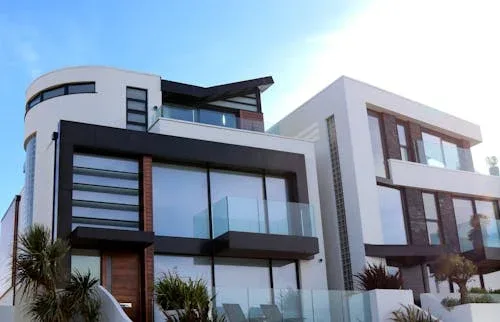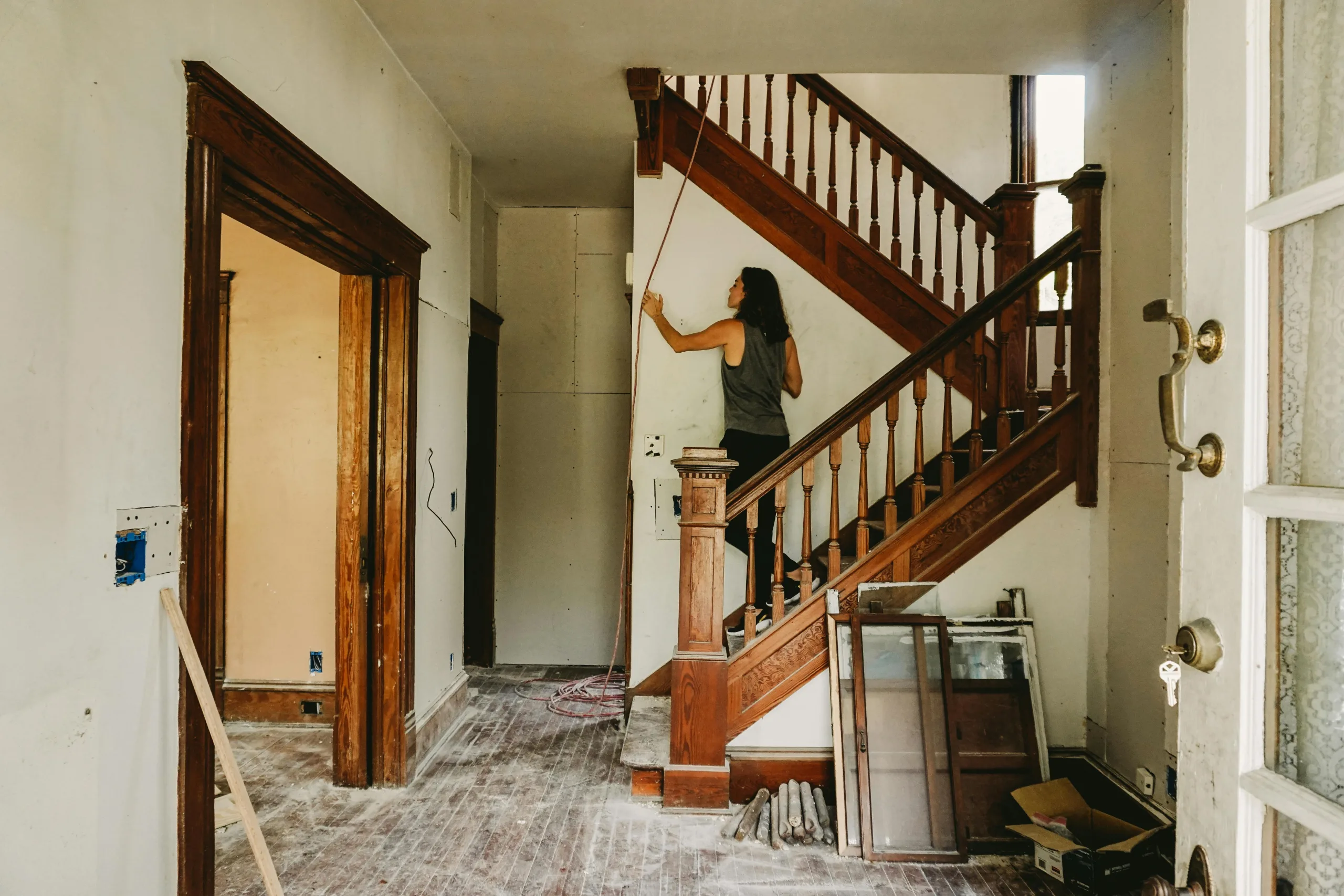
Many buyers fall in love with the idea of Spot a Fixer-upper before fully understanding what they are taking on. The result is often a house that costs far more to fix than expected, both financially and emotionally. What looks like an opportunity can quickly turn into a long list of repairs, delays, and regret.
Spot a Fixer-upper with real potential is not just about what you can change. It is about what already works and what can realistically be improved without draining time or money. The goal is not to find a perfect house, but to spot one that allows smart upgrades and steady value growth. Knowing how to evaluate a property before you buy can save you from expensive mistakes and help you choose a home that truly makes sense as an investment.
Location always comes first
No amount of renovation can fix a poor location. Before looking at the house itself, step back and study where it sits. Look at the neighborhood, the street, and what surrounds it. Check how close it is to schools, shops, public transport, and parks. These details affect future demand and resale value more than finishes or fixtures.
Well-kept homes, active local businesses, and new construction often signal stability. A solid location gives a Spot a Fixer-upper room to gain value once improvements are made.
Major systems reveal true costs
Big systems often decide whether Spot a Fixer-upper makes sense. Plumbing, electrical wiring, heating, cooling, and the roof all deserve careful review. Older systems do not always need immediate replacement, but their condition affects budgeting.
Ask about age, maintenance history, and past repairs. Replacing multiple systems at once can overwhelm even a strong renovation plan. Buyers also need to think about long-term costs, including how monthly expenses shift with mortgage rates, since higher payments leave less room for large repairs.
Solid structure matters more than looks
Cosmetic problems often scare buyers, but they are usually the easiest to fix. Old carpets, outdated kitchens, and chipped paint create opportunity if the structure is sound. Focus on the foundation, walls, roof shape, and overall build quality. Cracks, uneven floors, or signs of past water damage deserve close attention.
A house with good bones gives you flexibility. You can update finishes over time, but structural repairs tend to be costly and complex. When in doubt, get a professional inspection early. It helps confirm whether the home offers real potential or hidden risk.
Floor plans can limit value
A house may have plenty of space, but layout matters more than square footage. Walk through the home and think about how rooms connect. Awkward layouts, tiny kitchens, or poor natural light can be hard to fix without major changes.
Look for simple ways a layout could improve. Open sight lines, flexible rooms, and space for storage all add value. A good layout allows updates without heavy construction. If changing the flow requires removing major walls or moving plumbing, costs rise quickly.
Renovations that actually add resale value
Not all upgrades deliver the same return. Spot a Fixer-upper with real potential benefits most from improvements that buyers expect, not from personal design choices. Kitchens and bathrooms tend to matter most because they signal how well a home has been maintained. Clean finishes, functional layouts, and modern fixtures usually attract more interest than bold styles.
Focus on updates that improve use and durability. Replacing worn flooring, improving lighting, and updating old appliances often make a stronger impact than custom details. Storage also adds value, especially in older homes that lack closets or pantry space. The goal is to make the home feel easy to live in, not overly unique.
Running the numbers before emotions take over
Spot a Fixer-upper can feel exciting, but numbers should guide the decision. Start with a realistic estimate of renovation costs, including materials, labor, and a buffer for surprises. Older homes often hide issues behind walls, so planning for extra expenses helps avoid stress later.
Next, compare the total cost of the home after repairs to similar homes in the area. This step helps you see whether the project leaves room for profit or equity growth. Holding costs like insurance, taxes, and utilities also matter, especially if renovations take longer than expected. Clear math protects you from decisions driven by optimism alone.
Permits and rules that shape your plans
Local rules can limit what you can change, even if a renovation seems simple. Permits often apply to electrical work, plumbing changes, additions, and structural updates. Skipping permits can create problems during resale or inspections.
Zoning laws and homeowner associations may also restrict renovations. Some areas limit additions, rental use, or exterior changes. Before buying, confirm that your plans fit local rules. Spot a Fixer-upper only has real potential if you are allowed to make the improvements you expect.
Time and disruption often cost more than expected
Renovations rarely move as fast as planned. Delays can come from supply issues, contractor schedules, or permit approvals. Living in a home during construction also takes a toll. Noise, dust, and limited access to rooms affect daily life more than many buyers expect.
Time also carries financial weight. Longer projects mean higher carrying costs and less flexibility. Buyers who plan renovations in phases often manage stress better, but this approach requires patience and clear priorities. Understanding the time commitment helps set realistic expectations from the start.
Spot a Fixer-upper with real potential is not defined by how cheap it looks or by the amount of work it needs. It is defined by balance. A strong location, a solid structure, practical renovation plans, and clear financial limits all need to work together to support long-term value. When one of these elements is missing, the risk increases quickly. Approaching a fixer-upper with patience and discipline helps turn uncertainty into opportunity.
Buyers who focus on fundamentals instead of excitement tend to make decisions that hold up over time. The right fixer-upper should feel challenging but manageable, allowing steady progress without constant setbacks.