Sustainable Interior Design: Feel The Difference

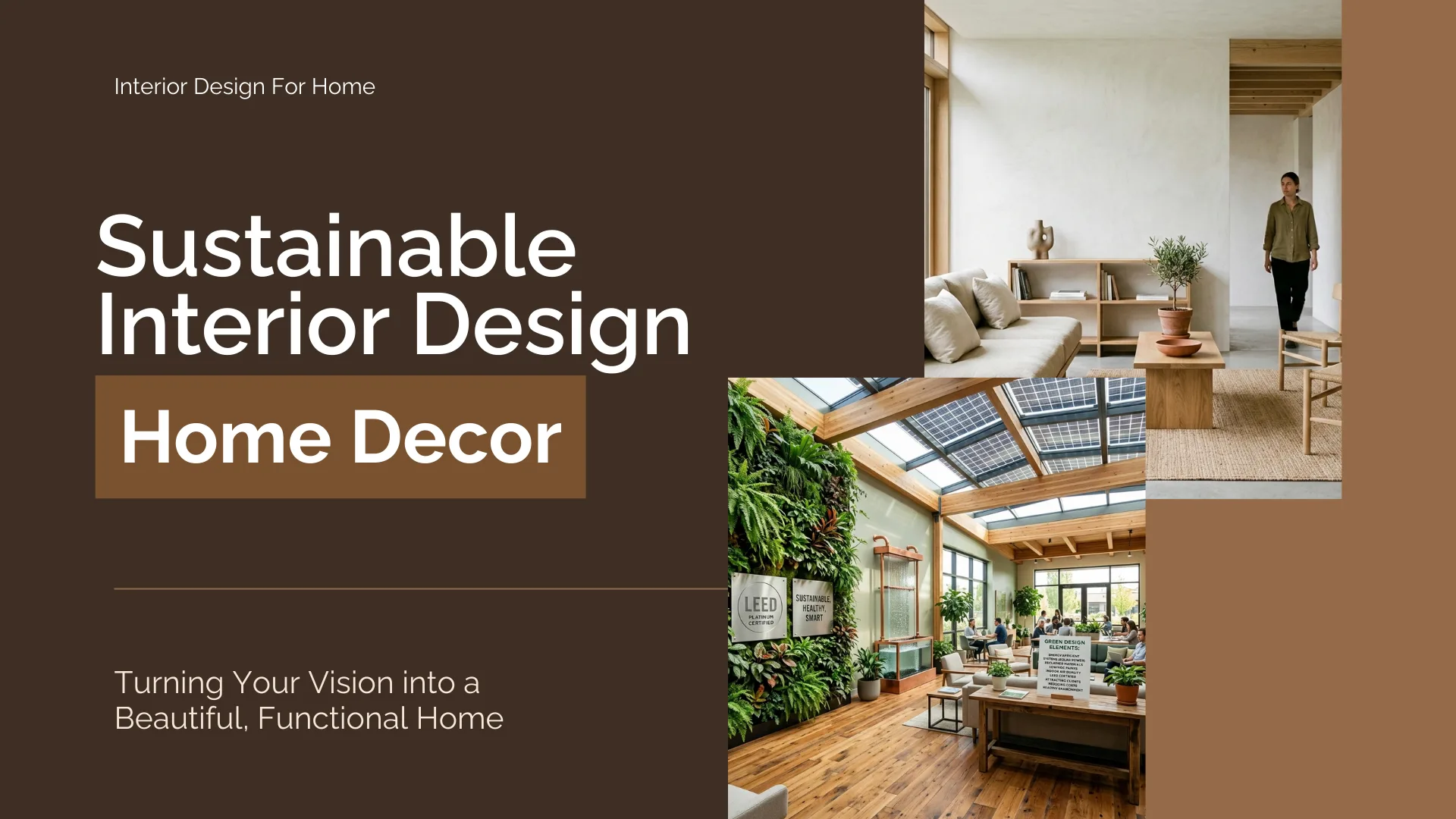
Whether it’s a café that makes you want to linger for hours, an office that actually energizes you, or a retail store that turns browsing into an adventure, great sustainable interior design has a way of working its magic without you even realizing it.
And here’s the thing: it’s not reserved for billion-dollar brands. With the right ideas and approach, any business can create a space that wows clients, inspires teams, and tells a story worth listening to. Whether you’re starting from scratch or refreshing an existing layout, resources like Rivon Home can help you explore styles and find the right direction. Ready to get inspired? Here are 16 of the most exciting and practical sustainable interior design ideas out there today.
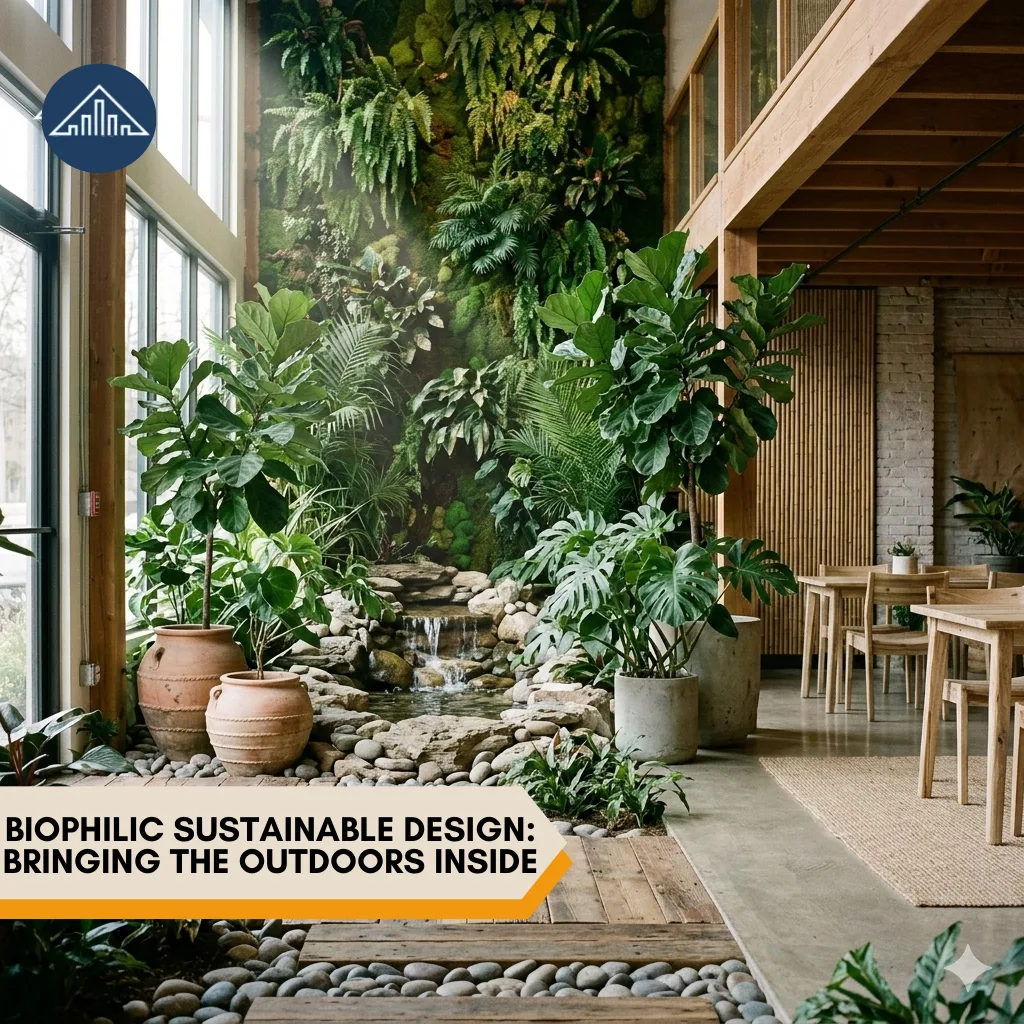
1. Biophilic Sustainable Design: Bringing the Outdoors Inside
Who said offices have to feel sterile? Biophilic sustainable design integrates natural elements — living walls, indoor plants, water features, and natural materials like wood and stone — directly into commercial spaces.
This approach isn’t just beautiful; it’s scientifically proven to reduce stress, boost creativity, and improve employee well-being. Retailers and restaurants are also embracing this trend, using greenery to create immersive, Instagram-worthy environments that keep customers coming back for more.
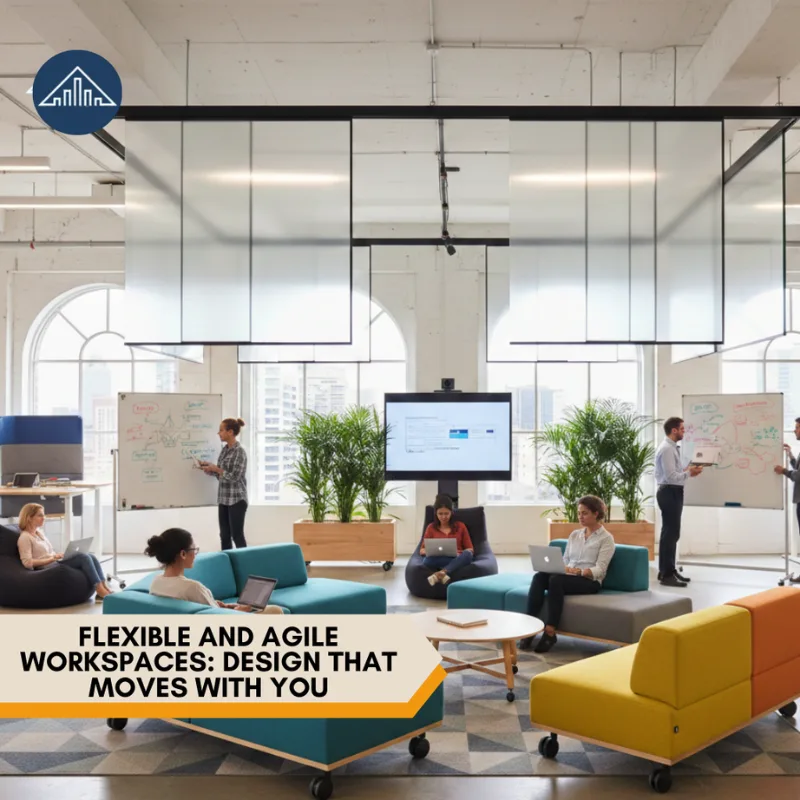
2. Flexible and Agile Sustainable Interior Design: Design That Moves With You
Gone are the days of fixed cubicles and rigid floor plans. Modern sustainable interior design is all about adaptability — think movable walls, modular furniture, and multipurpose zones that can shift from a morning team meeting to an afternoon brainstorming session without missing a beat.
Flexible workspaces empower employees to choose how and where they work, driving both productivity and satisfaction. Businesses that invest in agile design find themselves better equipped to scale, pivot, and evolve as their needs change.
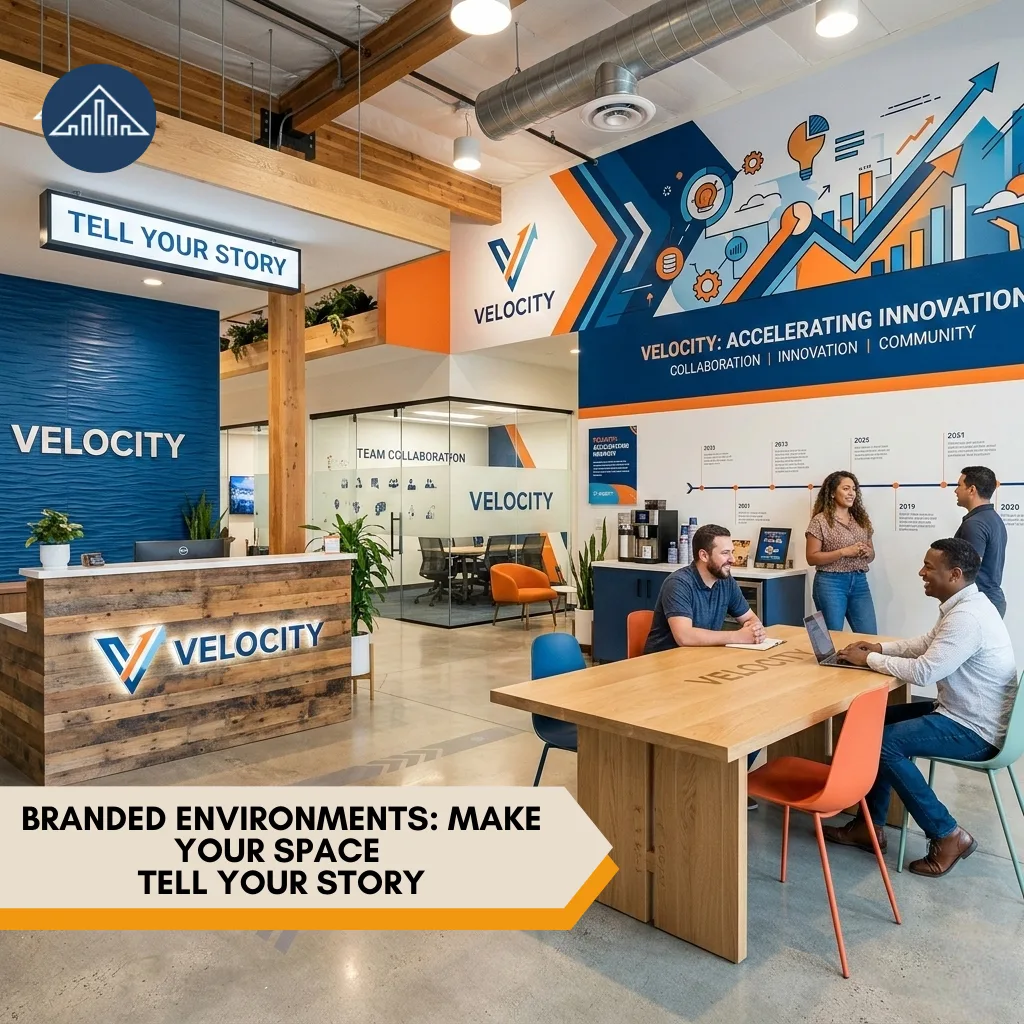
3. Branded Sustainable Environments: Make Your Space Tell Your Story
Your commercial space is one of the most powerful branding tools you have. Branded sustainable environments weave your company’s colors, logo, values, and personality into every design detail — from custom murals and accent walls to branded furniture and signage.
When clients or customers walk through your door, they should immediately feel your brand’s energy. This isn’t just about looking good; it’s about creating emotional connections that turn first-time visitors into loyal advocates who remember exactly who you are.
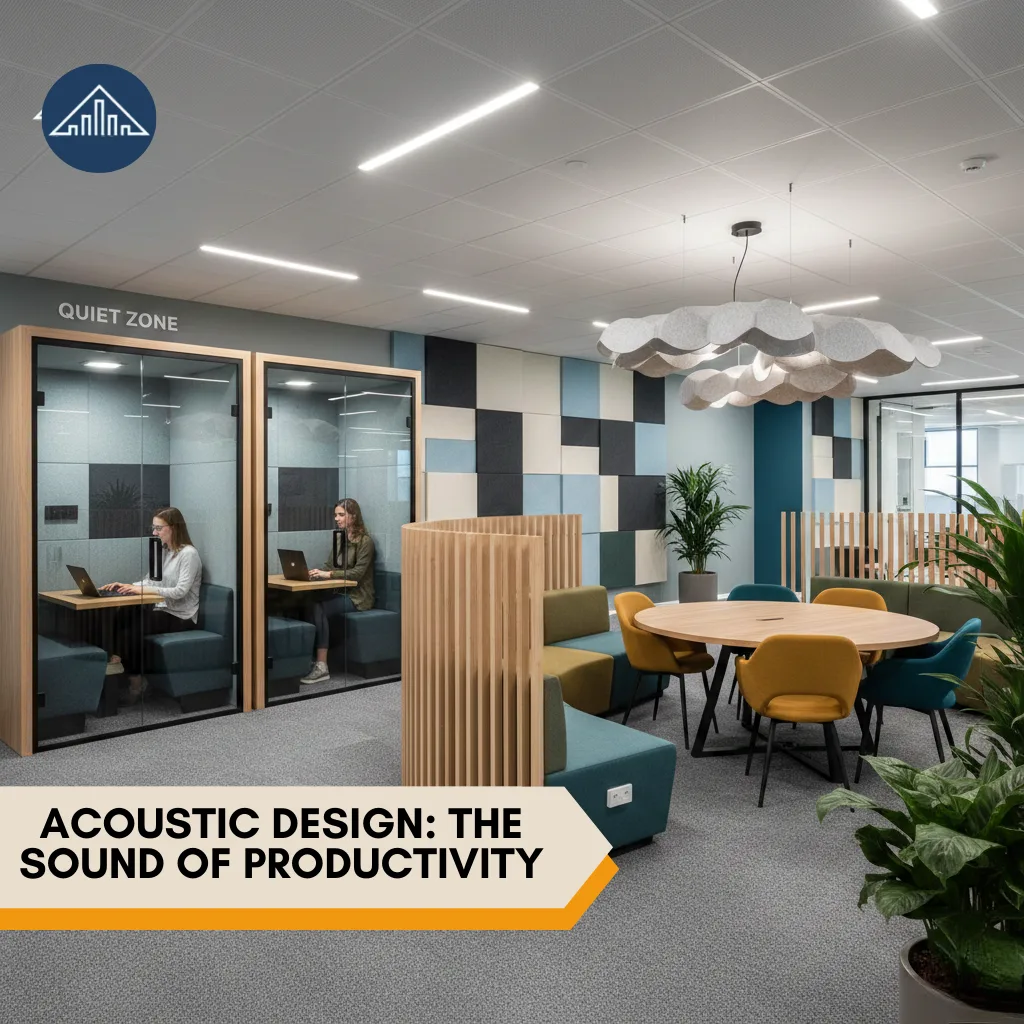
4. Acoustic Sustainable Design: The Sound of Productivity
Noise is one of the biggest workplace complaints, yet acoustic design is often an afterthought. Smart sustainable interior design uses sound-absorbing panels, strategic furniture placement, carpeted zones, and architectural baffles to control noise levels and create comfortable, focused environments.
Open offices benefit enormously from dedicated quiet zones balanced with collaborative hubs. Restaurants use acoustic engineering to create the perfect ambiance — lively enough to feel vibrant, but comfortable enough for conversation. Good acoustic design is truly invisible until you notice how much better you feel.
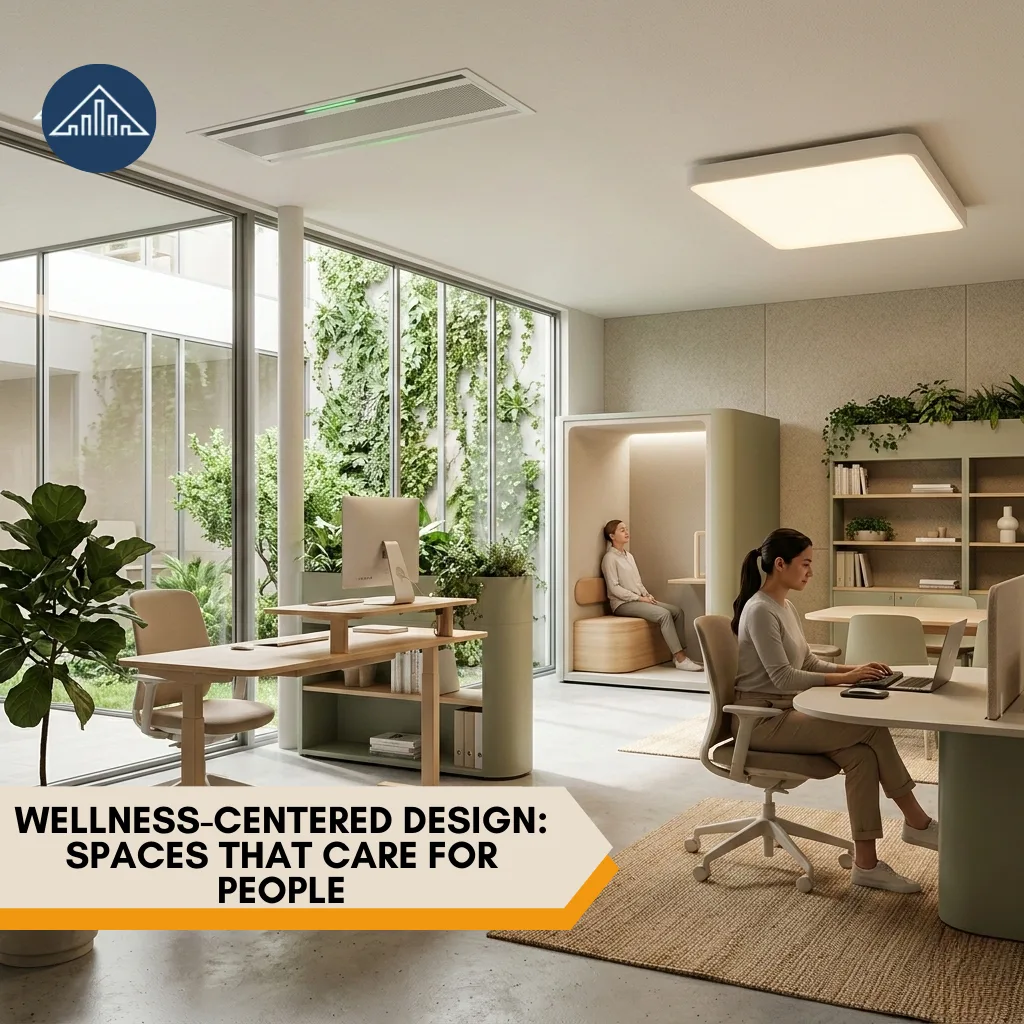
5. Wellness-Centered Sustainable Design: Spaces That Care for People
Wellness sustainable design goes far beyond adding a yoga room. It’s a holistic philosophy that considers air quality, natural light, ergonomic furniture, circadian lighting systems, and even the colors on the walls to support the physical and mental health of everyone who uses the space.
Commercial spaces with strong wellness design attract top talent, reduce absenteeism, and improve overall performance. From standing desks and meditation pods to air purification systems and daylight simulation, every design choice becomes an investment in people’s long-term health.
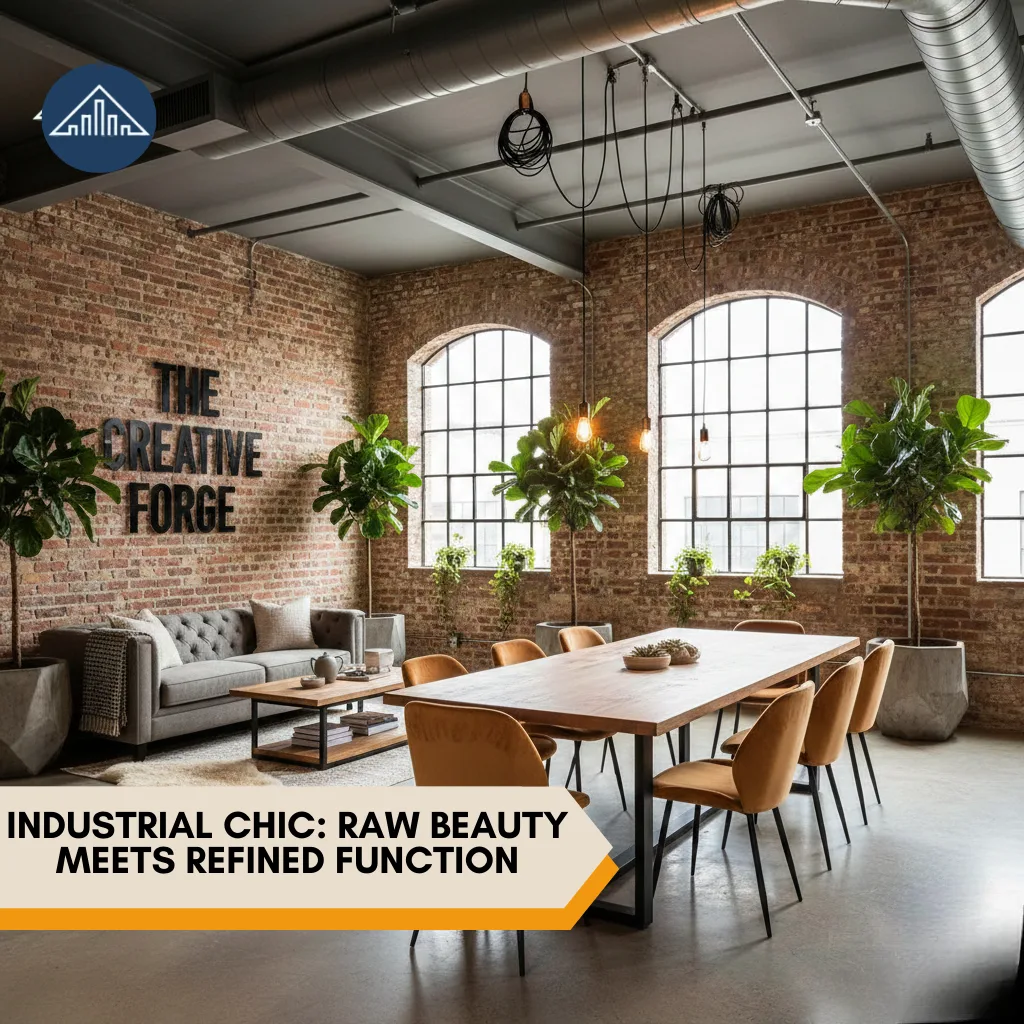
6. Sustainable Industrial Chic: Raw Beauty Meets Refined Function
Sustainable industrial design takes what many see as flaws — exposed brick, concrete floors, steel beams, visible ductwork — and transforms them into compelling design features. This aesthetic works brilliantly in retail stores, restaurants, co-working spaces, and creative agencies looking to project an edgy, authentic, no-frills personality.
The key to nailing sustainable industrial chic is balance: pair raw materials with warm lighting, plush textiles, and carefully chosen greenery to soften the space and make it feel intentional rather than unfinished.
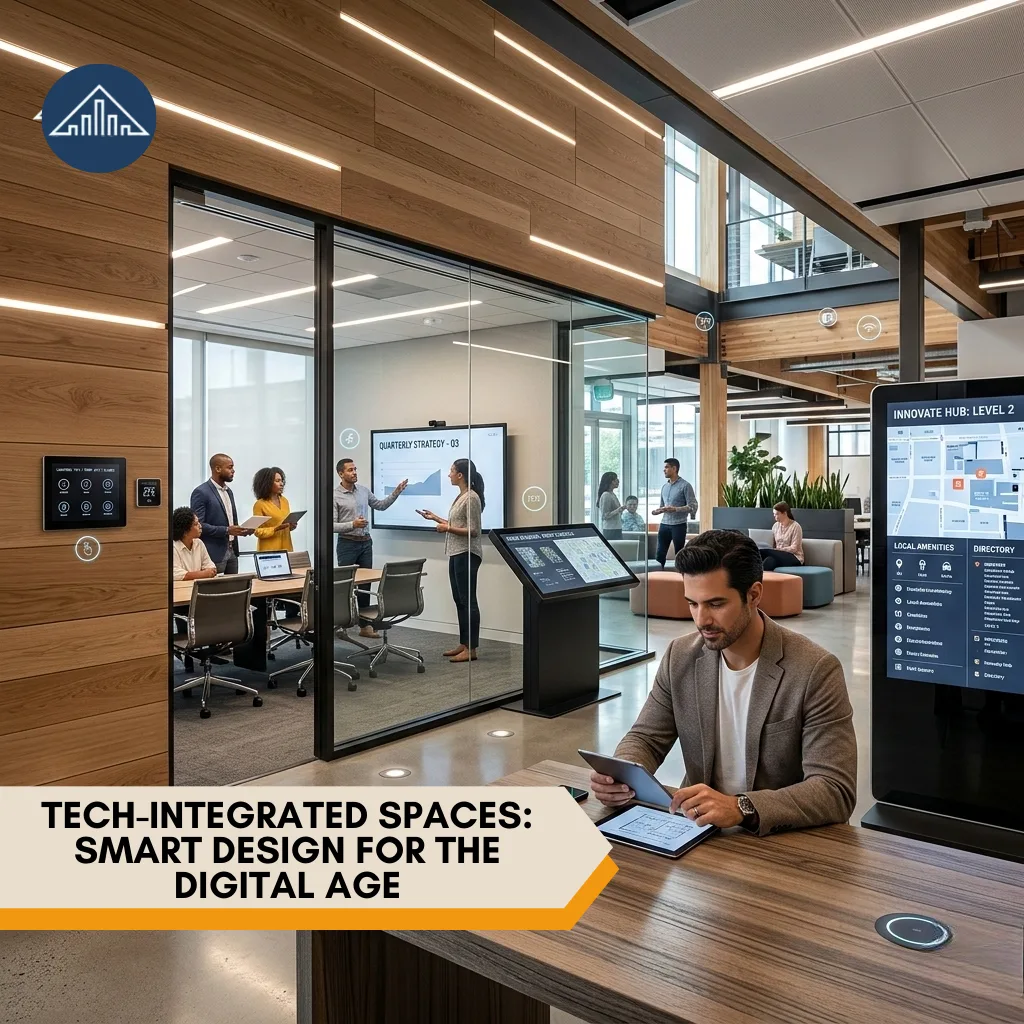
7. Tech-Integrated Sustainable Design: Smart Design for the Digital Age
Technology is no longer just plugged into a commercial space — it’s woven into the very fabric of sustainable interior design. Smart commercial interiors seamlessly integrate touchscreen controls, IoT sensors, automated lighting and climate systems, digital wayfinding, and wireless charging surfaces into the architecture.
Meeting rooms with one-touch presentation setups, retail stores with interactive displays, and hotels with app-controlled room environments all demonstrate how thoughtful tech integration creates a frictionless, modern experience that clients and customers genuinely appreciate.
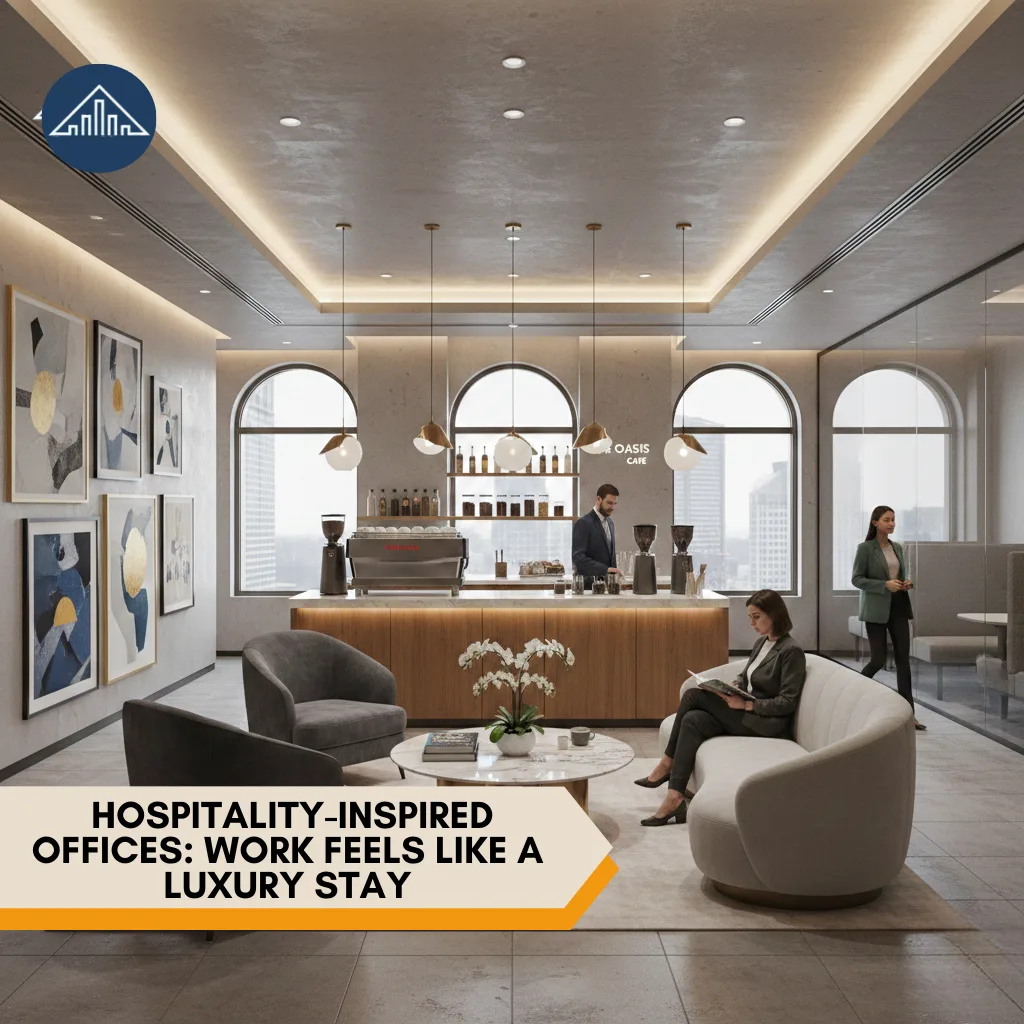
8. Hospitality-Inspired Sustainable Interiors: Work Feels Like a Luxury Stay
The hottest trend in sustainable interior design borrows heavily from high-end hotels and boutique hospitality. Think plush lounge seating, barista-style coffee bars, curated art collections, ambient lighting, and premium materials that make coming to work feel like checking into a luxury hotel.
This approach signals to employees that they’re valued, and it impresses clients the moment they step inside. Companies like Google and Airbnb pioneered this look, but today businesses of all sizes are adopting hospitality principles to craft spaces people genuinely want to spend time in.
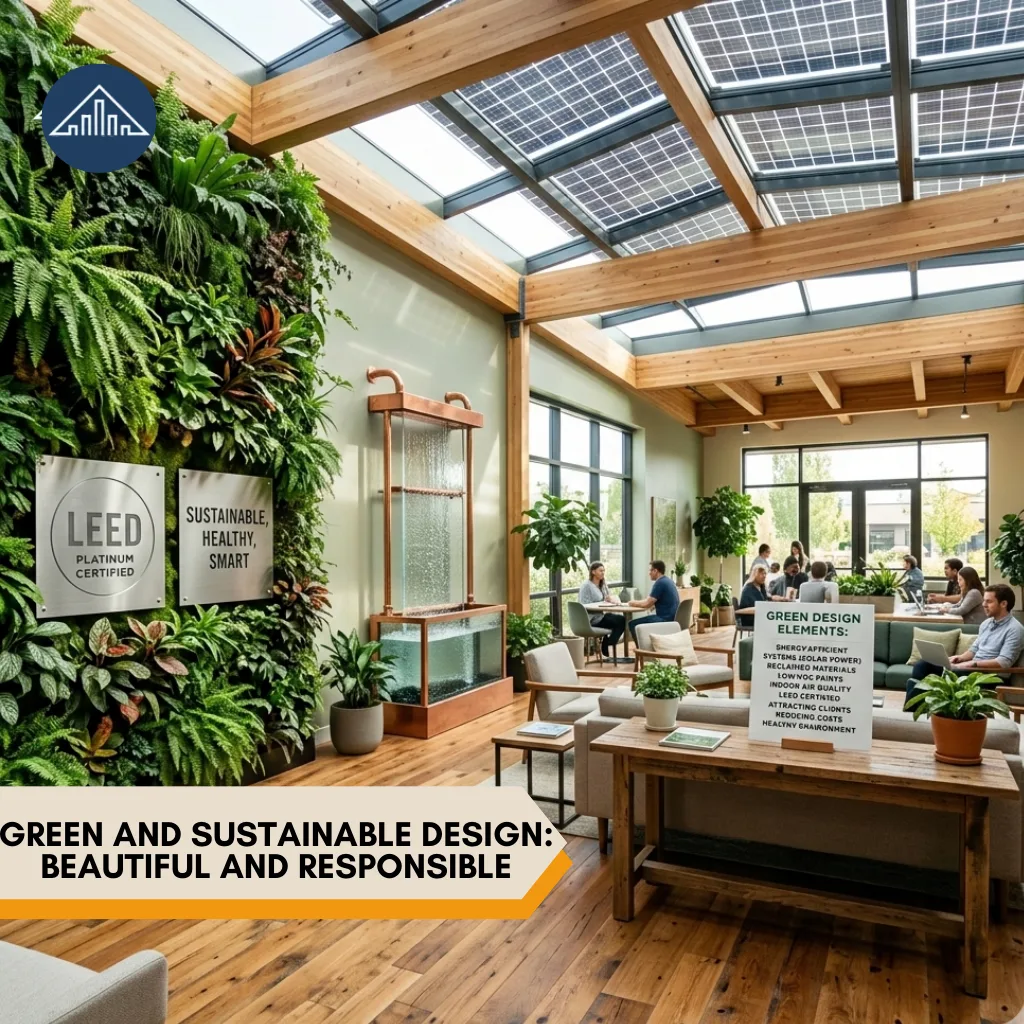
9. Green and Sustainable Design: Beautiful and Responsible
Sustainable interior design isn’t just an ethical choice — it’s a smart business strategy. Green buildings with energy-efficient systems, recycled materials, low-VOC paints, and sustainable certifications like LEED attract eco-conscious clients, reduce operating costs, and improve indoor air quality.
Forward-thinking businesses are designing spaces with reclaimed wood flooring, solar-powered lighting, rainwater harvesting, and materials that can be recycled at end of life. For properties with pools or outdoor water features, working with a solar pool heating company is another practical step in the same direction — eliminating ongoing heating costs while keeping the outdoor space functional year-round. Sustainability and stunning design are not mutually exclusive — in fact, the most celebrated commercial interiors today are often the greenest ones.
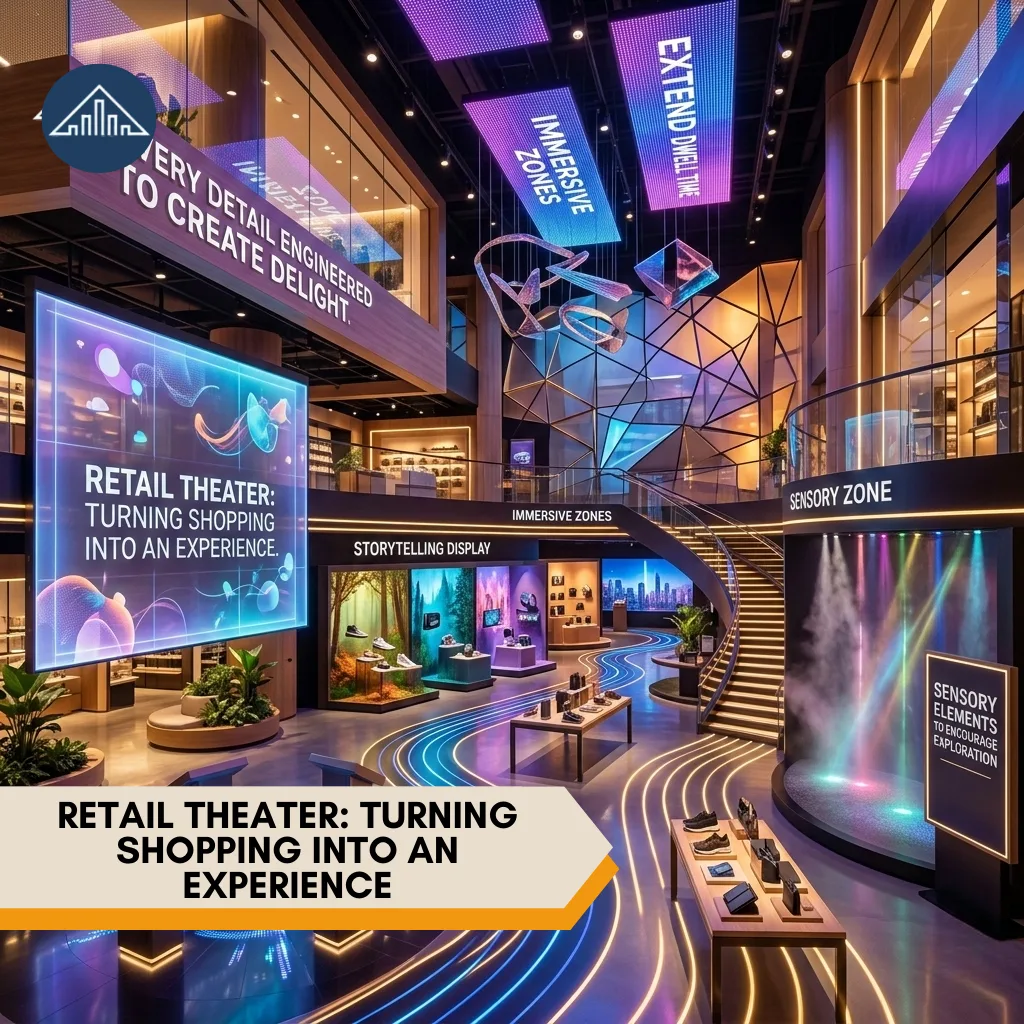
10. Sustainable Retail Theater: Turning Shopping Into an Experience
In a world where online shopping is a click away, physical retail spaces need to do much more than display merchandise. Sustainable retail theater uses dramatic lighting, interactive installations, storytelling displays, sensory elements, and immersive zones to transform shopping into a memorable event.
Apple Stores, Nike flagships, and luxury boutiques have perfected this art — every detail is engineered to create delight, encourage exploration, and extend dwell time. When customers feel entertained and engaged, they spend more, return more, and tell their friends about it.
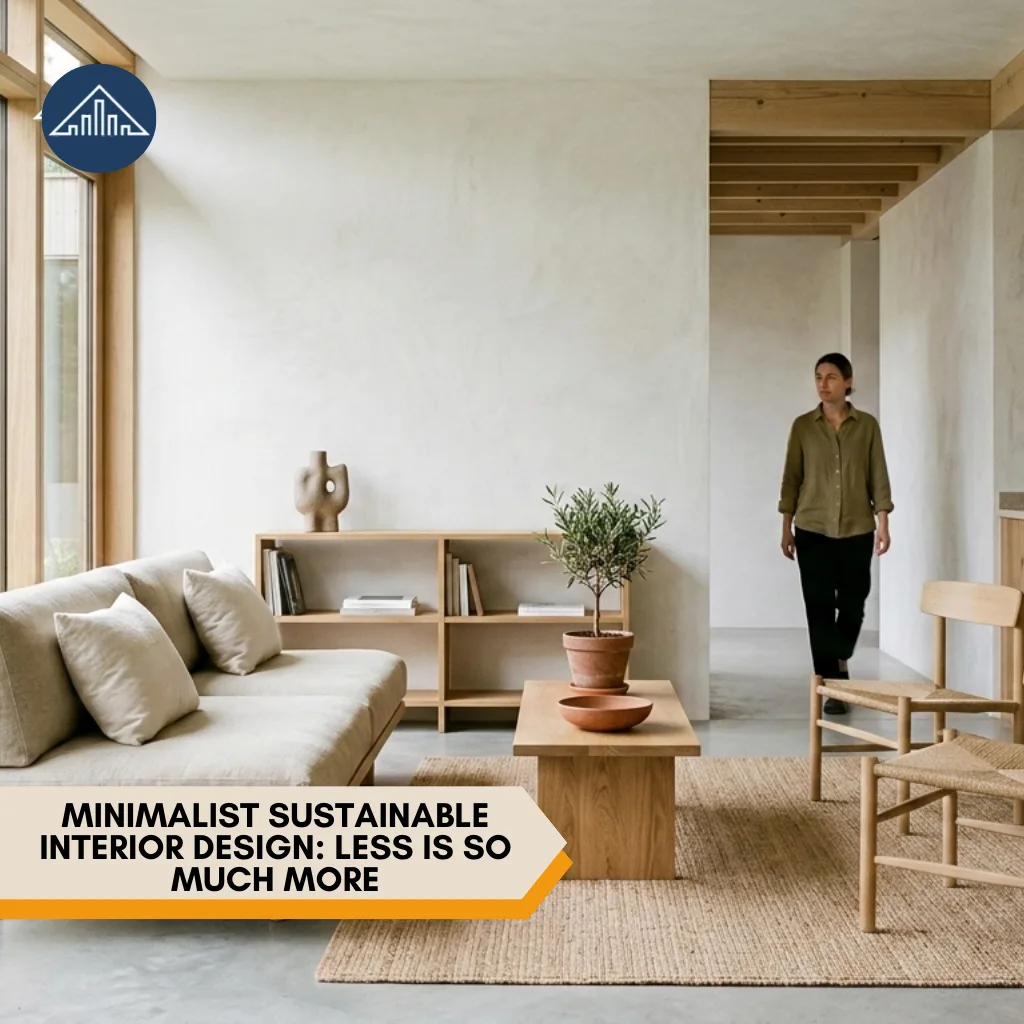
11. Minimalist Sustainable Interior Design: Less Is So Much More
Minimalism in sustainable interior design is about intentionality — every piece of furniture, every material, and every color choice serves a clear purpose. Clean lines, neutral palettes, open space, and carefully edited decor create an atmosphere of calm sophistication that lets your product, service, or people take center stage.
Law firms, financial institutions, luxury retailers, and tech companies all use minimalist sustainable design to project confidence and clarity. Done well, minimalism is never cold or boring — it’s refreshingly honest and surprisingly inviting.
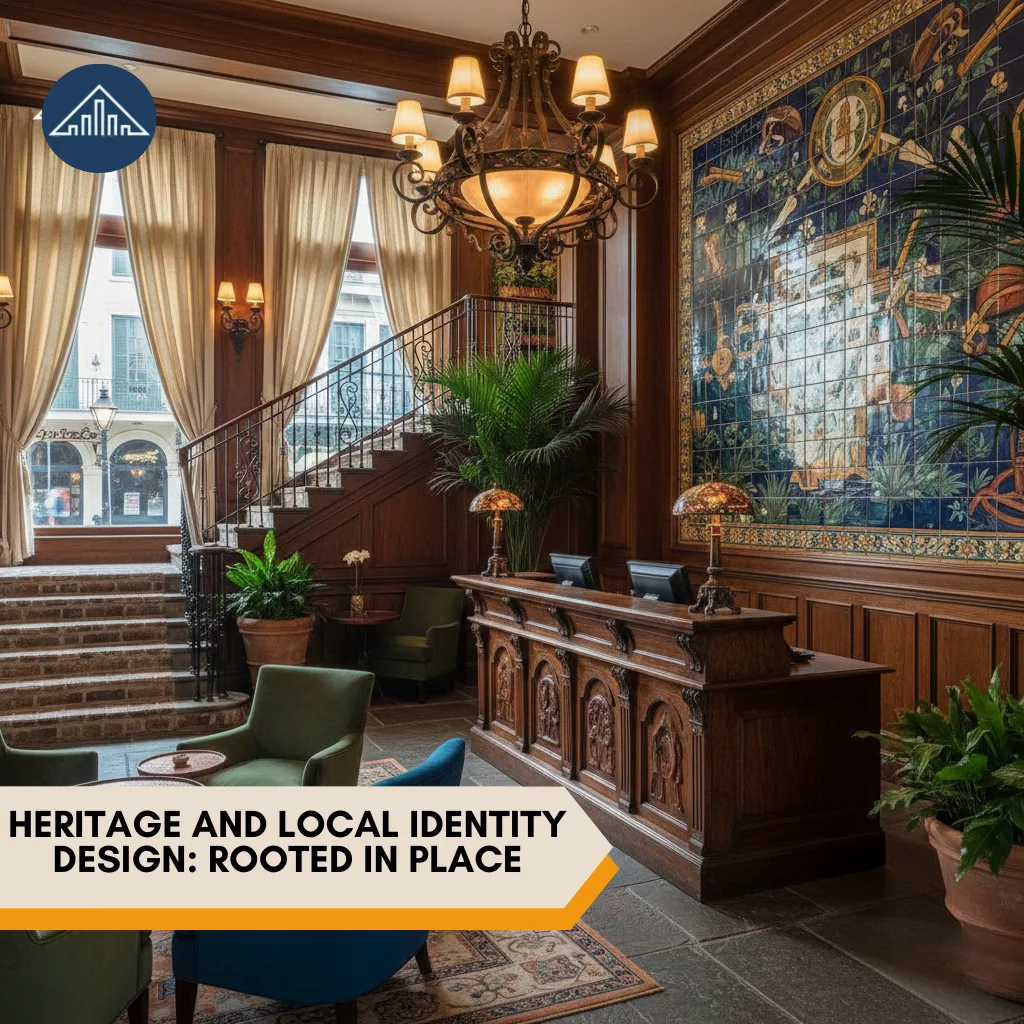
12. Heritage and Sustainable Local Identity Design: Rooted in Place
The most resonant sustainable interiors feel like they belong exactly where they are. Heritage and local identity sustainable design draws on the history, culture, craftsmanship, and materials of a specific region to create spaces with genuine soul.
A hotel in New Orleans might feature hand-painted tile work and wrought-iron details; a restaurant in Tokyo might use traditional joinery and washi paper screens. This approach builds an immediate, authentic connection with local customers and offers visiting guests something they simply cannot find anywhere else in the world.
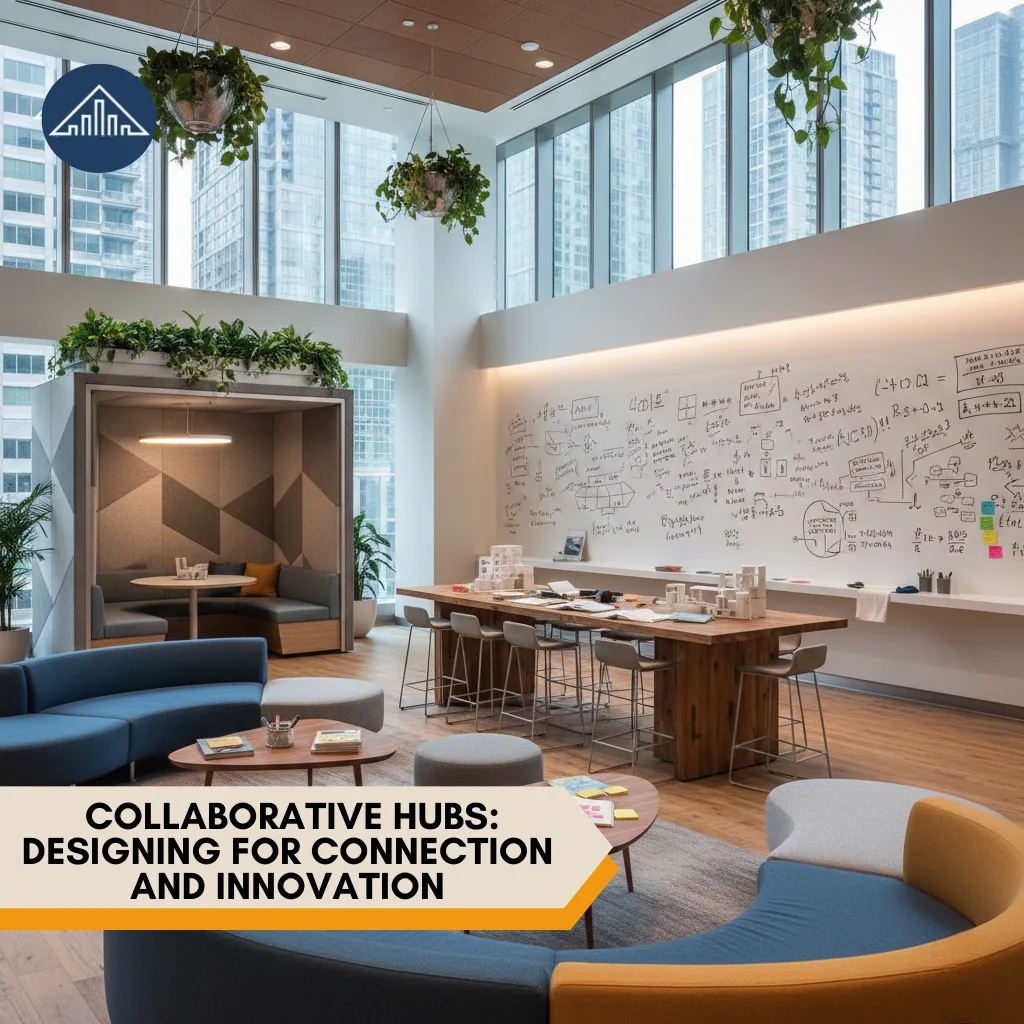
13. Heritage and Sustainable Local Identity Design: Rooted in Place
The most innovative ideas rarely happen at a solo desk — they spark in conversation. Sustainable collaborative hubs are dedicated zones within commercial spaces specifically engineered to bring people together: casual lounge areas, writable wall surfaces, open project tables, and informal meeting nooks that invite spontaneous brainstorming.
These spaces intentionally blur the line between work and play, creating an atmosphere where ideas flow freely. Companies that invest in thoughtful collaboration zones consistently report higher rates of cross-departmental innovation, stronger team bonds, and a culture people genuinely want to be part of.
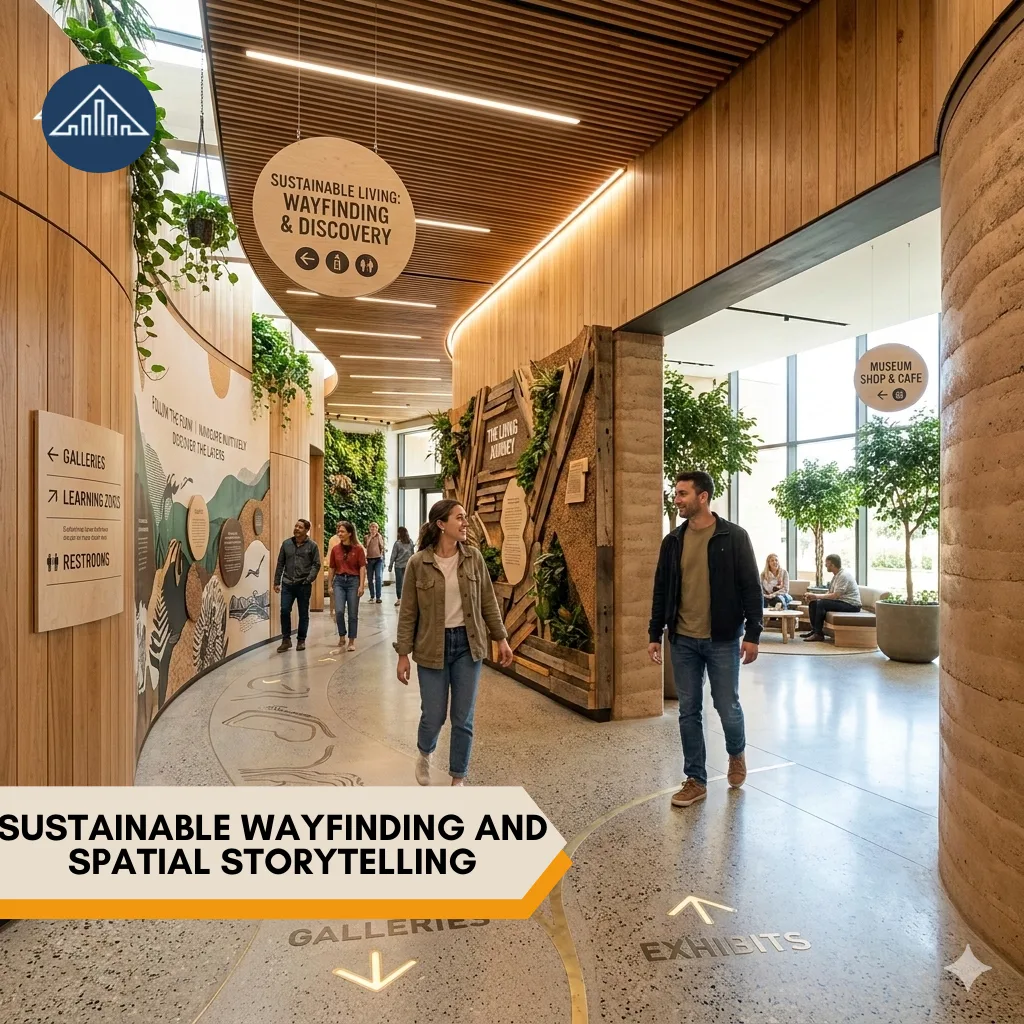
14. Sustainable Wayfinding and Spatial Storytelling: Design That Guides and Delights
How people move through a sustainable interior space is as important as how it looks. Sustainable wayfinding design uses visual cues, floor patterns, lighting gradients, signage, and architectural features to guide visitors intuitively from one zone to the next without them ever feeling lost or confused.
But great wayfinding is also storytelling — it creates a journey with moments of discovery, surprise, and delight along the way. Museums, airports, hospitals, and large retail environments all rely heavily on wayfinding design to transform what could be a frustrating experience into a smooth and even enjoyable one.
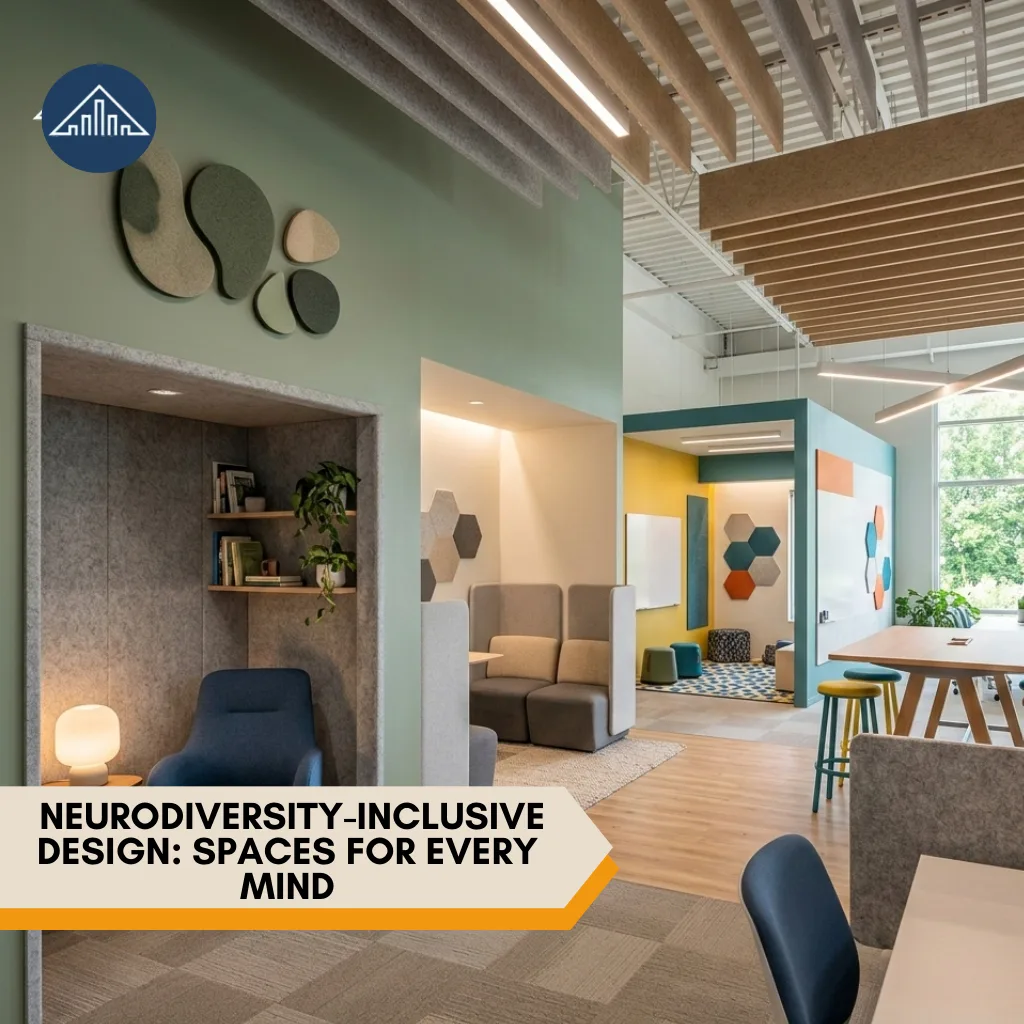
15. Neurodiversity-Inclusive Sustainable Design: Spaces for Every Mind
Truly inclusive sustainable interior design considers the full spectrum of how humans think, process, and experience their environment. Neurodiverse-inclusive sustainable spaces offer a range of sensory environments — calm, low-stimulation zones alongside vibrant, energized areas — so everyone from introverts to extroverts, and neurotypical people to those with autism or ADHD, can find a setting where they thrive.
Thoughtful choices around lighting intensity, noise levels, spatial density, texture, and color contrast make sustainable interiors more welcoming, more equitable, and ultimately more productive for every single person who walks through the door.
Lets Work Together:
Whether you’re seeking luxury interior design services for one room or your entire home, Rivon Home is ready to help you create something truly extraordinary. Reach out today for a professional virtual luxury interior design consultation — and start building a space that truly reflects your style and lifestyle.
