
15 Japandi Bedroom Ideas to Transform Your Space Into a Peaceful Retreat


If you’ve ever walked into a room that just felt calm, no clutter, no chaos, just pure, quiet beauty there’s a good chance it had some Japandi vibes going on. Japandi is the gorgeous design marriage between Japanese minimalism and Scandinavian coziness, and honestly?
It’s the bedroom aesthetic we all deserve. Whether you’re starting from scratch or just looking to refresh your space, these 15 ideas will help you create a bedroom that feels like a deep breath every single time you walk in.
1. Embrace the Low-Profile Bed Frame
One of the most iconic elements of Japandi design is a bed that sits close to the ground. A low platform bed instantly grounds the room and creates a sense of calm, open space.
Choose one in natural wood tones like walnut, oak, or ash to keep things warm and organic. Pair it with simple, clean-lined bedding in neutral tones and you’ve already nailed the foundation of a true Japandi bedroom.

2. Stick to a Warm Neutral Color Palette
Japandi bedrooms live and breathe in the world of warm neutrals. Think soft beige, warm white, muted taupe, earthy terracotta, and gentle sage green. These colors don’t compete with each other, they whisper.
They make the room feel cohesive and restful without being boring. Start with a warm white or greige on the walls and layer in deeper earth tones through your textiles, furniture, and décor for a naturally balanced look.

3. Bring in Natural Wood Elements
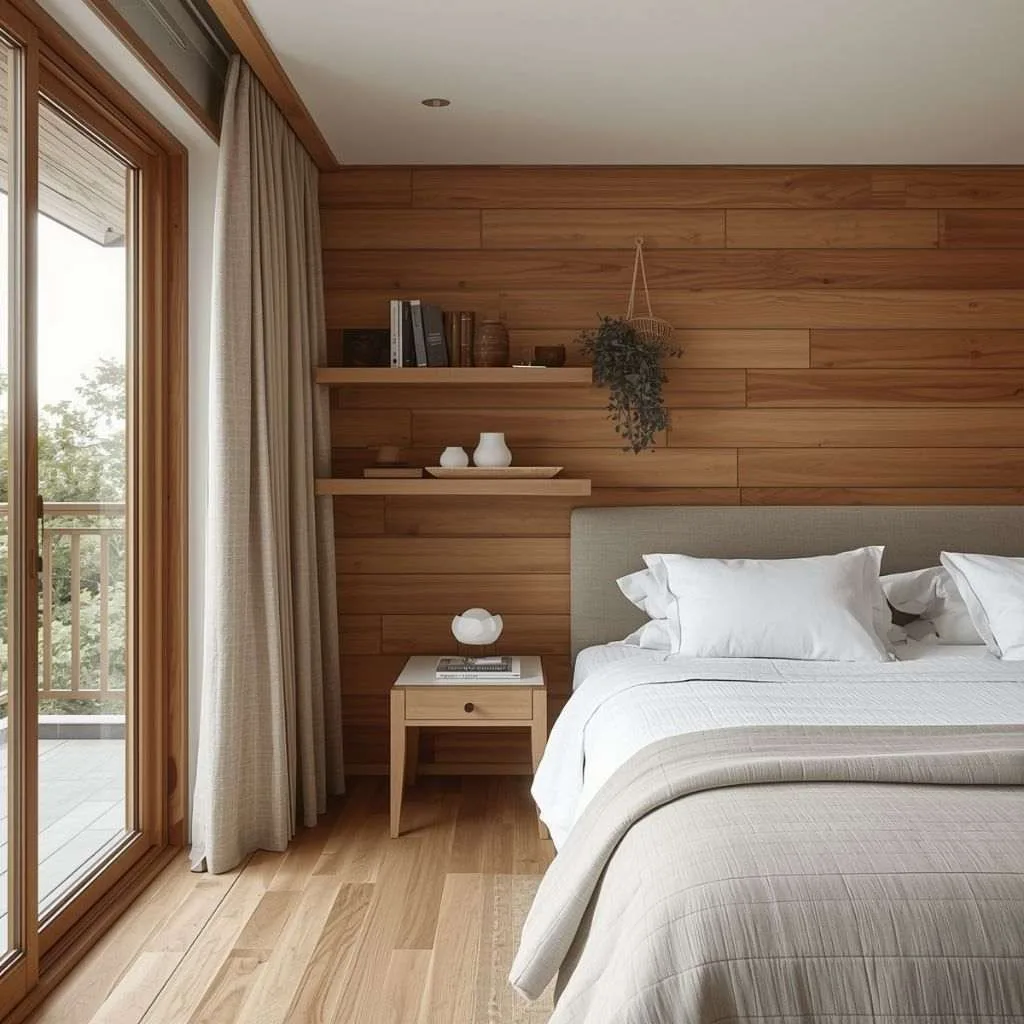
Wood is the heartbeat of Japandi design. From your bed frame and side tables to floating shelves and flooring, natural wood adds warmth, texture, and that organic connection to nature that both Japanese and Scandinavian design traditions celebrate.
Go for lighter Scandi-style wood tones or richer Japanese dark woods or mix both for a layered, interesting look. Just keep the grain visible and the finish matte or natural, never glossy or over-polished.
4. Layer Cozy Textiles for the “Hygge” Touch
Here’s where the Scandinavian side of Japandi gets to shine. Hygge that Danish concept of coziness and comfort calls for soft, layered textiles that make you want to stay in bed all morning.
Think chunky linen throws, knitted blankets in oatmeal tones, and plump cotton pillowcases. Keep the color palette muted and the textures varied. The goal is to make your bed look and feel like the coziest, most inviting place on earth without looking messy or overdone.

5. Declutter with Intention — Less Is Truly More
Japandi is deeply rooted in minimalism, but it’s not cold or sterile. The idea is to keep only what you truly love and need. A decluttered bedroom immediately feels more spacious, more peaceful, and more luxurious.
Invest in smart storage solutions under-bed drawers, built-in wardrobes, or a simple storage bench at the foot of the bed. Every item in the room should earn its place. If it doesn’t bring function or joy, it doesn’t belong.

6. Use Shoji-Inspired Room Dividers or Screens
Take a cue from Japanese interior architecture and introduce a shoji-style screen or room divider into your bedroom. These beautiful panels with their wooden frames and translucent rice paper allow soft, diffused light to pass through while creating gentle separation between spaces.
They work beautifully as a headboard alternative, a closet cover-up, or simply as a decorative element that adds instant Japanese elegance and a touch of privacy to your bedroom.

7. Go for Wabi-Sabi Décor Pieces
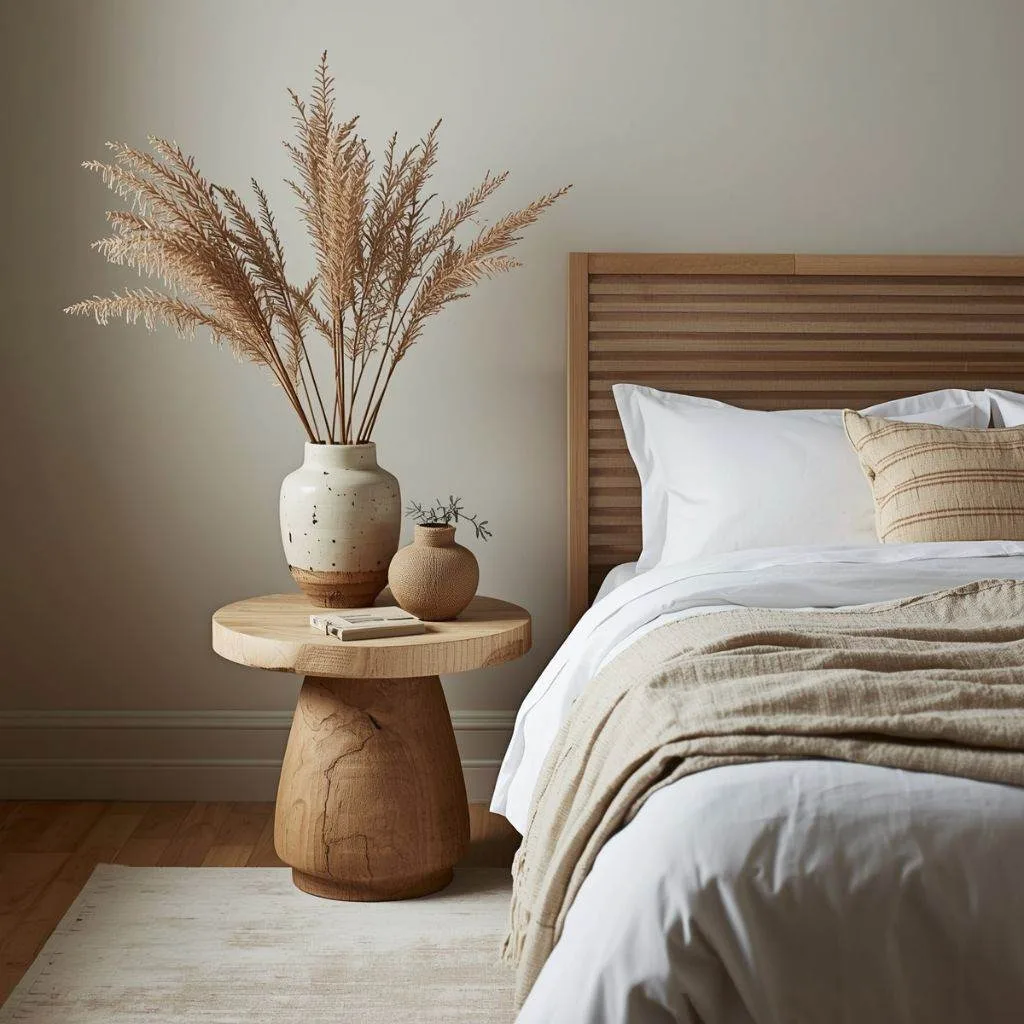
Wabi-sabi is the Japanese philosophy of finding beauty in imperfection, and it translates gorgeously into bedroom décor. Think handmade ceramic vases with uneven edges, a slightly weathered wood side table, or a linen throw with natural creases.
These imperfect, handcrafted pieces add soul and authenticity to a Japandi bedroom. They tell a story. Choose décor that looks like it was made by human hands, not a factory, and your space will feel genuinely warm and unique.
8. Incorporate Indoor Plants for Natural Life
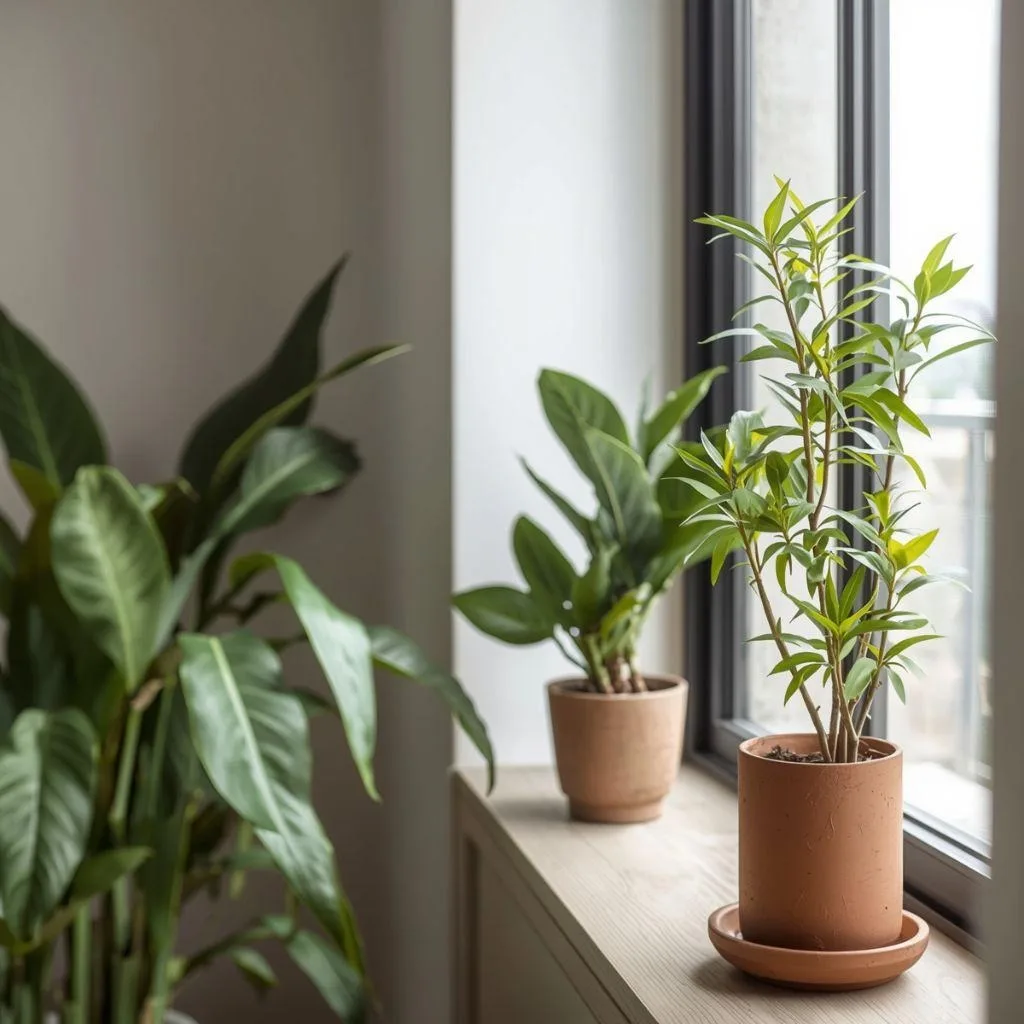
Plants are a quiet but powerful element in Japandi design. They bring life, color, and a connection to the natural world that keeps the space from feeling too stark. Go for simple, architectural plants like a snake plant, bonsai tree, monstera, or a small potted bamboo.
Place them in minimal ceramic or terracotta pots and position them near a window or on a low shelf. The goal is natural, effortless greenery not a jungle, just a whisper of the outdoors.
9. Choose Paper or Rattan Pendant Lighting
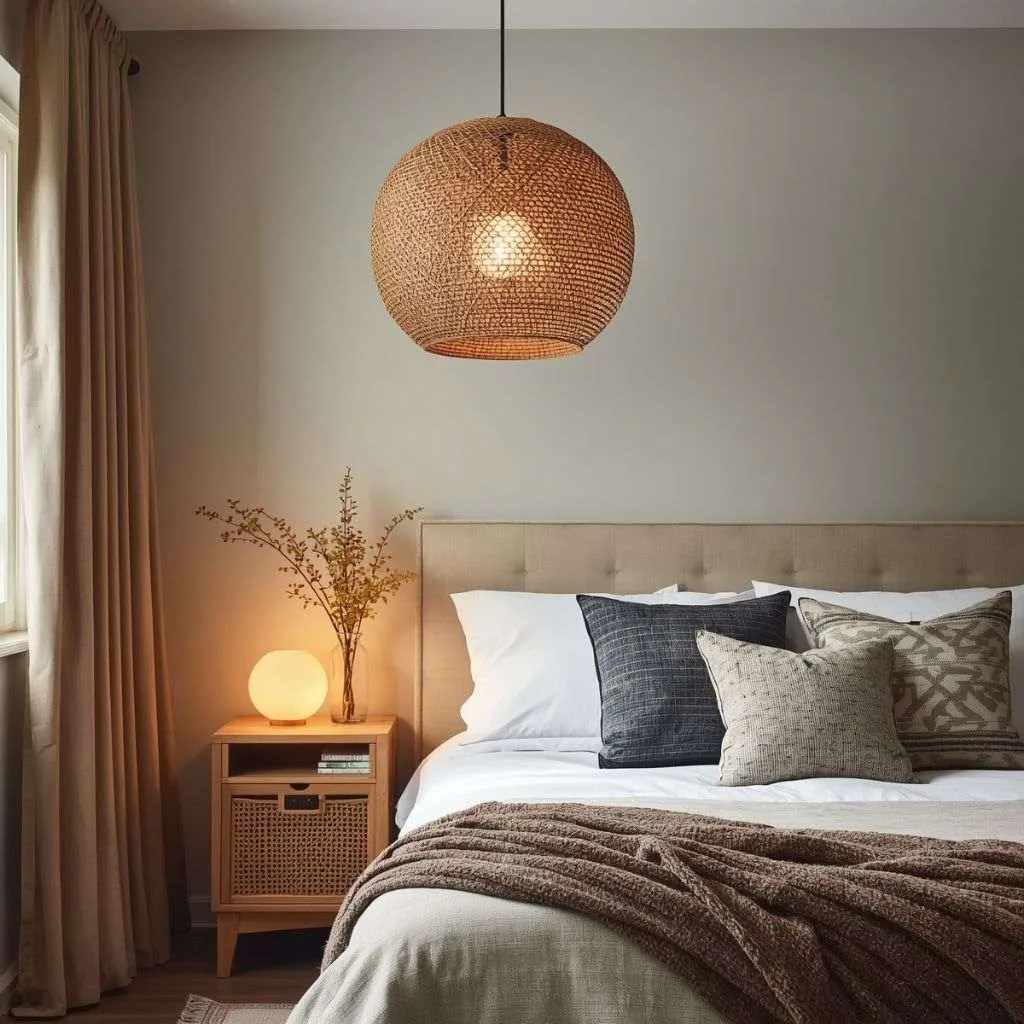
Lighting in a Japandi bedroom should feel soft, warm, and sculptural all at once. Swap out harsh overhead lights for a beautiful paper lantern pendant or a woven rattan shade that casts a warm, dappled glow across the room.
Japanese-inspired paper pendants in organic shapes are especially stunning; they diffuse light gently and double as an art piece. Pair with warm-toned bulbs (2700K) for that golden, candlelit ambiance that makes evenings feel magical.
10. Add a Minimalist Floating Shelf Display
Floating shelves in a Japandi bedroom are all about intentional curation. Choose one or two slim wooden shelves and style them with just a few carefully chosen objects: a small plant, a handmade ceramic bowl, a single candle, or a book with a beautiful cover.
The negative space between objects is just as important as the objects themselves. Resist the urge to fill every inch. A simple, thoughtfully styled shelf creates a focal point without adding visual clutter.

11. Opt for Sliding Wardrobe Doors
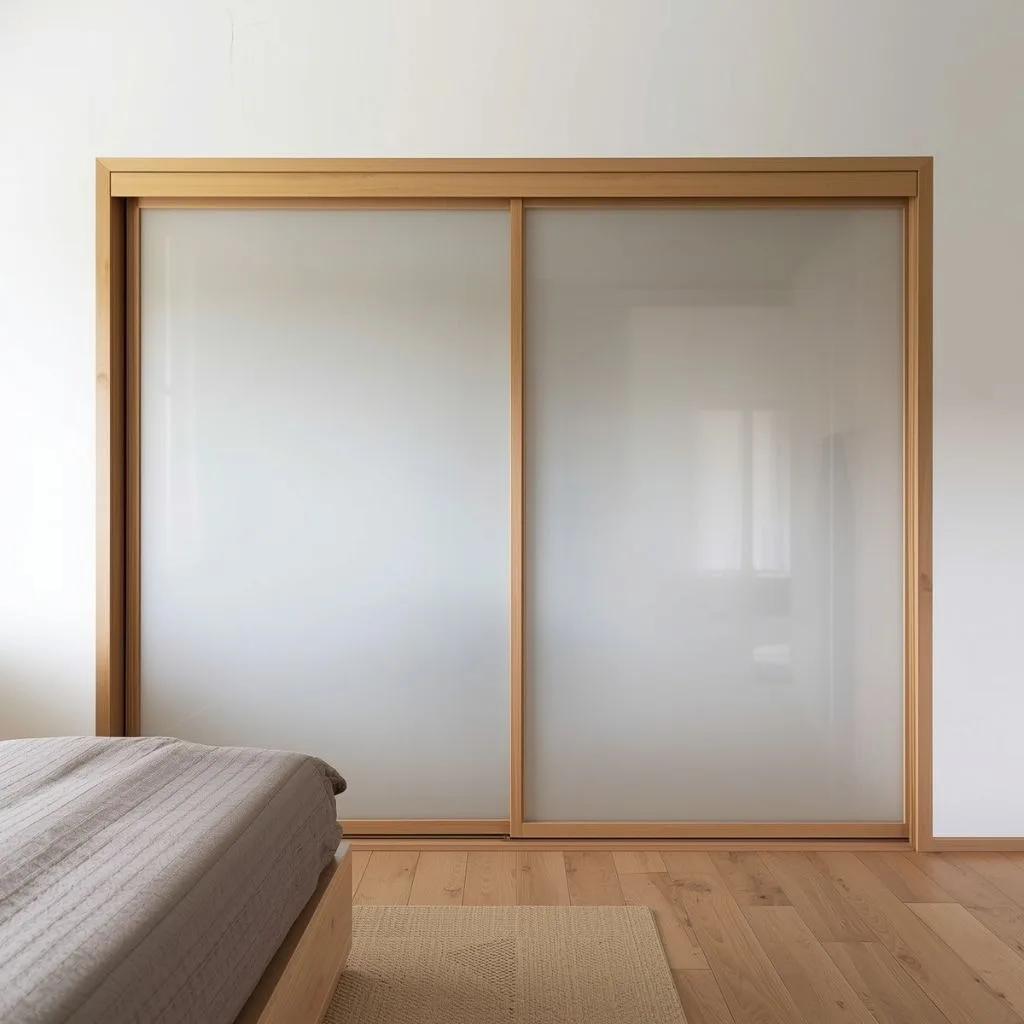
In a true Japandi spirit, even your wardrobe doors matter. Sliding doors instead of hinged ones save space, create cleaner lines, and add a distinctly Japanese architectural feel to the room.
Go for doors with minimal hardware, think a slim handle or even a handleless push-to-open design. Natural wood finishes, frosted glass panels, or simple white lacquer all work beautifully. The result is a wardrobe that looks like it was designed specifically for the room, not just placed in it.
12. Create a Zen Reading Nook Corner
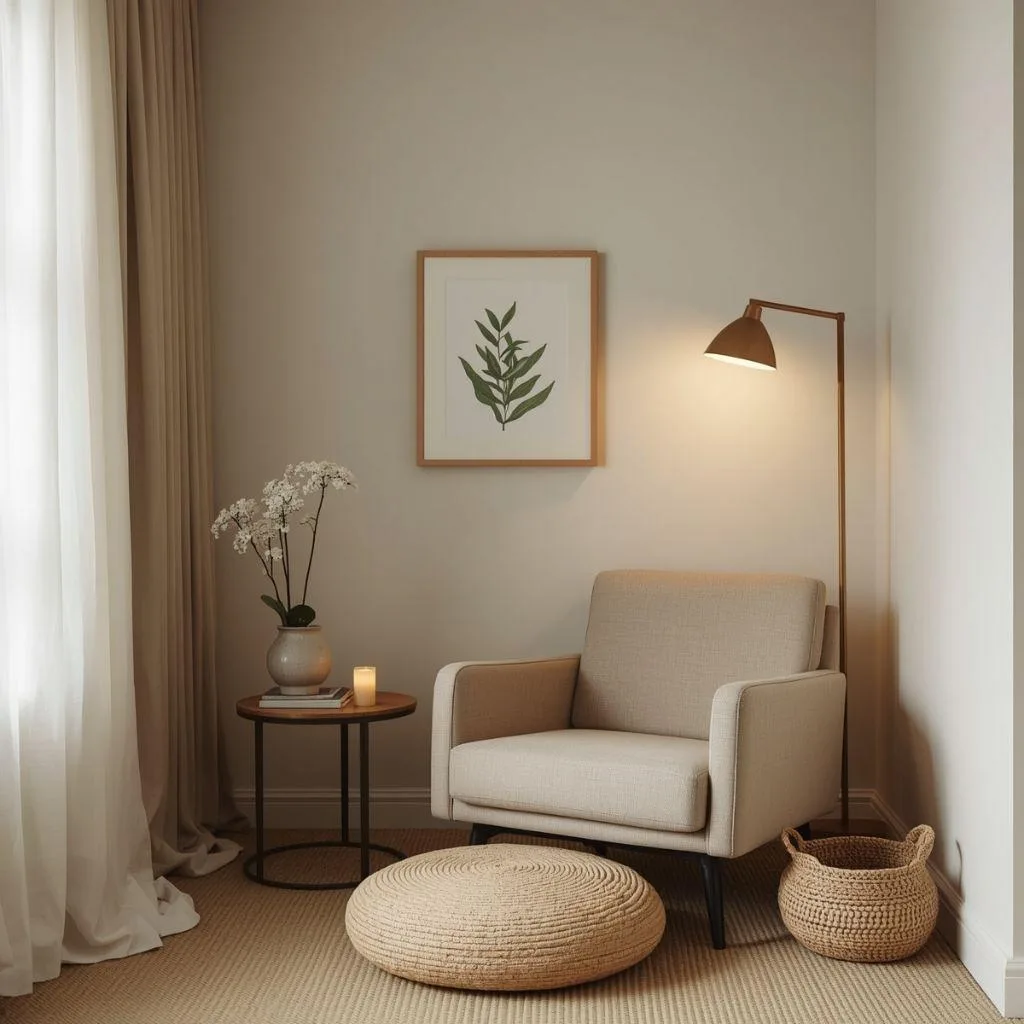
Every Japandi bedroom deserves a small corner dedicated to stillness and reflection. Set up a simple reading nook with a low floor cushion or a minimal armchair in a natural fabric, a small side table, and a warm floor lamp.
Keep it clutter-free just a book, a candle, and maybe a small plant. This intentional corner gives the bedroom purpose beyond sleeping and creates a little sanctuary within a sanctuary, which is very much in the spirit of Japanese ma (negative space).
13. Use Linen Curtains for Soft, Filtered Light
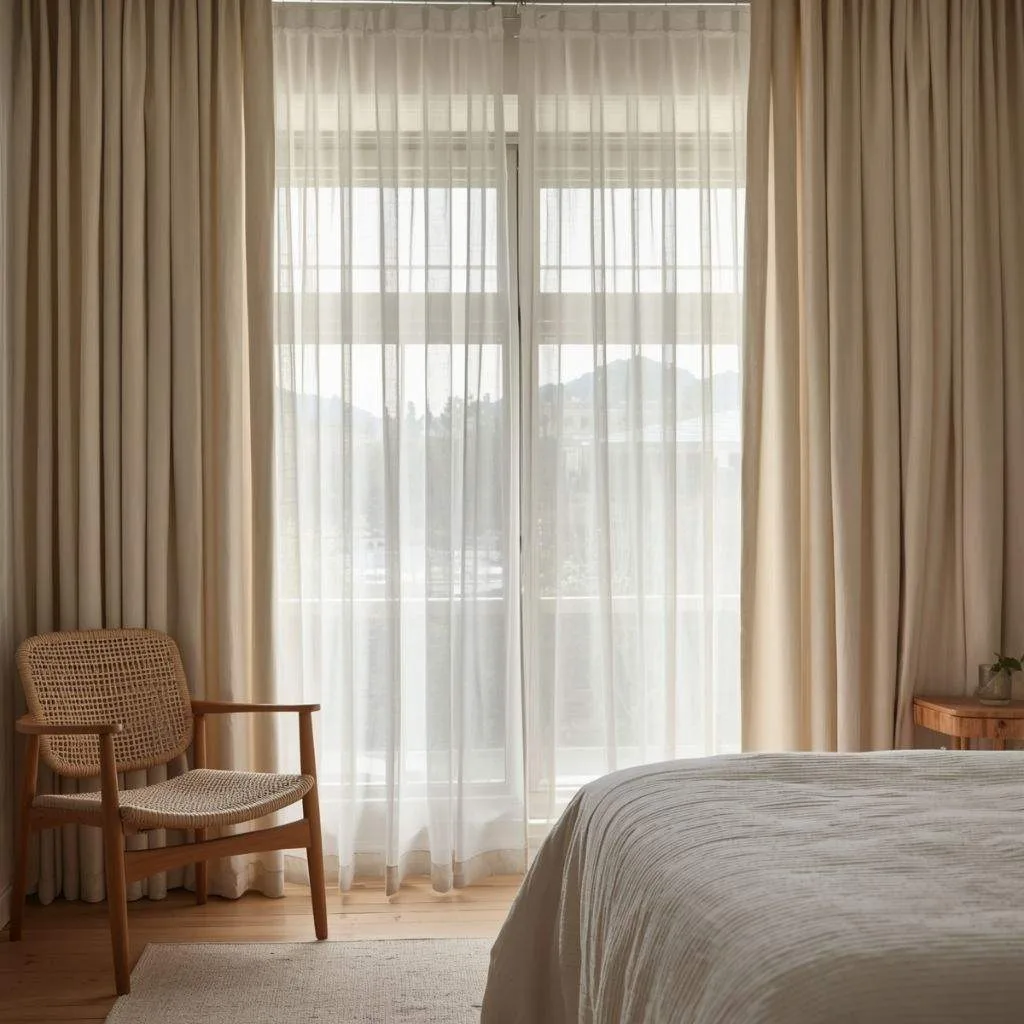
Window treatments in a Japandi bedroom should be as natural and understated as everything else. Linen curtains in white, cream, or warm oatmeal tones are absolutely perfect. They filter light beautifully, creating that soft, diffused glow that makes the whole room feel serene and dream-like.
Floor-length panels add height and elegance without being fussy. Avoid heavy drapes, bold patterns, or synthetic fabrics. Linen’s natural texture and gentle drape are exactly what this aesthetic calls for.
14. Incorporate Tatami-Inspired Textures
You don’t need to cover your entire floor in tatami mats to capture that beautiful Japanese texture in your bedroom. Look for rugs, wall panels, or headboard materials inspired by the grid-like weave of traditional tatami.
A woven jute or seagrass rug under your bed instantly channels that aesthetic while adding warmth and texture to a hard floor. You can even find tatami-inspired bed bases or room dividers that bring the same clean, geometric pattern into the space in a very modern way.

15. Keep Artwork Simple and Nature-Inspired
Art in a Japandi bedroom should feel calm, intentional, and connected to the natural world. Think a single large-format botanical print, a simple ink brush painting, a minimalist landscape photograph, or an abstract piece in earthy tones.
Hang one statement piece rather than a gallery wall, and choose a clean, thin frame in black or natural wood. The artwork shouldn’t demand attention, it should simply exist quietly in the space, adding meaning without adding noise.

