Home Upgrading Mintpalment: A Real Architect’s Guide to Smart Renovations That Add Value

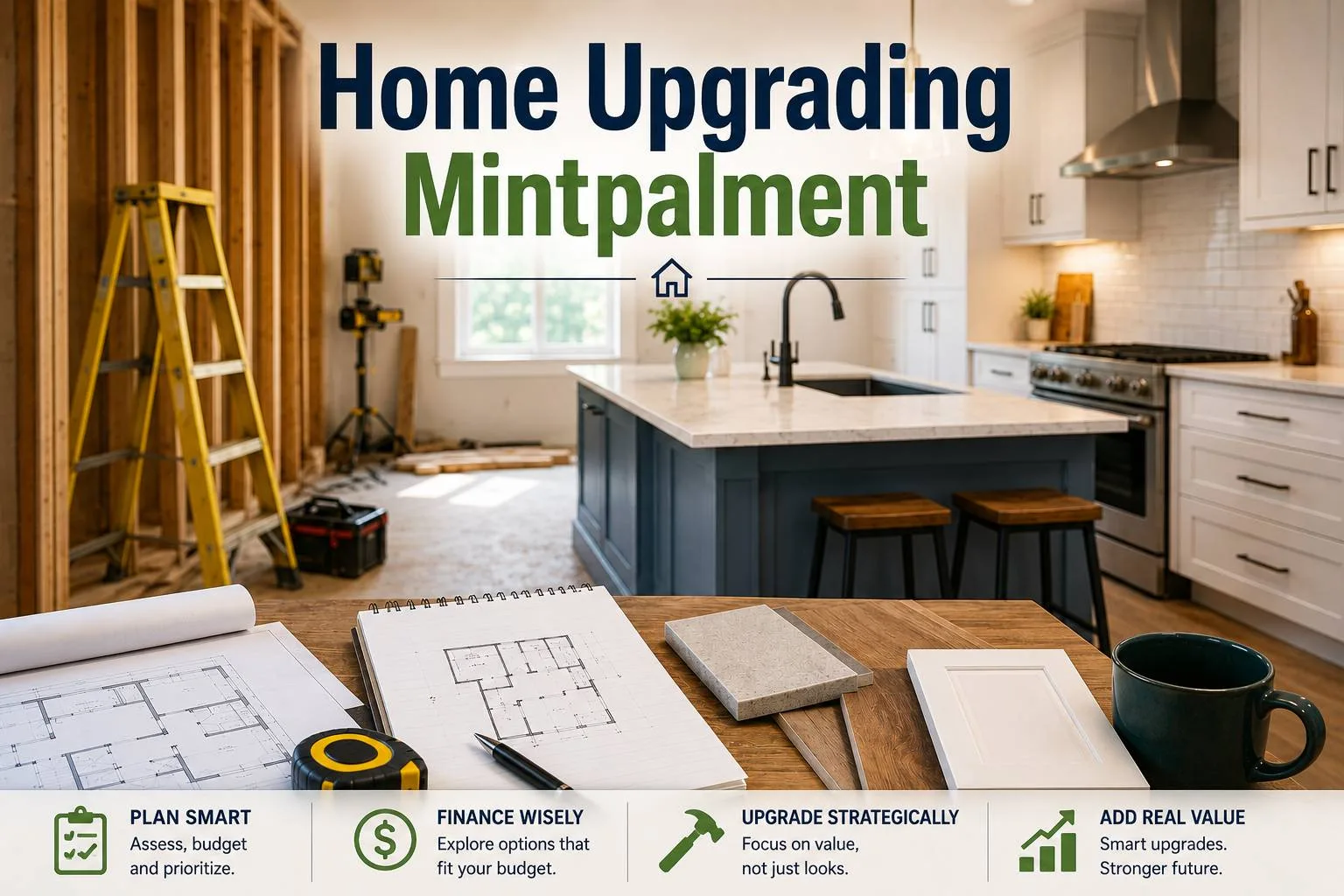
Most homeowners don’t struggle with Home Upgrading Mintpalment because they lack ideas. They struggle because they spend before they plan. Budgets vanish on cosmetic changes, hidden problems surface mid-project, and the finished result doesn’t improve daily life or resale value. In 2026, with labor costs still high and returns on big remodels shrinking, planning matters more than ever.
This guide, from the team at Rivon Home, walks you through assessing your home, building a realistic budget, choosing financing, saving money, and picking upgrades that actually pay off.
Home Upgrading Mintpalment Start Here: Assess Before You Plan
Before you spend a single dollar, you need to know exactly what you’re working with. This is where most people skip a step, and it costs them thousands. Walk through your home with a critical eye. For major renovations, it can also be helpful to arrange a building and pest inspection to identify hidden structural issues, moisture problems, or pest damage before these become expensive surprises during the project.
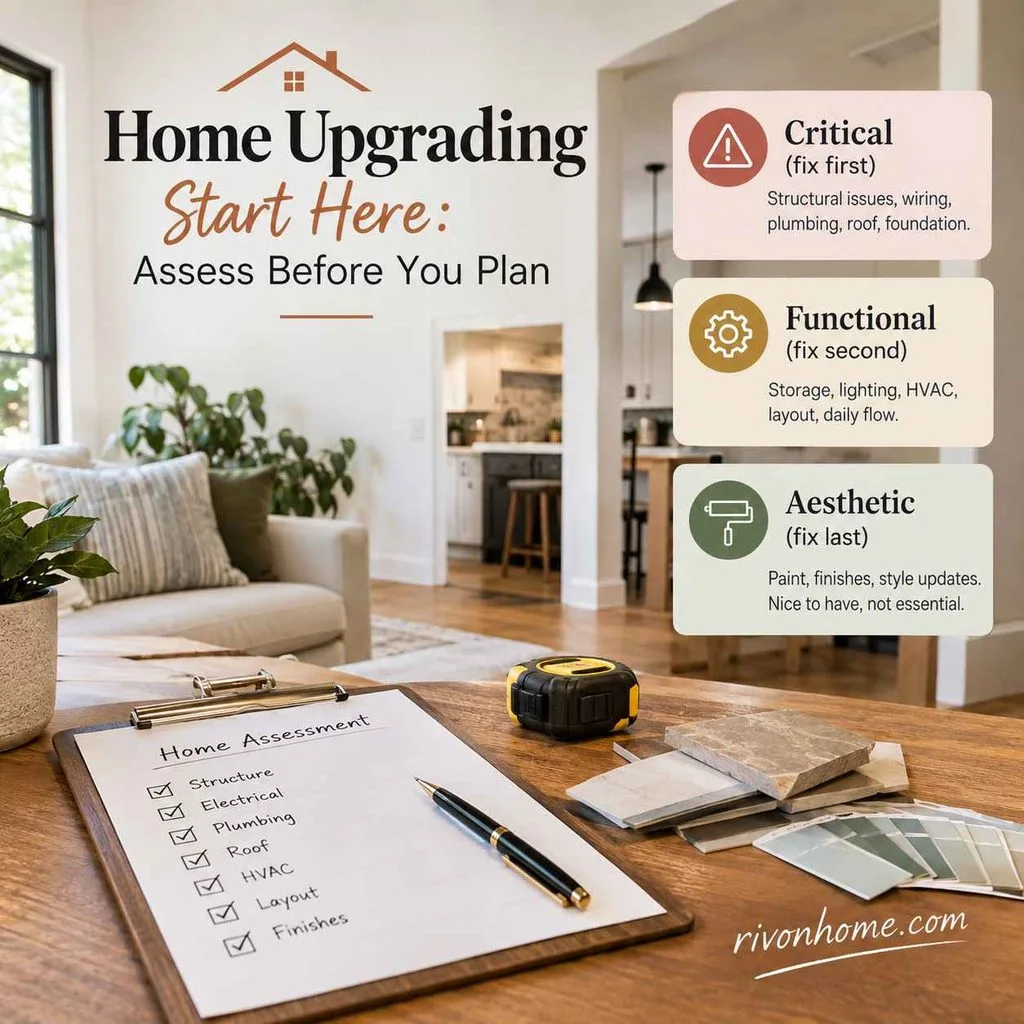
Once you’ve walked the property, sort every issue into one of three groups.
- Critical (fix first). Structural problems, faulty wiring, failing plumbing, roof leaks, and foundation concerns. These are never optional, and delaying them almost always multiplies the cost.
- Functional (fix second). Things that work poorly: wasted kitchen storage, weak lighting, an HVAC system that can’t hold a steady temperature, or a layout that makes daily routines frustrating.
- Aesthetic (fix last). Paint, finishes, and style updates. They matter for enjoyment, but they rarely fix how a home actually works. A new accent wall won’t solve a kitchen layout you dread cooking in.
Build a Budget That Survives Surprises
A guess isn’t a budget. Collect at least three itemized quotes that separate materials, labor, permits, and equipment rental, then compare them line by line. A bid that’s dramatically lower than the rest usually means missing scope or cut corners, not a bargain.
Your budget should include:
- Materials, listed in detail
- Labor, itemized by trade
- Permits and inspection fees
- Tool or equipment rental
- A contingency fund
The old rule of 15–20% contingency is now on the light side for many jobs. Older homes hide problems such as outdated wiring, water damage, and code-required upgrades. If your project touches plumbing, electrical, or structure, a 20–30% buffer is a safer target. If the total is more than you can afford, don’t shrink the buffer. Shrink the scope, or phase the work: cabinets this year, countertops next year.
Home Upgrading Mintpalment Financing: Know Your Options
Once you know the cost, decide how to pay for it. Each option has real trade-offs, and interest rates change frequently, so compare current offers before committing.
Option 1: Home Equity Line of Credit (HELOC)
A credit card backed by your Home Upgrading Mintpalment equity. You draw what you need, pay interest only on what you use—ideal for phased projects. Upside: flexibility matching spending. Downside: rates fluctuate and your home is collateral. Best for: 6-12 month projects where you’ll spend money in phases.

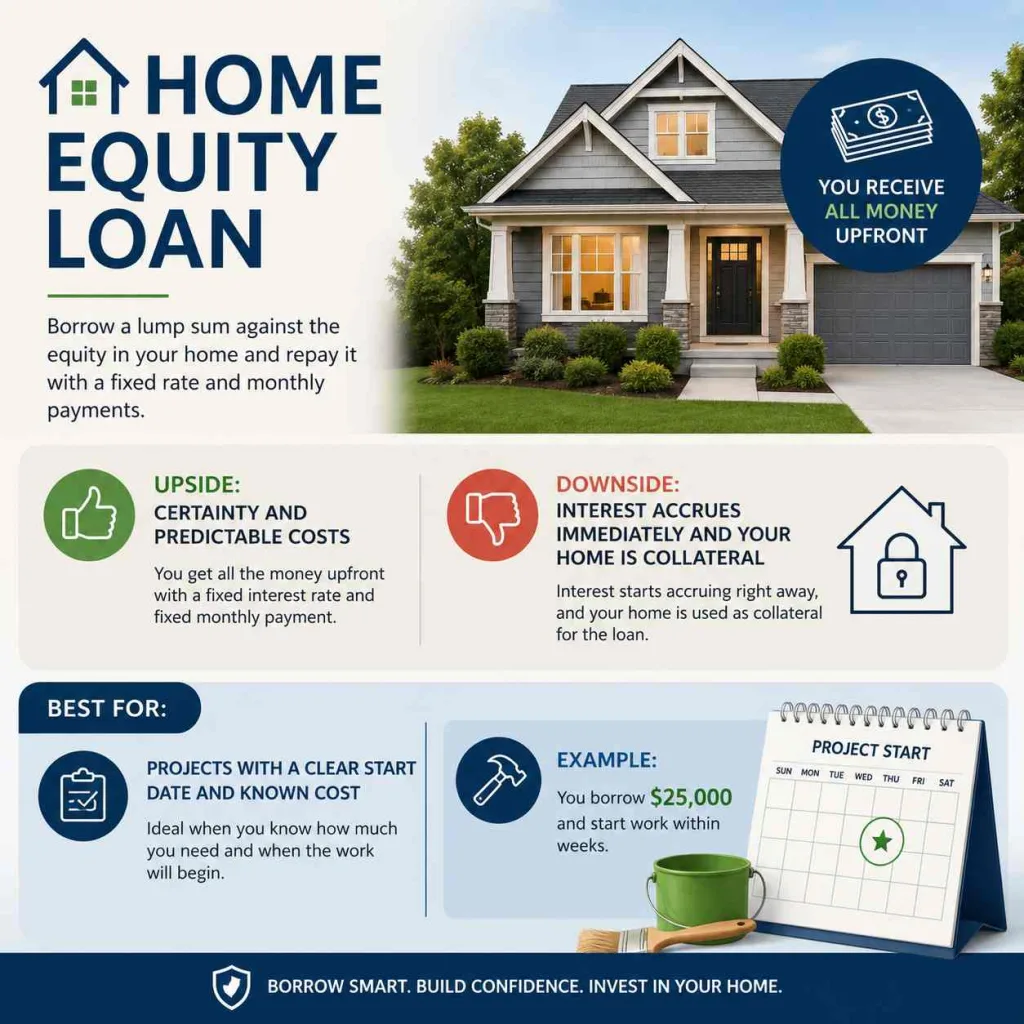
Option 2: Home Equity Loan
You receive all money upfront with a fixed rate and monthly payment. Upside: certainty and predictable costs. Downside: interest accrues immediately and your home is collateral. Best for: projects with a clear start date and known cost—you borrow $25,000 and start work within weeks.
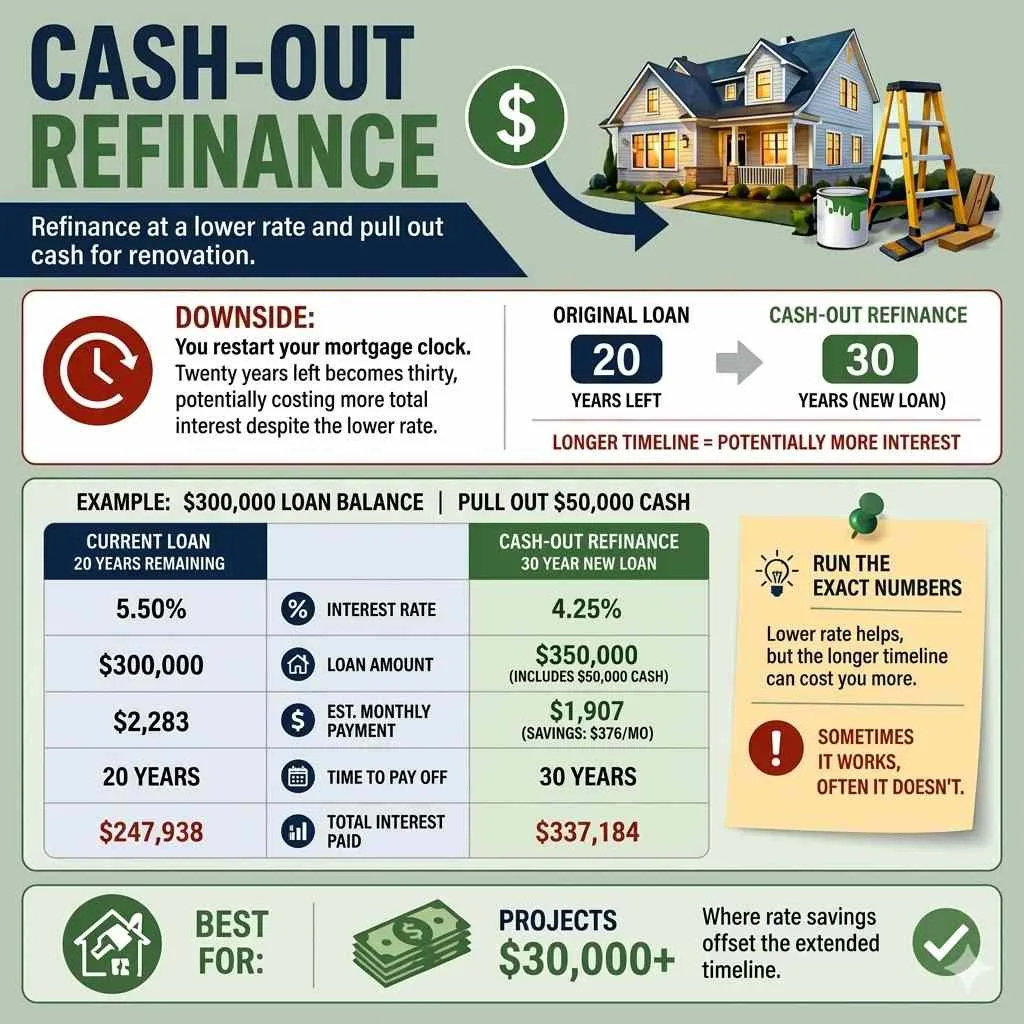
Option 3: Cash-Out Refinance
Refinance at a lower rate and pull out cash for renovation. Downside: you restart your mortgage clock. Twenty years left becomes thirty, potentially costing more total interest despite the lower rate. Run exact numbers—sometimes it works, often it doesn’t. Best for: projects $30,000+ where rate savings offset the extended timeline.
Option 4: Personal Loan
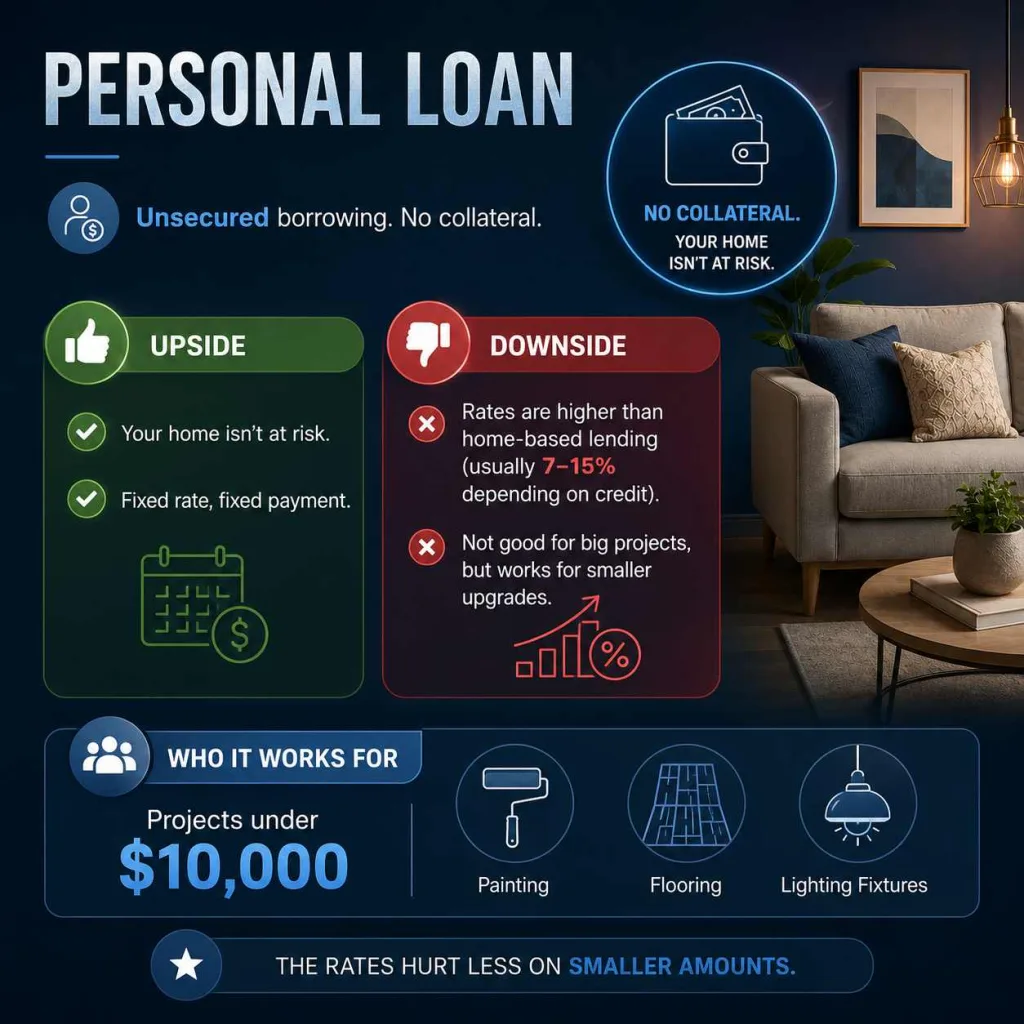
Home Upgrading Mintpalment Unsecured borrowing. No collateral.Upside: Your home isn’t at risk. Fixed rate, fixed payment.Downside: Rates are higher than home-based lending (usually 7-15% depending on credit).
Not good for big projects, but works for smaller upgrades.Who it works for: Projects under $10,000. Painting, flooring, lighting fixtures. The rates hurt less on smaller amounts.
Option 5: 0% APR Credit Card
Those promotional cards offering 0% for 12-18 months.Upside: You pay nothing in interest if you complete the payoff before the promo period ends.Downside: That 0% ends. Interest jumps to 20-25%.
I’ve watched homeowners miss the deadline by one month and turn a $4,000 project into a $5,000+ expense.Who it works for: Small projects under $5,000 where you’re 100% certain of payoff timing. Set an autopay the month before the promo ends.

Cut Costs Without Cutting Corners
Smart savings come from where you buy, when you hire, and what you handle yourself, not from choosing the cheapest materials.
- Shop salvage and reclaimed materials. Architectural salvage yards and Habitat for Humanity ReStores often sell quality flooring, fixtures, and lumber at a fraction of new prices. Reclaimed wood also adds character, and our guide to interior design materials covers which textures and finishes are worth the investment.
- Hire in the off-season. Contractors are busiest in late spring and summer. Asking about winter scheduling can unlock discounts or, at least, faster availability.
- DIY the right tasks. Demolition, painting, and site cleanup are safe, high-savings jobs. Leave electrical, plumbing, HVAC, and structural work to licensed pros. Mistakes there cost far more than you’d save.
- Negotiate. If you’re buying most of your materials from one supplier, ask for a bulk discount. Floor-model appliances are often marked down significantly and work perfectly.
- Look for budget-friendly design ideas. You don’t need a full renovation to refresh a room. Our roundup of affordable interior design solutions shows how small changes can transform a space for very little money.
- Track every expense. Keep a simple spreadsheet updated weekly. It shows where the money is going and catches scope creep, like that “one more light fixture,” before it snowballs.
Which Upgrades Actually Return Value in 2026?
Not every project pays you back. Recent cost-versus-value data points to one consistent pattern: small, targeted, visible improvements outperform big, expensive remodels. Exact percentages vary by source and market, so treat the figures below as directional.
- Curb appeal and exterior updates. Garage door replacement, a quality entry door, fresh siding accents, and tidy landscaping regularly top the ROI rankings, often returning most or all of their cost. Buyers form opinions before they walk inside. For more ideas, browse the home decor for guides on improving your home’s exterior and interior.
- Minor kitchen refreshes. New cabinet fronts, hardware, countertops, a sink, faucet, and lighting typically recoup a solid share of the spend. Major, upscale kitchen remodels tend to recover far less, often around half or lower.
- Bathroom updates. A fresh vanity, modern fixtures, good lighting, and updated tile usually recoup around 70% or more when kept modest. A luxury spa bathroom rarely earns back its cost.
- Energy efficiency. Insulation, air sealing, efficient HVAC, and better windows pay back through lower utility bills over many years, not just at resale. Check current federal, state, and utility incentives, since programs change often.
- Upgrades to think twice about. Custom built-ins, bold personal design choices, luxury finishes that outprice the neighborhood, and outdoor living spaces that don’t suit your climate.
Kitchen Upgrades: Where the Budget Goes
Kitchens absorb the biggest share of most Home Upgrading Mintpalment budgets. A modest update in a mid-sized kitchen typically spreads across cabinets, countertops, flooring, lighting, plumbing fixtures, backsplash, appliances, labor, and permits. Costs vary widely by region, but the biggest line items are nearly always cabinets, appliances, and labor.
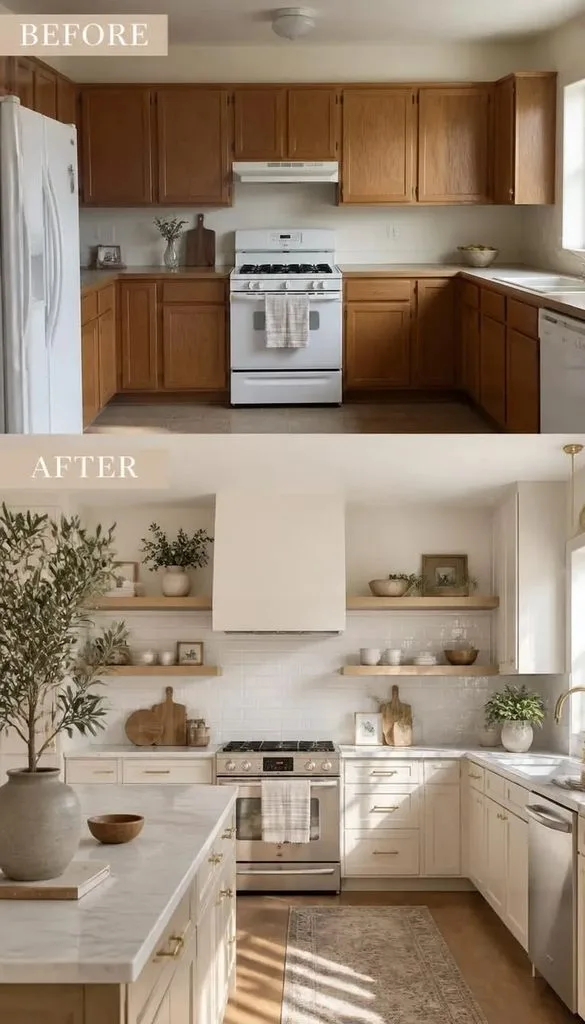
The best approach is to start at the lower end of each category, then splurge on one or two pieces that matter most to you. Refacing cabinets instead of replacing them, choosing vinyl plank over tile, and painting yourself can cut a project’s cost dramatically while still looking sharp.
The most common mistake is buying mid-range everything. Without clear priorities, you spread an inadequate budget too thin. Decide what matters, do it well, and go simpler elsewhere. Above all, fix function before finish. There’s no point in premium countertops if the cabinets are falling apart or the layout doesn’t work.
Bathroom Upgrades: Smaller Space, Strong Returns
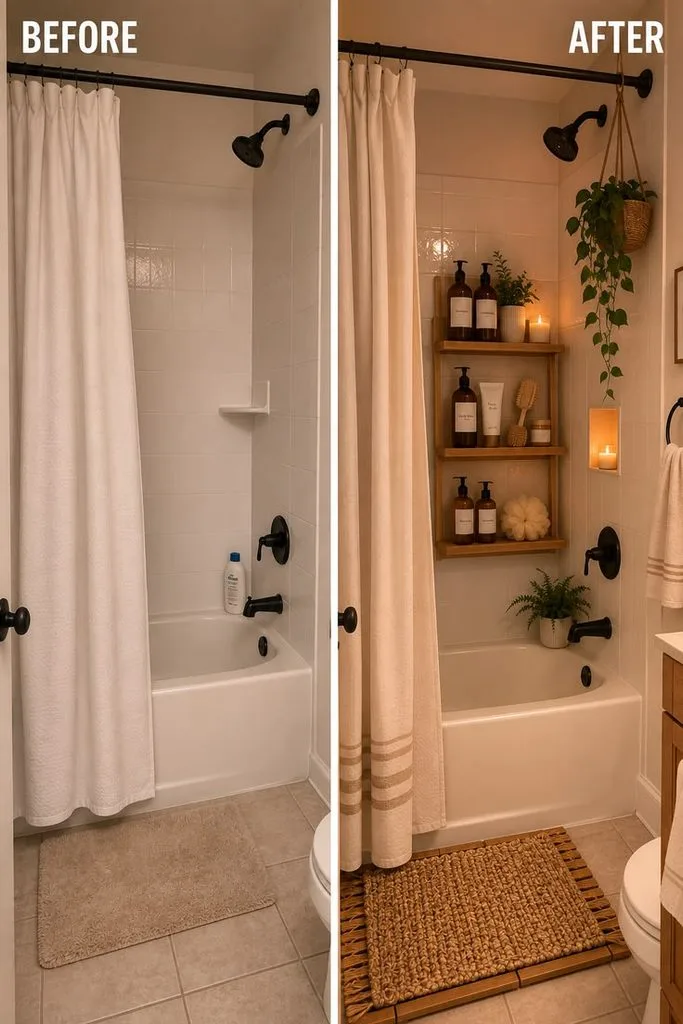
Bathrooms are compact, so labor is limited and projects finish faster. That makes them a smart starting point if you’re budget-conscious. Prioritize in this order:
- Water protection and flooring. Stop leaks and moisture before anything else.
- Working fixtures. Old plumbing puts buyers off. Choose reliable, not luxurious.
- Lighting. A dark bathroom feels smaller and gloomier.
- Appearance. Paint, tile, and hardware finish the look.
Sustainable Home Upgrading Mintpalment: Long-Term Value
Sustainable choices are increasingly good for your wallet and for resale appeal.
- Efficient HVAC keeps temperatures stable, uses less energy, and can last 15 to 20 years.
- Insulation and air sealing reduce heating and cooling demand and deliver steady savings.
- Water-efficient fixtures cut water use significantly. Modern toilets use 1.28 gallons per flush, versus 3.5 or more in older models.
- LED lighting uses roughly 75% less energy than incandescent bulbs and lasts many times longer.
- Durable, responsible materials such as bamboo, recycled glass, and reclaimed wood combine style with lower environmental impact.
Sustainability doesn’t always cost more. Often it simply shifts spending upfront and gives it back through lower monthly bills.
Plan a Realistic Timeline
Most homeowners underestimate how long renovation takes. A typical kitchen project looks like this:
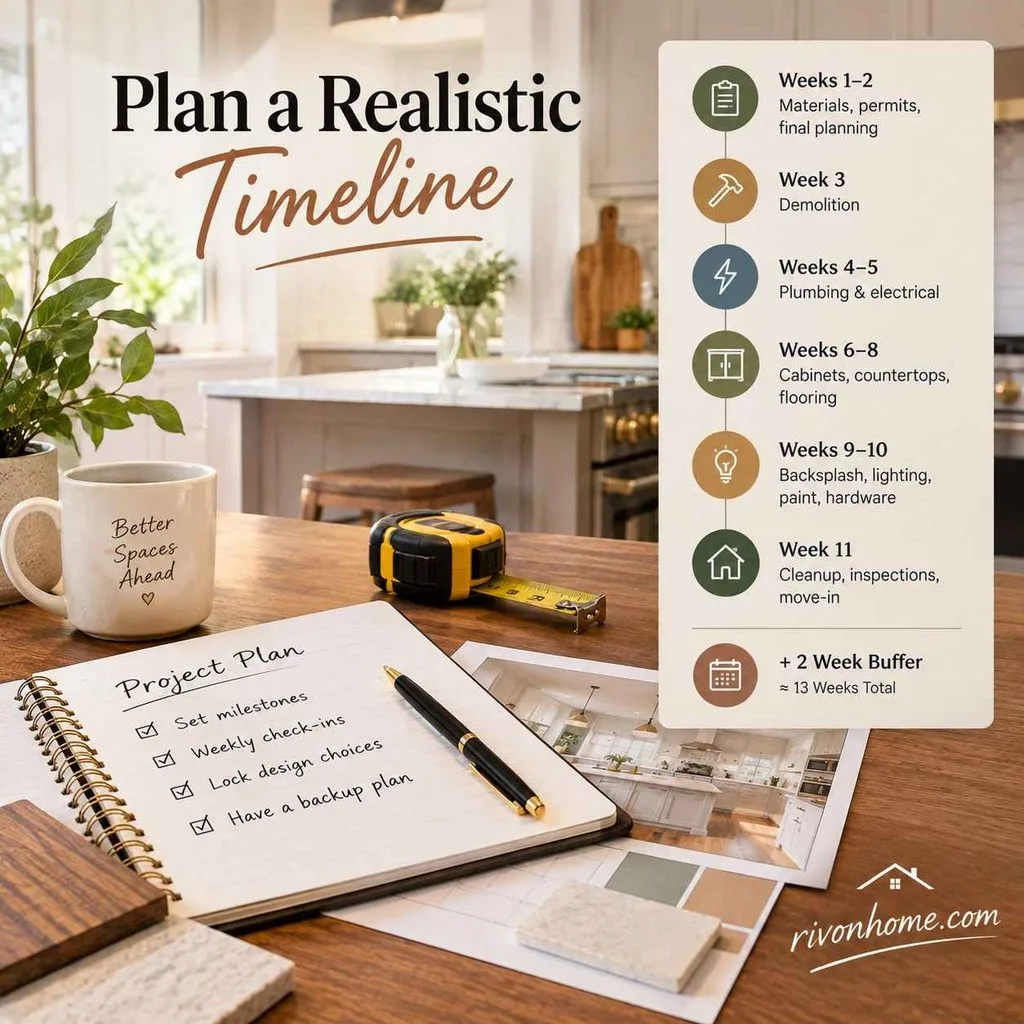
- Weeks 1–2: Ordering materials, permits, final planning
- Week 3: Demolition
- Weeks 4–5: Plumbing and electrical work
- Weeks 6–8: Installing cabinets, countertops, and flooring
- Weeks 9–10: Backsplash, lighting, paint, and hardware
- Week 11: Cleanup, inspections, and move-in
Add a two-week buffer, and you’re looking at roughly 13 weeks. If you’re living in the home during the work, plan for a temporary kitchen setup and plenty of disruption.
To keep the project on track, set specific milestones such as demolition by a set date and cabinets installed by another. Schedule weekly check-ins with your contractor, since most delays come from communication breakdowns rather than difficult work. Lock in your design choices before work begins, because mid-project changes cost both time and money.
Have a backup plan for major issues. If plumbing needs major work, do you know your contingency? Will you borrow more from your HELOC? Will you pause and restart?
Balance Resale Value With Daily Enjoyment
An upgrade doesn’t have to return 100% to be worthwhile. If you’ll live in your home for years, a project that makes daily life easier can be worth more to you than the resale math suggests. The real mistake is spending heavily on trendy finishes you’ll tire of in three years that also put off future buyers.
The best Home Upgrading Mintpalment projects do four things: they improve how you live, keep a neutral appeal, add measurable value through function, efficiency, or curb appeal, and stay within a budget that won’t cause financial stress.
Your Next Steps
- This week: Walk your home and sort every issue into critical, functional, and aesthetic.
- Next week: Request detailed quotes for your top priorities and calculate a realistic total with contingency.
- The week after: Choose a financing option and, if needed, split the project into phases.
- Then: Start phase one and track every cost as you go.
If you’d like professional help planning your layout, colors, and lighting before you spend, explore the interior design services at Rivon Home. A well-planned Home Upgrading Mintpalment project protects your budget, improves your daily life, and keeps your biggest investment working for you.
