There’s a point in most homes where things still work, but not quite the way they once did. A cabinet door meets the frame a little too firmly. Light lingers in the wrong places—too sharp in one room, not quite enough in another. Nothing is broken. Still, something shifts. Not enough to act on right away. Just enough to register, usually in passing.
Home improvement often begins there. Not with a full plan, but with small recognitions that build over time. The way a surface has changed after years of use. The way a room either holds attention or lets it drift. These details don’t ask to be fixed all at once. They accumulate. And gradually, they start to shape how a home feels to move through.
Refinement, then, isn’t about adding more. It’s closer to adjusting what already exists so it settles into place more naturally. Less resistance. Fewer small interruptions. A steadier kind of comfort that becomes noticeable only after it’s there.
The Garage Door, Seen Differently
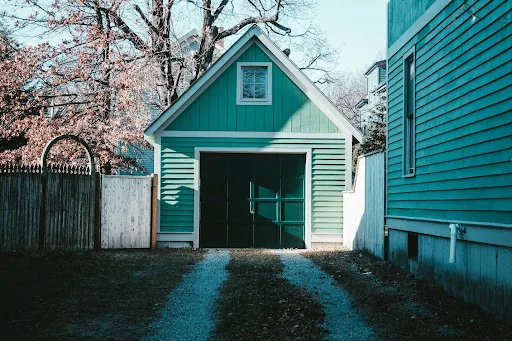
The garage door usually stays out of focus. It opens in the morning, closes at night, and sits quietly in between. Easy to overlook. Until, over time, it isn’t.
A panel sits slightly uneven. The finish loses its consistency. The sound changes—not suddenly, just enough to feel heavier than before. These shifts are small, but they gather. And because the garage door faces outward, they tend to shape how the home is seen before anything else does.
Garage doors are an essential part of any home, contributing to both functionality and overall curb appeal. That idea becomes clearer when the door is updated. The movement smooths out. The sound softens, almost fading into the background. It no longer draws attention each time it opens. Materials matter here, though not in a way that needs to be explained too much.
Light That Finds Its Place
Lighting changes how a space is experienced, often without being directly noticed. It’s not always about brightness. In fact, too much of it can make a room feel exposed, almost flat.
Layered lighting tends to work more quietly. A floor lamp that stays on in the evening. Under-cabinet lights that soften the edges of a kitchen. A dimmer switch that lowers the intensity just enough. These adjustments don’t draw attention to themselves, but they change how a room holds its shape throughout the day. Morning light feels different from evening light, and a home that responds to that shift begins to feel more balanced. Less forced. It’s not about making a space look better at a glance. It’s about letting it feel right over time.
The Kitchen, Eased Into Use
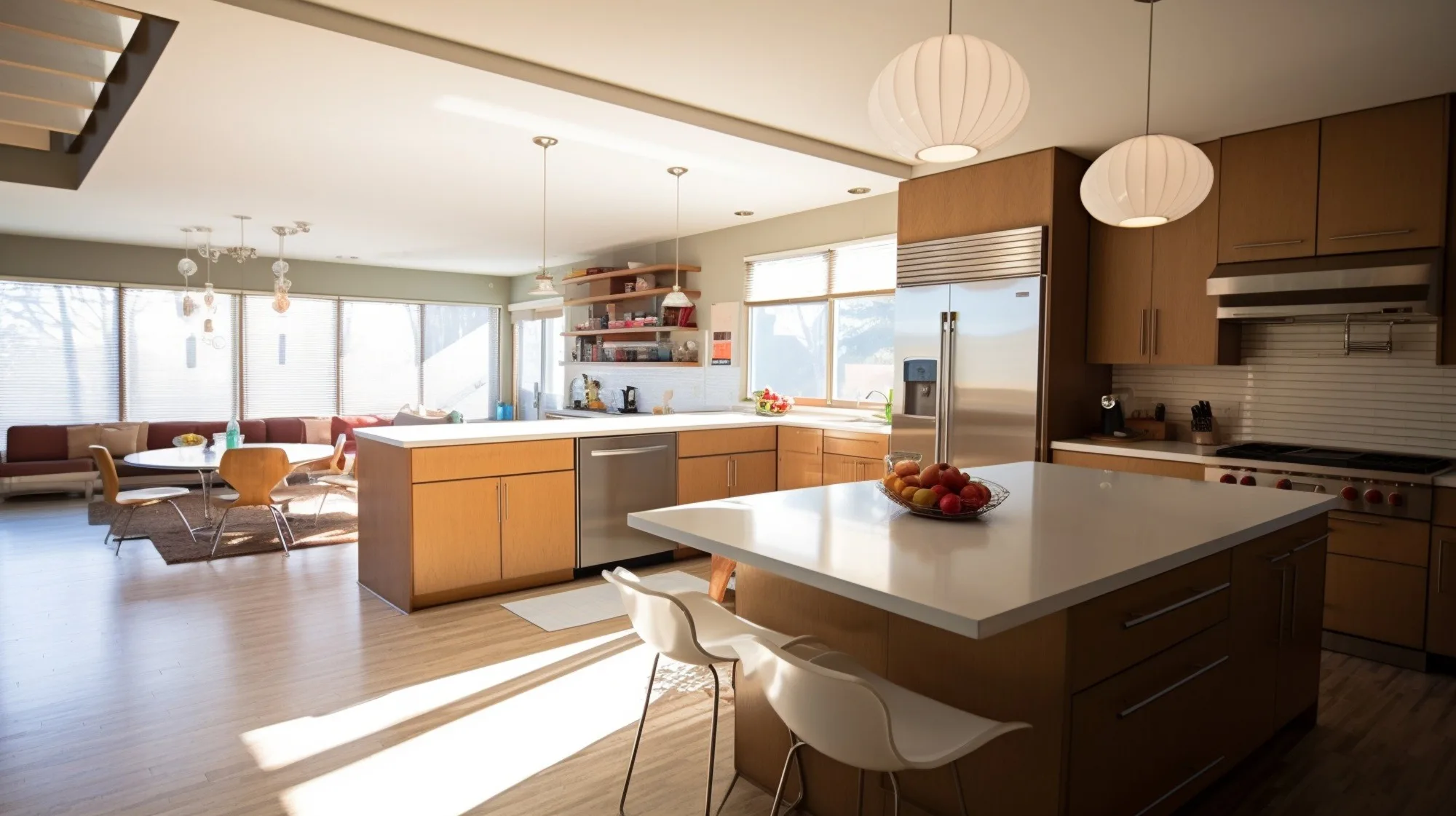
The kitchen tends to reveal its limitations quickly. It’s used often, sometimes without pause, and small inconveniences add up over time. A faucet that doesn’t quite move the way it should. Cabinet doors that close with a sharp sound. Countertops that require constant attention to stay clean. None of these issues are urgent on their own, but together they affect how the space feels.
Updates here don’t need to be extensive. A new faucet with a smoother range of motion. Soft-close hinges that reduce noise. Surfaces that are easier to maintain without constant effort.
Spaces That Allow for Stillness
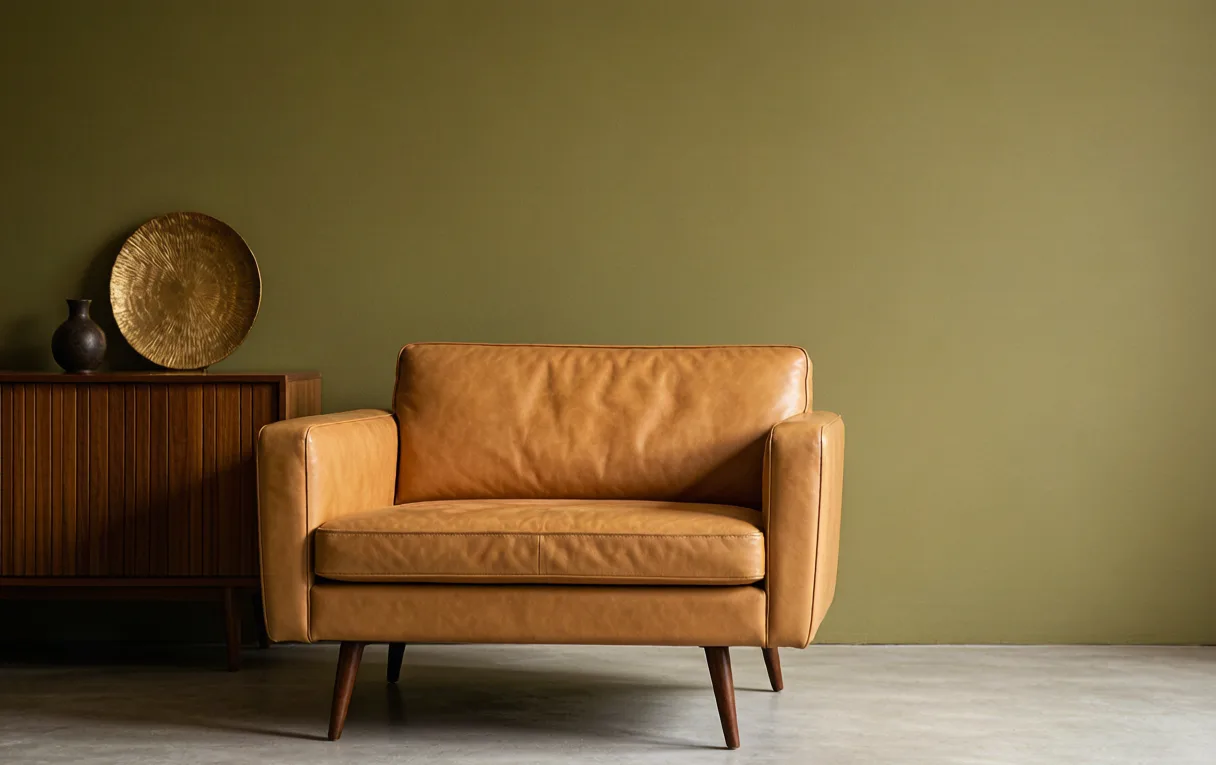
There are moments in a home that aren’t tied to function. A corner that catches light in the afternoon. A seat that ends up being used more often than expected. These spaces don’t need to be defined clearly. They just need to exist.
Creating them doesn’t require much. Sometimes it’s just about leaving room. Not filling every area with something. Allowing a space to remain open enough to be used in different ways. These quieter areas tend to become part of daily life in ways that aren’t planned. They offer a pause, even if it’s brief. And over time, they start to matter.
As updates are made, they stop feeling new. The garage door opens and closes without much thought. It no longer draws attention on the way in or out. Lighting settles into the background too, adjusting with the time of day in a way that feels natural rather than deliberate. Surfaces hold their place. They don’t need constant care or correction. They just… stay consistent.
After a while, nothing stands out for long. That seems to be when a home begins to feel more refined. Not because it looks noticeably different at first glance, but because it works more quietly. There’s less interruption in small, everyday moments.
It’s difficult to trace that feeling back to one specific update. No single change carries all the weight. Instead, it builds slowly, through a series of decisions that don’t always seem important on their own. Adjustments made over time. Materials chosen a bit more carefully. Layouts reconsidered without fully reworking them.