Outdoor areas have moved far beyond being simple add-ons to a home. They are now expected to carry the same level of intention as indoor spaces, where comfort, appearance, and usability all matter. A backyard, patio, or poolside zone should not just look good for a moment. It should perform well over time, handling daily use without constant fixes. That requires a think-it-through approach from the start, where every element is chosen with both form and function in mind.
A space that looks impressive but fails to support real-life use quickly loses its charm. On the other hand, a purely functional setup without visual appeal feels uninspired. The goal is to bring both sides together in a way that feels natural. Materials should last, layouts should make sense, and features should serve a clear purpose. Ever walked into a backyard that felt perfect without knowing why? That balance is not accidental.
Getting The Layout Right From Day One
The layout is where everything begins. Without a strong layout, even high-end finishes can feel misplaced. Outdoor spaces should be divided into zones that reflect actual use. Dining, lounging, and activity areas should connect smoothly without overlapping awkwardly. Movement should feel easy, not forced.
A common issue appears when design is driven by appearance alone. Seating may be placed where it looks best in photos rather than where it works best daily. Sun exposure, wind direction, and proximity to indoor areas should guide decisions. If guests must walk long distances between the kitchen and dining area, the experience suffers. Why create a beautiful setup that complicates simple routines?
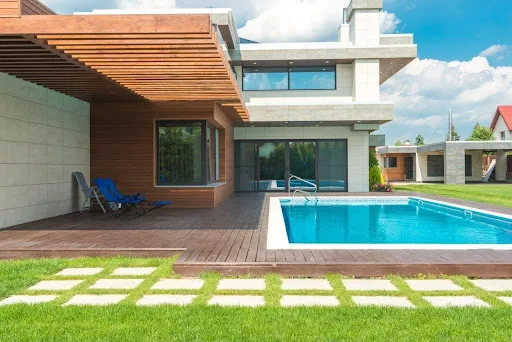
Pool areas often reveal this imbalance clearly. Visual upgrades take center stage, while the systems that keep everything running are pushed aside. This is where working with a reliable pool equipment repair company becomes essential, especially one trusted for handling complex systems and supporting both homeowners and other service providers. When equipment runs efficiently, the entire outdoor setup feels smooth and dependable. However, when pumps, heaters, or filters start failing repeatedly, even the most refined design quickly turns into an ongoing frustration.
Picture a gathering where the water is cloudy, the temperature is inconsistent, and maintenance issues interrupt the day. Now picture the same setting with everything running smoothly in the background. The second scenario feels effortless because the foundation is strong. Layout planning should always include these unseen elements, because they define how the space performs long term.
Choosing Materials That Can Handle Real Life
Materials should not only look appealing, they should handle the conditions they face every day. Outdoor environments expose surfaces to heat, moisture, and heavy use. Choosing the right materials means fewer repairs and less frustration later. Style should guide the decision, but durability should confirm it.
Slip resistance is one of the most important factors near water features. Pool decks, walkways, and transition zones should remain safe even when wet. Textured finishes often provide better grip without sacrificing appearance. A smooth surface may look sleek, yet it can quickly become a hazard.
Temperature control is another key factor. Dark surfaces absorb heat quickly, making them uncomfortable during warmer months. Lighter tones tend to stay cooler and make the area more inviting. However, lighter finishes may show dirt more easily, so placement and maintenance should be considered. This shift in material choices reflects how outdoor spaces are redefining modern lifestyles, where comfort is prioritized just as much as visual appeal. A well-balanced surface does not just look refined, it supports daily use without compromise.
Comfort Should Never Be An Afterthought
Comfort is what turns a good-looking space into one that is actually used. Without it, even the most stylish setup will be ignored. Seating, shade, airflow, and surface temperature all play a role in how the space feels.
Seating should support different activities. Lounge chairs work well for relaxation, while upright seating suits dining and conversation. A mix of options provides flexibility. Cushions should be weather-resistant and easy to maintain. If they require constant care, they will quickly become inconvenient.
Airflow also matters. Open layouts allow breezes to move through the space, improving comfort naturally. Enclosed areas may feel warmer and less inviting. Planning for airflow can make a noticeable difference.
Noise and privacy should be addressed as well. Screens, fencing, and greenery can reduce outside distractions. Water features can add a calming background sound. These elements make the space feel more relaxed and usable.
Small Features That Make A Big Impact
Details often define how a space performs over time. They may not stand out immediately, but they shape the daily experience. Lighting, storage, and maintenance access all contribute to both style and practicality.
Lighting should support both safety and atmosphere. Walkways, steps, and entry points should be clearly visible at night. At the same time, seating areas should feel warm and inviting. A combination of functional and ambient lighting works best. Harsh lighting can disrupt the mood, while soft lighting enhances it.
Storage solutions help maintain order. Outdoor spaces often collect items such as cushions, tools, and accessories. Without proper storage, clutter builds quickly. Built-in benches, storage boxes, and cabinets keep everything organized without affecting the design.
Bringing Everything Together With Purpose
A well-designed outdoor area feels complete because every element works together. There should be a clear connection between layout, materials, and features. Random additions often disrupt this balance. A cohesive plan keeps everything aligned.
Priorities should guide decisions. Core elements such as layout, materials, and systems should come first. Decorative features can be added later. This approach builds a strong foundation that supports long-term use.
Outdoor areas that offer both style and practical value are built through careful planning and thoughtful choices. Each decision, from layout to materials, plays a role in creating a space that feels both inviting and dependable. When everything works together, the result is more than just a visually appealing area. It becomes a functional part of daily life, one that continues to deliver value long after it is completed.