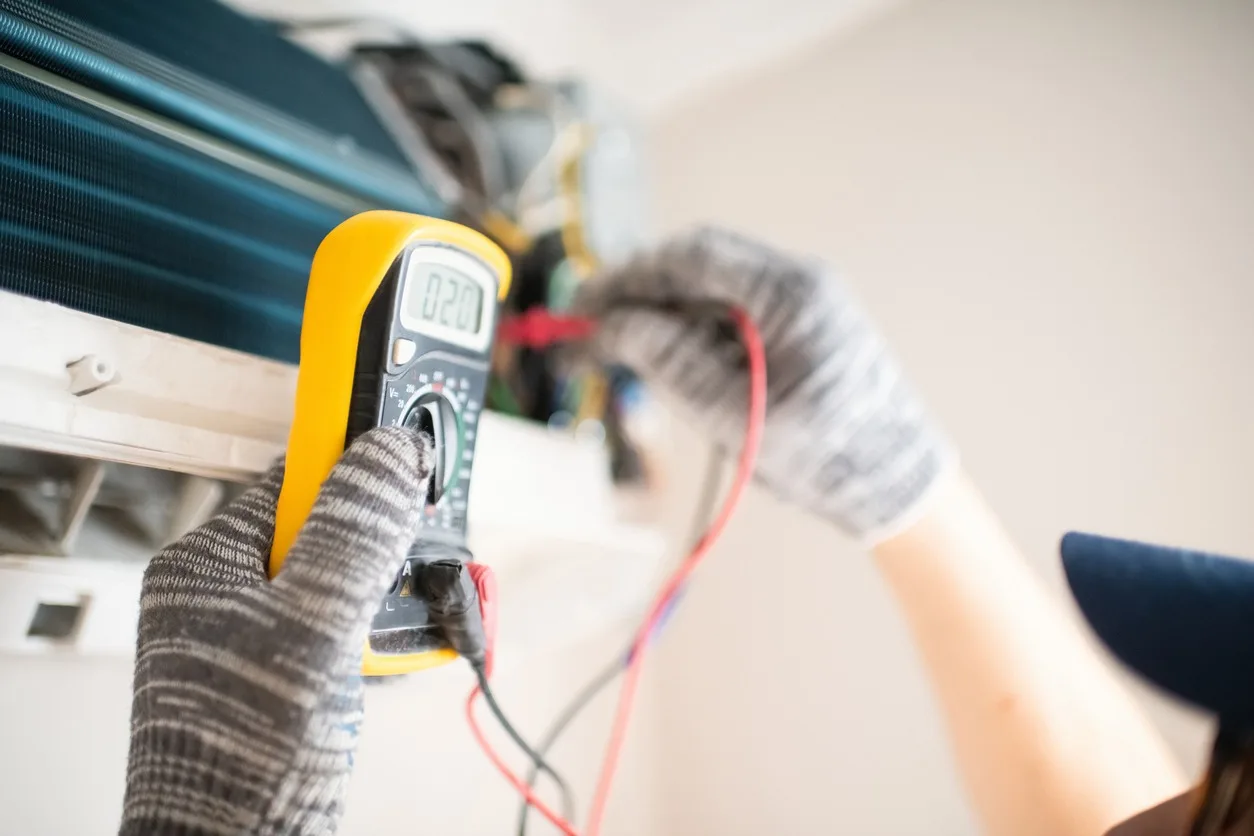
Your air conditioner needs servicing before summer when you notice weak airflow, warm air from the vents, unusual noises, musty odours, frequent cycling, or a sudden jump in energy use. These signals point to refrigerant, electrical, or airflow faults that worsen under heat. Booking AC repair in Calgary during spring lets a qualified professional catch the problem before peak demand arrives and minor issues turn into full breakdowns.
Introduction
The first truly warm weekend of the year is when most cooling systems get tested, and it is also when the phones at service companies start ringing without pause. A unit that sat idle through a long, cold stretch can hide faults that only surface under load. By then, the wait for a technician can stretch for days while your home heats up.
Reading the early signals is what separates a quick spring tune-up from an emergency call in July. A faulty capacitor, a slow refrigerant leak, or restricted airflow rarely fixes itself, and each one strains other parts over time. Acting early through professional residential AC repair in Calgary protects both your equipment and your budget.
The reality is that systems built for a demanding climate still depend on timely seasonal care to perform when the heat finally settles in.
How to Tell Your Cooling System Is Struggling
Most cooling failures announce themselves well before the system quits entirely. The trouble is that early signals are subtle, easy to rationalize away, and often blamed on the weather rather than the equipment. Paying attention to how the unit sounds, smells, and performs gives you a reliable window for action.
Performance Clues You Can Feel
When a system loses capacity, the first thing you notice is comfort that no longer matches the thermostat. An air conditioner not cooling to the set temperature usually points to low refrigerant, a dirty evaporator coil, or a struggling compressor. Patchy airflow and rooms that never quite settle are related symptoms worth tracking.
Watch for these performance signals as the season warms:
- Warm or lukewarm air from vents that should feel cold
- Weak airflow that leaves some rooms noticeably hotter than others
- Short cycling, where the unit switches on and off in rapid bursts
- A steady climb in energy use without any change in habits
Sounds and Smells That Signal Trouble

A healthy unit runs with a consistent, low hum. Grinding, buzzing, or metallic rattling tends to mean loose hardware, a failing motor bearing, or an electrical fault that deserves prompt attention. Musty odours often trace back to microbial growth on a damp coil, while a sharp, burning smell suggests overheating wiring that should be powered down at once.
Pro Tip: Before you assume the worst, replace a clogged filter and clear at least half a metre of space around the outdoor condenser. Restricted airflow mimics serious faults and quietly raises the static pressure your blower fights against every cycle.
The result is a clearer picture of whether you face routine upkeep or a developing fault that needs a closer diagnostic look.
What Shapes the Cost of a Cooling Repair
Once a fault is confirmed, the next question is what the fix involves and how the price is set. Repair costs track the affected part, the labour required, and whether refrigerant work is needed.
Common Faults and Typical Severity
The table below compares frequent issues by usual cost level and urgency, giving you a sense of what to expect before a professional arrives.
| Fault | Typical Cost Level | Urgency |
| Clogged filter or dirty coil | Low | Routine |
| Failed capacitor or contactor | Low to moderate | Soon |
| Refrigerant leak and recharge | Moderate | High |
| Blower motor replacement | Moderate to high | High |
| Compressor failure | High | Critical |
These figures shift with system size and age, yet the pattern holds. Electrical components stay affordable, while sealed refrigerant and compressor work sits at the top of the scale.
Repair or Replace
A practical benchmark helps when invoices start adding up. If a single fix approaches half the price of a new system, or the unit is past twelve years old with recurring faults, replacement usually wins on a five-year basis. Quality residential air conditioner repair weighs the age, efficiency, and condition of the hardware rather than defaulting to either path.
Factors that push the decision toward replacement include:
- Repeated breakdowns within a single season
- Rising bills despite recent servicing
- An ageing refrigerant type that is costly to source
Understanding these cost drivers prepares you to compare quotes with confidence and to recognize fair, transparent pricing when help arrives.
Booking a Pro Before the Summer Rush
Timing your service call matters as much as spotting the fault. Spring scheduling secures faster appointments and catches small problems before warm weather strains the system.
Why Spring Beats Summer
Demand spikes the moment temperatures climb, and appointment slots fill quickly across the region. Booking AC services in Calgary in the cooler weeks gives a qualified professional room to inspect thoroughly rather than rush a fix under pressure. Early diagnostics also expose hidden weaknesses, such as tired capacitors or rising static pressure, that a quick summer patch tends to miss.
A sound spring visit generally covers:
- Refrigerant pressure and charge verification
- Capacitor and electrical contact testing
- Coil cleaning and condensate drain inspection
- Airflow and blower performance checks
Choosing the Right Help
Credentials matter when you hand over your equipment. A licensed Calgary AC technician should explain findings in plain terms, quote openly, and favour repair over needless replacement. That approach protects both your comfort and your long-term costs.
Staying Ahead of Cooling Trouble
Early signals rarely lie. Weak airflow, odd sounds, climbing bills, and uneven comfort all point to faults that grow worse under summer load. Reading them early, understanding what a fix should cost, and booking service before demand peaks keeps your system dependable through the hottest months. Timely AC repair in Calgary turns a likely mid-season emergency into simple, planned seasonal care.