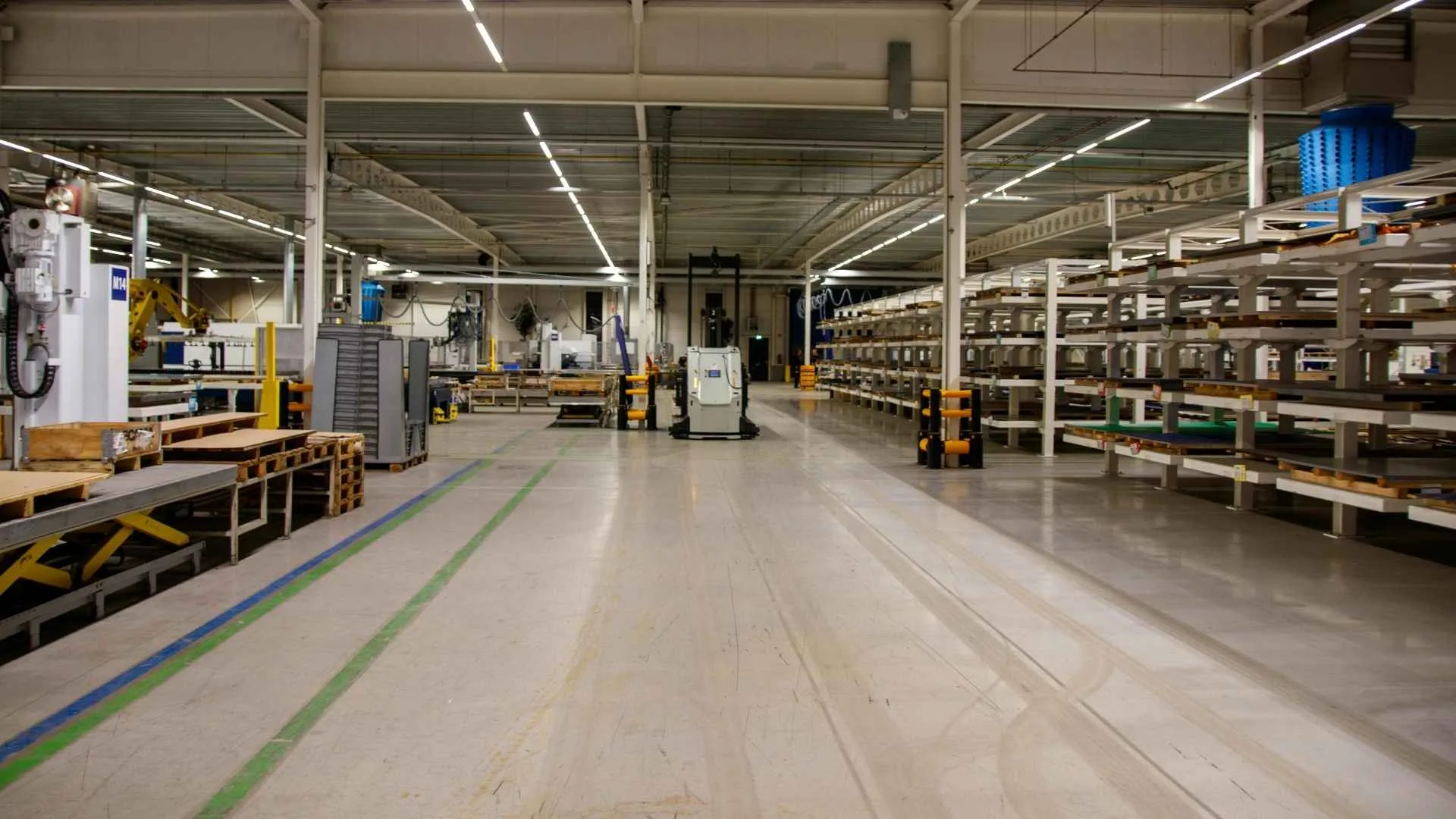
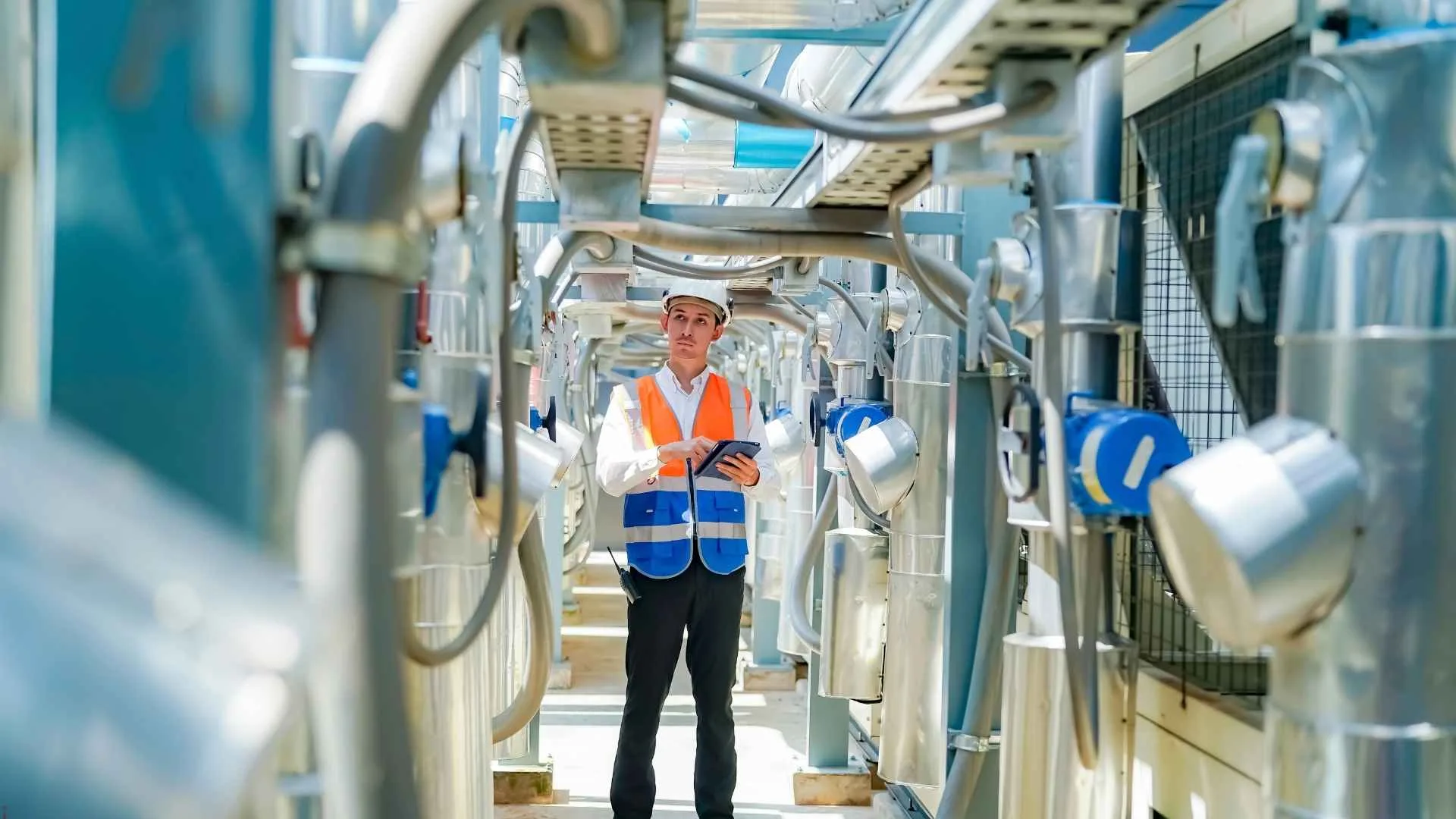
The efficiency of a construction site depends on the equipment it uses. Planning machinery into construction workflows can help onsite crews avoid a number of issues including:
- Site disruptions
- Unscheduled downtime
- Access issues
- Material handling bottlenecks
Scheduling equipment delivery as per project phases, site conditions, and crew requirements can minimize these issues and promote productivity.
Why Equipment Planning Matters to Construction Timeline
While materials and labor play an important role in keeping construction timelines on track, equipment planning can influence schedules too. Even if the arrival of a single machine is delayed, it can have a downstream effect on the entire project. That is why effective equipment planning is a must.
How equipment availability affects project schedules
If a particular machinery is not available when required, crews have no choice but to halt work. While they have the flexibility to rearrange tasks, they may still have to wait for the appropriate equipment to arrive onsite. An overall delay in construction timelines is inevitable.
The cost of equipment-related delays
The problem with equipment-related delays is that their impact is not restricted to deadlines. It extends to include rising projects as well. As your project is forced to shift to a later deadline, you have to pay extra for crews, rentals, and rescheduled deliveries.
Connecting equipment planning with overall project coordination
However, if equipment delivery is coordinated with project phases, some of the associated delays and costs can be mitigated at the very least. Machinery that arrives on time exactly when it is needed is bound to increase onsite efficiency.
Common planning gaps that create avoidable delays
That said, some of the major reasons for equipment-induced delays include last minute rentals, incorrect equipment sizing, inadequate site preparation and lack of planning in terms of machinery transportation and set-up.
Identify Equipment Requirements Before Work Begins
One of the simplest and most effective ways to prevent equipment-related delays is to closely evaluate machinery requirements before work begins. Knowing what is needed when and in which size in the early stages of a project is key to confirming machine availability and avoiding unplanned shortages.
Map equipment needs to each project phase
Divide your construction project into individual phases based on the machines each phase will require. For example, excavation can be the first phase with its own equipment requirement, while structural work and finishing work can have their own.
Assess access, height, and workspace requirements
Before bringing an equipment onsite, evaluate its dimensions against your project’s working heights, entrances, clearances, turning areas, and available workspace. This helps in planning machine access routes and positioning spots.
Determine material handling requirements
Identify all of the materials and tools that will have to travel through the site for use when required. Planning how materials move reduces excess manual handling and associated delays.
Match equipment capacity to project demands
Every equipment that shows up onsite should be in the right specifications as per your project’s requirements. This includes their reach, lifting capacity, power or operating time so there is no need to order replacements.
Account for site conditions and restrictions
Sometimes a chosen equipment might seem right on paper but real-world conditions may call its feasibility to question. Hence, account for slopes, ground conditions, weather, floor loading requirements, and restricted access in equipment planning.
A quick checklist of factors that can affect equipment selection include:
- Project scope
- Working heights
- Floor load-bearing capacity
- Ground conditions
- Site access
- Equipment dimensions
- Machine operating durations
Choose Equipment Based on the Job Site
Just like the requirements of each project are different, so are its working conditions. Oftentimes, the best equipment for a particular site might not be the one that is conventionally used, but rather one that is capable of working around its limitations.
Evaluating equipment size and maneuverability
Large-scale or full-size machines are out of the question for busy construction sites. Compact machinery, on the other hand, is better equipped to navigate around existing structures or work in crowded areas. For example, a spider lift provides the kind of reach and access elevated work needs without being bulky or hard to reposition.
Matching equipment to confined or restricted spaces
Measuring access points before ordering machinery can prevent delivery problems to a great extent. It also ensures the smooth transfer of the equipment at the intended location.
Considering indoor and outdoor operating conditions
Work on construction sites is not restricted to the exteriors of a building, it takes place indoors too. Selecting equipment with low emission and noise levels might be better for interior work, while outdoor tasks may require more robust machines.
Evaluating equipment mobility and setup requirements
Machines that can be quickly transported and repositioned are better for active sites that are divided into multiple service areas and work zones.
Balancing capability with project efficiency
Instead of opting for the most powerful machinery, you might be better off choosing an equipment that is more capable and efficient in the working environment your project presents.
Plan Material Movement to Prevent Workflow Bottlenecks
Even material movement is dependent on the right machinery. Gone are the days when your crew had to break their backs to carry heavy loads from Point A to Point B. Now you can use equipment like forklifts, cranes or conveyors to get things across. However, bottlenecks can still arise if your plan to move materials is not optimized.
Identify high-frequency material movement
Certain tools, materials, and components are likely to travel more than others. Identifying where these repetitive movements occur can help streamline transfers between staging, storage, and work areas. Gravity-assisted systems are particularly helpful in this regard. For example, a gravity conveyor can reduce handling bottlenecks while supporting controlled material movement.
Plan staging and transfer points
Having designated spots for each not only prevents site clutter but it also minimizes disruptions in active work zones, thereby preventing any unnecessary delays.
Reduce unnecessary manual material handling
Reduce manual handling of materials to the extent possible. It is risky, inefficient, and prevents your crews from spending more time on actually productive construction activities.
Coordinate material delivery with installation schedules
Make sure all the materials scheduled to arrive are delivered in accordance with the pace of your project. This reduces congestion, unnecessary storage, and the possibility of damage onsite.
Avoid congestion around active work areas
When planning material routes, take into the account the location of workers, machinery, and delivery spots. This minimizes friction and conflicts during working hours.
Coordinate Equipment With the Construction Schedule
Poorly planned schedules can cause delays even if the most appropriate equipment arrives onsite. If you are the construction manager on your site, you should treat equipment availability and delivery schedules as an important part of your planner. Coordinating machinery with crews and its actual use can keep expensive rental fees in control by preventing idle machine hours.
Create an equipment schedule for each project phase
Make a list of every single piece of equipment required in each major phase to determine when it needs to arrive and when it should be shipped back.
Coordinate deliveries and equipment availability
Confirm rental periods with selected vendors and choose the most appropriate delivery windows well before the beginning of each project phase to prevent delays.
Account for setup and changeover time
Construction machines are not plug-and-play tools. When planning schedules, factors such as transportation, inspection, assembly, positioning, and site preparation should be accounted for.
Plan around subcontractor requirements
Shared equipment schedules should be coordinated between contractors to prevent competing demands from interrupting the planned schedule.
Build contingency into equipment scheduling
A contingency plan takes bad weather, schedule changes, equipment faults, and other unexpected occurrences into account so that delays can be minimized.
Concrete steps to prevent equipment-related delays must include:
- Dividing the project into manageable chunks
- Identifying the machinery needed for each phase
- Selecting vendors and confirming machine availability
- Scheduling delivery well in advance
- Planning setup and coordinating machine use with crews
- Preparing a contingency plan for unexpected delays
Prevent Equipment-Related Delays During Construction
Scheduling when equipment arrives is the first step to preventing delays. The next step involves ensuring it remains operational throughout the project. While small repairs may not cause a major ripple effect, failures and breakdowns can and they must be prevented at all costs.
Conduct pre-use equipment checks
Check the machine’s essential functions and its body as soon as it arrives to rule out any major defects, faults, or damages that hinder safe use.
Schedule preventive maintenance
Planning preventive maintenance around equipment usage prevents servicing from unexpectedly halting essential construction activities.
Keep operators properly trained
Only hire trained operators who understand how to use the machine concerned so accidents and faults can be prevented.
Establish backup equipment options
Have an alternative equipment or supplier at the ready for critical construction tasks so that major delays do not occur.
Monitor equipment performance throughout the project
Check equipment performance periodically to identify faults and operational issues before they cause larger disruptions.
Factors that support the maintenance of optimal equipment performance include:
- Regular equipment inspections
- Scheduled preventive maintenance
- Operation by trained personnel only
- Fuel top-ups or regular charging
- Emergency support arrangements
Improve Communication Between Contractors and Equipment Suppliers
Transparent communication between contractors and equipment suppliers is the stepping stone of equipment planning. By trading pivotal information, both of them can work together to sort out the procurement and delivery of the most appropriate machinery.
Share project requirements early
As a contractor, you must provide your suppliers with all the information they need about your project, including its load requirements, access conditions, working heights etc. so they can suggest the best options.
Confirm specifications before delivery
You must verify the dimensions, capacity, power requirements etc. of the ordered machines before they are delivered to avoid replacements.
Communicate schedule changes promptly
Any changes to the work sequence or project dates must be conveyed in advance so vendors can plan delivery schedules accordingly.
Clarify responsibilities for setup and maintenance
Confirm who is responsible for delivery, setup, inspections, servicing, and other equipment-related functions.
Maintain clear equipment documentation
Store all related documentation such as rental agreements, inspection records, operating information etc. safely so they can be furnished when needed.
Build an Equipment Planning Checklist for Every Project — 120 words
Turning an efficient and successful planning process into a template can help you optimize machine planning on future projects. Make sure it includes the following:
Project requirements
Define the tasks your project requires and list the machines that support their completion. Be sure to include working conditions, expected runtimes, and load and height requirements as well.
Equipment selection
Verify that the specifications of shortlisted machines match their intended applications and requirements.
Availability and scheduling
Make sure your chosen equipment is available for the entire prefixed rental period and plan delivery of the same according to your project’s schedule.
Site preparation
Get your site ready for machine delivery by ensuring it gets safe access routes, storage locations, and designated positioning areas for maximum efficiency.
Safety and operator requirements
Double check operator qualifications and training requirements and make sure they follow safe operating procedures when the equipment is being used.
Contingency planning
Have alternatives for critical equipment ready along with a well-developed emergency response plan so unexpected delays can be dealt with promptly.
Conclusion
Equipment planning is a mix of two very strong efficiency drivers – scheduling strategy and equipment strategy. With both of them sorted, you can maximize onsite productivity and prevent delays from taking over your project. So be sure to make equipment planning a critical part of every construction schedule and enjoy the perks of predictable workflows and stronger onsite productivity.