If you own a home in Central Texas that was built before the 1990s, you already know the drill. One room roasts while another feels like a meat locker, the utility bill climbs every August, and no amount of fiddling with the thermostat seems to even things out. It’s not your imagination, and it’s usually not your AC unit’s fault either. The problem is almost always the ductwork, or the lack of a smart way to move air where it’s actually needed, especially in homes that have been added onto or remodeled over the decades by different owners with different priorities.
Homeowners tend to assume the fix is a bigger, more powerful central system. Sometimes that’s true. But increasingly, folks are discovering that the smarter, cheaper, and less invasive answer is a zoned approach to heating and cooling that doesn’t rely on a maze of ducts running through the attic at all. It’s worth understanding why before you spend money on the wrong fix and end up right back where you started a year later.
The Hidden Cost of Old or Poorly Designed Ductwork
Ducts leak. It’s just a fact of aging homes. Over the years, the seals crack, the insulation sags, and rodents or renovation crews leave gaps that nobody notices until an energy audit turns up shocking numbers. Some older homes lose a third of their conditioned air before it ever reaches a vent. That means you’re paying to cool or heat your attic, not your living room, and the system has to run longer and harder just to hit the temperature on your thermostat.
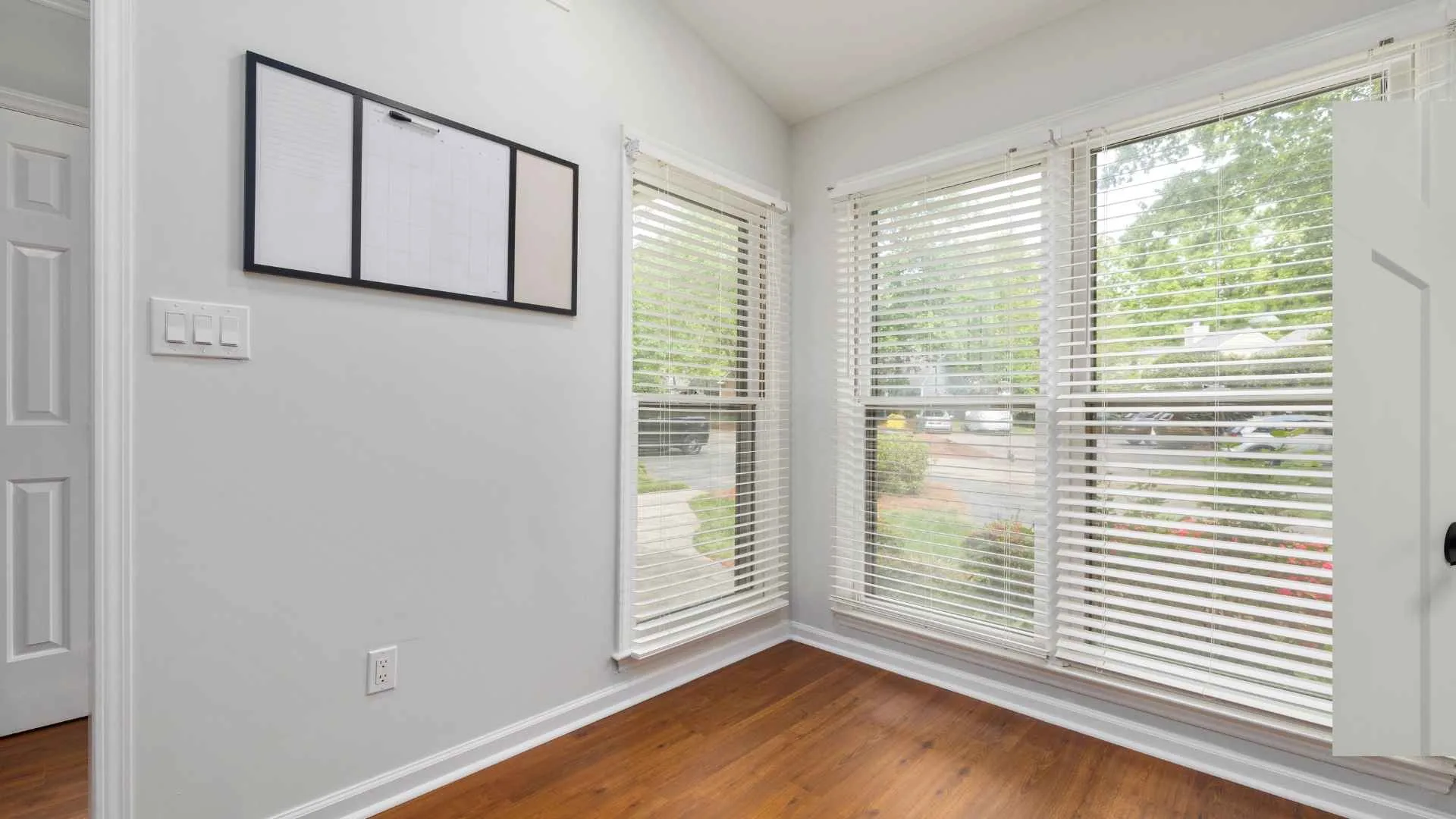
Retrofitting ductwork is possible, but it’s messy, expensive, and sometimes structurally impossible if the home was built with additions or converted spaces never designed for central air. Sunrooms, converted garages, and finished attics are notorious for being either too hot or too cold no matter what the rest of the house is doing, because whoever built them never ran a proper supply line out to that part of the house.
This is exactly the kind of situation where a ductless system starts to make a lot of sense. Instead of forcing air through a network of hidden channels, each room or zone gets its own small unit connected by a slim conduit through the wall. No major construction, no tearing into drywall, and no more losing a third of your cooled air to a hot attic before it ever reaches you where you’re actually sitting.
Room-by-Room Control Changes How You Actually Live
One of the underrated perks of a zoned setup is that you stop paying to condition rooms nobody’s using. Guest bedroom sits empty most of the year? Turn it down. Home office only gets used on weekdays? Set a schedule. It sounds small until you see how much it shaves off a summer electric bill.
This is also why so many homeowners in Waco and the surrounding area have started asking installers specifically about ductless mini splits waco tx options when they’re dealing with additions, garage conversions, or older houses where running new ductwork just isn’t realistic. The technology has come a long way from the noisy window units of decades past. Modern systems are quiet, efficient, and can heat as well as cool, which matters during the occasional hard freeze that catches everyone off guard here in Central Texas.
There’s also a comfort argument that doesn’t get talked about enough. Central systems cycle on and off based on one thermostat reading for the whole house. A zoned system responds to what’s actually happening in each space, so you don’t get that clammy period right after the AC kicks on, or the chill that lingers after it shuts off. Each room settles into its own comfortable temperature and mostly stays there, which is a genuinely different way of living day to day.
What to Ask Before You Commit
Not every home needs a full-house ductless conversion. Sometimes the smartest move is a hybrid setup: keep central air for the main living areas and add a mini split for the problem room that’s never been comfortable. A qualified technician can walk your home, look at insulation levels, window placement, and sun exposure, and tell you honestly where a zoned unit will make the biggest difference versus where your existing system is doing just fine already.
Ask about the SEER rating of any unit you’re considering, how the installer handles the exterior line set (it should be tucked away neatly, not just dangling down a wall), and what the warranty covers for both parts and labor. Ask, too, how many indoor heads a single outdoor condenser can support, since that affects whether you can expand the system later if you decide to add another zone down the road. A rushed install is where most future headaches come from, not the equipment itself, so take the time to compare a couple of quotes before signing anything.
It’s also worth asking how noisy the indoor unit is at various fan speeds, since that head sits right in the room you’re trying to make comfortable, unlike a central system where the noisy parts are tucked away outside or in a closet. A quality unit should barely register above a whisper on its lowest setting, which matters a lot in a bedroom where you’re trying to fall asleep.
Comfort shouldn’t depend on which room you happen to be standing in. Whether you’re tackling one stubborn space or rethinking how your whole house handles Texas summers, it pays to get a second opinion from someone who installs these systems every day rather than guessing based on what worked for a neighbor’s house down the street. A little research upfront goes a long way toward making sure the money you spend actually solves the problem for good.