For Florida homeowners, hurricane season is a yearly reminder that a home’s doors and windows are its first line of defense against a storm. Hurricane impact doors are built to stand up to high winds and flying debris, and they have become a common upgrade across the state. This guide explains what impact doors are, how they are rated and tested, and what to weigh before choosing one. Suppliers such as JMD Global serve homeowners across Florida, and understanding the basics first helps you ask the right questions.
What Are Hurricane Impact Doors?
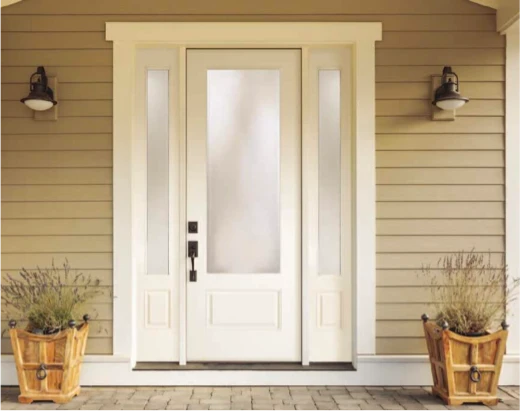
Hurricane impact doors, also called impact resistant doors, are exterior doors designed and tested to resist specified wind pressures and impacts from windborne debris. Unlike a standard exterior door, an impact door is built and tested to meet impact-resistance requirements. The term covers several door types, including front entry doors, French doors and sliding glass doors, as long as the door itself is rated to meet those standards.
In Florida and other coastal areas, these are often simply called hurricane doors. They are usually part of a broader approach to protecting a home during storm season, alongside impact-rated windows and other measures. Homeowners searching for hurricane impact doors in Miami or across South Florida are usually looking at this whole picture, not just a single door.
Why Impact Doors Matter in Florida
Florida’s exposure to tropical storms and hurricanes makes impact protection a practical concern rather than a luxury. During a storm, wind-driven debris can break a standard door or its glass, and once the building envelope is breached, pressure can build inside and cause further damage. An impact-rated door is designed to stay intact and in its frame under those conditions.
Interest is especially high in storm-exposed areas. Searches for impact doors in Broward County, impact doors in Fort Lauderdale and hurricane front doors across Florida reflect how seriously homeowners in these regions take storm protection. Requirements can also vary by location within the state, which is one reason the same door is not automatically suitable everywhere.
Materials Used in Impact Doors
Impact doors are built from several materials, and the choice affects performance, upkeep and appearance over time.
| Material | Notes |
| Fiberglass | Resists corrosion and handles humidity and salt air well; available in a range of finishes |
| Steel | Strong, but can corrode in salt air unless well coated and maintained |
| Aluminum | Used in many impact-rated systems, especially for larger sliding or French configurations |
| Wood | Less common in fully rated systems; usually paired with reinforcement to meet testing |
No single material is automatically right for every home. The best fit depends on the door type, the local conditions and how the door will be used.
How Impact Doors Are Rated and Tested
Impact ratings come from standardized testing, not from how sturdy a door looks. In large-missile impact testing, a door is struck with a heavy object, often a length of lumber, fired at a set speed to simulate windborne debris. The door and its glazing need to remain intact and stay in the frame afterward.
Testing also accounts for design pressure, which measures how much wind force a door assembly can withstand without failing. Design pressure requirements vary with a building’s location, height and exposure, which is part of why the same door is not rated the same way everywhere. Doors that pass are documented through product approval listings or labels referencing the standards they were tested against, and these requirements can differ by jurisdiction.
How to Tell If a Door Is Already Impact-Rated
If you are evaluating a home with doors already installed, a few things help confirm whether they are genuinely impact-rated:
- Labels or markings. Many impact-rated doors carry a permanent label or etched marking, often on the frame or glass, referencing the standard or approval.
- Documentation. Permit records, product manuals or installer paperwork from a build or renovation may identify the door and its approval.
- Local records. Some building departments keep searchable product approval records if you have a model or approval number.
Appearance alone does not confirm a rating. Missing or mismatched labels are common in older installations, so it is worth verifying through documentation rather than assuming.
What to Consider When Choosing an Impact Door
Choosing a hurricane impact door usually means weighing several factors together:
- Door type. An entry door, a sliding glass door and a French door each have different structural considerations.
- Material. Fiberglass, steel, aluminum and wood each come with different tradeoffs around corrosion, maintenance and appearance.
- Location and exposure. A door facing open water and direct wind has different requirements than a sheltered one, even nearby.
- Local requirements. Codes, insurance considerations and a homeowners association’s rules may narrow the options.
- Verification. Confirm that the specific door and rating apply to your project’s location and requirements.
Homeowners comparing impact entry doors in Florida, or weighing hurricane doors in Miami against options in Fort Lauderdale, should keep in mind that approval and design pressure requirements can vary by exposure and jurisdiction.
Where to Start
If you are researching storm protection as part of a larger project, it helps to start with a supplier that carries a range of exterior door styles and can point you toward the right options for your home. JMD Global’s exterior doors category covers front and entry doors for homes across Florida, a useful first step before narrowing down to impact-rated choices for your location.
Hurricane Impact Doors FAQ
What is a hurricane impact door? An exterior door designed and tested to resist high winds and windborne debris, meeting impact-resistance standards. It can be an entry door, French door or sliding glass door.
Are hurricane doors required in Florida? Requirements vary by location and jurisdiction within the state. Storm-exposed areas often have stricter requirements, so check local rules for your address.
How can I tell if my door is impact-rated? Look for a permanent label or etched marking referencing a standard, and check permit or installer documentation. Appearance alone does not confirm a rating.
What is the best material for an impact door in Florida? Fiberglass is popular for its resistance to humidity and salt air, while aluminum is common in larger glass systems. The best fit depends on the door type and location.
Do impact doors replace storm shutters? Impact doors are one part of a storm-protection approach and are often used alongside impact-rated windows. Whether additional measures are needed depends on the home and local requirements.