Older homes sell on two things: what buyers can see, and what they suspect is hiding behind it. The work that lifts a sale price is usually the work that removes doubt, not the work that photographs well. Here are six areas worth your budget, roughly in the order most sellers should tackle them.
1. Carry out a building and pest report
Buyers commission their own inspections, and anything the report finds becomes a bargaining chip. For buyers in Victoria, a Melbourne Building and Pest Inspection can help identify potential building defects and pest issues before committing to a property. Commissioning your own first, usually $500 to $800, gives you the choice: fix the problem, get quotes so a buyer is looking at a known cost instead of an unknown one, or price accordingly and say so upfront.
In homes built before 1980, the usual findings are perished terracotta or cast iron drainage, borer in floorboards, subfloor moisture, rusted lintels above brick openings, and old electrical work that was never certified. None of these are deal-breakers on their own. Discovering them a week before settlement is.
2. Put the budget in the kitchen (not the second bathroom)
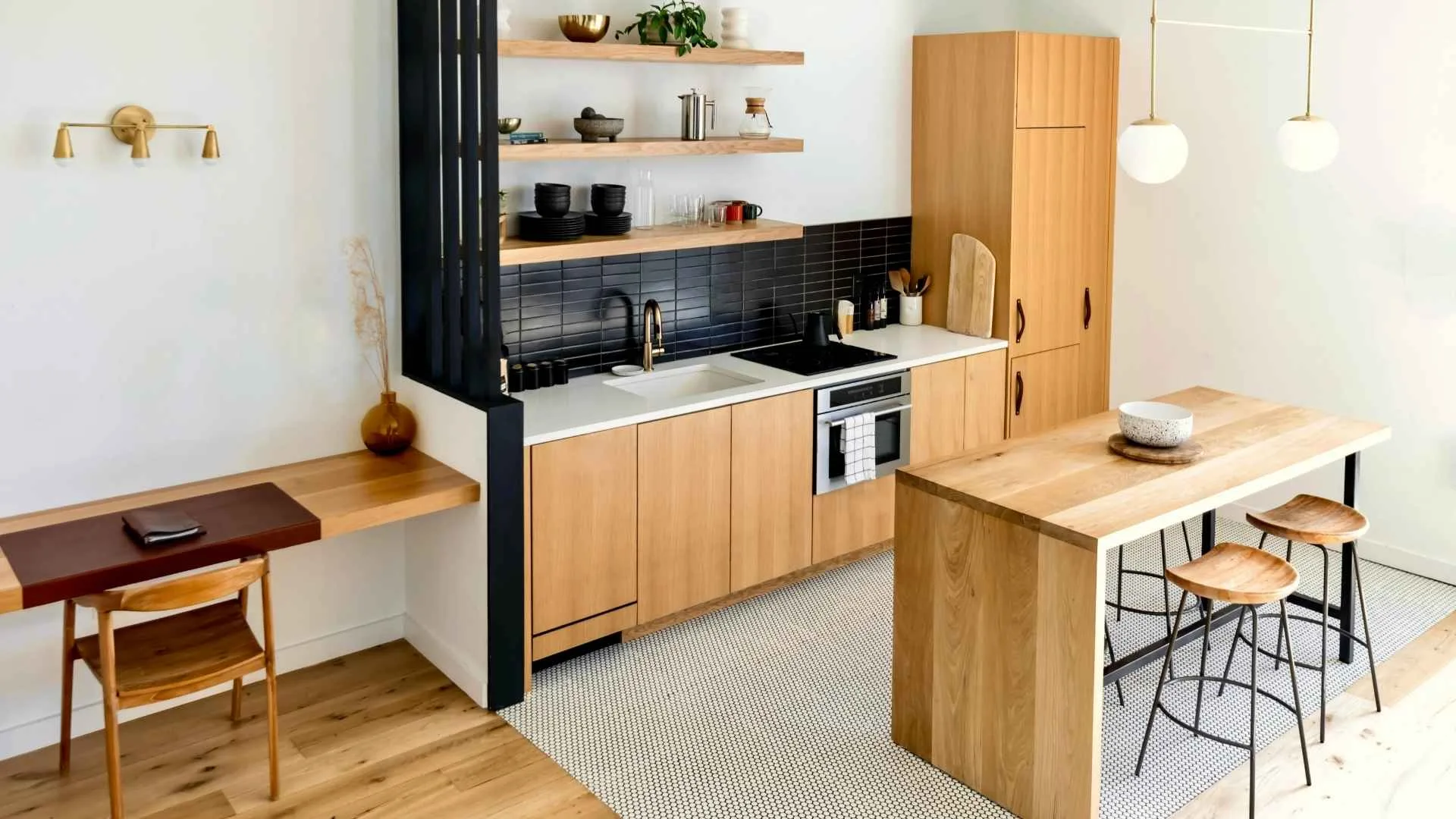
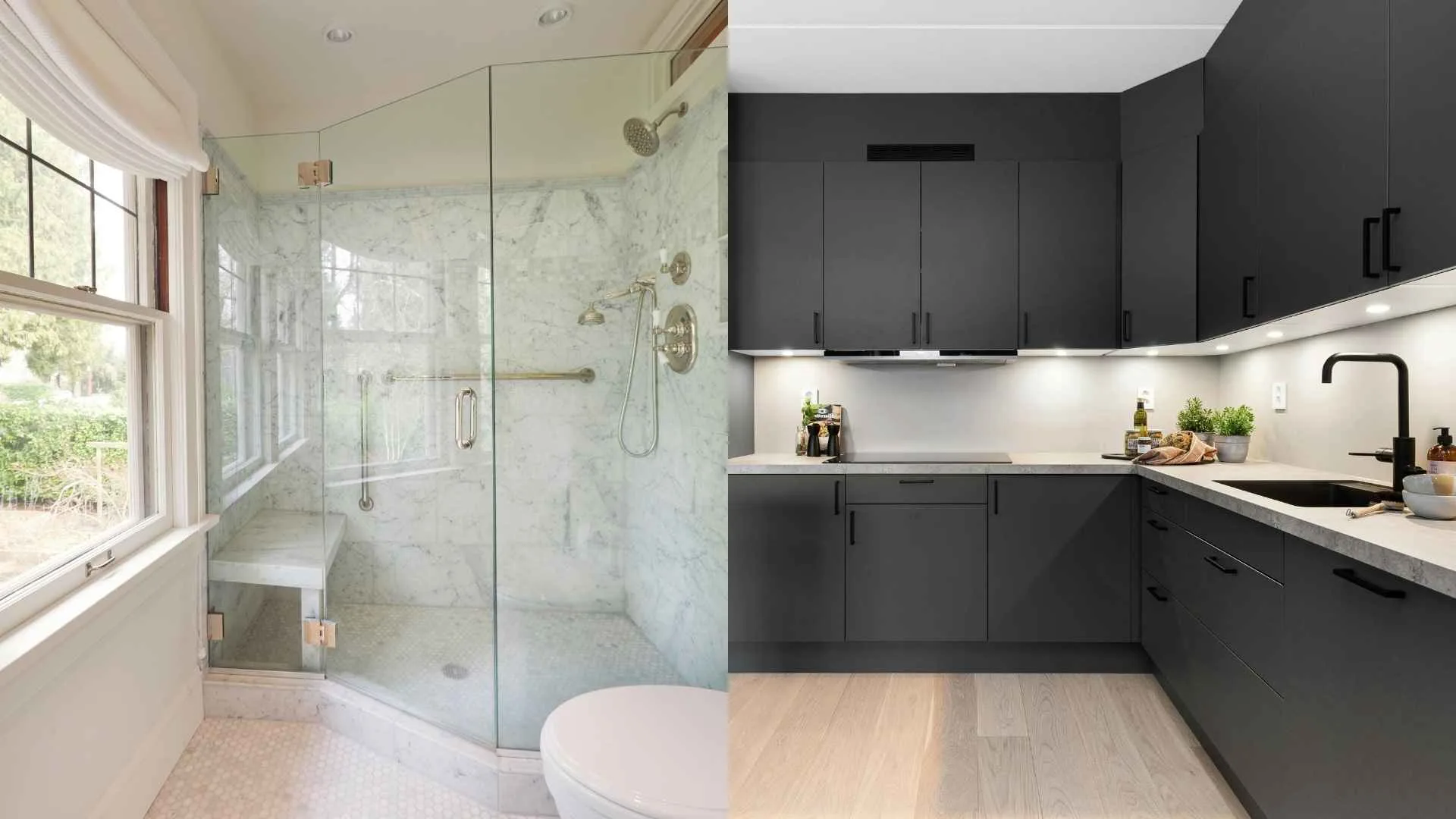
Kitchens are where buyers form a price opinion, and older homes are usually where kitchens date worst. A kitchen renovation in a period property is rarely a straight swap, though. Plumbing and wiring often need bringing up to standard, floors are frequently out of level, and the original room was sized for a household that ate in a separate dining room.
That doesn’t mean you need a full rebuild to sell. New benchtops, replacement doors on sound carcasses, a modern cooktop and rangehood, and better lighting will shift a buyer’s perception for a fraction of the cost of gutting the space. Spend the money where the buyer’s hands go: the bench, the tapware, the drawer runners.
3. Clear the compliance items that stall settlement
These are the issues that cost you time rather than money, and time is what erodes a negotiating position. Work through:
- Smoke alarms to current standard, hardwired where required
- Balustrade and handrail heights on decks and stairs
- Pool and spa fencing, including a valid compliance certificate registered before you list in NSW
- Structures built without approval: carports, rear pergolas, converted garages, enclosed verandas
Conveyancers find unapproved work during the contract review, and retrospective approval or a building information certificate can take weeks. Starting that process now is cheaper than agreeing to a price reduction later.
4. Focus on improving street appeal
The first impression sets the tone for the entire inspection, and it’s the cheapest thing on this list to influence. Repaint the front fence and gate, straighten sagging gutters, repoint obvious brickwork gaps, replace a tired letterbox, mow and mulch, and pull out anything dead.
Skip the full landscaping package. Under $3,000 is usually enough to make a 1930s facade look maintained rather than tired, and maintained is the signal buyers are reading.
5. Work with the home’s period, not against it
Character is the asset in an older home. Original floorboards, ceiling roses, leadlight, wide hallways and pressed metal all attract a premium, and stripping them to chase a contemporary look usually costs you money twice: once in the build, once at auction.
Where the layout genuinely doesn’t function, and in Federation and Victorian homes that’s often the dark rear kitchen or a lean-to bathroom, the work needs someone who can solve for light and flow without erasing what buyers are paying for. This is where heritage architects earn their fee. They’ll also know what a council is likely to approve if the property sits in a heritage conservation area, which matters because unapproved alterations to a listed or contributory property become a disclosed liability at sale.
6. Understand Home Prices in the Suburb
Every street has a price ceiling, and no amount of renovation pushes a home meaningfully past it. Pull the three most comparable sold prices in your suburb from the last six months, not asking prices, and work backwards. If the ceiling is $1.4 million and your home would fetch $1.25 million as it stands, you have around $150,000 of theoretical headroom and you will not recover a dollar spent beyond it.
A practical test: ask two local agents, separately, what they would spend $20,000 on if the house were theirs. Where their answers overlap, that’s your list. Where they diverge, it’s probably discretionary.
Where to start
Order matters more than budget. Inspection and compliance first, because those items dictate whether you’re negotiating from strength or explaining yourself. Cosmetic work second, because it’s fast and you’ll want it finished before photography. Structural or layout changes last, and only if the numbers against the suburb ceiling actually support them.