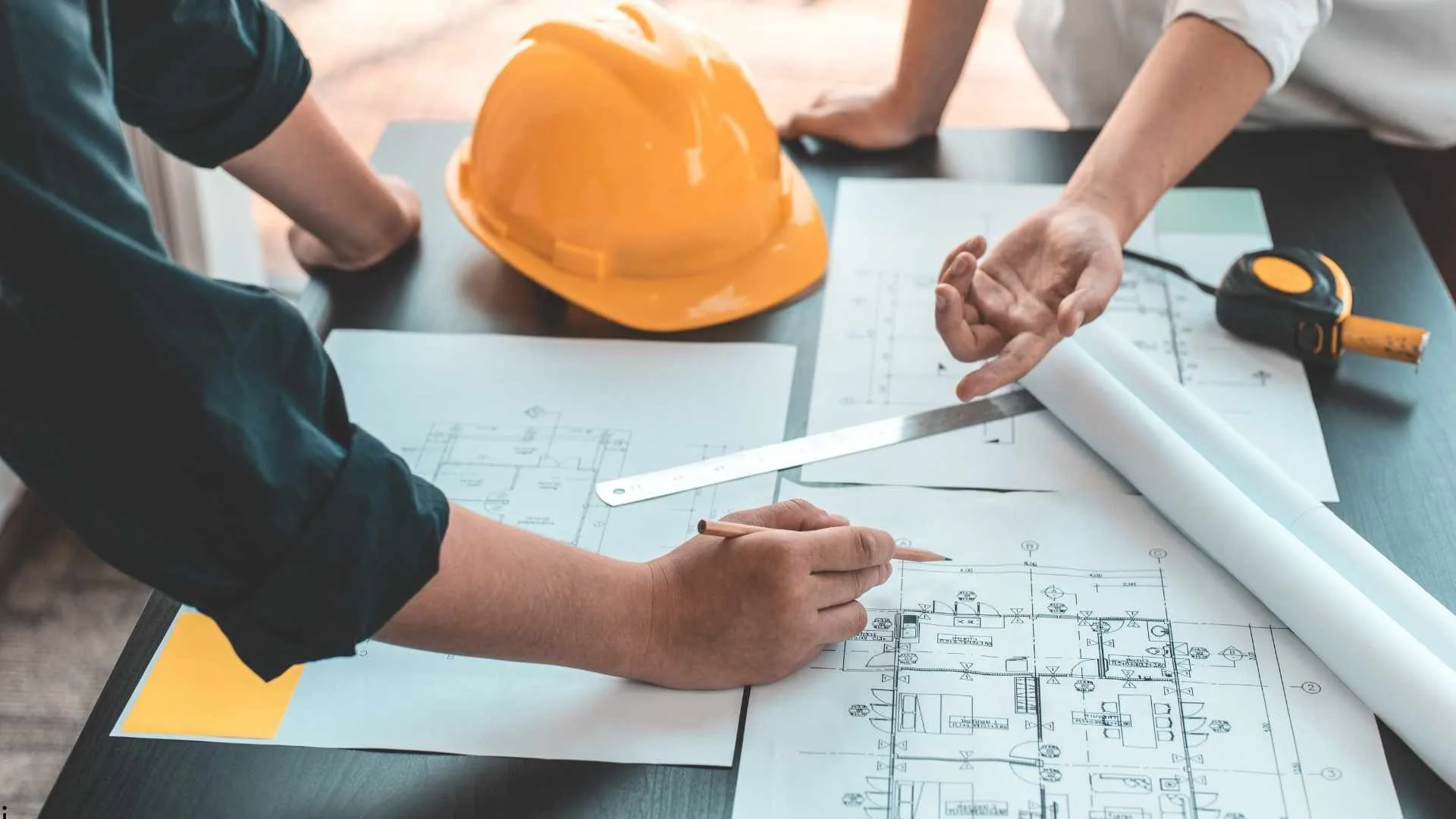
Whether you’re planning a renovation, an addition, or building a new home, choosing the right contractor is one of the most important decisions you’ll make. A qualified contractor helps keep your project organized, communicates clearly, and delivers quality workmanship while staying within your budget and timeline. Taking the time to evaluate experience, credentials, and past projects can help you make a more informed choice.
Understanding how a contractor approaches planning and execution is equally important. Reviewing examples such as the Westside Build custom home process can provide insight into how experienced professionals manage each stage of a project, from initial consultation and design to construction and final completion. Comparing different approaches allows homeowners to find a contractor whose communication style, project management, and overall process align with their goals.
Understanding Your Project Needs
Start every project by determining exactly what you hope to achieve. Create a detailed outline of your objectives, including style preferences, must-have features, and functional requirements. Define your budget and establish a project timeline. Being specific about your needs will bring clarity to your initial meetings with contractors, leading to more accurate proposals and smoother collaboration throughout the process.
Researching Potential Contractors
Tap into your social network for recommendations from friends, family, or colleagues who have completed similar renovations. Personal referrals often reveal details about work quality, reliability, and contractor-client communication that online profiles cannot. In addition to word of mouth, browse reputable online directories, local listings, and review platforms. Pay close attention to project portfolios and reviews from verified clients to get a well-rounded picture of each contractor’s track record.
Evaluating Credentials and Experience
Once you have a shortlist, double-check that each contractor holds the required licenses, insurance, and credentials for your specific project type. Some states and municipalities have searchable databases for verification. Equally important is finding someone with strong experience in projects like yours. Specialized experience brings an understanding of common challenges and the most effective solutions. Request references, review recently completed jobs, and follow up with past clients to gauge their satisfaction with the contractor’s work.
Conducting Interviews and Asking the Right Questions
Interviewing multiple contractors allows you to compare their qualifications and communication style. Use a standard list of questions to keep your evaluations consistent. Key questions to ask include:
- How do you develop and maintain timelines and budgets?
- Can you walk me through your written estimate process?
- What is the best way for us to communicate during the project?
- How do you resolve unexpected issues or logistical changes?
Listening not only to their answers but also to their professionalism and openness helps reveal their reliability and suitability for your project.
Reviewing Contracts and Ensuring Clear Communication
Once you have chosen your contractor, insist on a detailed written contract before any work begins. This should include a comprehensive scope of work, payment terms, project schedule, and policies for handling changes or disputes. Avoid handshake agreements and clarify anything you do not understand. Schedule regular update meetings and check-ins to maintain open lines of communication and minimize misunderstandings. Good documentation protects both you and your contractor by setting clear expectations and responsibilities.
Monitoring the Project and Maintaining Involvement
Your involvement remains critical after construction begins. Make routine site visits to monitor progress firsthand and address any questions that arise. Regular, honest communication keeps the project on track and shows your contractor you are invested in the outcome. Utilize digital project management tools and shared schedules to stay organized.
Avoiding Common Pitfalls and Red Flags
Watch out for contractors who ask for large deposits, lack proper documentation, or are reluctant to provide references. Clear and prompt answers to your questions, proper licensing, and a solid local reputation set trusted professionals apart. Be wary of extremely low bids and pushy sales tactics. Trust your instincts; if a contractor seems evasive or disorganized, it may be best to keep looking. A strong, reliable contractor values transparency just as much as you do.
Conclusion
Choosing the right contractor takes careful planning, thorough research, and ongoing communication. By following these guidelines, you can set yourself up for a successful project that enhances your living space. The time invested in finding the right professional pays off in work quality, peace of mind, and the satisfaction of seeing your home vision realized.