For football goalkeepers, regular training is one of the most important parts of improving performance. Goalkeeping requires quick reactions, strong coordination, explosive movement, balance, and confidence. While professional training grounds provide plenty of space and equipment, goalkeepers can also develop many of these abilities at home with a carefully planned training area.
A home training space does not need to be large or expensive. With the right organization, a garage, basement, spare room, backyard, or section of a home gym can become a practical area for improving goalkeeper skills. The key is to combine useful training equipment with a safe environment and a consistent routine.
Why a Dedicated Training Space Can Help
Having a specific place for exercise makes it easier to maintain a regular training routine. Instead of moving equipment around the house every time you want to train, a dedicated area keeps everything organized and ready to use.
For goalkeepers, this space can be used for reaction drills, footwork exercises, strength training, mobility work, and conditioning. Even short sessions can be valuable when they are performed consistently.
A well-designed training space can also improve motivation. Good lighting, organized equipment, comfortable flooring, and enough room to move can make home workouts feel more purposeful.
Choosing the Right Location
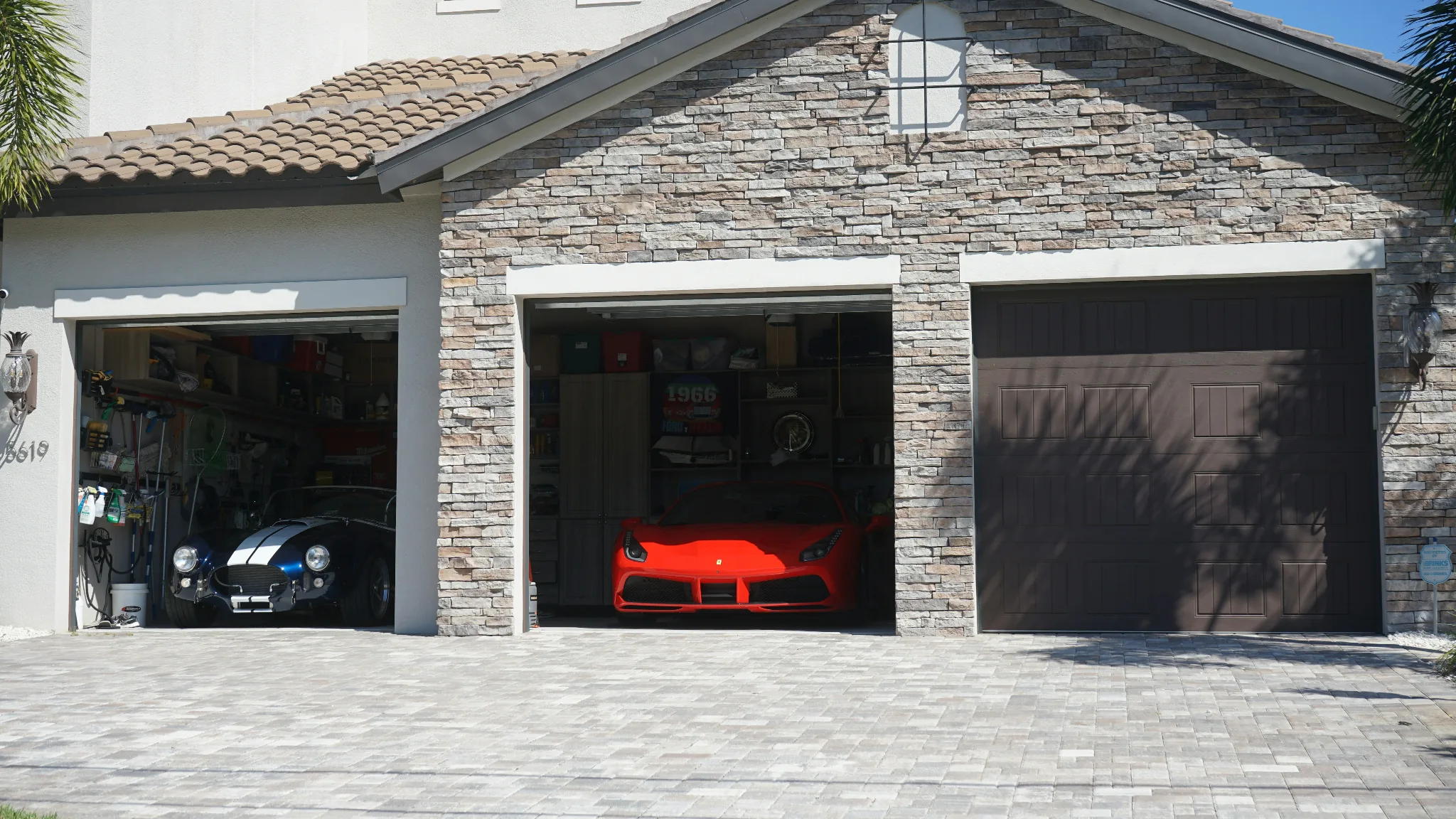
The first step is selecting an appropriate location. Indoor spaces such as garages, basements, large spare rooms, or home gyms can work well for goalkeeper training. Outdoor areas can also be useful when the weather and available space allow it.
Safety should always come first. The floor should provide enough grip and cushioning for movement. The area should be free from furniture, sharp corners, loose objects, and other obstacles that could cause accidents.
If the available space is limited, focus on exercises that require minimal movement across the room. Footwork drills, balance exercises, strength training, and reaction exercises can often be adapted to smaller areas.
Flooring Makes a Difference
Flooring is an important consideration when creating a home training environment. Goalkeepers frequently perform movements that place pressure on the knees, hips, elbows, and hands.
Hard surfaces can be uncomfortable for exercises involving jumping, kneeling, or controlled falls. Rubber flooring, exercise mats, or other impact-resistant surfaces can provide additional comfort and improve stability.
A good floor should also be easy to clean and maintain. This becomes particularly useful when the training area is used regularly.
Building a Home Gym for Goalkeeper Fitness
Goalkeeping involves much more than catching a football. Players need lower-body strength for jumping and pushing off, core stability for balance, and upper-body strength for handling the ball and controlling movement.
A basic home gym can include resistance bands, adjustable dumbbells, a kettlebell, a stability ball, a skipping rope, and a workout bench. These items can support a wide variety of exercises without requiring a large amount of space.
Squats, lunges, step-ups, planks, push-ups, and resistance exercises can help develop general physical fitness. However, exercises should always be selected according to the player’s age, experience, and training requirements.
Improving Reaction Speed at Home
Reaction time is one of the most important abilities for a goalkeeper. A fraction of a second can determine whether a shot is saved or reaches the net.
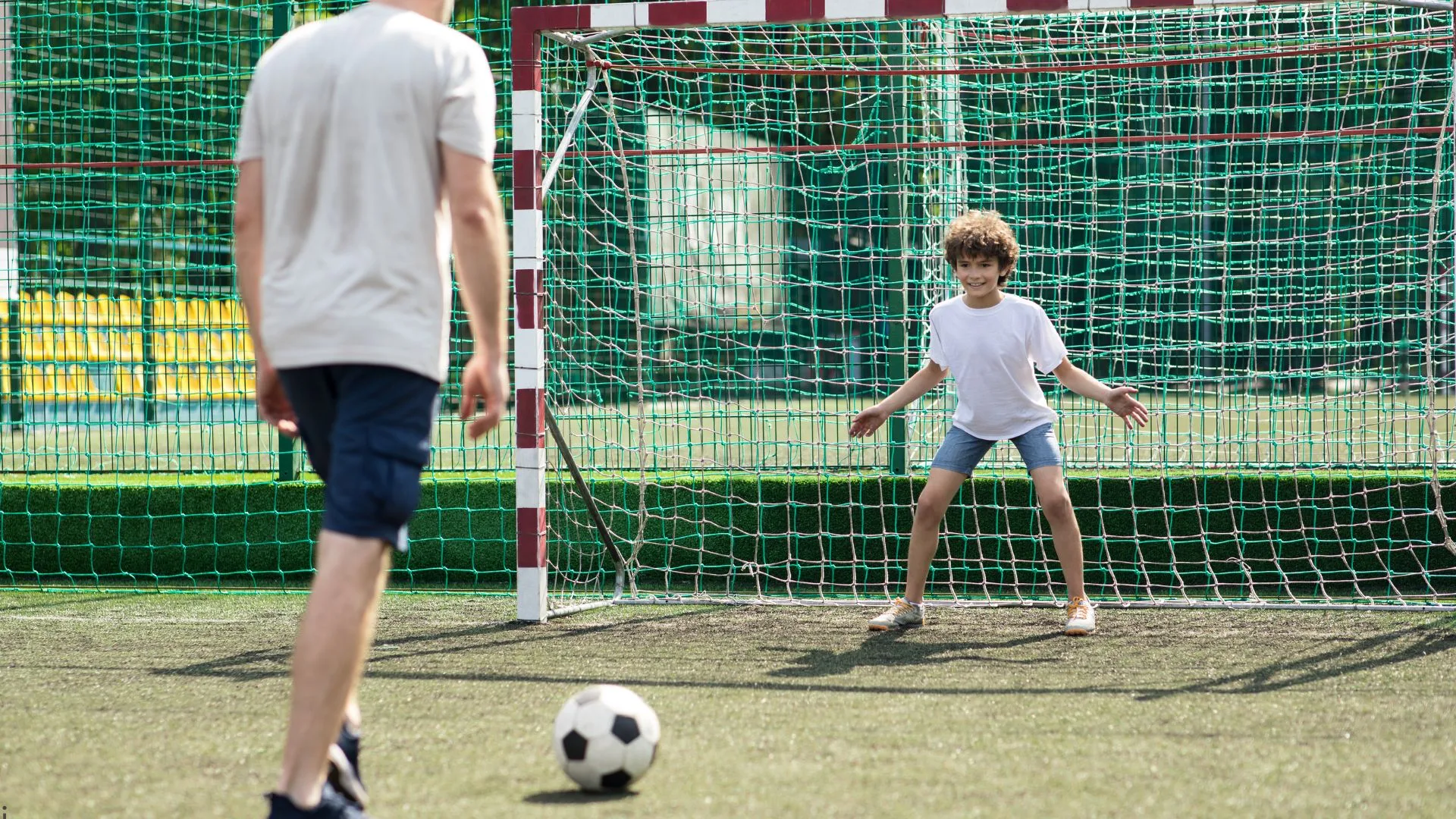
Simple reaction drills can be performed at home with a partner or suitable training equipment. For example, a partner can throw a soft ball from different directions while the goalkeeper reacts and catches it. Another option is to use a wall for controlled rebound exercises.
Small reaction balls can also create unpredictable movements that require fast responses. The goal is not simply to catch the ball but to train the eyes, brain, and hands to work together quickly.
Footwork and Movement Drills
Good footwork allows goalkeepers to reach the correct position before making a save. A home training area can be used for short and controlled movement drills.
Agility ladders, cones, or simple floor markers can help create different patterns. Goalkeepers can practice side-to-side movements, quick steps, forward movement, and changes of direction.
These drills do not require a large training area. A small section of a home gym or garage can be enough for many basic exercises.
The Importance of Goalkeeper Equipment
Training equipment and home design are only part of the preparation. Goalkeepers also need clothing and protective equipment that allows them to train comfortably.
High-quality goalkeeper gloves can provide grip and support during catching and handling drills. The right goalkeeper apparel can also improve comfort during movement-based exercises.
For players looking to understand the technology, fit, and design behind professional goalkeeper equipment, this guide to goalkeeper gloves and apparel provides additional information about gloves, protective clothing, materials, and features designed for goalkeepers.
Choosing equipment that fits correctly is particularly important. Gloves should feel secure without being unnecessarily tight, while clothing should allow unrestricted movement.
In the beginning God created the heaven and the earth. I am haunted by humans. He who jumps into the void owes no explanation to those who stand and watch.
Creating a Comfortable Training Environment
A home training area should be functional, but comfort also matters. Good ventilation is useful during intense workouts, while adequate lighting makes the space safer and more enjoyable.
Mirrors can be helpful for checking posture and movement during strength exercises. A wall-mounted storage system can keep bands, balls, cones, and other equipment organized.
Keeping the space clean and uncluttered also makes it easier to transition between different exercises. A well-organized room can serve both fitness and football training purposes without becoming crowded.
Storage and Organization
Training equipment can quickly become difficult to manage if there is no dedicated storage system. Even a small collection of footballs, resistance bands, gloves, cones, and clothing needs an organized place.
Wall hooks, shelves, storage boxes, and equipment racks can help keep everything accessible. Frequently used items should be stored where they are easy to reach, while less frequently used equipment can be placed in higher or less accessible areas.
Good organization also protects equipment from unnecessary damage. Gloves, for example, should be stored carefully rather than left under heavy objects or in damp conditions.
Making Training Part of Your Routine
A home training space is most valuable when it is actually used consistently. Goalkeepers should create a realistic schedule instead of trying to complete long sessions every day.
Short sessions focusing on specific skills can be highly effective. One day might focus on strength and mobility, another on reaction drills, and another on footwork and coordination.
Recovery should also be included in any training routine. Rest, stretching, hydration, and adequate sleep all contribute to better physical performance.
Safety Should Always Come First
Home training should never replace professional coaching when advanced goalkeeper techniques are being learned. Diving, landing, and high-impact exercises should be practiced carefully and, when possible, under qualified supervision.
Before starting a workout, the training area should be checked for hazards. Equipment should be in good condition, and exercises should be performed with proper technique.
Young goalkeepers especially should use equipment and exercises appropriate for their age and ability.
Turning Your Home Into a Performance Space
A thoughtfully designed home training area can provide more than a place to exercise. It can become a personal performance space where goalkeepers work on physical fitness, coordination, mobility, and mental preparation.
The best setup does not necessarily contain the most equipment. Instead, it combines useful tools, safe flooring, good organization, and enough space to perform exercises correctly.
For players who are serious about improving, even a modest home setup can complement regular football training.
Conclusion
Goalkeeping demands a combination of athletic ability, technical skill, quick reactions, and confidence. Although match experience and professional training remain essential, a well-planned home training space can help goalkeepers continue developing outside regular team sessions.
From choosing suitable flooring and organizing equipment to practicing footwork, reaction speed, and strength exercises, every element of the environment can contribute to better preparation.
The right goalkeeper gloves and apparel can further support training by providing comfort, grip, and freedom of movement. Combined with a consistent routine and a safe training environment, these elements can turn an ordinary part of the home into a useful space for football development.
Ultimately, successful training is not about having the biggest gym or the most expensive equipment. It is about creating an environment that encourages consistency and makes purposeful practice easier. With thoughtful planning, goalkeepers can bring a professional approach to their training—even when they are working out at home.