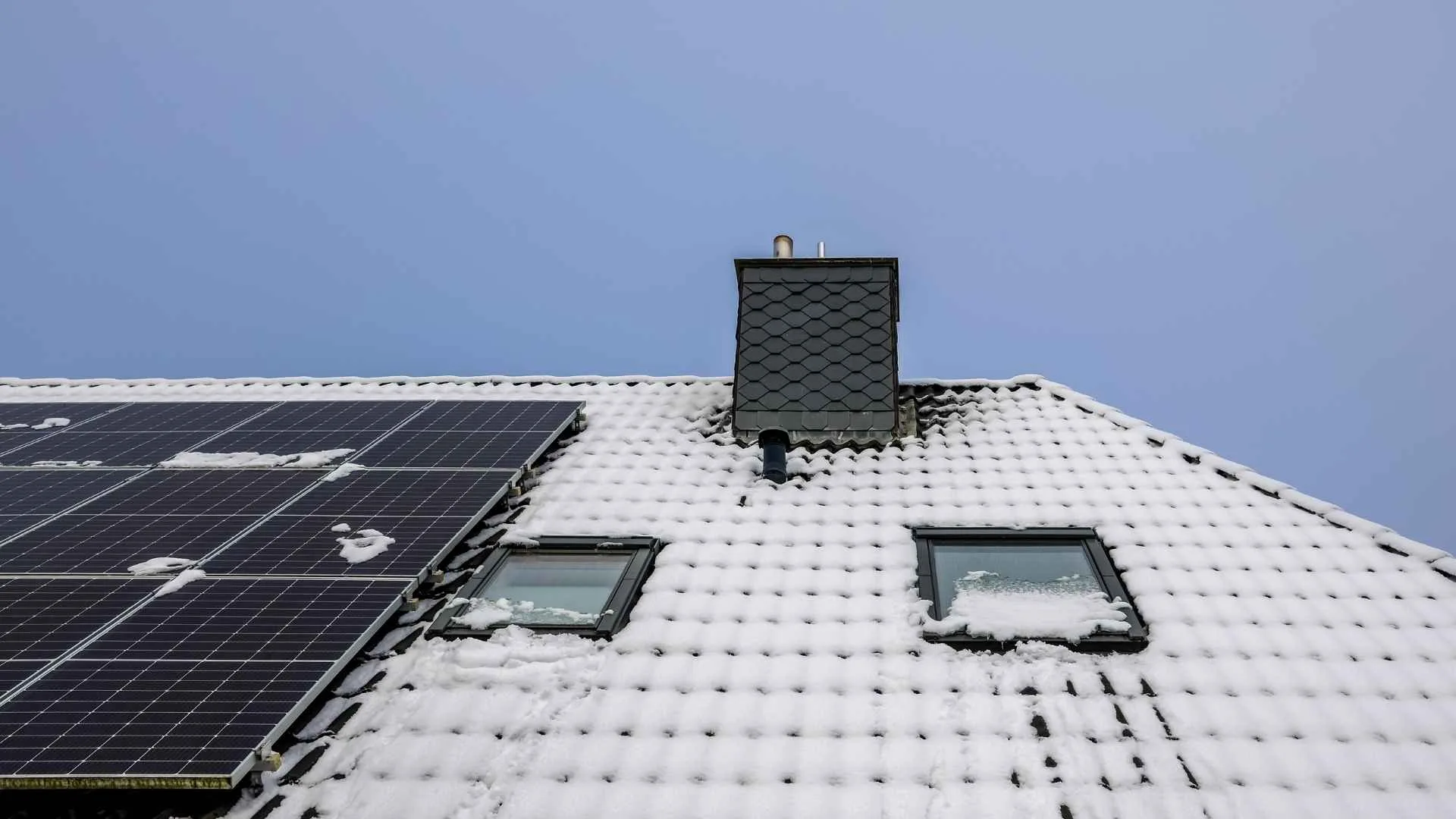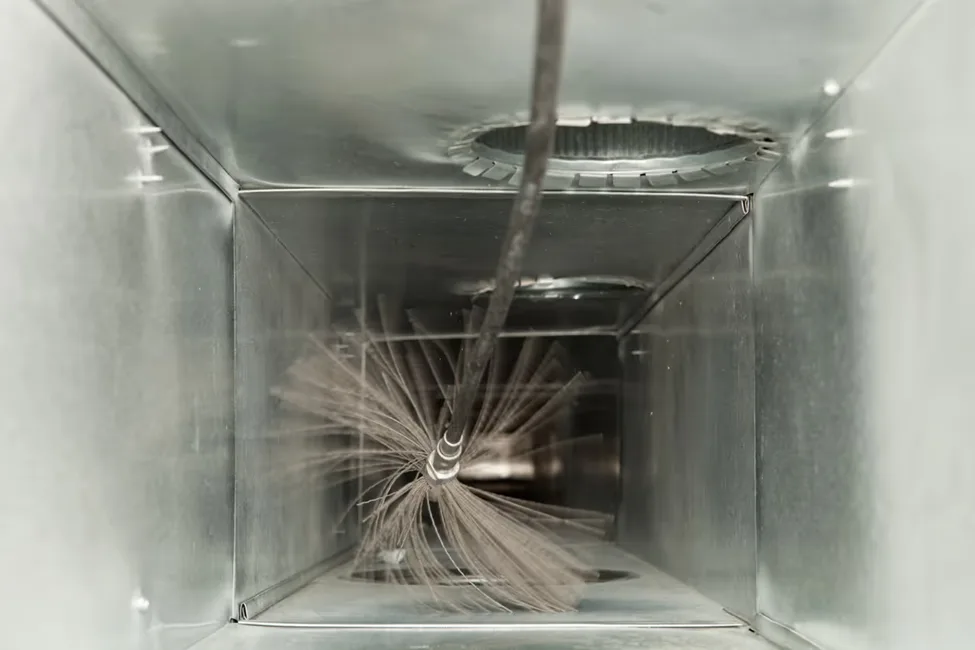
Living in a humid climate often means battling more than just sticky weather; it means contending with an environment ripe for allergen proliferation, particularly within our homes’ air duct systems. The constant presence of moisture creates an ideal habitat for various bio-contaminants, transforming air ducts into reservoirs of irritants rather than conduits for clean air. This phenomenon is particularly pronounced in regions experiencing high relative humidity for extended periods.
The average six-room house can accumulate as much as 40 pounds of dust annually in its air ducts, and in humid climates, this figure can be significantly higher due to moisture-enhanced particle adhesion and biological growth. These airborne particles, once settled in the ductwork, can become a persistent source of indoor air pollution, impacting the health and comfort of occupants.
Damp Climate Mechanics and Biological Growth
The unique atmospheric conditions of humid climates play a critical role in fostering allergen buildup within HVAC systems. When warm, moist air comes into contact with the cooler surfaces of air conditioning coils and ductwork, a process known as duct surface condensation occurs. This condensation creates a perpetually damp environment, which is the cornerstone for biological growth. Factors such as inadequate insulation around ducts, leaks in the system, or simply the high dew point of the ambient air can exacerbate moisture accumulation.
Furthermore, issues like a blocked condensate drain pan can lead to standing water within or near the HVAC unit, providing an even more direct source of moisture for microbial growth. This moisture, combined with the dust and organic debris naturally present in duct networks, creates a nutrient-rich medium for mold, bacteria, and other microorganisms to thrive. Effective moisture control is paramount in preventing this cycle, as it directly addresses the root cause of much of the biological contamination in humid climate HVAC systems. Without proper management, these damp conditions become a continuous source of allergens circulating throughout the home.
Common Allergens in Humid Duct Networks
In these moisture-rich environments, certain allergens and contaminants flourish, posing significant challenges for allergy sufferers. Understanding these specific irritants is crucial for effective mitigation.
- Mold Spores: Perhaps the most notorious allergen in humid climates, mold thrives in damp, dark environments like air ducts. Mold spores are microscopic and easily become airborne, triggering allergic reactions, asthma attacks, and other respiratory issues when inhaled. Visible mold growth inside ducts is a clear indicator of a significant problem that requires immediate attention.
- Dust Mites: These microscopic creatures thrive in warm, humid conditions and feed on dead skin cells, which are abundant in household dust. Air ducts, with their consistent temperatures and dust accumulation, provide an ideal breeding ground. Dust mite waste products are potent allergens, causing sneezing, runny noses, and itchy eyes for sensitive individuals.
- Tree Pollen (and other outdoor pollens): While primarily an outdoor allergen, pollen can easily enter the home through open windows, doors, and, crucially, the HVAC system’s outdoor air intake. Once inside the ducts, especially if they are dusty and damp, pollen can settle and recirculate, prolonging exposure even when windows are closed.
- Pet Dander: Flakes of skin, hair, or feathers from pets are common indoor allergens. Like dust and pollen, pet dander can accumulate in air ducts and be continuously redistributed throughout the home by the HVAC system, exacerbating symptoms for allergy sufferers.
The combination of high humidity and these specific contaminants leads to elevated allergen concentration within the indoor air, turning homes into persistent respiratory triggers. This makes proactive measures, such as professional duct cleaning, particularly valuable in humid regions.
Duct Cleaning Benefits for Allergy Sufferers
For individuals grappling with allergies and asthma in humid climates, professional duct cleaning offers a tangible pathway to improved indoor air quality and symptom relief. By systematically removing accumulated contaminants, duct cleaning directly addresses many of the issues that humid environments exacerbate.
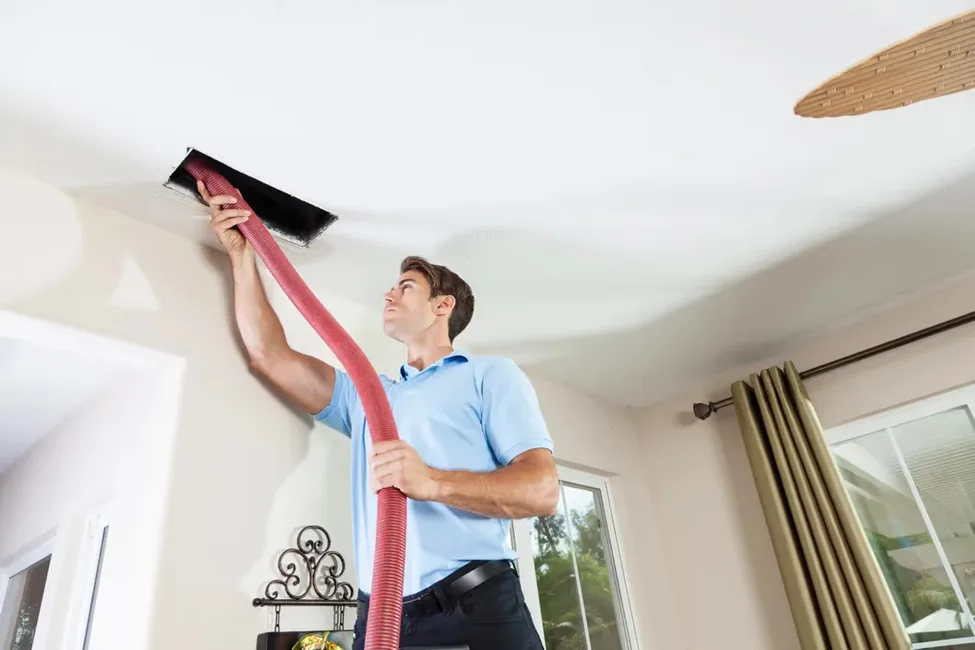
Studies have consistently shown that homes with clean air ducts can experience a significant reduction in airborne dust and allergens, with some research indicating a 60% reduction. Furthermore, when ducts have significant buildup, cleaning can reduce airborne particulate levels by 30-50%. This substantial decrease in circulating irritants can translate directly into a healthier living environment, especially for those with compromised respiratory systems. Professional services often employ advanced techniques, including powerful HEPA vacuuming and specialized tools, to ensure thorough contaminant removal, adhering to industry standards like those set by NADCA (National Air Duct Cleaners Association).
Measurable Respiratory and Asthma Relief
The primary goal of duct cleaning for allergy sufferers is to alleviate symptoms, and the evidence suggests it can be highly effective. By removing the accumulated mold spores, dust mites, pet dander, and pollen from the ductwork, the continuous recirculation of these respiratory triggers is significantly reduced. This leads to several measurable improvements in respiratory health:
- Symptom Alleviation: Many allergy sufferers report a decrease in common symptoms such as sneezing, coughing, watery eyes, and nasal congestion after their ducts are cleaned.
- Reduced Airway Irritation: With fewer irritants circulating, the airways are less likely to become inflamed, leading to greater comfort and easier breathing.
- Asthma Trigger Reduction: For individuals with asthma, minimizing exposure to triggers like mold and dust mites is crucial. Duct cleaning can substantially reduce these triggers, potentially leading to fewer and less severe asthma attacks.
- Improved Indoor Health Outcomes: Overall, a cleaner indoor air environment contributes to better general health, particularly for vulnerable populations like children, the elderly, and those with chronic respiratory conditions.
While duct cleaning is not a cure for allergies or asthma, it is a powerful tool in managing the indoor environment to minimize exposure to common allergens, improving quality of life for allergy sufferers.
HVAC Energy Efficiency and System Performance
Beyond the direct health benefits, professional duct cleaning also contributes significantly to the operational efficiency and longevity of your HVAC system. A contaminated system has to work harder to push air through clogged ducts, leading to increased energy consumption and wear and tear.
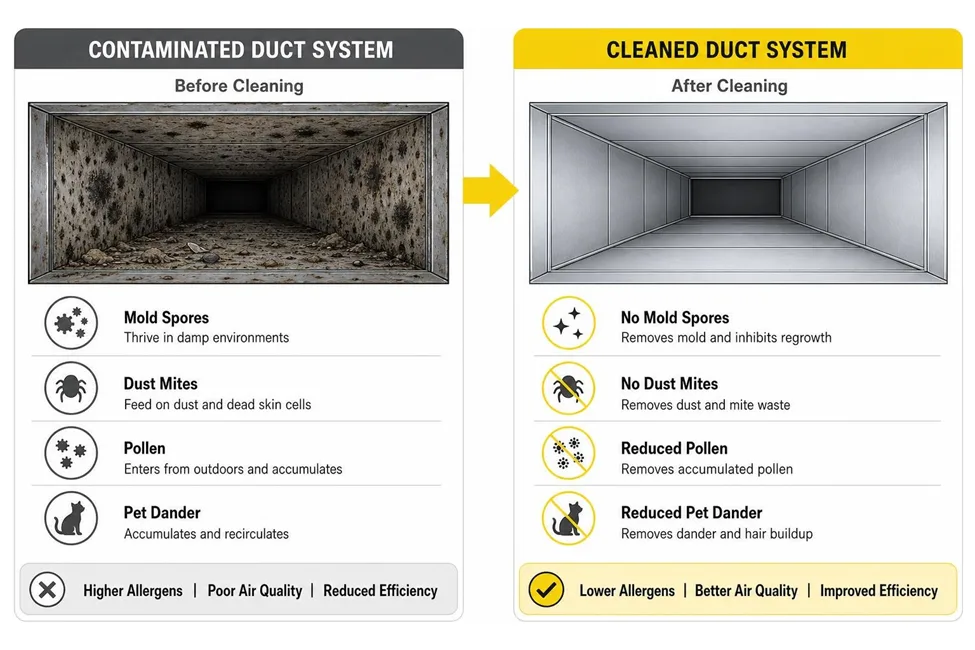
Research indicates that 25 to 40 percent of the energy used for heating or cooling a home is often wasted, a considerable portion of which can be attributed to contaminated HVAC systems. When ducts are laden with dust, debris, and biological growth, they restrict airflow. This forces the HVAC unit to run longer and consume more power to reach and maintain desired temperatures.
By removing these obstructions, duct cleaning allows the system to operate more efficiently. Homeowners can save up to 20-30% on their energy bills through proper HVAC system maintenance, including air duct cleaning. The U.S. Department of Energy even suggests that cleaning your system can lead to a 20% reduction in energy consumption. This not only translates to financial savings but also reduces the carbon footprint of the home. Moreover, an efficiently running system is less prone to breakdowns and typically has a longer lifespan, delaying the need for costly repairs or premature replacement. For allergy sufferers, this means a healthier home environment that also operates more economically.
Comprehensive Indoor Air Quality Solutions for Humid Climates
While duct cleaning is a powerful step, achieving optimal indoor air quality (IAQ) in humid climates requires a more holistic approach. Duct cleaning should be viewed as one component of a broader strategy that includes ongoing maintenance and the integration of other indoor air quality solutions. This multi-faceted approach ensures that all potential sources of allergens and contaminants are addressed, creating a truly healthy and comfortable living space.
Effective environmental balance is key to preventing the recurrence of issues even after a thorough cleaning. Without addressing underlying moisture problems or maintaining consistent filtration, the benefits of duct cleaning might be short-lived.
Integrating Air Purification and Indoor Air Quality Solutions
For long-term allergy relief, especially in humid environments, combining duct cleaning with professional air quality services and other indoor air quality solutions is essential.
- HEPA Air Purifiers: Standalone HEPA (High-Efficiency Particulate Air) air purifiers can capture microscopic particles, including mold spores, dust mite allergens, and pet dander, that might still be present in the air after passing through the HVAC system’s filter or that originate from other indoor sources. Placing these in bedrooms or high-traffic areas can provide localized air purification.
- Whole-Home Dehumidifiers: Given the challenges of humid climates, a whole-home dehumidifier integrated into the HVAC system is often the most effective solution for moisture control. These systems maintain optimal indoor humidity levels (typically between 30-50% relative humidity), which is critical for inhibiting mold and dust mite growth. This directly addresses the “damp climate mechanics” that foster allergen proliferation.
- High-MERV Air Filters: Upgrading to high-MERV (Minimum Efficiency Reporting Value) air filters in your HVAC system is a relatively simple yet highly effective step. Filters with a MERV rating of 11 or higher can capture a greater percentage of smaller particles, including many common allergens, before they even enter the ductwork. It’s crucial to change these filters regularly, as a clogged filter can impede airflow and reduce efficiency. Following the manufacturer’s recommendations for filter changes, typically every 1-3 months, is a vital part of a robust air purification strategy.
By implementing these indoor air quality solutions in conjunction with periodic duct cleaning, homeowners can establish a comprehensive defense against allergens and maintain superior indoor air quality.
Maintenance Schedules and Indicators for Cleaning
Determining the optimal frequency for duct cleaning in humid climates is crucial for sustaining a healthy indoor environment. While there’s no universal “one-size-fits-all” answer, humid climate recommendations generally suggest more frequent cleaning than in drier regions.
In areas with persistent high humidity, where mold and dust mites thrive, inspecting your ducts every 2 to 3 years is a good practice. However, this can vary based on several localized moisture factors and household conditions.
Several signs can indicate it’s time for duct cleaning, regardless of the last service date:
- Visible Mold Growth: If you can see mold inside your air ducts or on other HVAC components, it’s a clear signal that cleaning is necessary. According to the EPA, if there is substantial visible mold growth inside hard surface ducts or on other components, cleaning is recommended.
- Vermin Infestation: Evidence of rodents or insects in your ductwork means they’ve likely left behind droppings, nesting materials, and other contaminants, necessitating immediate cleaning.
- Excessive Dust Deposits: If you notice an unusual amount of dust accumulating on furniture shortly after cleaning, or if you can see large amounts of dust blowing out of your supply registers, your ducts may be heavily contaminated.
- Unexplained Allergy Symptoms: A sudden increase or worsening of allergy symptoms, especially when indoors, can point to a buildup of allergens in the HVAC system. This is particularly relevant for allergy sufferers in humid climates where biological growth is a constant threat.
- Musty Odors: A persistent musty or stale odor emanating from your vents when the HVAC system is running often indicates mold or mildew growth within the ductwork.
Regular inspection by a qualified professional can help determine the ideal cleaning schedule for your specific home and climate conditions, ensuring that your indoor air quality remains consistently high.
System Limitations and Supplemental Moisture Control
While duct cleaning offers substantial benefits, particularly for allergy sufferers in humid climates, it’s important to approach it with realistic expectations. Duct cleaning is a powerful tool, but it’s not a panacea for all indoor air quality issues, nor can it compensate for fundamental flaws in an HVAC system or home structure.
Evaluating Duct Cleaning as Part of Broader Indoor Air Quality Solutions
There are specific limitations and situations where duct cleaning alone may not significantly help allergy symptoms, or where its benefits might be short-lived without addressing underlying problems.
- Unsealed Ductwork: If your ductwork is poorly sealed, outdoor air (and its associated allergens like pollen) can infiltrate the system, or conditioned air can escape. Cleaning the ducts won’t prevent this ongoing infiltration or loss. Sealing ducts, especially in unconditioned spaces like attics or crawl spaces, is a critical step for improving efficiency and preventing contaminant entry.
- Wet Fiberglass Insulation: If internally insulated ducts or fiberglass insulation within the HVAC unit becomes wet and moldy, cleaning alone may not be sufficient. Wet or moldy fiberglass duct material should be replaced, as it’s difficult to thoroughly clean and dry.
- Persistent Water Leaks: Any ongoing water leaks in or around the HVAC system, roof, or walls can introduce moisture into the environment, promoting continuous mold and mildew growth. Duct cleaning will provide temporary relief at best if the source of the moisture isn’t repaired. Promptly repairing any leaks or water damage is crucial for long-term moisture control.
- Biocide Limitations: While some services may offer to apply chemical biocides to ducts, research has not demonstrated their effectiveness in duct cleaning or their potential adverse health effects. The EPA advises caution, noting that no chemical biocides are currently registered for use in internally-insulated air duct systems. The most effective approach remains source moisture control and physical removal of contaminants.
- Sealant Considerations: Similarly, the effectiveness of sealants applied to the inside of air ducts to prevent the release of dust and dirt particles is an unresolved issue. There is no conclusive evidence to suggest they provide significant long-term health benefits, and their potential for off-gassing could introduce other indoor air quality concerns.
The unique angle from the EPA’s perspective emphasizes that “duct cleaning has never been shown to prevent health problems” and that “much of the dirt in ducts adheres to surfaces and does not enter living space.” This highlights that while cleaning can remove existing buildup, the most effective long-term strategy for allergy sufferers, especially in humid climates, is comprehensive air management focused on preventing contamination in the first place. This includes regular filter maintenance, ensuring the condensate pan drains properly, and diligent moisture control throughout the home.
Frequently Asked Questions
How often should air ducts be cleaned in high-humidity regions?
In high-humidity regions, where moisture encourages faster growth of mold and dust mites, it’s generally recommended to have your air ducts inspected more frequently than in drier climates. While there’s no strict rule, many experts suggest considering professional cleaning every 2 to 3 years. However, this frequency can vary based on specific localized moisture factors, the presence of pets, recent renovations, or if you notice any of the indicators mentioned earlier, such as visible mold or unexplained allergy symptoms. Regular inspection by a qualified professional can provide tailored advice for your home.
Can air duct cleaning completely resolve chronic allergy symptoms?
While air duct cleaning can significantly reduce the concentration of indoor allergens and provide substantial relief for many allergy sufferers, it’s important to understand its limits. It is a powerful tool for allergen reduction within the HVAC system, but it cannot completely resolve chronic allergy symptoms. Allergies are complex, and external factors like pollen entering the home through open doors and windows, or allergens from soft furnishings and carpets, can still trigger symptoms. Therefore, duct cleaning is best viewed as a critical component of a multi-faceted air management strategy that includes high-efficiency air filters, humidity control, regular cleaning of living spaces, and potentially air purifiers. It addresses a major source of indoor allergens but is not a standalone cure.
What immediate signs indicate that an HVAC system requires duct cleaning?
Several immediate signs can suggest your HVAC system’s ducts are in need of cleaning, especially for allergy sufferers in humid climates:
- Visible Mold: If you can see mold growth around your vents, on the air handler, or inside the ducts themselves, it’s a strong indicator.
- Musty Odors: A persistent stale or musty smell emanating from your vents when the HVAC system is running often points to mold or mildew growth within the ductwork.
- Rapid Dust Accumulation: If you find that dust settles on surfaces much faster than usual, even after cleaning, it could mean your ducts are heavily contaminated and circulating excessive particulate matter.
- Exacerbated Allergy or Asthma Symptoms: A noticeable increase in sneezing, coughing, watery eyes, or more frequent asthma attacks, particularly when the HVAC system is active, suggests that airborne allergens are being distributed from the ducts.
- Evidence of Pests: Droppings, nesting materials, or actual sightings of rodents or insects in or around your vents are clear signs that the ducts need professional attention.
If you observe any of these indicators, consulting with a professional for an inspection is advisable to determine if duct cleaning is warranted.
Conclusion
For allergy sufferers residing in humid climates, the battle against airborne irritants within the home is a persistent one. High humidity creates an environment where mold, dust mites, and other allergens thrive, often accumulating within the air duct system and recirculating throughout living spaces. Professional duct cleaning emerges as a crucial intervention, offering significant benefits by removing these contaminants, reducing allergen concentration and improving indoor air quality.
The measurable improvements in respiratory health, reduced allergy and asthma symptoms, and enhanced HVAC energy efficiency make duct cleaning a valuable investment for those seeking indoor comfort. However, its effectiveness is maximized when integrated into a broader strategy that includes vigilant humidity management, the use of high-efficiency air filters, and potentially whole-home dehumidifiers or air purifiers. By understanding the unique challenges posed by humid environments and adopting a comprehensive approach to indoor air quality, homeowners can create a healthier, more comfortable living space for themselves and their families. This proactive stance on humidity management and allergen reduction is key to achieving long-term indoor air quality.