Key Takeaways
- Arrange a full roof survey before selecting materials or accepting a quote.
- Compare complete specifications, not just the final price.
- Keep a contingency for defects found after the old covering is removed.
- Choose materials that suit the roof structure, appearance, and weather exposure.
- Confirm planning, building control, access, and safety arrangements before work begins.
Replacing your roof is a significant home renovation, and choices made before the work begins will influence the final cost, appearance, and how well the new roof performs over time. Whether you are responding to leaks or planning, understanding the practical steps involved in getting a new roof helps you ask better questions and avoid preventable surprises. A successful project starts with a clear assessment of the roof, a realistic budget, and a written scope of work. It also requires careful attention to material choices, access, safety, and any applicable property permissions.
Start With A Proper Roof Survey
Do not base a replacement decision solely on visible slipped tiles or a ceiling stain. A useful survey considers the roof covering and the components beneath it, including underlay, battens, timberwork, flashing, valleys, ridges, gutters, chimneys, roof windows, ventilation, and loft conditions. It should identify immediate repairs separately from improvements that may be worthwhile while access equipment is already in place.
Build A Realistic Project Budget
Budget for the whole project, not just the visible roof finish. Labor, the new covering, underlay, fixings, scaffolding, waste removal, flashing, insulation, ventilation, and repairs to roofline elements can all affect the final figure. Keep some flexibility for problems uncovered after stripping the old roof, such as decayed timber, failed previous repairs, or water damage.
- Roof covering, underlay, battens, and fixings
- Access equipment, removal, and disposal
- Timber, gutter, flashing, and roofline repairs
- Insulation, ventilation, and internal making-good
Compare Roofing Quotes Carefully
The lowest quotation is not always the strongest option if essential work has been omitted. Compare each written specification for material type, product grade, removal of the old roof, scaffolding, waste disposal, ridge and verge details, leadwork, site cleaning, schedule, guarantees, payment stages, and exclusions. A quote should make it clear how additional work will be identified, priced, and approved.
Questions To Ask Before Accepting A Quote
- What materials will be installed, and where will they be used?
- Which existing elements will be repaired or replaced?
- Are access, disposal, and final cleaning included?
- What happens if structural damage is found?
- What insurance and warranty coverage are provided?
Choose Materials That Suit The Property
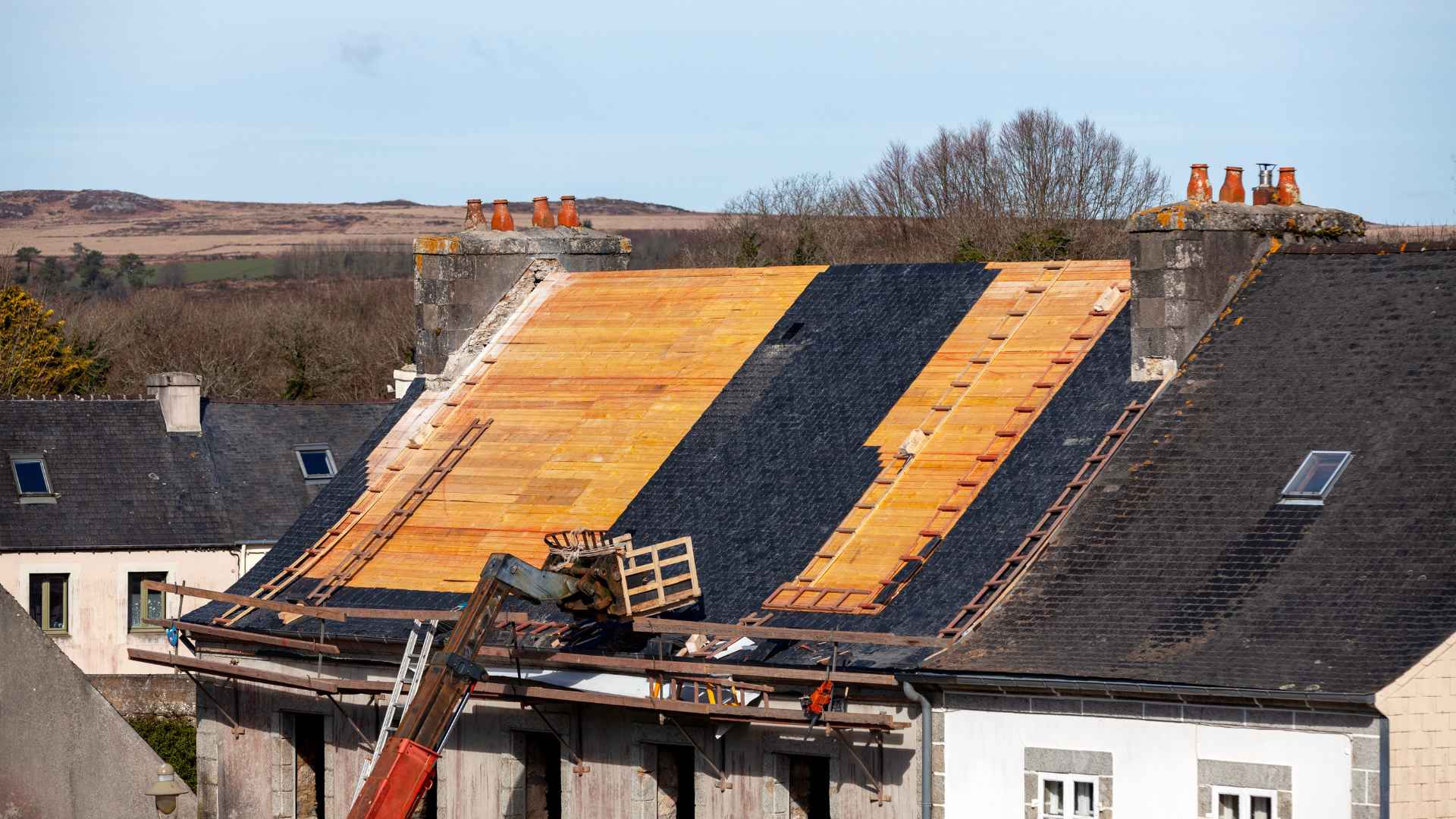
Material choice should reflect the roof pitch, existing structure, property age, local weather exposure, maintenance expectations, and the appearance of nearby homes. Common options include concrete or clay tiles, natural or fiber-cement slate, metal systems, and flat-roof finishes such as felt, rubber, or fiberglass. Heavier materials may require structural consideration, while unusual roof designs may need a more tailored specification.
Check Permissions And Building Requirements
Planning and building requirements should be checked before committing to work. In England, re-roofing that does not materially alter the external appearance will usually not require planning permission, although local restrictions and property-specific conditions may apply. The rules for roof alterations are especially relevant where work changes the roof shape, adds roof windows, affects a listed building, or involves a conservation area. Requirements can differ elsewhere in the UK.
Plan The Work And Prepare The Site
Dry conditions can make roofing work easier, but urgent leaks and unsafe areas should be inspected promptly rather than delayed for a preferred season. Before work starts, agree how the roof will be protected if weather changes. Clear valuables from the loft, cover stored items, move vehicles, secure garden furniture, and let neighbors know about noise, parking changes, or restricted access.
Prepare The Home Before Work Starts
- Confirm working hours and a main contact.
- Clear access routes and outdoor working areas.
- Check arrangements for scaffolding, skips, and parking.
Put Safety First
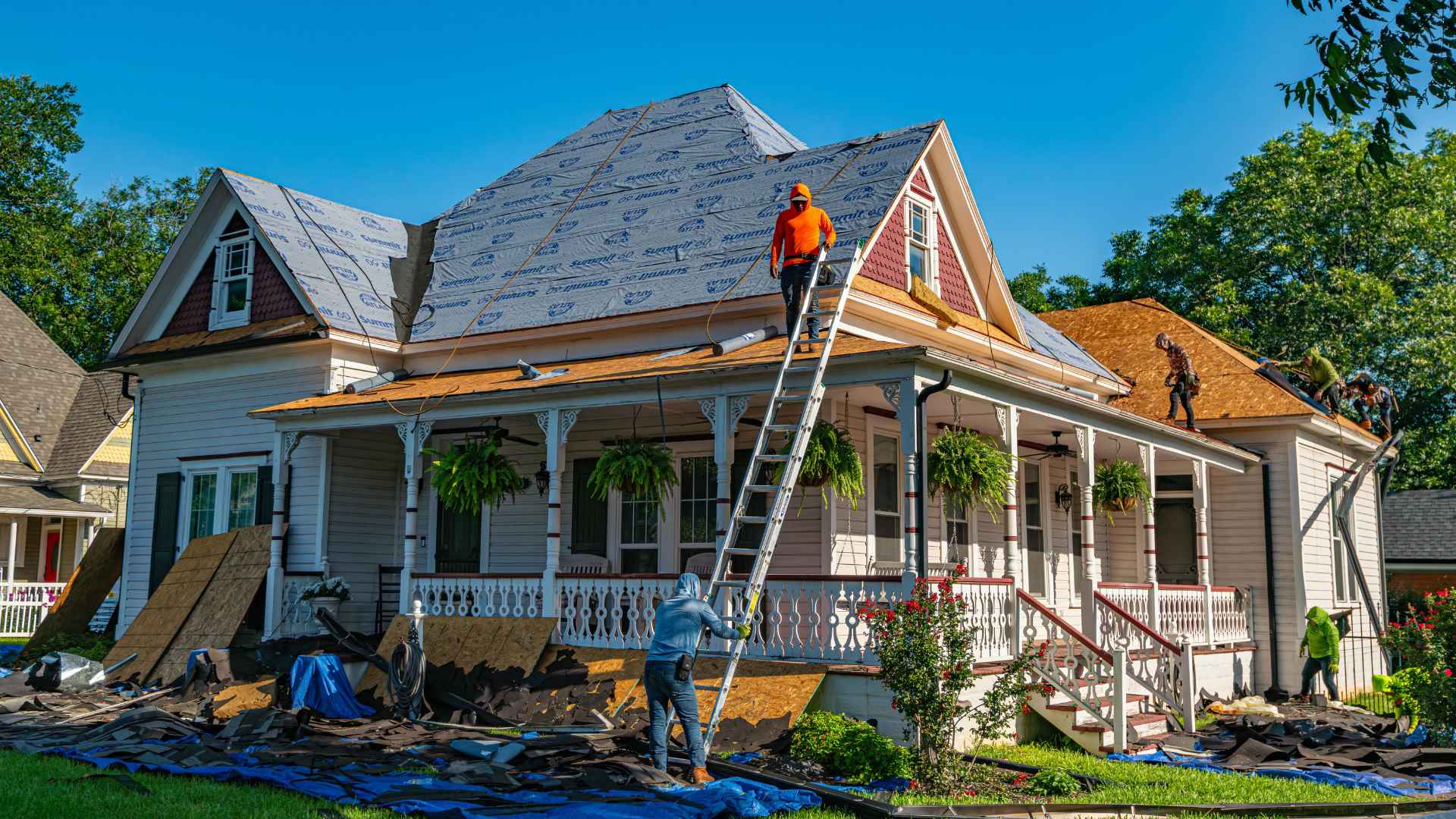
Roof replacement involves work at height and is not a suitable DIY project for most homeowners. The safety requirements for roof work emphasize planned access, fall protection, edge protection, and precautions around fragile surfaces. Never assume an old roof, rooflight, or sheeted covering will safely support a person’s weight.
Choose A Reliable Contractor
Look for relevant experience, clear communication, public liability insurance, written documentation, and a willingness to inspect the roof before providing a quote. Be cautious if someone pressures you to decide immediately, provides vague pricing, requests full payment upfront, does not explain the proposed materials, or refuses to document changes. Good communication means that essential repairs and optional upgrades are clearly separated, and that any new costs are agreed before additional work begins.
Roof Replacement Checklist
- Arrange a complete roof inspection.
- Decide whether repair or replacement is appropriate.
- Set a budget that includes a contingency.
- Obtain several itemized written quotes.
- Check permissions, access, waste, and safety arrangements.
- Inspect the completed work and retain guarantees and records.
Common Questions About Roof Replacement
How early should a roof replacement be planned?
Allow time for surveys, quotations, material selection, permissions, and contractor availability. If there is active water ingress or an unsafe section, arrange an inspection as soon as possible.
Should the same roofing material be used again?
Like-for-like replacement can be practical, but it is not the only option. Consider roof loading, appearance, maintenance, weather exposure, and planning restrictions before changing materials.
What if hidden damage is found?
The contractor should explain the issue, document the proposed repair, and provide a revised cost before completing extra work. Written approval helps both parties avoid misunderstandings.
Can homeowners stay in the property during the work?
Many can, but they should expect noise, dust, activity around the property, and occasional access restrictions. Households with young children, pets, or people sensitive to disruption may need additional planning.
Conclusion
Careful preparation can make the roof replacement process more predictable, manageable, and less stressful for property owners. Before work begins, arrange a thorough roof survey to identify existing damage, structural concerns, and any issues that may need attention during installation. Request a detailed written quotation that clearly outlines the scope of work, materials, labor costs, removal and disposal arrangements, and any additional charges that may arise. Setting aside a sensible contingency budget can also help cover unexpected repairs without disrupting the project.
Choosing appropriate roofing materials based on the property’s design, local weather conditions, durability requirements, and maintenance needs is equally important. Throughout the process, maintain clear communication with the roofing contractor about schedules, access, safety arrangements, and possible changes to the original plan. Taking these steps can help prevent misunderstandings, support better decisions, and result in a roof that is safe, durable, and well suited to the property.