A dependable heating and cooling system is important for maintaining comfort, indoor air quality, and reasonable energy use throughout the year. Yet even a well-maintained HVAC system can eventually develop problems that require professional attention. Choosing the right service provider is therefore about more than finding someone who can repair a broken furnace or air conditioner.
Homeowners should evaluate how a company operates before allowing technicians to work on expensive and complicated equipment. Licensing, technician training, clear pricing, warranties, emergency response, and ongoing maintenance are all useful indicators of professional standards. Looking at these factors together can help homeowners make a more informed decision and avoid problems caused by rushed or poorly documented work.
Verify Licensing, Insurance, and Professional Qualifications
Licensing should be one of the first things a homeowner checks when comparing HVAC providers. Requirements vary by state and locality, but legitimate contractors should be able to explain what licenses they hold and whether those credentials cover the type of work being proposed. In Northern Virginia, homeowners can use the Virginia Department of Professional and Occupational Regulation’s license lookup to verify a contractor’s licensing status rather than relying solely on company advertising or online reviews.
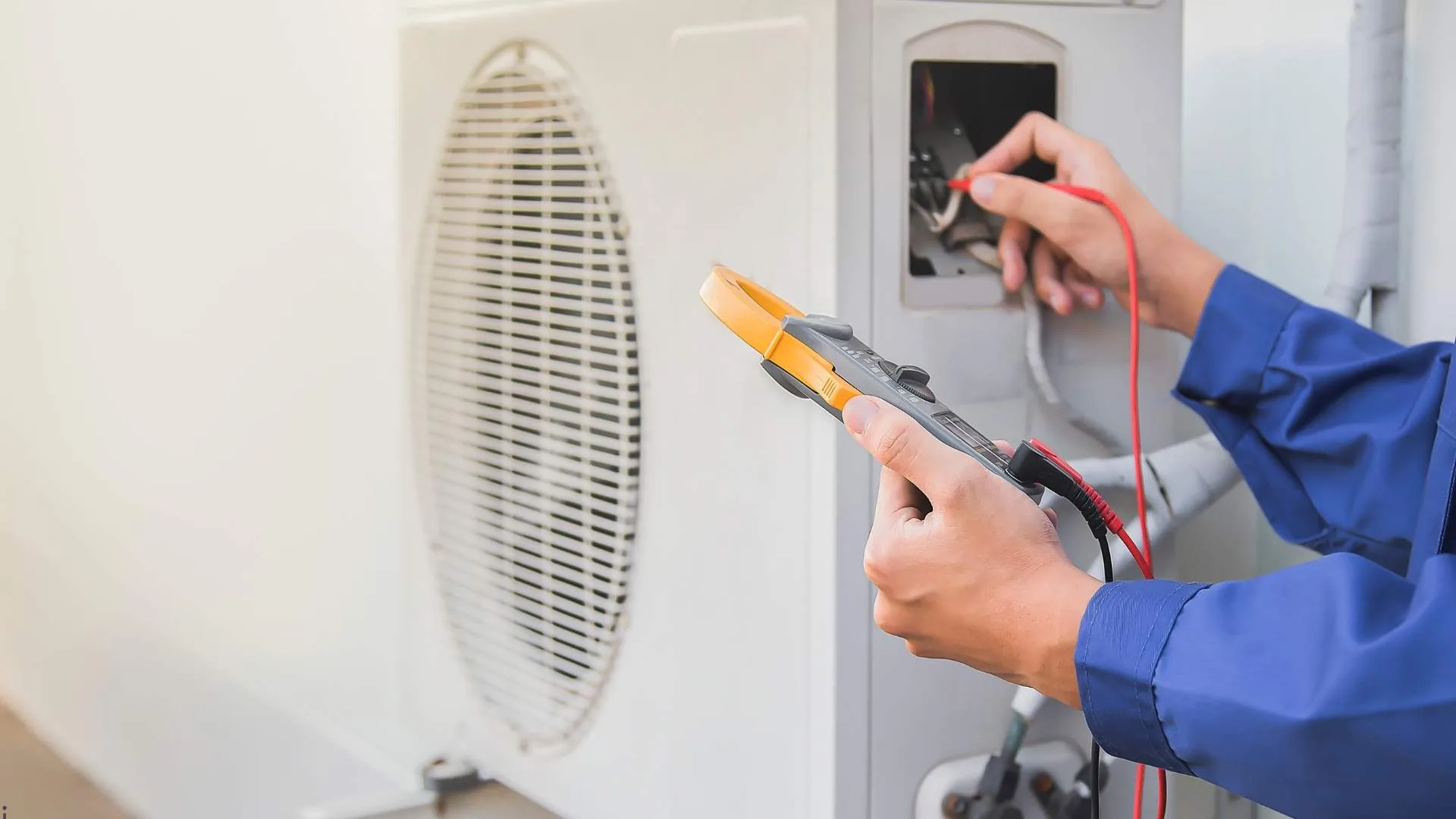
Technician qualifications matter just as much. HVAC equipment involves electrical components, refrigerant circuits, combustion systems, airflow controls, and mechanical parts. A qualified technician should have appropriate training and experience with the type of system installed in the home. For refrigerant-related work, applicable federal requirements also matter because refrigerants are regulated substances and technicians handling them must meet EPA certification requirements.
Choosing an HVAC contractor involves more than comparing price and availability. Homeowners searching for HVAC Company Northern Virginia services should consider whether a provider is licensed, insured, certified, and experienced with the type of heating or cooling work required. It is also worth asking about technician training, the scope of the proposed service, and how clearly the company explains its recommendations before work begins. Reviewing these qualifications can help homeowners make a more informed decision when arranging repairs, maintenance, or system replacement.
Demand Clear Estimates and Understand Warranty Terms
Before approving significant HVAC work, homeowners should receive a written estimate that clearly describes the proposed service. A useful estimate should identify the equipment or components involved, the scope of labor, material costs, applicable fees, and the total expected price. If additional work could become necessary after diagnosis, the contractor should explain how those changes will be handled rather than leaving the homeowner uncertain about the final bill.
This is particularly important when comparing an HVAC Company because different providers may describe similar repairs in very different ways. A lower initial estimate is not necessarily the better option if it leaves out important labor, replacement components, or diagnostic charges. Conversely, a higher estimate does not automatically indicate superior workmanship.
Warranties deserve equal attention. Homeowners should distinguish between manufacturer warranties and warranties provided by the contractor for labor or workmanship. Ask how long each warranty lasts, what it covers, and whether certain maintenance requirements apply. Written warranty terms are preferable to informal assurances because they give both parties a clear reference if a problem develops later.
Assess Emergency Availability and Communication
HVAC failures do not always happen during convenient business hours. A heating system may stop working during a cold night, or an air conditioner may fail during a period of extreme heat. For that reason, homeowners should understand a provider’s emergency policy before an urgent situation occurs.
Emergency availability does not necessarily mean that a company must provide immediate service at any hour. Instead, homeowners should know whether after-hours assistance is offered, what situations qualify as emergencies, how calls are handled outside normal business hours, and whether emergency rates differ from standard service charges.
Communication is another useful measure of reliability. A professional provider should explain the problem in understandable terms, identify available repair options, and communicate realistic expectations about timing. If replacement is being considered, the technician should explain why repair may no longer be practical rather than simply recommending a new system without adequate justification.
Reliable communication also continues after the technician leaves. Documentation of completed work, replaced components, recommendations, and warranty information gives homeowners a useful record for future service.
Look for Preventive Maintenance Options
A reliable HVAC relationship should not begin and end with emergency repairs. Preventive maintenance can help identify developing issues before they become larger problems, although it cannot eliminate the possibility of unexpected failures.
Maintenance visits commonly involve inspecting system components, checking electrical connections, examining airflow, cleaning or servicing applicable parts, and assessing overall operating condition. The exact tasks should depend on the equipment and the manufacturer’s recommendations rather than following an identical checklist for every system.
Homeowners should ask what a maintenance plan actually includes before agreeing to one. Important questions include:
- What inspections and service tasks are included?
- How often are maintenance visits scheduled?
- Are diagnostic or repair charges separate?
- Does the plan include priority scheduling?
- Are recommendations documented after each visit?
A useful maintenance program should focus on the actual condition and requirements of the HVAC system. It should also help homeowners understand which issues require immediate attention and which can reasonably be monitored.
Pay Attention to Follow-Up and Documentation
The quality of an HVAC provider can often be judged by what happens after the repair is completed. Follow-up demonstrates whether the company views service as a single transaction or as an ongoing professional responsibility. Homeowners should receive documentation describing the work performed, relevant parts or components used, and any observations that may affect future system performance.
Follow-up communication can also be valuable after complicated installations or major repairs. If a contractor checks whether the system is operating properly and answers reasonable questions about its operation, that provides additional confidence in the service process. Even when no follow-up visit is necessary, clear records and accessible warranty information make future maintenance easier.
Homeowners should also retain invoices, estimates, warranty documents, and service reports. These records can establish what work has already been completed and may help another qualified technician diagnose a recurring issue more efficiently.
End Note: Reliability Is a Process
Choosing dependable HVAC service requires looking beyond a company’s ability to advertise repairs or offer a low initial price. Licensing, technician qualifications, written estimates, warranty terms, emergency policies, maintenance programs, communication, and follow-up all contribute to a more complete picture of professionalism.
The strongest provider is not necessarily the one making the biggest promises. Instead, reliability is reflected in transparent documentation, qualified workmanship, realistic communication, and a willingness to explain both immediate repairs and long-term system needs. By evaluating these factors before service begins, homeowners can make decisions based on professional standards rather than convenience alone.