A perfectly maintained backyard can still be somewhat wasted space. Although the grass might look perfect, the fence might be whole, and the patio area serviced, a backyard that does not serve a useful function for the way a household lives is of little use.
A beautiful backyard does not have to be big. Even the smallest of outdoor spaces can be beautifully decorated and used if there is sufficient seating, shade, light, greenery, and clear paths.
You don’t need to fill up every nook and cranny of your yard. The goal is to optimize the space you have.
Start With How the Backyard Will Actually Be Used
Your needs will probably dictate how the space will be used. So you first decide what you want to do with your backyard and then choose the corresponding furniture, plants, etc. in order to get the best result out of it.
Walk around your yard at different times of day to note where the sun will be at different times. Identify areas where water may collect after rain. Determine the best route between your home and patio. Identify the natural gathering places in your yard, such as in front of a water feature or near a garden.
Identifying these areas and designing around them first will help to ensure that you don’t purchase items of beauty to adorn your underused space before having a functional space to place them in.
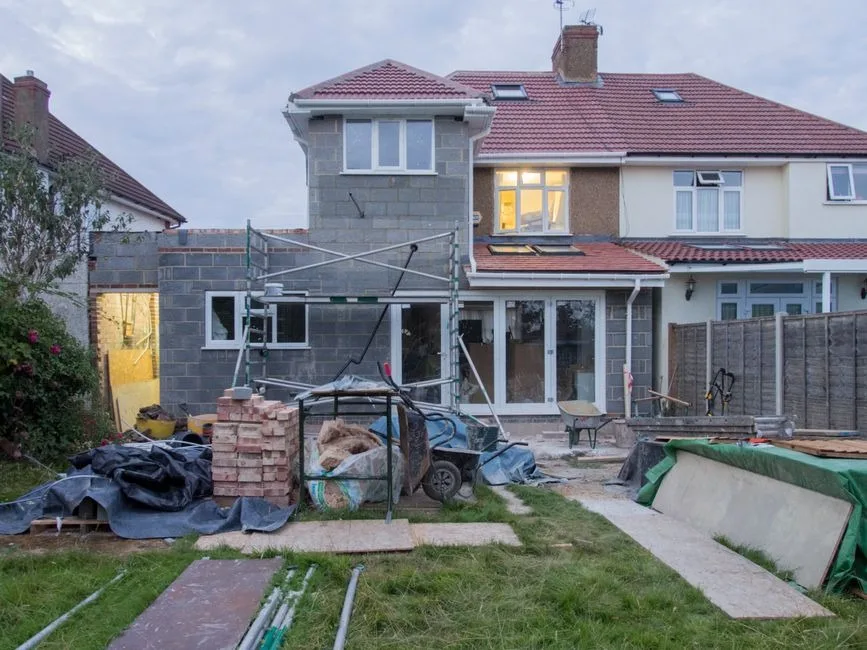
One of the best starting points for your outdoor layout is dividing the yard into distinct activity zones, placing dining areas opposite relaxing nooks, and utilizing the perimeter for planting. If your vision includes substantial structural work to achieve these zones, partnering with a design and build contractor can help seamlessly coordinate the layout, material selections, and construction requirements before any work begins.
Make the Center of the Yard Functional
A few pieces of furniture can create a really inviting space to sit and relax in the garden, but the way you place them is so important.
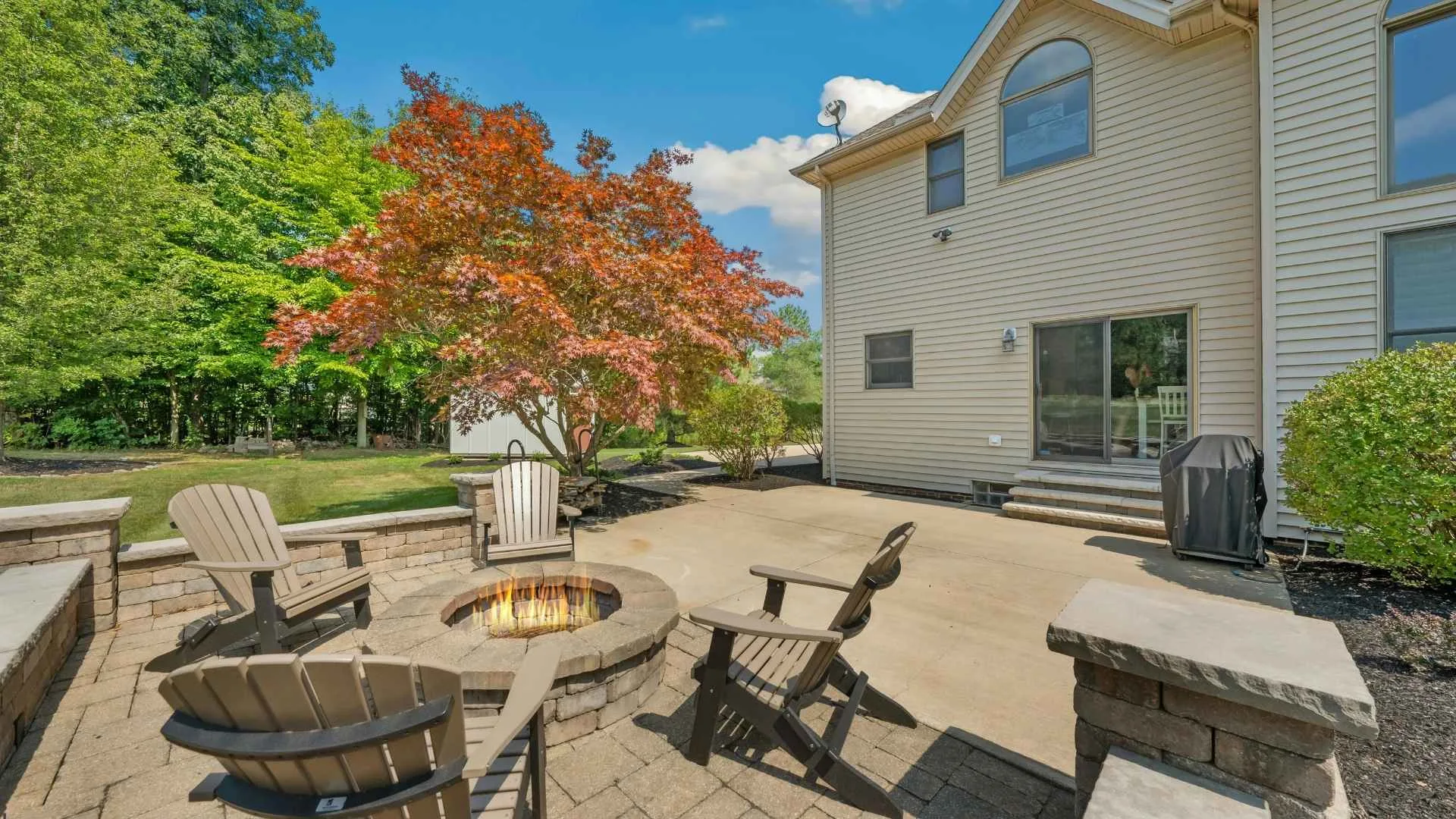
Start with the centerpiece of your space and work out from there. This could be a dining table and chairs in the center of your yard, a fire pit in the corner with seating around it, or even a single pair of chairs facing out to the garden. Then, arrange your additional seating in relation to this central feature and see how it looks.
The scale of your furniture to the space of your yard is of utmost importance. A large sectional may use up too much of the square footage of a small yard, while a table and chairs for 2 or 4 people would leave ample room for people to move about while the furniture is in place. See the article from Rivon Home regarding the use of outdoor furniture for spaces to entertain outside of the home.
This is why, when choosing furniture for your yard, it’s best to pick materials that are suited for the conditions it will be exposed to. The furniture will be subjected to the sun, dampness, earth, and extreme temperatures. Weather resistant materials such as outdoor furniture fabrics, treated timber, powder coated metal, and other outdoor furniture made from durable materials are ideal.
It should also be comfortable. Try sitting in your desired configuration and see if it feels like you need to move furniture around to be able to use the space. If so, then the configuration isn’t working, and you need to go back to the drawing board.
Create Shade Before Adding More Decor
A beautiful yard for 10 minutes of sun will not be your favorite spot in the yard for the rest of the day.
When creating an outdoor space, it is wise to integrate the provision of shade into the initial design. A pergola can be a good way to delimit an area and, depending on the chosen option, a retractable awning, a shade sail, a mature tree, or even an umbrella can be used to provide more flexible temporary or permanent shade.
Consider the sun’s direction when choosing a spot for your shade structure. If you have a patio that receives sunlight in the afternoon, for example, a permanent structure like a pergola would not be the best choice, as it would be situated incorrectly to provide adequate shade.
Planting trees, shrubs, or flower beds can provide shade to outdoor spaces as they mature. A newly planted tree will not provide immediate shade as an established tree would, but within a few years it can create a wonderful screened area to sit in and feel enclosed by.
Use Plants to Make the Yard Feel More Private
You don’t necessarily need a tall fence to create privacy in your yard. Instead, create layers of plants of varying heights to block unwanted views of your neighbors.
Instead of planting a single row of plants of similar heights around the perimeter of the yard, create layers within the bed by using a variety of heights. Shorter plants can be placed in the pockets between the seats of an outdoor dining area; medium height plants can provide screening, and taller plants in the background of the bed can create a dramatic backdrop.
Native plants and those that are climate appropriate are also generally easy to maintain because they are naturally suited to the site’s growing conditions. Look for plants that thrive in your region’s soil type, precipitation levels, amount of sunlight, and more.
Water management in your yard can also serve multiple purposes, like mowing your lawn to collect your yard clippings for compost. Instead of creating more decorative plants, consider creating a rain garden if water typically collects in parts of your yard during storm events.
This means the landscape is doing more than being beautiful; it also has a practical function.
Connect the Backyard to the House
The main reason an outdoor space tends to feel like a completely separate area from the rest of the house is that there is no connection between the house and the yard.
To link up your interior to your exterior, make use of the materials you already use in your home. Link up the colors from the interior to the outside with cushions, pots, planters and other items of outdoor furniture and textiles. If possible, position your seating in line of sight of the main door to and from the garden to create a link between the interior and exterior of your home.
Additionally, a clear route should be provided for people to walk through the yard, ideally leading to the main seating area. This easy to follow path should be kept free of plant material to avoid having to cut through plants to reach the seating area.
In designing outdoor spaces, space planning is more important than decor. In order to create the best outdoor retreats, these areas should feel connected to the home before one even realizes how.
Add Lighting That Supports Evening Use
Utilize your outdoor space well into the evening hours with good outdoor lighting.
To maximize the amount of time you can spend outside in your backyard in the evenings, different types of lights can be used for different purposes. Path lights help to illuminate the walkways to safely navigate through the backyard at night. Low level lighting can be used to accentuate the lines of the planting beds. Task lighting is used to focus on specific areas such as cooking, outdoor dining, or reading.
There are many different LED outdoor lighting fixtures on the market today. Look for ones that are designed to be outdoor rated and installed according to local electrical code. Using LED lights in your outdoor lighting will save energy and last much longer than traditional incandescent lights.
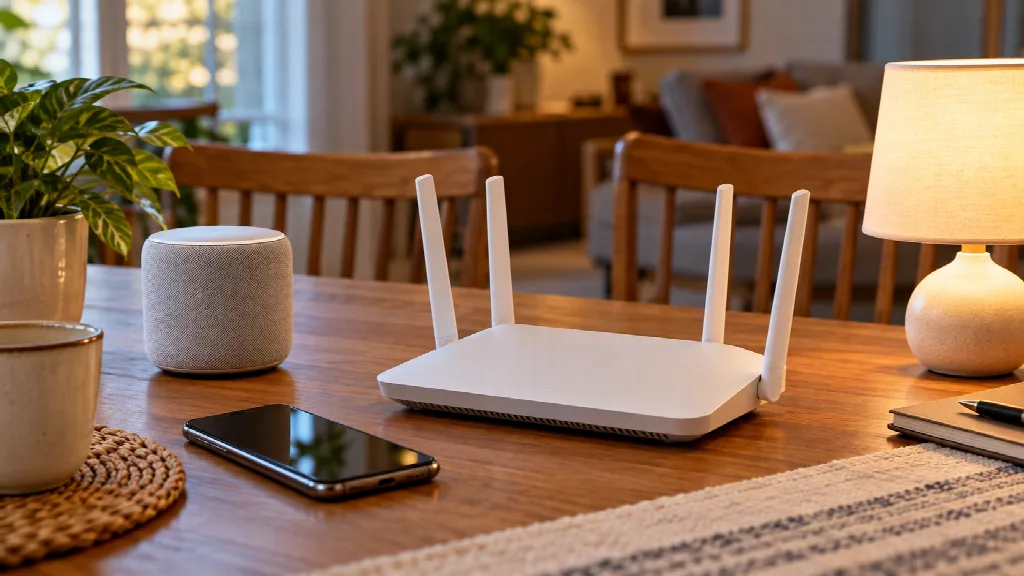
Smart controls can make the management of your lighting easier. Platforms like the popular Philips Hue system, for example, can control a wide variety of outdoor lighting products that are compatible with it. Using your smartphone or tablet to schedule when your outdoor lights come on can be an effective way to manage your lighting. This doesn’t have to mean creating a light show in your backyard, though. As long as the lights are positioned well, subtle lighting can be very effective at creating ambiance.
Keep the Retreat Easy to Maintain
A backyard is a retreat only if it does not become another full time job.
Maintaining the retreat in your backyard is key to utilizing it for years to come. Add up the maintenance needs for each feature you are thinking of adding. The lawn requires regular mowing and watering. Timber decked areas may require occasional treatment of the timber. Outdoor cushions require a dry storage place. Dense planting requires regular pruning.
Additional efficiency can be designed into the outdoor water use as well. The EPA recommends the use of drip irrigation, weather based control systems, and water efficient landscaping.
It is far better to create a simple design that can be constantly maintained to a good standard than to create a complicated large landscape that will soon fall into disrepair.
Make One Part of the Yard the Destination
In designing a backyard, creating a single destination in the yard for people to go to is more important than adding the most features to the yard.
This focal point of the yard does not have to be elaborate; even a shaded reading area or garden bench surrounded by beautiful planting can create a destination in the yard. Once this key component of the yard is functioning, the rest of the yard can support it.
Don’t make your underused backyard into an outdoor showroom. Give it a reason to be there.
Your outdoor space is likely used in a number of different ways. A thoughtful plan for creating a backyard retreat begins with how you use your yard and then considers issues of comfort, shade, privacy, space for movement, appropriate lighting, and last but not least, maintenance.