A beautiful garden does not have to demand hours of mowing, watering, weeding, and pruning every week. Homeowners considering synthetic lawn installers in Tennessee can learn about artificial grass and synthetic turf installation services in Knoxville, Tennessee, including options for residential lawns, pet areas, recreation spaces, and other outdoor applications. By simplifying the most demanding parts of a yard while preserving favorite flowers, shrubs, trees, and other plants, it is possible to create an attractive garden that is much easier to manage.
Decide Which Parts of the Garden Matter Most
Start by identifying the plants and garden features that provide the most enjoyment or visual value. An established flowering shrub, vegetable bed, mature tree, or collection of favorite perennials may deserve regular attention, while a difficult patch of lawn may consume time without contributing much to the garden. Knowing what you genuinely value makes it easier to decide where maintenance effort should be concentrated.
It is also useful to look at which areas repeatedly create extra work throughout the year. Grass growing on awkward slopes, weeds appearing in unused corners, or plants struggling in unsuitable conditions can turn simple garden care into a constant task. Addressing these problem areas first can reduce maintenance without requiring a complete redesign.
Choose Plants That Suit Existing Conditions
Plants generally need less intervention when their natural preferences match the conditions in which they grow. Consider sunlight, soil type, drainage, available space, and typical moisture levels before introducing new varieties to the garden. A plant suited to its location is less likely to need constant watering, feeding, pruning, or protection.
Mature size matters just as much as immediate appearance when selecting plants. Shrubs placed too close to paths or other plants may eventually require frequent trimming, while vigorous species can quickly overwhelm smaller garden beds. Giving plants enough room to develop naturally can reduce future work and create a healthier landscape.
Reduce High-Maintenance Lawn Areas
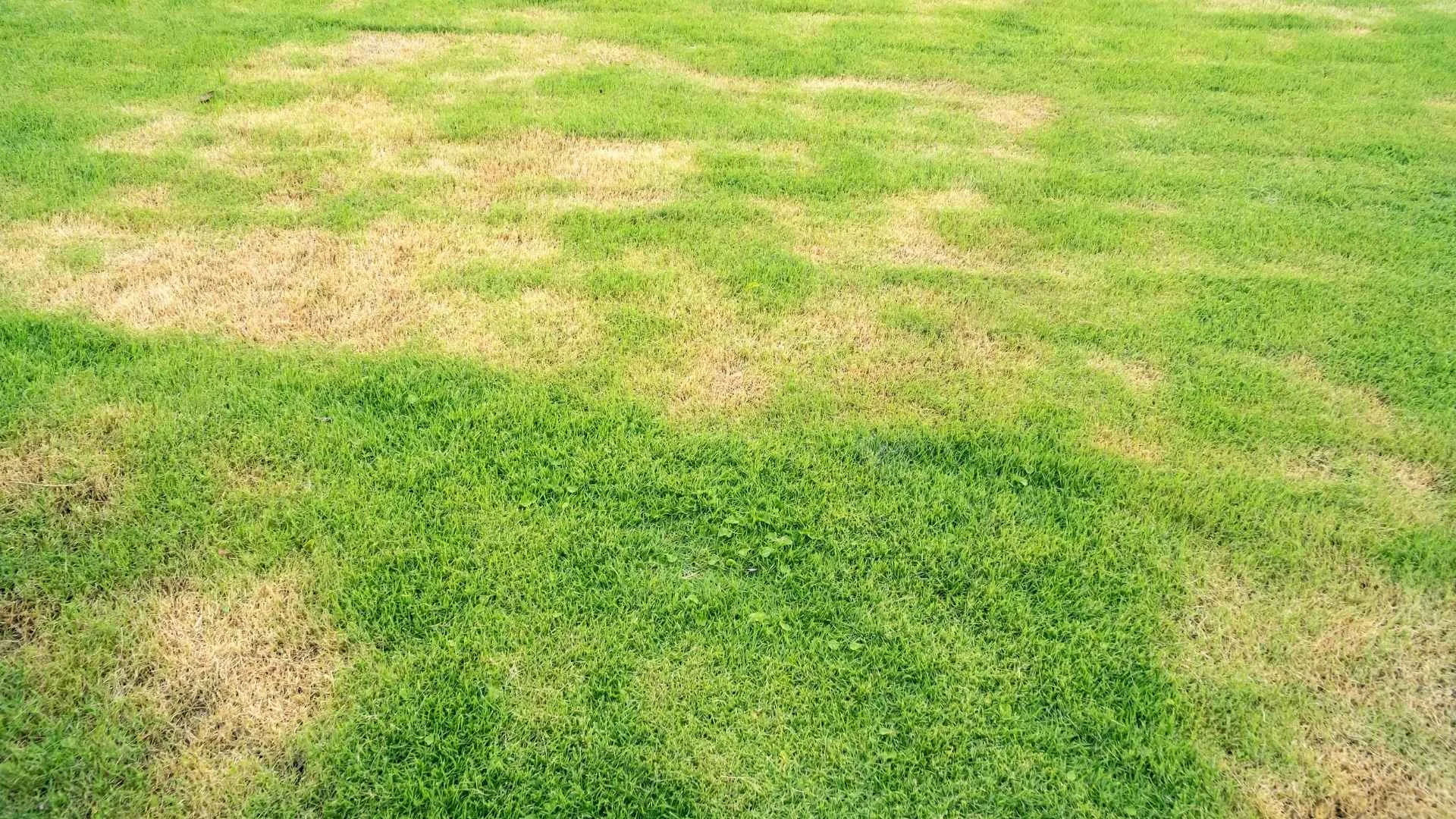
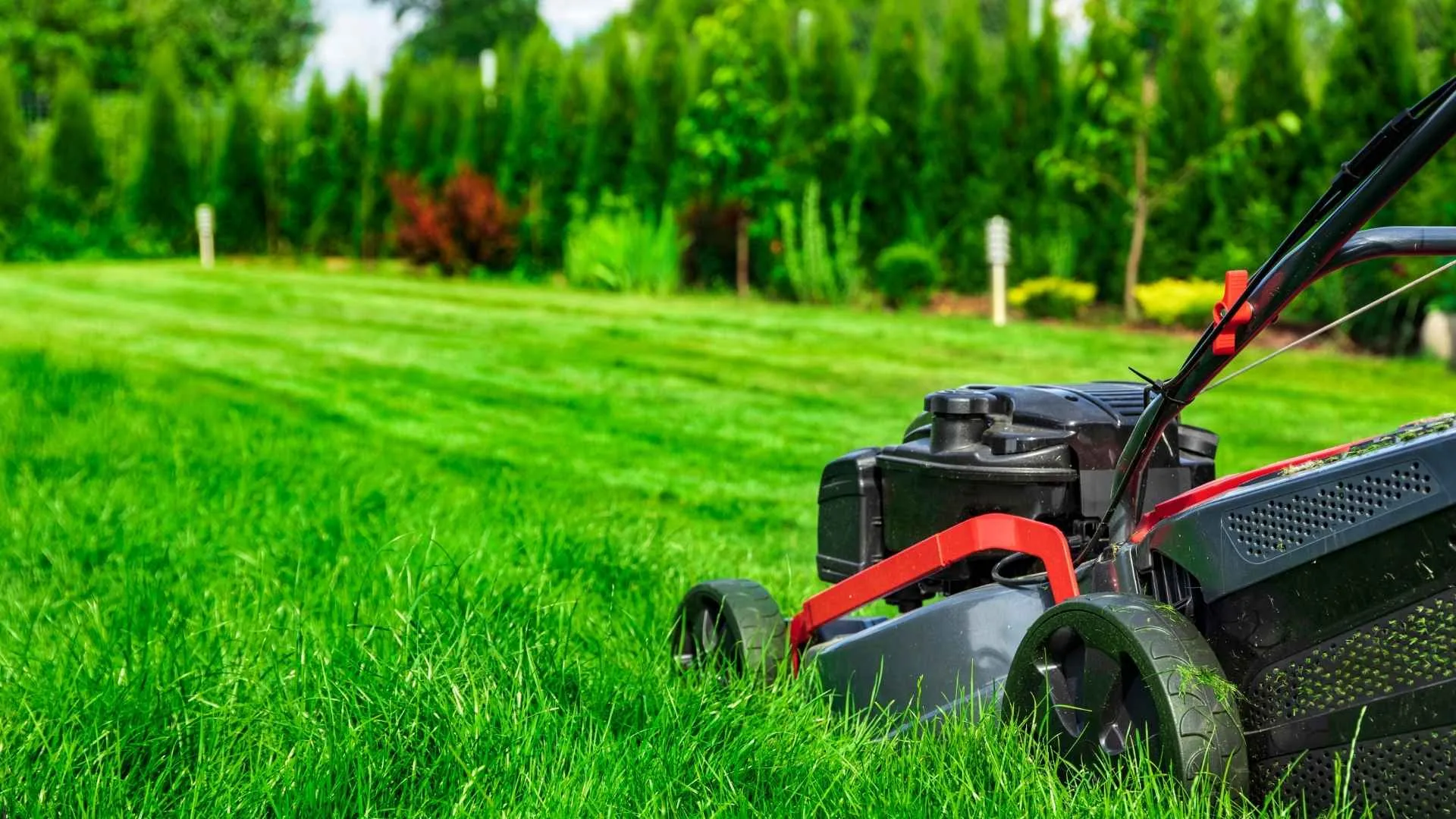
Traditional lawns can require considerable attention during the growing season, particularly when they need regular mowing, edging, watering, fertilizing, and weed control. Rather than removing every section of grass, consider whether all existing lawn areas are actually useful. Keeping conventional grass only where it grows successfully and serves a clear purpose can significantly reduce routine maintenance.
Handle problem areas differently based on how they are used. Garden beds, groundcover plants, gravel, paving, mulch, or artificial turf may be appropriate alternatives depending on sunlight, drainage, foot traffic, and the overall design. Using several surface types can also add definition to the garden while keeping planted areas an important part of the landscape.
Make Garden Beds Easier to Maintain
Well-planned garden beds can support plenty of plant life without requiring constant attention. Grouping plants with similar water and sunlight needs makes routine care more efficient and reduces the risk of some varieties receiving too much or too little water. Wider plant spacing can also improve access for occasional pruning and maintenance.
Mulch can further simplify planted areas by covering exposed soil between established plants. A suitable layer can help retain soil moisture and limit opportunities for weeds to become established, reducing the amount of watering and weeding required. Still, keep mulch from building up directly against stems and tree trunks.
Use Containers Strategically
Containers are useful for gardeners who enjoy changing plants throughout the year but do not want to maintain large beds. Pots can introduce herbs, flowers, compact shrubs, and seasonal color exactly where they will have the greatest impact. They are especially practical around patios, entrances, seating areas, and other places where concentrated planting can make a noticeable difference.
Too many small containers, however, can create their own maintenance demands because they may dry out quickly. Choosing fewer, larger containers gives roots more room and helps the soil retain moisture longer. Selecting durable pots and plants suited to the available sunlight can make container gardening considerably easier.
Create Clear Paths and Boundaries
Poorly defined edges can create extra work when grass spreads into planting beds or people repeatedly walk through planted areas. Clear boundaries between lawns, beds, patios, and pathways help keep different parts of the garden organized. Edging materials or surface changes can create these divisions without making the landscape feel overly formal.
Paths should also follow the routes people naturally take through the yard. Providing convenient access between the house, seating areas, storage spaces, garden beds, and other frequently used features can reduce wear on lawns and plants. Practical circulation makes maintenance easier because you can move tools, hoses, and garden materials without disturbing delicate planting.
Simplify Watering and Routine Care
Watering can become one of the most time-consuming garden tasks when every plant has different requirements. Grouping plants by moisture needs lets you target irrigation more efficiently, while drip systems or soaker hoses can deliver water directly to planted areas. Watering deeply when needed can also encourage stronger root systems than frequent shallow watering.
Regular maintenance becomes more manageable when you address small tasks before they become larger problems. Removing weeds before they produce seeds, trimming damaged growth when noticed, and checking irrigation occasionally can prevent more demanding work later. A simple routine carried out consistently is often easier than occasional intensive garden cleanups.
Allow the Garden to Evolve
A low-maintenance garden does not need to remain exactly the same year after year. Plants mature, trees create additional shade, household routines change, and some parts of the yard may gradually receive more or less use. Reviewing the garden occasionally provides an opportunity to adjust the layout before new maintenance problems develop.
It is also worth accepting that some plants may no longer be suitable for their original locations. Moving, dividing, or replacing demanding plants can sometimes improve the entire garden without sacrificing its character. Keeping the plants that thrive and provide genuine enjoyment can make gardening feel rewarding rather than becoming another household chore.
Conclusion
Creating a low-maintenance garden is less about removing plants and more about deciding where time and effort are best spent. Choosing plants suited to their conditions, reducing demanding lawn areas, simplifying watering, defining pathways, and managing garden beds carefully can preserve the greenery and personality of an outdoor space while reducing routine work. With thoughtful changes rather than a complete transformation, homeowners can continue enjoying the plants they love while creating a garden that fits more comfortably into everyday life.