Working from home has plenty of upsides, but it can also blur the line between work and everything else. When your laptop is always nearby, it’s easy to check one more email or keep working longer than you meant to…
You don’t need a separate home office to fix that. Even small changes to how you use your space can make it easier to switch off at the end of the day and keep work from spilling into your free time.
Give Work a Defined Place
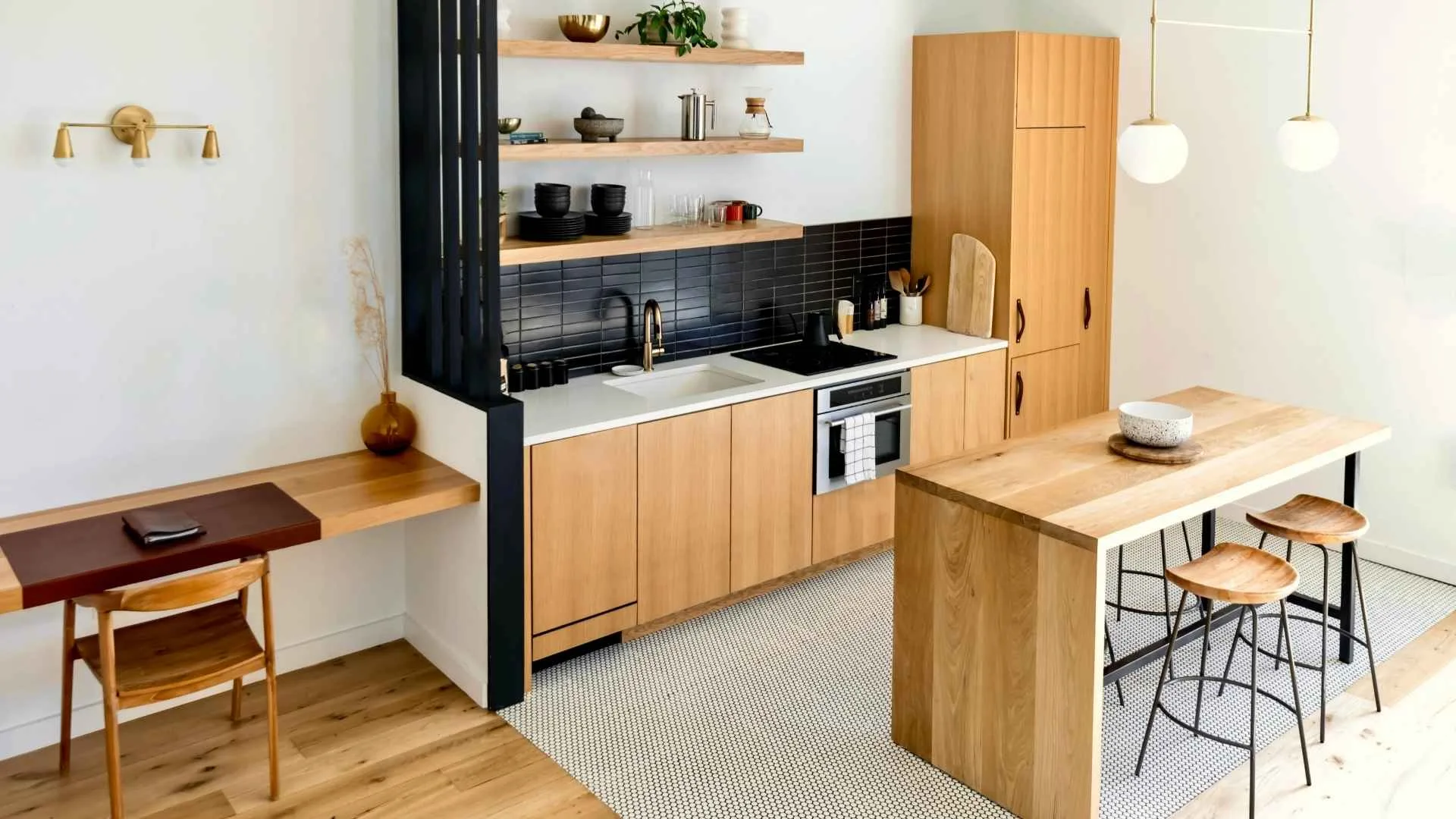
Give yourself a dedicated workspace at home, but remember that you don’t need to dedicate a whole room to do so. Just having a desk in a quiet corner of a room can be enough if you work there on a regular basis.
Don’t make the mistake of linking the area with relaxation. It might be tempting to work from the comfort of your couch or bed, but doing so will make these spaces part of your work environment. When the time comes to stop working, power down the computer and put everything away.
It’s just another way of creating a physical marker that helps you know it’s time to switch activities.
Make Your Workspace Easy to Tidy Up
When the whole room becomes a workspace, it can be difficult to stop thinking about work, particularly in a small place where your desk might be next to the living room or dining area.
Use drawers, cabinets, or storage boxes to keep work-related things out of sight once you are done. Being able to clear everything quickly from the desk can change the look of the room, especially if it’s visible from the sofa. It’s about being able to close that chapter until tomorrow.
Set Some Digital Boundaries
Physical separation only goes so far. Even after you’ve closed your laptop, work notifications on your phone can pull you straight back into work mode. Decide which alerts really need your attention after hours, and remove work apps from your personal phone if you don’t need them there.
It can also help to keep your work and personal online activity separate. For example, if you sometimes work from a café, coworking space, or another unfamiliar network, using a free VPN trial for Windows lets you test whether a VPN fits naturally into your remote-work setup before committing to one.
The idea is simple: use technology in a way that supports the boundary between work and home rather than constantly breaking it.
Create a Transition Between Work and Home Life
One reason working from home can feel endless is that there can be no clear moment when the day ends – that’s why creating a small transition can help.
Change clothes, make dinner, take a short walk, water your plants, or spend a few minutes outside. If you have a balcony, patio, or comfortable chair away from your workspace, use it to pause before your evening starts.
These habits don’t need to be complicated; their purpose is simply to create distance between your last work task and whatever comes next.
Make Relaxation Spaces More Inviting
Your home should give you something to move toward after work. If your most comfortable space has also become your workstation, creating that separation can be harder.
Think about what you enjoy doing at home. Maybe you like reading, cooking, listening to music, playing games, watching films, or simply sitting somewhere quiet. Arrange your living spaces around those activities.
Small changes can help. Better lighting, a comfortable chair, or a clear surface can make a room more inviting without a major redesign.
Stop Work From Spreading
A laptop moves from the desk to the dining table. Then paperwork appears in the bedroom, and checking one email becomes part of your evening routine. Before long, work has found its way into almost every room.
Set some limits on where work happens. If possible, avoid using your relaxation spaces as backup desks. Keep work materials together rather than leaving them around the house.
The point is to prevent work from becoming something that follows you everywhere around the house.
Let Home Feel Like Home Again
A good work-from-home setup isn’t just about a comfortable chair and a large desk. Your home should also make it easier to stop working when the day is over.
Give work a defined place, create a clear transition, and make your relaxation spaces inviting. Small changes like these can help you get things done without letting work take over your home.