Homeowners shopping for cooling usually start with a brand name and a price. The more useful first question is which type of system fits the house. A good unit installed in the wrong configuration will disappoint, while a modest unit in the right one can make a home comfortable for decades.
Three options cover the vast majority of homes: central air conditioning, ductless mini-splits and heat pumps. Each has a natural fit.
Central air: best when the ducts already exist
If the home has a forced-air furnace with ductwork in decent shape, central air is often the most straightforward choice. The indoor coil sits on top of the furnace, the condenser goes outside and the existing ducts deliver the air.
A proper air conditioning installation still starts with a load calculation and a duct inspection, because ducts designed only for heating are sometimes too small for cooling airflow.
Ductless mini-splits: best for houses without ducts
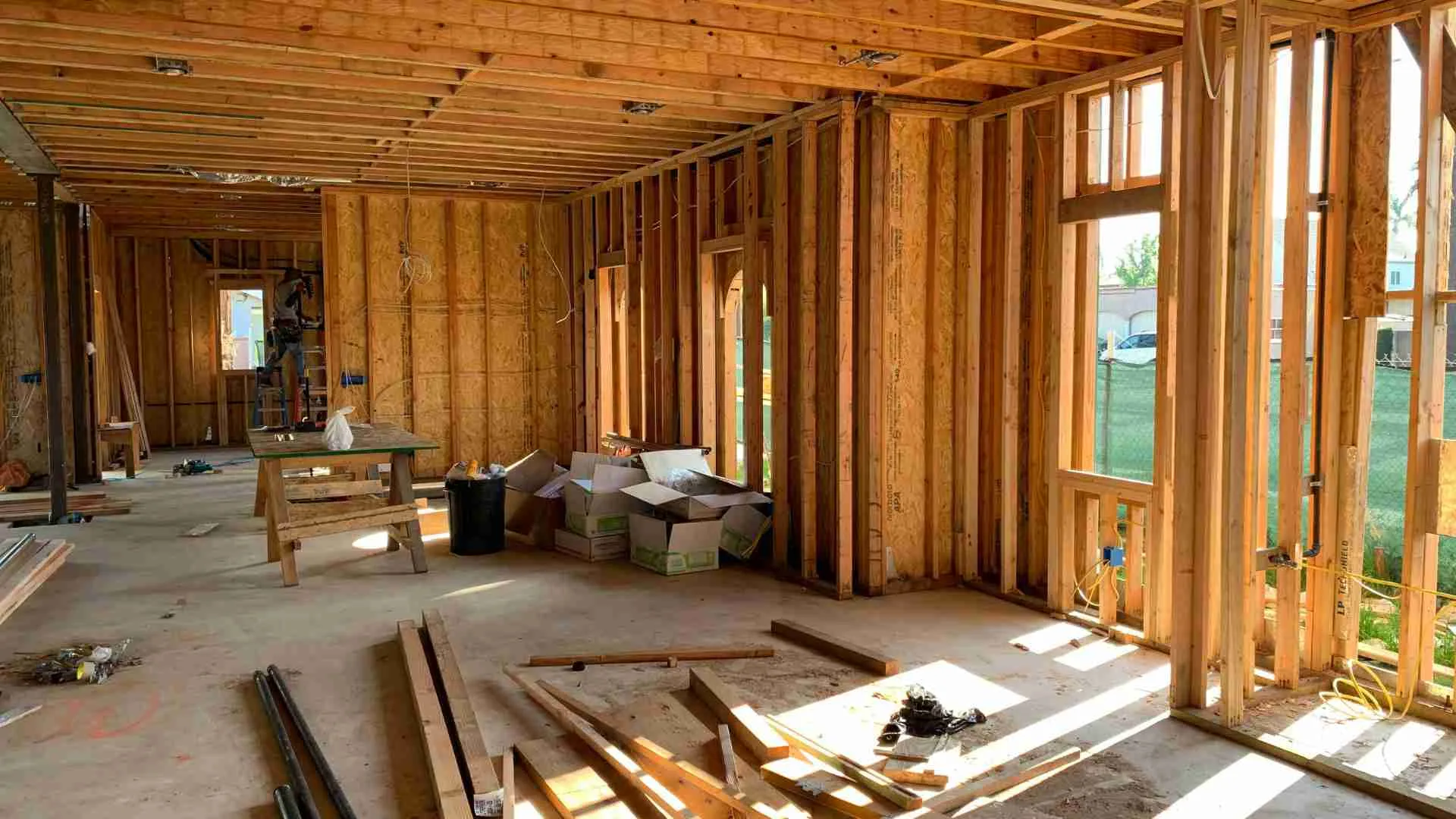
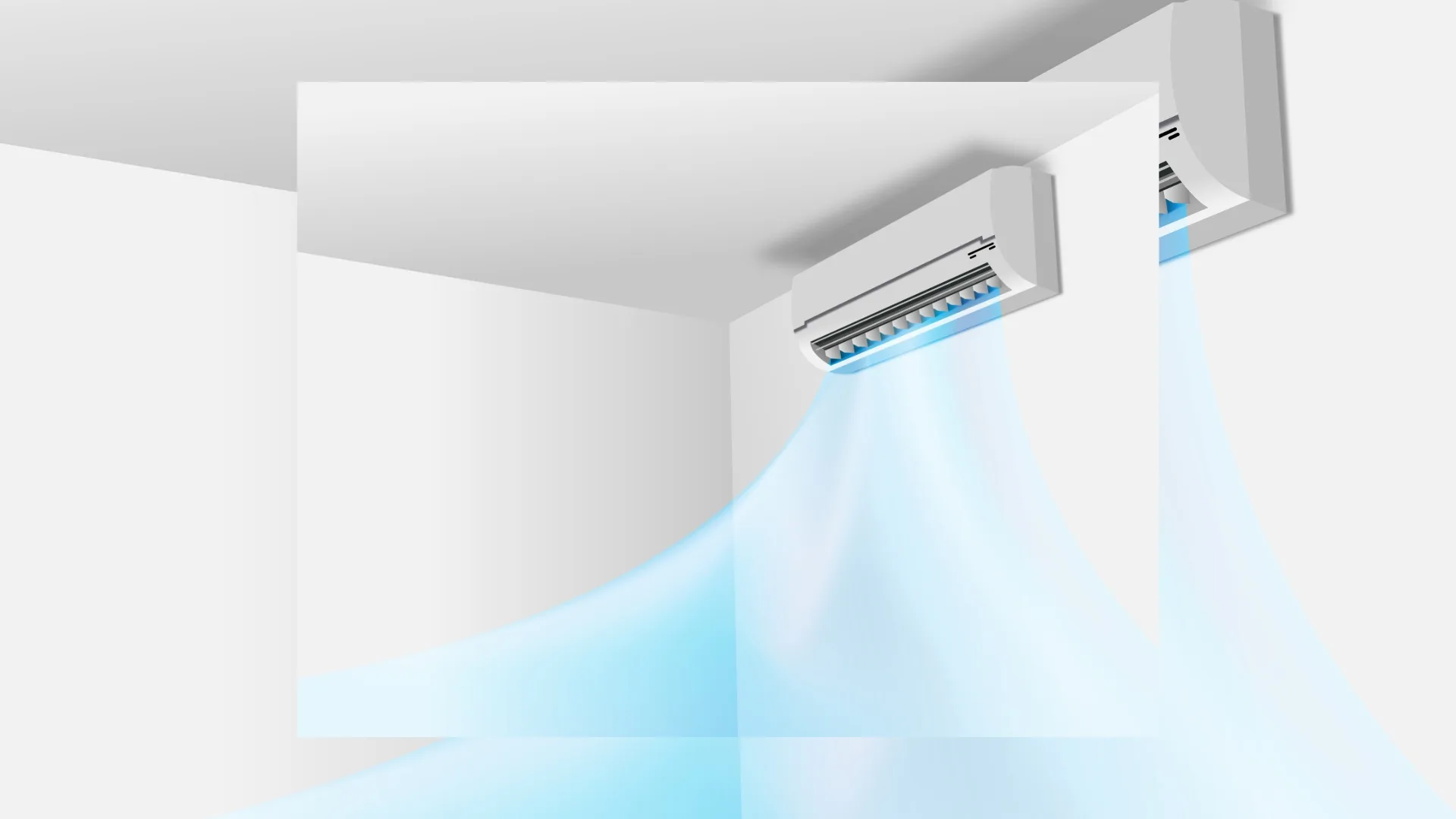
Older homes heated by radiators or baseboard heat have no ducts to use. Adding them means opening walls and ceilings. Ductless systems avoid that: small indoor heads mount on walls or ceilings, connected to an outdoor unit by a thin line set. Each room or zone gets its own control, which is also why they suit additions, finished attics and converted garages. Indoor heads are visible, so placement deserves the same attention as a light fixture. Ceiling cassettes and concealed ducted heads exist for rooms where looks matter most.
Heat pumps: cooling and heating in one
A heat pump is an air conditioner that can run in reverse, moving heat into the house in winter. Modern cold-climate models keep working at temperatures that would have defeated older units. A heat pump can be ducted, like central air, or ductless, and it can be paired with an existing furnace as backup for the coldest days.
Efficiency ratings in plain language
Cooling efficiency is listed as SEER2, and heating efficiency for heat pumps as HSPF2. Higher numbers mean less electricity for the same comfort, but the rating only holds if the system is sized and installed correctly. An oversized high-efficiency unit that short cycles all summer can perform worse than a modest unit sized to the house. Ask the installer to explain the expected run times, not just the label.
Noise and placement
Outdoor units differ in sound level, and placement matters as much as the specification. Keep condensers away from bedroom windows and neighbors’ patios where possible, and leave clearance for airflow and future service.
How to decide
- Check what you have: ducts, a furnace, radiators or nothing at all.
- Decide whether you also want to change how the home is heated.
- Identify problem rooms that may need their own zone.
- Ask for a room-by-room load calculation, not a size based on square footage.
Synergy3, a family-run contractor serving Greater Philadelphia and South Jersey since 2006, installs all three types and typically starts by asking which rooms are uncomfortable today. NATE-certified technicians, a written load calculation and a warranty on labor and parts are reasonable things to expect from any installer.
The right system is the one that suits the house you live in. Contractors such as Synergy3 will tell you when the simplest option is also the best one.