Good room lighting does not always solve the problem of dark shelves, cabinet interiors, display cases, or other compact spaces. A ceiling fixture may illuminate the room effectively while leaving these smaller areas in shadow.
This is where small LED lights become particularly useful. Their compact size makes it possible to add light close to the surface or object that actually needs illumination, without installing another large fixture. They can provide practical task lighting, highlight decorative objects, or simply make storage areas easier to use.
The key is choosing the right format and positioning it properly. In confined spaces, brightness alone rarely determines whether the result looks good.
Why General Room Lighting Often Falls Short
Overhead lighting is designed to illuminate a relatively large area. Cabinets, shelves, and display units create physical barriers that prevent some of that light from reaching inside.
A kitchen cabinet may remain dark even when the room itself is brightly lit. Deep shelves can cast shadows over objects positioned toward the back, while display cases often need illumination from a specific direction to make their contents visible.
Adding more ceiling brightness does not necessarily solve these problems. In fact, it can make the room uncomfortably bright while the target area remains poorly illuminated.
Localized lighting solves the problem at its source by placing the light much closer to where it is needed.
Where Small LED Lights Work Especially Well
Compact LEDs can be useful in many parts of a home.
Cabinets and Cupboards
Interior cabinet lighting makes stored items easier to see, particularly in deep or enclosed spaces. It can be useful in kitchens, wardrobes, utility cabinets, and storage areas.
For installations where wiring is inconvenient, battery-powered options can provide a relatively simple solution.
Shelves and Bookcases
Shelf lighting can serve both practical and decorative purposes.
A small light positioned underneath a shelf can illuminate the level below, while hidden lighting along an edge can create softer accent illumination.
Display Cases and Collectibles
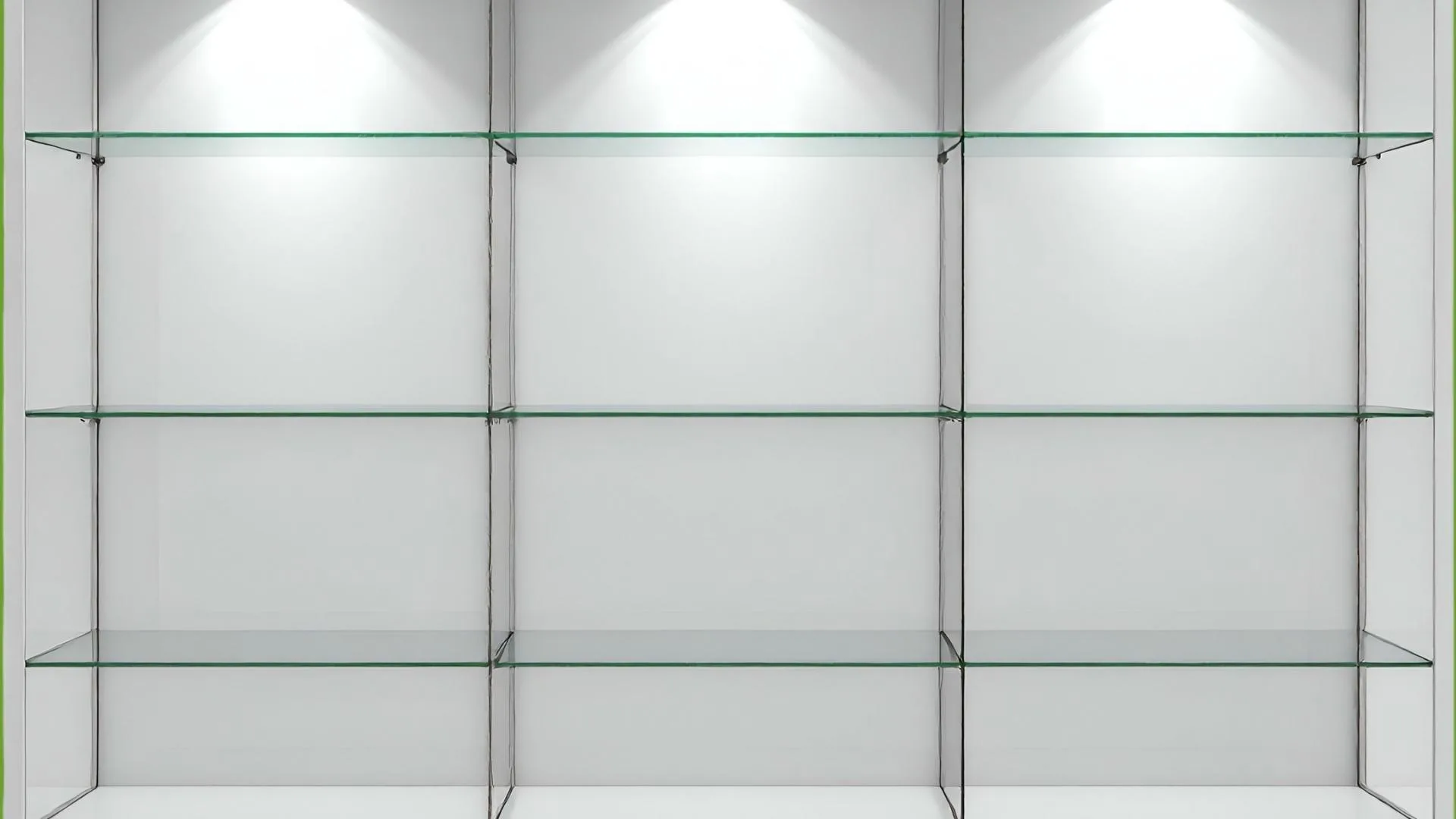
Collectibles, models, artwork, and decorative objects often benefit from focused lighting.
Here, the objective is usually not to make the entire area brighter. Instead, light should draw attention to the displayed object without creating distracting glare.
Kitchen Work Areas
Small fixtures can supplement general kitchen lighting in areas such as cabinets, counters, or storage sections where ceiling fixtures create shadows.
Hobby and Craft Spaces
Detailed work often requires illumination close to the working surface. Compact lights can provide targeted visibility without occupying much desk or table space.
A broad selection of small LED lights makes it possible to compare different formats according to the size of the area, available power source, and type of illumination required.
Individual Lights or LED Strips?
One of the first decisions is whether the space needs individual point lights or a continuous strip.
Individual LED lights generally work well when illumination needs to be concentrated in one or several specific locations. They can be useful for highlighting objects, small compartments, or irregularly shaped spaces.
Small LED light strips, on the other hand, provide illumination across a longer surface. They are often better suited to:
- long shelves
- cabinet interiors
- display edges
- under-cabinet installations
- continuous decorative accents
Neither format is automatically better. The choice depends on whether the goal is focused illumination or consistent coverage across a wider area.
Brightness Is Only Part of the Equation
It is tempting to choose the brightest light available, but compact spaces can quickly become uncomfortable when too much light is concentrated in a small area.
A few characteristics deserve equal attention.
Light Distribution
A narrow beam concentrates light in one place, while a wider beam spreads it across a larger surface.
For shelves and displays, even distribution often produces a cleaner result than a very bright point source.
Diffusion
Visible LEDs can sometimes create harsh reflections, particularly around glass, polished surfaces, or glossy objects.
Diffused lighting softens individual points of brightness and can create a more uniform appearance.
Glare
Light sources positioned directly within the viewer’s line of sight may become distracting.
Whenever possible, the fixture should be concealed or positioned so that the illuminated object is more noticeable than the LED itself.
Choosing the Right Color Temperature
Color temperature changes how both the light and the objects underneath it appear.
Warm white lighting is often suitable for decorative shelves, living rooms, and spaces intended to feel comfortable and relaxed.
Neutral white can work well when accurate visibility is more important, while cooler light is often associated with workspaces and task-oriented applications.
Consistency also matters. If a shelf is part of a larger room, using a very different color temperature from the surrounding lighting can make it feel disconnected from the rest of the interior.
Wired, USB or Battery-Powered?
Power source can significantly influence where a small light can be installed.
Battery-powered lights provide the greatest placement flexibility and can work well in cabinets, temporary displays, and areas without nearby outlets.
USB-powered lighting is convenient around desks, entertainment systems, and other spaces where USB power is readily available.
Wired low-voltage lighting generally makes more sense for permanent installations, especially when several lights are being used together.
For larger projects, it is worth planning cable routes before installation rather than trying to hide wires afterward.
Placement Often Matters More Than Extra Output
Before permanently attaching a light, test several positions.
Moving a fixture just a few centimeters can change shadows, reflections, and overall coverage considerably. This is especially true with shelves and display cases where surrounding surfaces influence how light behaves.
A useful rule is to illuminate the object or working surface rather than the viewer.
Placing lights behind an edge, beneath a shelf, or slightly forward of the objects being illuminated can often produce a more polished result than simply increasing brightness.
When planning several areas at once, comparing different compact accent lighting options can also help determine whether strips, individual lights, battery-powered units, or other mini LED formats best suit each location.
Making Compact Lighting Look Intentional
The most effective small-space lighting is often the least noticeable.
Rather than drawing attention to the fixture itself, good cabinet, shelf, and display lighting improves visibility and highlights the surrounding objects. Careful placement, appropriate brightness, suitable diffusion, and the right power source usually matter more than simply choosing the strongest light available.
For homeowners comparing compact lighting formats for these applications, LEDLights.io offers mini LED solutions ranging from individual lights and strips to portable options for a variety of small-space installations.