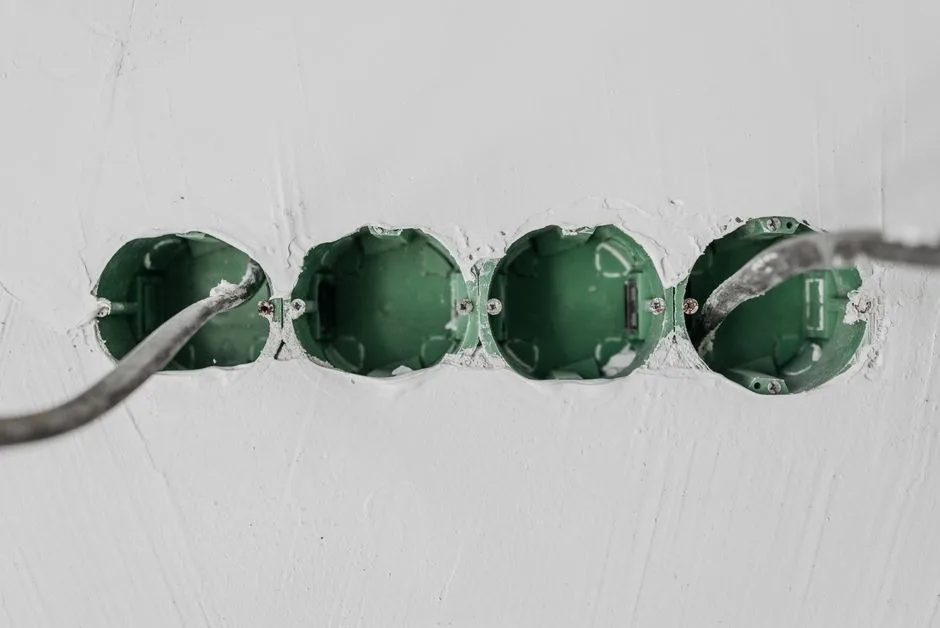
Your home’s wiring does a quiet, relentless job until something starts acting off. A breaker trips for no obvious reason. Lights flicker when you run the microwave. An outlet feels warm, which is never the kind of warmth you want from a wall. If you live in an older house or you’re planning major upgrades, understanding rewiring can save you from expensive surprises and serious safety issues.
What home wiring actually does behind the walls
Your electrical system is the distribution network for nearly everything you use daily. It carries power from the main panel to outlets, light fixtures, switches, appliances, and built-in systems throughout the house.
If that network is outdated, damaged, or overloaded, problems build quietly. Older homes often weren’t designed for modern electrical demand. Decades ago, people weren’t charging laptops, running gaming setups, powering large HVAC systems, and plugging in kitchen appliances that could rival a small power station.
Wiring also includes more than the visible parts. Behind the drywall, you’ve got conductors, insulation, grounding paths, junctions, and circuit protection working together. When one part is old or failing, the whole system becomes less reliable. Electrical issues rarely improve with age. They tend to escalate while pretending everything is mostly fine.
What happens during a rewiring project
A full rewiring job usually starts with an inspection and an assessment of the panel, circuits, outlets, fixtures, and overall load capacity. The electrician identifies what’s outdated, unsafe, or undersized for current use.
From there, the work can involve removing old wiring, adding new circuits, replacing outlets and switches, updating grounding, and sometimes upgrading the service panel. In many cases, sections of drywall need to be opened and later repaired.
If you’re researching home rewiring services, pay attention to whether the scope includes permits, code updates, panel coordination, and cleanup expectations. Rewiring isn’t a one-size-fits-all project. A small single-story home with accessible attic space is very different from a larger finished home with limited access behind walls.
Timelines vary, but disruption is part of the process. Planning for temporary power interruptions and room-by-room access makes the experience much smoother.
Common warning signs that your home may need rewiring
Some red flags are obvious. Others seem minor until you connect the dots. If your breakers trip often, your lights dim when major appliances turn on, or switches buzz, your system may be under strain.
Watch for these signs:
– Warm or discolored outlets and switch plates
– Flickering lights that aren’t caused by a bad bulb
– Two-prong outlets with no grounding
– Burning smells near outlets or the panel
– Mild shocks when plugging something in
– Extension cords doing permanent duty around the house
Homes built several decades ago may contain outdated materials such as knob-and-tube wiring or aluminum wiring, both of which can require special attention. Even if nothing has failed yet, age alone matters. A home inspection might mention deficiencies, but day-to-day behavior inside the house often tells the more honest story.
Why outdated wiring becomes a real safety problem
Electrical wear isn’t just inconvenient. It can become dangerous fast. According to the National Fire Protection Association, electrical failures or malfunctions remain a notable cause of residential fires.
Old wiring insulation can become brittle and crack. Loose connections create heat. Ungrounded systems reduce protection for both people and electronics. Add overloaded circuits to that mix and you’ve got a setup that’s working harder than it should, with less margin for error.
There’s also the insurance angle. Some insurers look closely at older electrical systems, especially in homes with known legacy wiring types. You might face higher premiums, required repairs, or underwriting issues during a sale or refinance.
Rewiring isn’t glamorous. No one posts a dramatic reveal of new conductors in the wall. Still, it’s one of the most practical upgrades you can make for safety, reliability, and long-term value.
How to decide between partial and full rewiring
Not every house needs a complete overhaul. Sometimes a partial rewire makes sense, especially if the problems are isolated to one area, a recent renovation already updated part of the system, or the rest of the wiring is still in good condition.
A full rewire is often smarter when:
– The home has widespread aging or unsafe wiring
– You’re doing a major remodel anyway
– The panel and branch circuits are both outdated
– You need more capacity for new appliances or equipment
– You want to bring the whole house closer to modern standards
Think about your plans for the next ten years, not just the next ten months. If you’re adding a home office, workshop, EV charger, or upgraded kitchen, patchwork fixes can become expensive detours.
A good electrician should explain what’s necessary now, what can wait, and what would be financially inefficient to postpone. That kind of clarity matters more than a lowball estimate with suspicious optimism.
Real-world factors that affect cost and project complexity
Rewiring costs depend on more than square footage. House layout, accessibility, local permit requirements, finish materials, and service capacity all influence price and timeline.
A house with open basement or attic access is generally easier to work on than one with tight wall cavities and multiple finished levels. Plaster walls can increase labor compared with drywall. Historic homes may come with extra caution, extra rules, and, naturally, extra invoices.
You’ll also want to consider related upgrades that often appear during the process:
– Replacing an outdated electrical panel
– Installing GFCI and AFCI protection where required
– Adding grounded outlets
– Updating smoke and carbon monoxide detector wiring
– Expanding circuits for kitchens, bathrooms, and laundry areas
Request a detailed estimate that breaks out labor, materials, permits, repairs, and optional improvements. The cheapest bid can look less attractive once change orders start piling up like unanswered emails.
How to prepare your home and choose the right professional
Before work starts, clear access to outlets, walls, crawlspaces, attics, and the panel. Move fragile items and ask which rooms may be offline each day. If you work from home, plan around internet and power interruptions instead of learning the schedule the hard way.
When hiring, look for a licensed electrician with experience in residential rewiring, not just general electrical repairs. Ask practical questions:
– Will permits and inspections be handled?
– How much wall access will be needed?
– Will the panel need an upgrade?
– How will you label circuits?
– What repairs are included after wiring is installed?
Check whether the contractor explains code issues clearly and avoids vague promises. You want someone who respects the house, documents the plan, and doesn’t treat your living room like a training lab.
A rewiring project can feel invasive, but it leaves you with a safer, more capable home. When your electrical system matches the way you actually live, daily life gets simpler, steadier, and a lot less sparky in the wrong ways.