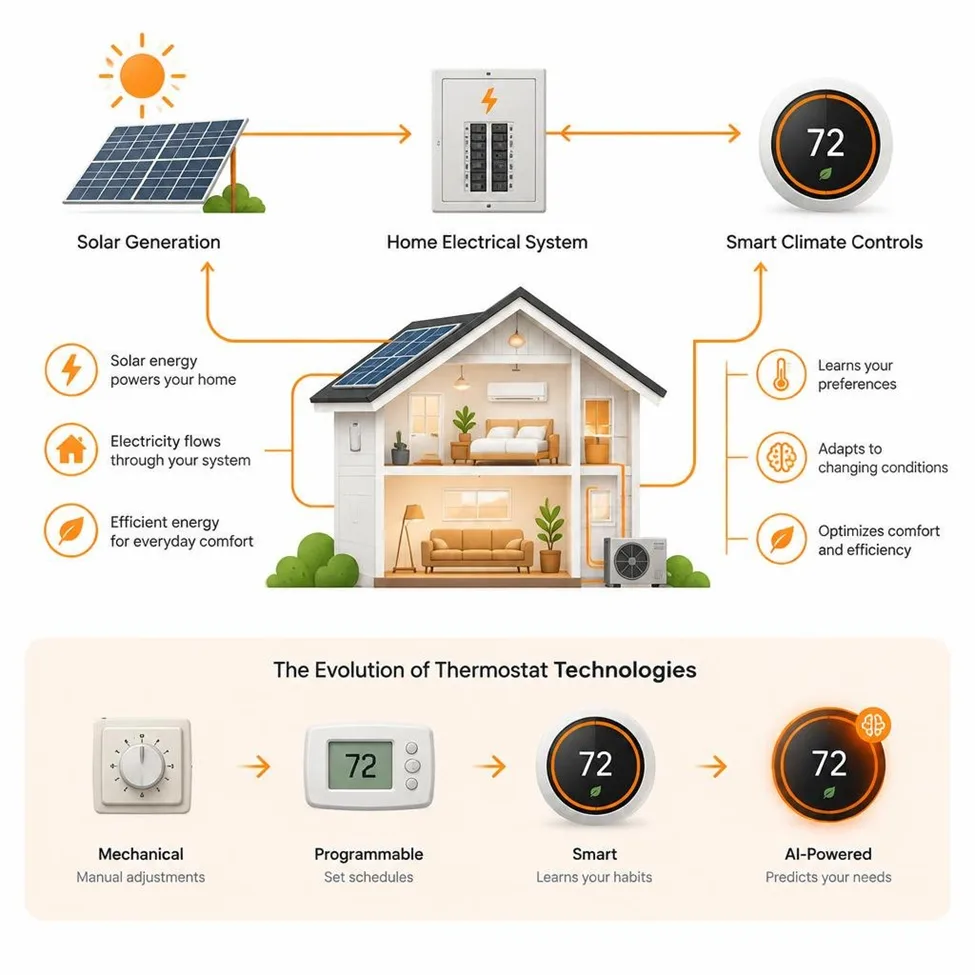
The journey of home climate control has evolved dramatically, moving from simple mechanical switches to sophisticated, AI-powered systems. For decades, homeowners manually adjusted thermostats, a reactive approach to comfort. The first significant leap came with programmable thermostats, allowing users to set schedules for heating and cooling based on daily routines. While a step forward, these systems often lacked flexibility, leading to wasted energy if schedules changed unexpectedly.
Today, we are witnessing the rise of advanced smart thermostats that leverage machine learning and artificial intelligence. These devices don’t just follow a schedule; they learn from our habits, adapt to changing conditions, and make predictive decisions to optimize comfort and efficiency. This shift towards predictive automation is a cornerstone of modern home energy management. For homeowners seeking comprehensive ways to reduce their energy footprint and enhance their living spaces, exploring various energy-efficient solutions can provide valuable insights and practical strategies.
At the heart of this evolution are technologies like Model Predictive Control (MPC) and the Extended Kalman Filter. MPC allows a thermostat to anticipate future conditions—such as an upcoming heatwave or a family’s typical return time—and adjust HVAC operation proactively. It considers various factors like thermal inertia (how quickly a home heats or cools), current indoor/outdoor temperatures, and even forecasted weather. The Extended Kalman Filter is a sophisticated algorithm that helps these systems learn and refine their understanding of a home’s unique thermal characteristics over time, making predictions increasingly accurate and energy-saving.
Programmable vs. Machine Learning Climate Systems
The fundamental difference between basic programmable thermostats and advanced smart thermostats lies in their operational logic. Programmable thermostats typically employ binary switching: the HVAC system is either fully on or fully off, based on pre-set temperature thresholds and schedules. This approach can lead to temperature fluctuations, as the system waits for the temperature to drift significantly before reacting. This “on-off” cycling can also be less efficient and put more wear on HVAC equipment.
In contrast, machine learning climate systems, particularly those utilizing proportional control, aim for a much smoother and more consistent indoor environment. Instead of simply turning the system on or off, these advanced thermostats can modulate heating or cooling output to maintain a precise temperature. They understand the concept of thermal inertia—how long it takes for a room to heat up or cool down—and can calculate the exact amount of energy needed to reach and maintain a setpoint. This reduces temperature overshoot, where a room becomes too hot or too cold before the system corrects itself. By optimizing cycles and minimizing rapid fluctuations, these systems not only enhance comfort but also extend the lifespan of HVAC components and reduce energy consumption. For instance, systems like RoomMind can calculate a specific power level for a valve, leading to smoother temperature curves and up to 30% less overshoot compared to traditional on/off controls.
Solar Gain, Weather Forecasting, and Occupancy Modeling
Modern smart thermostats go beyond simple temperature sensing by incorporating external data points to make more intelligent decisions. Features like solar gain modeling, occupancy detection, and weather forecasting are crucial contributors to smarter home climate management.
Solar gain modeling allows the thermostat to estimate how much heat a home is gaining from direct sunlight. By understanding the sun’s position, the time of day, and even weather data (like cloud cover), the system can predict when solar radiation will naturally warm a space. This prevents unnecessary heating, as the thermostat can reduce its output, knowing that the sun will provide supplemental warmth. For example, RoomMind can estimate solar irradiance and reduce heating when sufficient solar gain is detected, leading to energy savings.
Weather forecasting integration provides a forward-looking perspective. If a significant temperature drop or rise is predicted, the thermostat can pre-emptively adjust its operation. For instance, it might pre-heat a home slightly before a cold front arrives, ensuring comfort without a sudden spike in energy use. This proactive adjustment avoids the need for the HVAC system to work harder to catch up later.
Occupancy detection, often achieved through built-in sensors or integration with smart home systems, allows the thermostat to know when rooms are occupied or empty. When a room is vacant, the system can automatically adjust to a more energy-efficient setback temperature, saving energy without sacrificing comfort when people are present. The ElitePRO S1100, for instance, uses occupancy detection to adjust setpoints, reducing unnecessary energy use. Some advanced systems can even detect and prevent mold risk by monitoring humidity and temperature, automatically raising temperatures or sending alerts if thresholds are exceeded, as seen with RoomMind’s DIN 4108-2 method. These dynamic setbacks based on real-time occupancy and environmental factors significantly reduce energy waste.
Integrating Smart Home Electrical and Climate Control Infrastructure
The true power of modern home management emerges when electrical systems and climate control infrastructure work in concert. This integration is no longer a luxury but a necessity for maximizing efficiency, especially with the rise of renewable energy sources and dynamic utility pricing. By coordinating various components, homes can intelligently manage energy flow, reduce costs, and enhance grid stability.
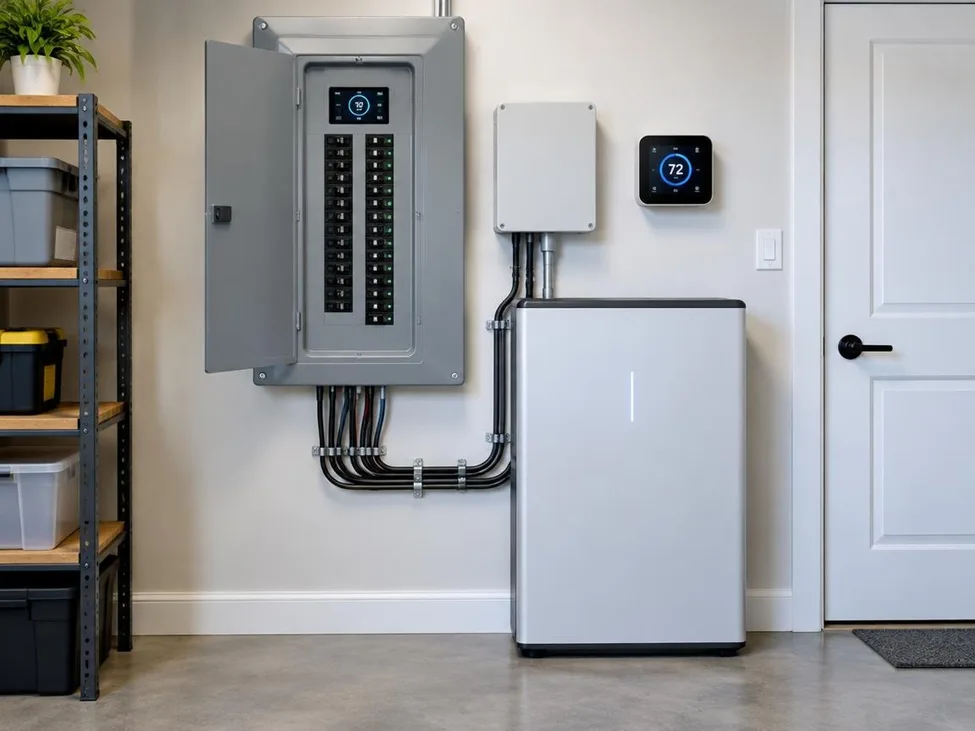
This synergy is particularly vital in optimizing energy consumption. Smart thermostats, when integrated with home energy management systems, can perform load shifting—moving high-energy tasks like heating or cooling to times when electricity is cheaper or when solar production is abundant. This is critical for navigating time-of-use (TOU) rates, where electricity prices fluctuate throughout the day. Furthermore, participation in demand response programs allows utilities to briefly reduce a home’s energy consumption during peak grid stress, often in exchange for financial incentives. The ability of smart systems to communicate with the grid and make these real-time adjustments is a hallmark of a truly modernized home.
Coordinating Heavy Electrical Loads and Storage Assets
The coordination of heavy electrical loads with home energy storage and generation assets is paramount for achieving optimal energy efficiency and cost savings. With the proliferation of solar panels, home batteries, and electric vehicles (EVs), managing these components in isolation leads to suboptimal performance. An integrated system, however, can orchestrate their operation for maximum benefit.
For example, a smart thermostat linked to a solar and battery system can implement solar-aware pre-cooling. In hot climates, this means using excess midday solar power to cool the home before the evening peak, when grid electricity is most expensive. The Enphase IQ Air thermostat, for instance, can save up to $55/year in hot, sunny climates by pre-cooling homes midday using free solar power or cheaper grid electricity. When combined with a home battery under net energy metering (NEM 3.0) structures, which often penalize exporting power during peak midday hours, self-consumption for HVAC becomes even more valuable, potentially saving up to $275/year.
Similarly, the system can coordinate EV charging schedules. Instead of charging an EV during peak demand hours, the system can prioritize charging when solar production is high or when grid electricity is cheapest, avoiding competition for power with HVAC systems. This intelligent load management, often referred to as peak shaving, reduces reliance on the grid during expensive periods, maximizes solar self-consumption, and significantly lowers overall energy bills.
Bridging Home Electrical and Climate Control Wiring Standards
Upgrading to smart climate control often involves understanding the underlying electrical wiring standards. Most modern residential thermostats, including smart models, operate on a standard 24V AC low-voltage system. This system typically uses common wire designations like R (power), W (heat), Y (cool), G (fan), and C (common). The “C-wire” is particularly important for smart thermostats as it provides continuous power, eliminating the need for battery replacements and ensuring reliable Wi-Fi connectivity and advanced feature operation.
For homes with older wiring that lacks a dedicated C-wire, solutions exist. Many smart thermostat manufacturers offer C-wire adapter kits that can be installed at the HVAC furnace or air handler. Alternatively, some advanced thermostats utilize an Equipment Interface Module (EIM), which simplifies wiring at the thermostat by centralizing connections at the HVAC unit. These modules can also expand functionality, allowing the thermostat to control additional indoor air quality (IAQ) devices. When considering any HVAC system upgrade or new installation, understanding proper wiring and compatibility is crucial. For detailed guidance on ensuring your system is correctly set up for optimal performance and safety, consulting resources on professional air-conditioning installation is highly recommended. Ensuring correct installation is not just about functionality but also about electrical safety and system longevity.
Advanced HVAC Integration and Multi-Zone Architecture
Modern HVAC systems are no longer standalone appliances but integral components of a cohesive smart home ecosystem. Their ability to integrate seamlessly with home automation platforms like Home Assistant allows for unparalleled personalized climate control, moving beyond simple scheduling to dynamic, responsive environments. This integration relies on various communication protocols, with emerging standards like Matter promising even greater interoperability.
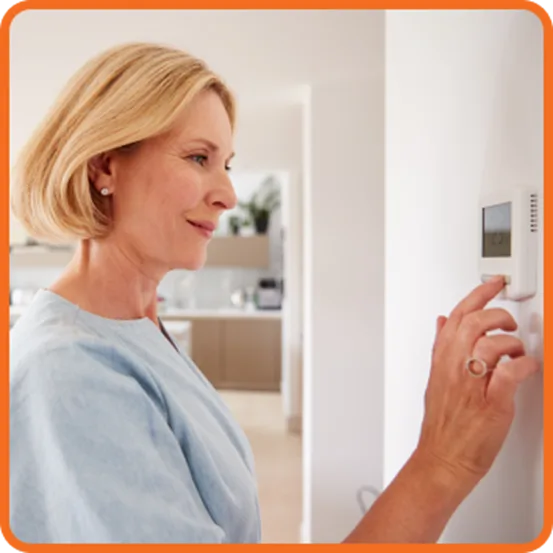
In homes with diverse heating and cooling needs across different areas, multi-zone architecture becomes critical. This can involve wired wall controllers for central systems with zoned dampers or smart controllers for individual mini-split units. For instance, devices like the Boldr Klima Smart Controller can convert any IR-controlled AC or heat pump into a smart device, enabling individual room control and integration with platforms like Home Assistant via Matter. This level of granular control ensures that each zone receives only the heating or cooling it needs, maximizing comfort while minimizing energy waste.
Whole-Home Ventilation and Indoor Air Quality Management
Beyond temperature, modern climate control systems increasingly focus on whole-home ventilation and indoor air quality (IAQ). As homes become more airtight for energy efficiency, proper ventilation is crucial to prevent the buildup of pollutants, allergens, and excessive humidity.
Advanced thermostats and integrated HVAC systems can manage devices like Heat Recovery Ventilators (HRVs) and Energy Recovery Ventilators (ERVs). HRVs exchange stale indoor air with fresh outdoor air while recovering heat, especially beneficial in colder climates. ERVs do the same but also transfer humidity, making them suitable for both humid and dry environments.
Many smart thermostats now include IAQ monitoring capabilities. The ElitePRO S1100, for example, can monitor indoor humidity, VOC (Volatile Organic Compounds), and estimated CO2 levels, and even control up to two IAQ devices. The VisionPRO® IAQ thermostat integrates temperature, humidification, dehumidification, and ventilation control into a single unit. By actively managing humidity, controlling fresh air intake, and filtering pollutants, these systems contribute significantly to a healthier and more comfortable living environment.
Optimizing Heat Pumps and Multi-Stage Equipment
The efficiency of modern HVAC systems often hinges on their ability to operate optimally, especially for advanced equipment like inverter heat pumps and multi-stage furnaces. Smart thermostats play a pivotal role in this optimization.
Inverter heat pumps, which can continuously vary their output, benefit immensely from precise control. A smart thermostat can modulate the heat pump’s operation to match the exact heating or cooling load, avoiding the energy-intensive on/off cycles of older systems. For multi-stage heating and cooling equipment, the thermostat intelligently stages operation. Instead of immediately engaging the highest, most energy-intensive stage, it starts with the lowest stage and only escalates if the demand requires it, ensuring efficient operation.
For dual-fuel systems (e.g., a heat pump paired with a gas furnace), the smart thermostat can determine the most cost-effective heating source based on outdoor temperature, electricity prices, and natural gas prices. It can set a “balance point” where it switches from the heat pump to auxiliary heating (like the furnace) when the heat pump’s efficiency drops below a certain threshold. The VisionPRO® IAQ, for instance, uses a balance point plus a 2°F droop for enhanced comfort and efficiency in heat pump systems. This intelligent management of different heating and cooling stages ensures optimal performance, lower energy bills, and extended equipment lifespan.
Balancing Efficiency, Comfort, and Environmental Sustainability
Achieving the ideal balance between comfort, energy savings, and environmental impact is a core challenge and opportunity in managing a home’s electrical and climate systems. These three pillars are often intertwined, and modern technology allows us to optimize all three simultaneously.

When making decisions about upgrades, homeowners should consider a lifecycle cost analysis. This approach evaluates not just the upfront purchase price but also the ongoing energy consumption, maintenance, and potential repair costs over the entire lifespan of a system. Investing in more energy-efficient solutions, such as ENERGY STAR rated appliances and LED lighting (which can use up to 80% less energy than incandescent bulbs), often results in significant long-term savings despite a higher initial cost.
From an environmental perspective, reducing energy consumption directly translates to a lower carbon footprint. Integrating renewable energy sources like solar power and optimizing their use with smart climate controls further amplifies this positive impact. Strategies like passive heating (designing homes to maximize solar gain in winter) and thermal zoning (heating/cooling only occupied areas) also contribute to sustainability. The choice of materials, such as the recycled aluminum, plastic, and glass used in the Boldr Klima controller, also reflects a commitment to environmental responsibility.
Here’s a comparison of different climate control systems:
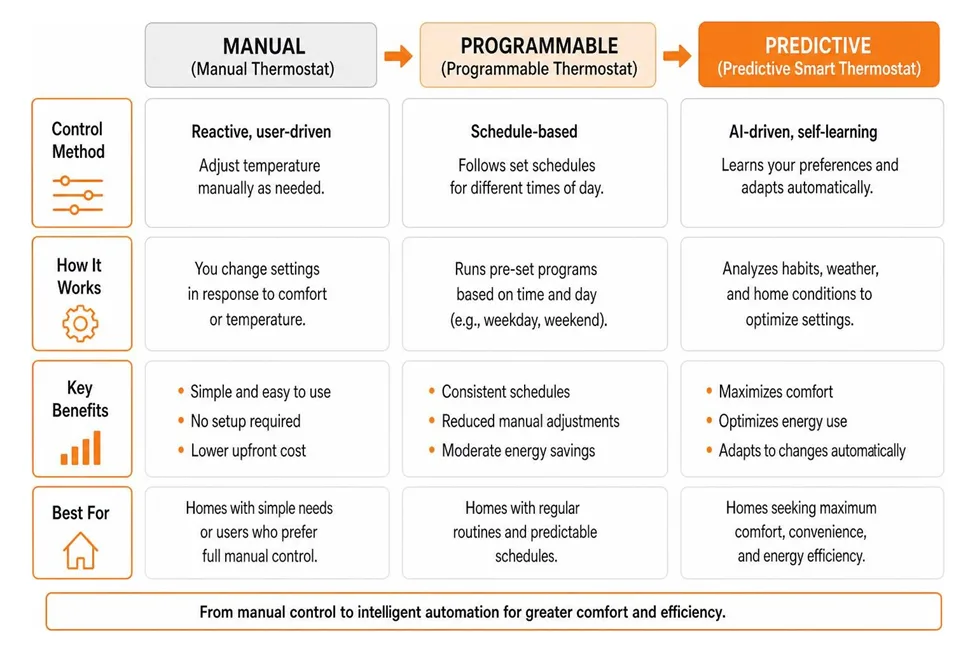
Feature Manual Thermostat Programmable Thermostat Predictive Smart Thermostat Control Method Reactive, user-driven Schedule-based AI-driven, self-learning Energy Savings Minimal Moderate High (up to 30% or more) Comfort Level Variable, requires input Good, but rigid Excellent, highly adaptive Adaptability Low Low High (learns, adapts to weather/occupancy) Integration None Limited Full smart home ecosystem Environmental Impact Higher energy use Reduced energy use Significantly reduced energy use Key Technologies Basic sensor Timers, basic sensors AI, machine learning, sensors, cloud data Future Trends in Home Electrical and Climate Control Automation
The landscape of home electrical and climate control is poised for even more transformative changes. We are moving towards a future where homes are not just smart but truly intelligent, actively participating in the broader energy ecosystem.
One significant trend is the emergence of smart electrical panels. These next-generation panels will offer granular control and monitoring of every circuit in the home, enabling real-time energy management, automated load shedding during peak demand, and seamless integration with solar, battery storage, and EV chargers. They will act as the central nervous system for a home’s energy flow.
Dynamic pricing models from utilities will become more prevalent, incentivizing homeowners to shift energy consumption to off-peak hours. Smart systems will automatically respond to these price signals, pre-cooling when electricity is cheap or delaying appliance use during expensive periods.
Furthermore, homes will become increasingly microgrid-ready. This means they will be designed to operate independently from the main grid during outages, powered by their solar and battery systems, and potentially even share power with neighboring homes in a localized network. Automated load shedding, where non-essential loads are temporarily powered down during grid stress or power outages, will become a standard feature, ensuring critical systems remain operational. These advancements promise not only greater resilience and energy independence but also a more sustainable and efficient energy future for all.
Frequently Asked Questions
How do smart thermostats coordinate with residential solar and battery storage?
Smart thermostats integrate with residential solar and battery storage systems by optimizing HVAC operation based on real-time energy availability and cost. They can initiate solar pre-cooling, using excess solar power generated during the day to cool the home before peak electricity rates begin in the evening. With battery storage, they can shift HVAC loads to draw power from the battery when grid electricity is expensive or unavailable, or charge the battery during off-peak hours for later use. This coordination helps homeowners maximize solar self-consumption, avoid peak utility charges, and potentially earn credits through demand response programs, significantly reducing overall energy costs, especially under new rate structures like NEM 3.0.
What electrical wiring is required to upgrade to a smart thermostat controller?
Most smart thermostat controllers require standard 24V AC low-voltage wiring, which typically includes R (power), W (heat), Y (cool), G (fan), and importantly, a C-wire (common). The C-wire provides continuous power to the thermostat, enabling features like Wi-Fi connectivity and advanced sensors without relying on batteries. If your existing wiring lacks a C-wire, several solutions are available: you can install a C-wire adapter kit (often provided by thermostat manufacturers), run a new C-wire from your HVAC system, or use an Equipment Interface Module (EIM) which centralizes wiring at the HVAC unit and communicates wirelessly with the thermostat. Some smart thermostats can operate without a C-wire using advanced power-stealing techniques, but a dedicated C-wire generally offers more reliable performance.
How does predictive climate control reduce residential electricity costs?
Predictive climate control significantly reduces residential electricity costs by anticipating future conditions and proactively optimizing HVAC operation. Through thermal modeling, these systems learn a home’s unique heating and cooling characteristics, allowing them to precisely calculate the energy needed. They leverage solar gain anticipation, reducing heating when sunlight is expected to warm the home naturally. Occupancy setbacks automatically adjust temperatures in unoccupied rooms or during periods when the home is empty, preventing wasted energy. Furthermore, by integrating with weather forecasts and utility time-of-use rates, predictive systems can pre-heat or pre-cool during off-peak hours, shifting energy consumption to cheaper periods. Participation in demand response programs also allows these systems to earn credits by briefly reducing consumption during grid stress, all contributing to substantial savings on electricity bills.
Conclusion
Modernizing home electrical and climate control systems is a pivotal step towards creating more efficient, comfortable, and sustainable living spaces. From the evolution of thermostats into intelligent, self-learning devices to the seamless integration of HVAC with solar panels, batteries, and smart home platforms, the possibilities for optimization are vast. By embracing holistic electrification and advanced controls, homeowners can unlock significant energy savings, enhance their daily comfort, and contribute positively to environmental sustainability. Investing in these upgrades ensures long-term durability for your home’s critical systems and positions your household at the forefront of smart, responsible energy management.