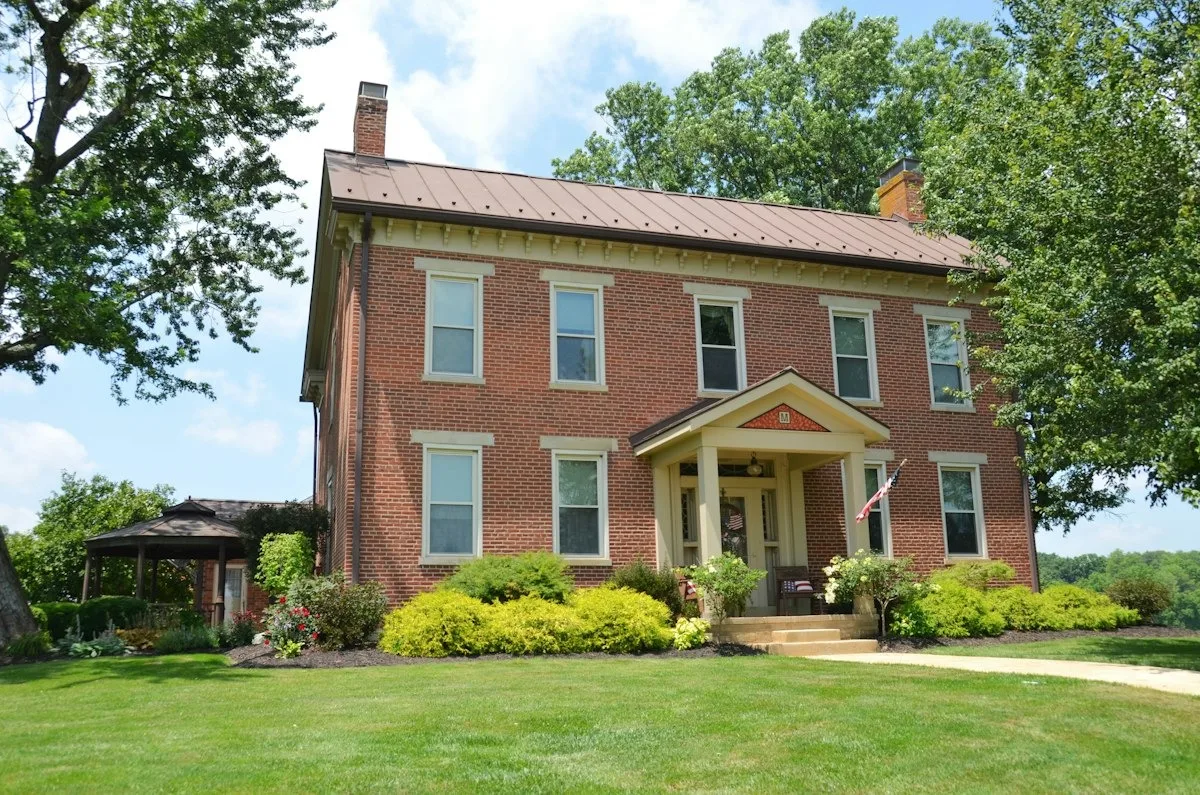
Step inside a Hamilton house that has stood for more than a hundred years and the first thing most people notice is the smell. Old wood, a bit of dust, maybe the dry warmth of a radiator if it’s January. Some buyers fall for it right there in the front hall. Others start adding up what a new furnace costs. Plenty of people do both at once, which seems fair.
These houses rarely sit on the market for long. They aren’t simple to own, and nobody who has lived in one will pretend otherwise, but there’s a feeling inside them that newer construction has a hard time copying.
What Draws Buyers to a Century Home
Ask a dozen people why they wanted an old house and the answers get personal fast. Still, certain things come up over and over.
Woodwork Nobody Makes Anymore
Original trim is usually the first thing people point at. Wide baseboards, thick door casings, a staircase with turned spindles and a newel post worn smooth by a century of hands. Pocket doors that still glide when someone has kept the track clean. A lot of this was painted over at some point, often more than once, and whether to strip it back to bare wood is a debate that has ended more than one Saturday afternoon in silence.
Height, Light and Old Glass
Ceilings in these homes often run nine or ten feet on the main floor. Tall, narrow windows pull daylight deep into the rooms, and some still hold original glass with that faint ripple when you look through it at an angle. Rooms end up feeling bigger than their square footage says they should.
Brick, Porches and Room Outside
Solid brick walls. Deep front porches built for sitting rather than decoration. Lots that tend to run longer than anything a developer would lay out today, often shaded by mature trees that took decades to grow and can’t be bought at any price. Many of these streets went up before cars mattered much, so shops and parks often sit within walking distance, and for a lot of buyers how much nearby amenities matter ranks right alongside the house itself.
What Gets Updated First
Renovation shows would have everyone believe the kitchen comes first. It usually doesn’t. The money in the first year or two tends to go into parts of the house nobody will ever compliment at a dinner party.
The Electrical
Knob-and-tube wiring still turns up in older Hamilton homes, sometimes partly replaced and sometimes still live behind the plaster. Many insurers won’t cover a house with active knob-and-tube, or they’ll attach conditions, so buyers often learn about it before closing whether they want to or not. Old fuse panels and 60-amp service are just as common. Moving up to 100 or 200 amps makes room for modern appliances, and it’s wise to finish that job before anyone paints, since the electrician will need to open walls.
Plumbing and Drains
Galvanized steel supply pipes narrow from the inside as they rust, which is why water pressure in an old bathroom can feel like a polite suggestion. Homes of this age may also have a lead water service line running in from the street, and it’s worth asking the city what replacement help is currently on offer. Drains deserve a look as well. A camera scope of the main sewer line costs a few hundred dollars and can reveal clay pipe cracked by tree roots, a problem that’s far cheaper to discover before signing than after.
Heat, Insulation and Windows
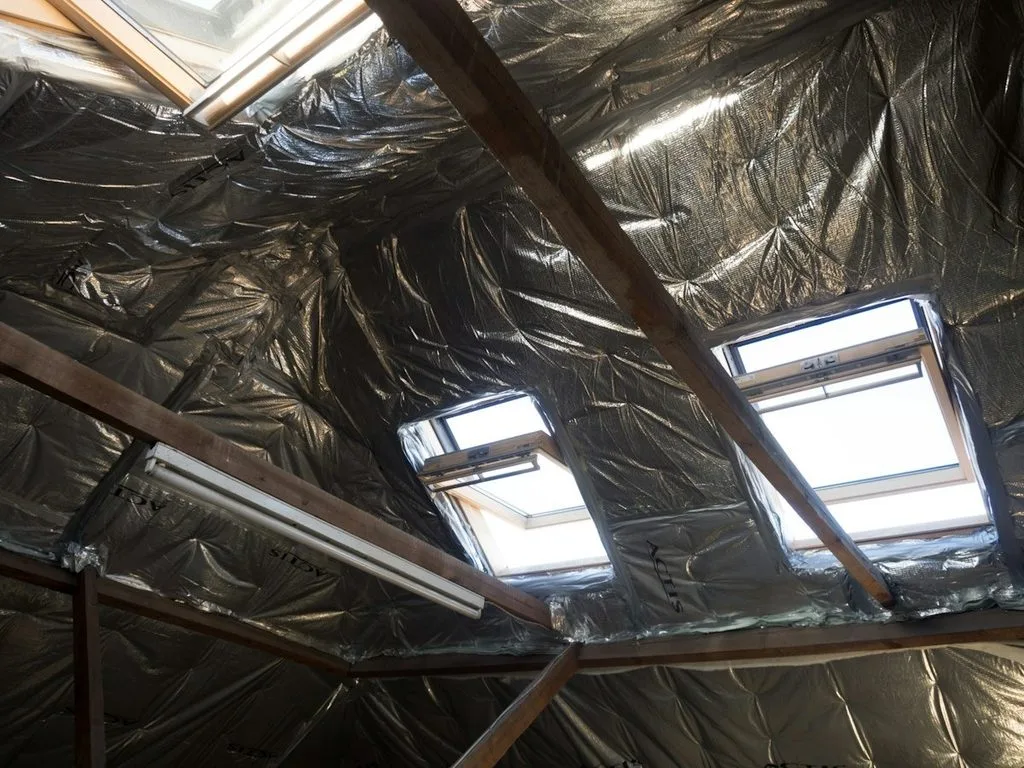
Walls in many century homes have little or no insulation. Blowing it into the attic is usually the easier first step, and the difference shows up on the next gas bill.
Windows split people. Original wood sashes can often be restored and paired with good storm windows, and with care they’ll outlast plenty of vinyl replacements. Sometimes the frames are simply too far gone, though, and knowing when to repair or replace windows saves a lot of second-guessing. Hot water radiators are worth keeping if they still work well. The heat is gentle and even, and owners who inherit them often end up oddly attached.
The Basement
Rubble stone foundations, low ceilings and moisture that comes and goes with the seasons are all part of the package. The fix often starts outside the house by regrading soil away from the walls, extending downspouts and patching tired parging. Interior waterproofing and a sump pump come next if water keeps finding its way in.
Then the Kitchen and Baths
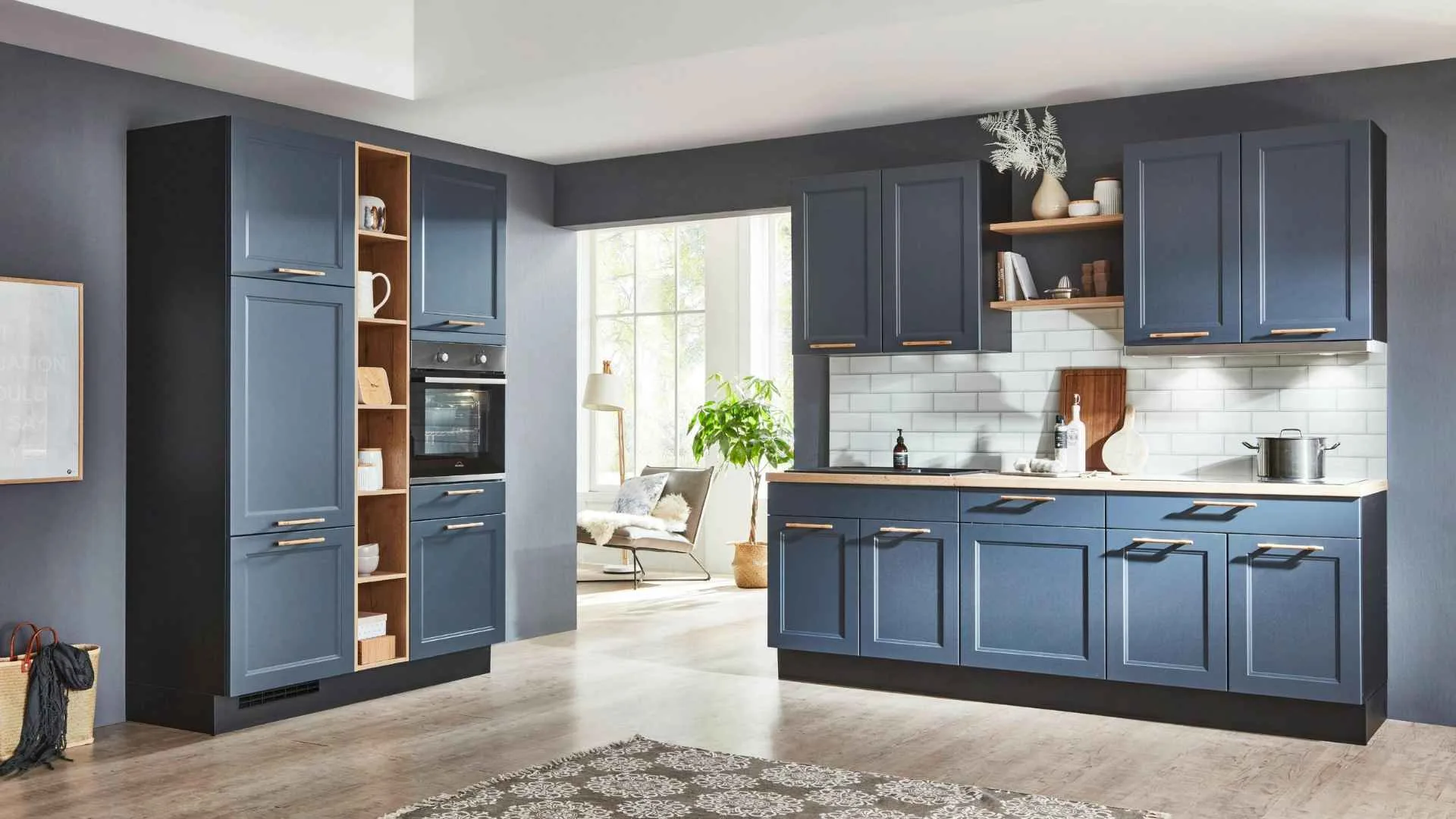
Once the bones are sorted, the enjoyable part starts. Kitchens get opened up a little, though people who love old houses tend to hesitate before knocking down a wall that has held up fine since before their grandparents were born. Bathrooms get new fixtures and proper ventilation. Floors come up for refinishing or replacement, and anyone sorting through new flooring options may find that original hardwood, sanded and sealed, beats most of what sits in a showroom. Kitchens with tall, dim corners also benefit from small LED fixtures tucked under cabinets and inside glass-front uppers.
Mistakes That Show Up Again and Again
Gutting too much is the big regret. Original doors, hardware and trim go to the curb, and two years later the owner is hunting through salvage yards trying to buy back what was thrown away.
Masonry trips people up too. Historic brick is softer than modern brick, and repointing it with hard Portland cement mortar can trap moisture until the faces of the bricks crack and flake off. Lime-based mortar is the safer match. Paint brings its own concerns, since older surfaces may carry lead, so testing before sanding matters. Anyone weighing exterior colors can pick up useful ideas from guides on repainting period homes. Inside, choosing interior design materials that sit comfortably beside plaster and old wood keeps a renovation from looking pasted on.
Buying One Without Losing Sleep
Budget for surprises. A contingency of 15 to 20 percent above the planned renovation budget sounds overly cautious right up until the first wall comes open.
Hire an inspector who has crawled through plenty of century homes, since a generalist can miss the quirks. Work with people who know the local stock, too. A brokerage like Michael St. Jean Realty, familiar with Hamilton’s older neighborhoods, can help separate listings where the expensive work was done properly from ones that only look good in photos.
After move-in, a handful of simple home upgrades can make an old house feel cared for without touching the structure at all.
Worth the Trouble?
Century homes ask more of their owners than a newer house would. More patience, more money spent in places no guest will ever see, and a tolerance for doors that stick every August. Most people who buy one seem to think that’s a fair trade. Spend a winter afternoon in one with low sun coming through those tall windows, and the reason gets pretty obvious.