Buying a home involves far more than the walls, the floor plan, and the view from the window. The community around the property shapes how the place feels every morning and every evening, and that influence lasts long after the paperwork is signed. Buyers who focus only on the house itself often discover later that the surrounding development mattered just as much as the home they chose.
Some developments hold only a handful of residences, while others hold several hundred. Shared facilities range from a single open lawn to full recreational grounds with pools, courts, and walking paths. In places such as Maui, where residential communities vary widely in scale and setting, these differences become especially clear. Understanding what size and shared facilities actually mean for daily living helps you judge a property with far greater confidence.
What Community Size Really Tells You
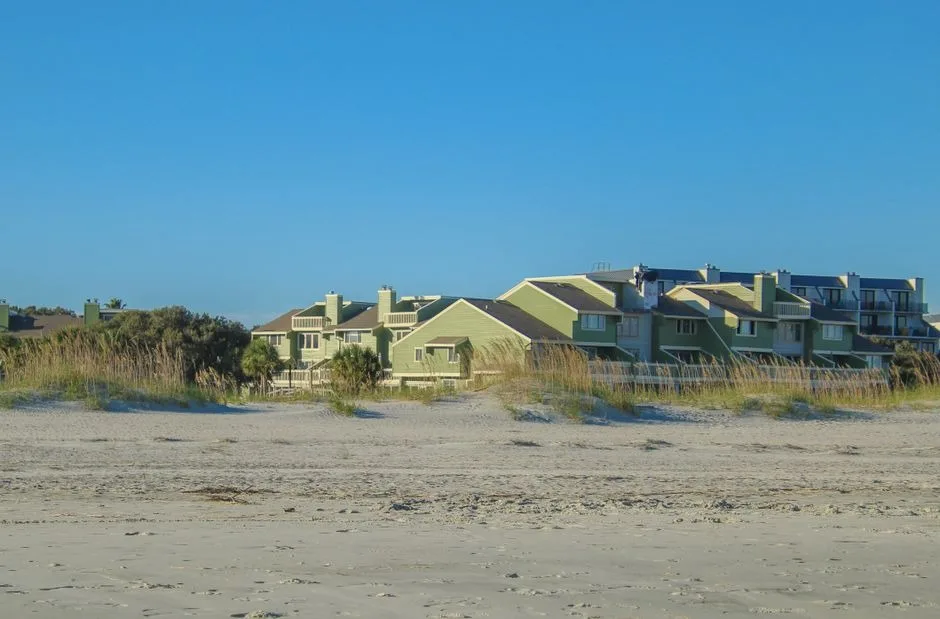
The number of homes in a development quietly sets the tone for almost everything that follows, from how busy the parking areas feel on a weekend to how often you run into the same faces. A name like Bay Villas tells a buyer very little on its own, because two properties with similar names can differ enormously in how many residences they actually contain. Clear listing information from a local real estate source solves that problem, since it puts the real count in front of you before you ever schedule a viewing. For a sense of how this looks in practice, Maui Real Estate reports 141 Bay Villas units spread across an oceanfront property with shared grounds. A figure like that immediately tells you what kind of neighborhood you would be joining, and it gives you a firm starting point for comparing one community against another.
Shared Facilities and What They Add to Daily Life
Shared facilities look impressive on a listing, but their real value depends entirely on whether you use them. A pool matters a great deal to a family with children and almost nothing to someone who swims at the beach instead. Courts, fitness rooms, and clubhouses follow the same logic. Walk the grounds at different times of day if you can, and watch how the spaces are actually used rather than how they are presented.
Pay attention to condition as well. Well-kept grounds signal a community that funds its upkeep properly and plans ahead. Tired paint, cracked surfaces, and equipment that nobody has repaired suggest either a shortage of funds or a lack of agreement among owners. Both tend to surface later as unexpected costs for whoever buys in.
How Monthly Fees Fit Into Your Budget
Every shared facility carries an ongoing cost, and that cost reaches you through monthly contributions. Buyers often concentrate so hard on the purchase price that they treat these payments as a footnote, which is a mistake. Over the years you own the home, those contributions add up to a meaningful share of what the property truly costs you.
Ask what the contribution covers before you compare it against another community. Some include water, insurance for the building, landscaping, and reserve funding for future repairs. Others cover far less and leave owners to handle the difference themselves. A higher contribution that covers more can easily be the better value. Ask also whether the community keeps a healthy reserve, because a thin one usually means owners face one-off charges when something major needs replacing.
Privacy, Noise, and the Rhythm of a Neighborhood
Where your home sits within a development often matters as much as the development itself. A residence beside a pool or a main entrance will hear more activity than one tucked at the quiet end. Buildings arranged close together share more sound than buildings set apart across open ground. None of this appears in a listing, and all of it affects how restful the place feels once you are living in it.
Visit more than once, and ideally at different hours. A property that feels peaceful on a weekday morning can feel very different on a weekend afternoon. Speak to a resident or two if the opportunity comes up naturally. People who already live there will tell you things no description ever will.
Matching a Property to the Way You Live
The strongest buying decisions come from honest thinking about daily habits rather than from imagining an ideal version of yourself. If you travel often, a community that handles maintenance and security without your involvement is worth a great deal. If you work from home, quiet hours and reliable parking matter more than recreational grounds. If you have children or expect frequent visitors, open space and easy access carry real weight.
Write down the handful of things you genuinely use each week, then measure each community against that short list. Facilities that sit outside it should not drive your decision, no matter how appealing they look on a tour.
Questions Worth Asking Before You Commit
Ask how many homes the community holds and how many are owner-occupied. Ask what the monthly contribution covers and when it last increased. Ask whether any major repair work is planned and how it will be funded. Ask what the rules say about renovations, pets, guests, and renting the property out, because those rules will shape what you can and cannot do with a home you own.
Good answers come quickly from a well-run community. Vague or defensive answers are themselves a form of information, and they are worth noting before you go any further.
Making a Choice You Will Be Happy With
A home is a long commitment, and the community around it becomes part of your routine whether you planned for that or not. Size determines how busy and how personal the place feels. Shared facilities determine what you can do without leaving home, and what you pay each month for the privilege. Taken together, these two factors influence satisfaction far more than most buyers expect at the start of a search.
Give them the same attention you give the house itself. Look carefully, ask directly, and choose the community that fits the life you actually lead rather than the one that simply photographs well.