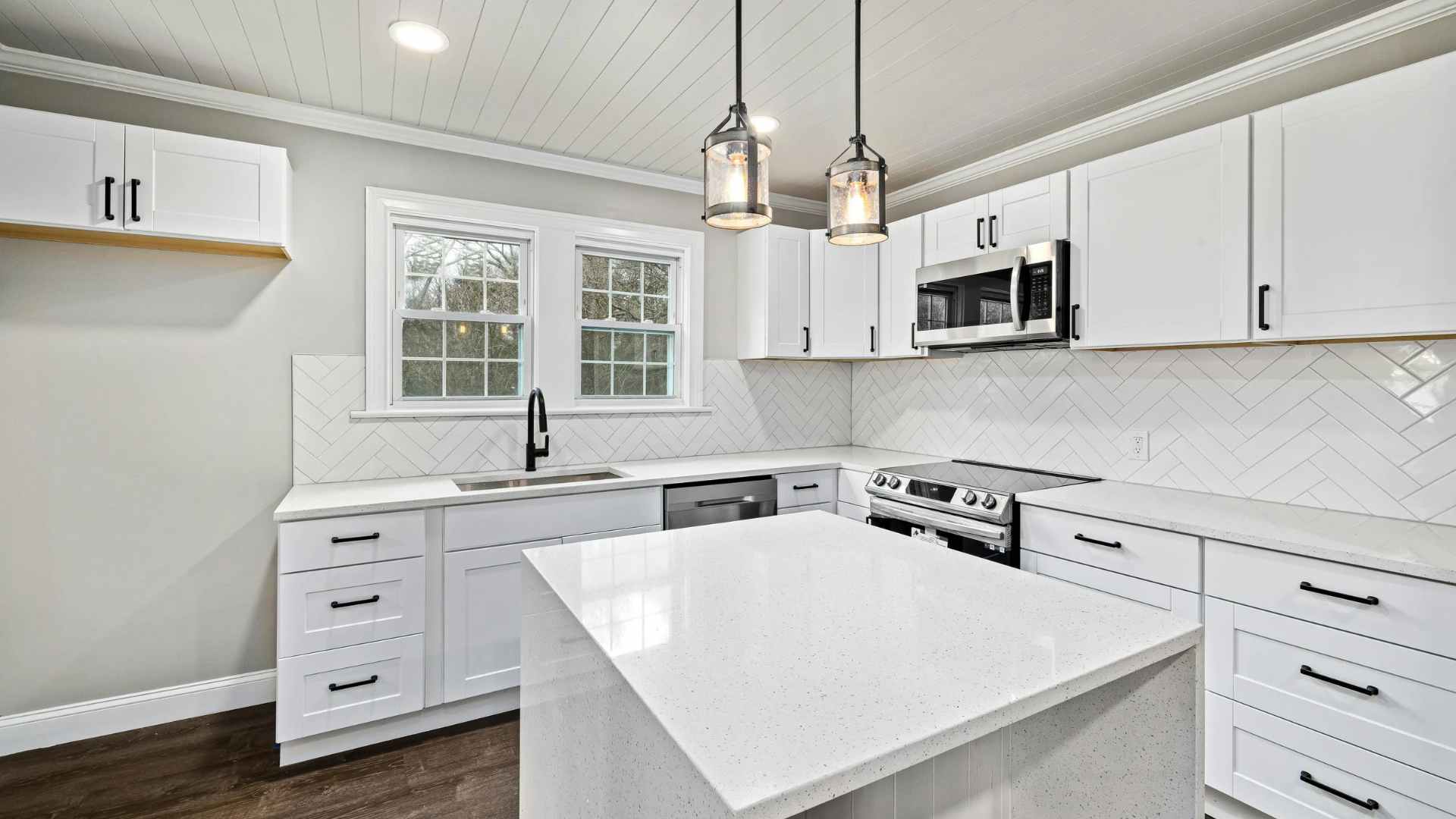
Your kitchen has been “almost done” for eleven months.
That’s not a knock on your taste. It’s what happens when the designer you hired draws a wall that the framer says can’t move, and neither of them is on the phone with the electrician. Every handoff in a traditional remodel is a place where time leaks out and blame gets traded. A Northern Virginia remodeling company that runs a design-build model solves this by keeping architecture, interiors, and construction under one roof, which means the person drawing your kitchen is talking to the person swinging the hammer. That single change reshapes your budget, your calendar, and your sanity.
I’ve walked through enough mid-project houses to know the difference shows up in small, unglamorous ways: one phone number instead of five, one schedule instead of a spreadsheet you’re managing at 9 p.m. on a Tuesday.
Design-build, explained without the sales pitch
In the traditional route, you hire an architect, then bid the drawings to three general contractors, then hire a designer to pick tile, then hope all four of them agree on what “finished” means. The design-bid-build path isn’t wrong. It’s just a relay race, and batons get dropped.
Design-build collapses that relay into one team with one contract. The builder has a seat at the table while the design is still wet, so cost questions get answered in the same meeting as the layout questions. You’re not told your dream kitchen is $40,000 over budget after the drawings are done. You’re told during the sketch.
Here’s my take, and it’s a firm one: unless you’re building something genuinely unusual, a cantilevered glass box over a ravine, the relay race costs you more in time and rework than it ever saves in bid competition. Pick one team. Hold them to one scope.
What one team actually changes for you
Fewer phone calls is the obvious win. The real one is fewer surprises, and surprises are where remodeling budgets die.
The budget conversation moves earlier
When your designer and builder work for the same company, pricing feedback loops back into the drawing within days, not weeks. That means the trade-offs you make are informed ones. Want the island bigger? You’ll hear it costs you the pantry. That’s a real decision, not a guess.
The schedule stops being a group project
Trade sequencing is the quiet killer of timelines. Cabinets arrive before the drywall is sanded, the floor gets installed before the plumber finishes rough-in, and suddenly you’re paying rent on a storage unit for a month. One accountable team owns that sequencing, so the order of operations is somebody’s job rather than everybody’s assumption.
You get one throat to grab
When something goes sideways, and at some point it will, you call one person. You don’t referee a dispute between a tile setter and the guy who framed the shower.
According to the Bureau of Labor Statistics, construction and extraction occupations make up a large share of the American workforce, and specialty trades are spread across many small firms. That fragmentation is exactly why coordination, not craftsmanship, is usually the weak link in a remodel. The tradespeople are often excellent. The handoffs between them are not.
The Nested Decisions method for choosing your remodeler
Most people interview contractors by asking about price per square foot. That question tells you almost nothing, because two bids can look identical and cover completely different work. I use a different approach when I evaluate a remodeler, and you can borrow it. Call it Nested Decisions: every big decision, scope, sequence, and surprise, gets made inside the one before it. Test the firm on all three layers.
- Scope layer. Ask them to walk you through what is explicitly not included in a typical kitchen remodel. A firm that hesitates on exclusions is a firm that invoices change orders.
- Sequence layer. Ask who owns the schedule and what happens when a supplier slips a delivery. The answer you want names a role, not a promise.
- Surprise layer. Ask about the last time they opened a wall and found something nobody expected. Then listen for how they handled the conversation about money. That story tells you more than any portfolio page.
You can run this in one sitting, and it costs you nothing but an hour.
Five questions that separate the pros from the pretenders
- Who is my single point of contact from first sketch to final walkthrough?
- Are the design fees credited if I build with you?
- How do you handle change orders, and what does the paperwork look like?
- Can I talk to two clients whose projects finished in the last year?
- What does your warranty cover, and for how long?
That last one gets skipped constantly. Don’t skip it. A remodel is a long relationship, and the warranty is what proves they expect to still be around when you call.
Materials, permits, and the stuff that outlives you
Good remodelers push you toward choices that age well rather than choices that photograph well. Durable flooring, ventilation that actually moves moisture out of bathrooms, insulation that meets current standards. These aren’t exciting line items, which is precisely why they matter.
There’s a reason the industry treats established building practice as the baseline rather than a premium upgrade. Organizations like the National Association of Home Builders have long argued that consistent construction standards serve both the homeowner and the trades, and that consistency is what keeps a house livable for decades instead of years.
Indoor environmental quality is part of the same conversation. The Environmental Protection Agency has documented for decades that indoor air can carry more pollutants than outdoor air, which is why ventilation and material choice during a remodel deserve real thought rather than a shrug. If your remodeler never brings up air movement in a bathroom or a range hood that vents outside, ask why. It’s a fair question and the answer is revealing.
What your life looks like during the build
Nobody warns you about the microwave on the dining table.
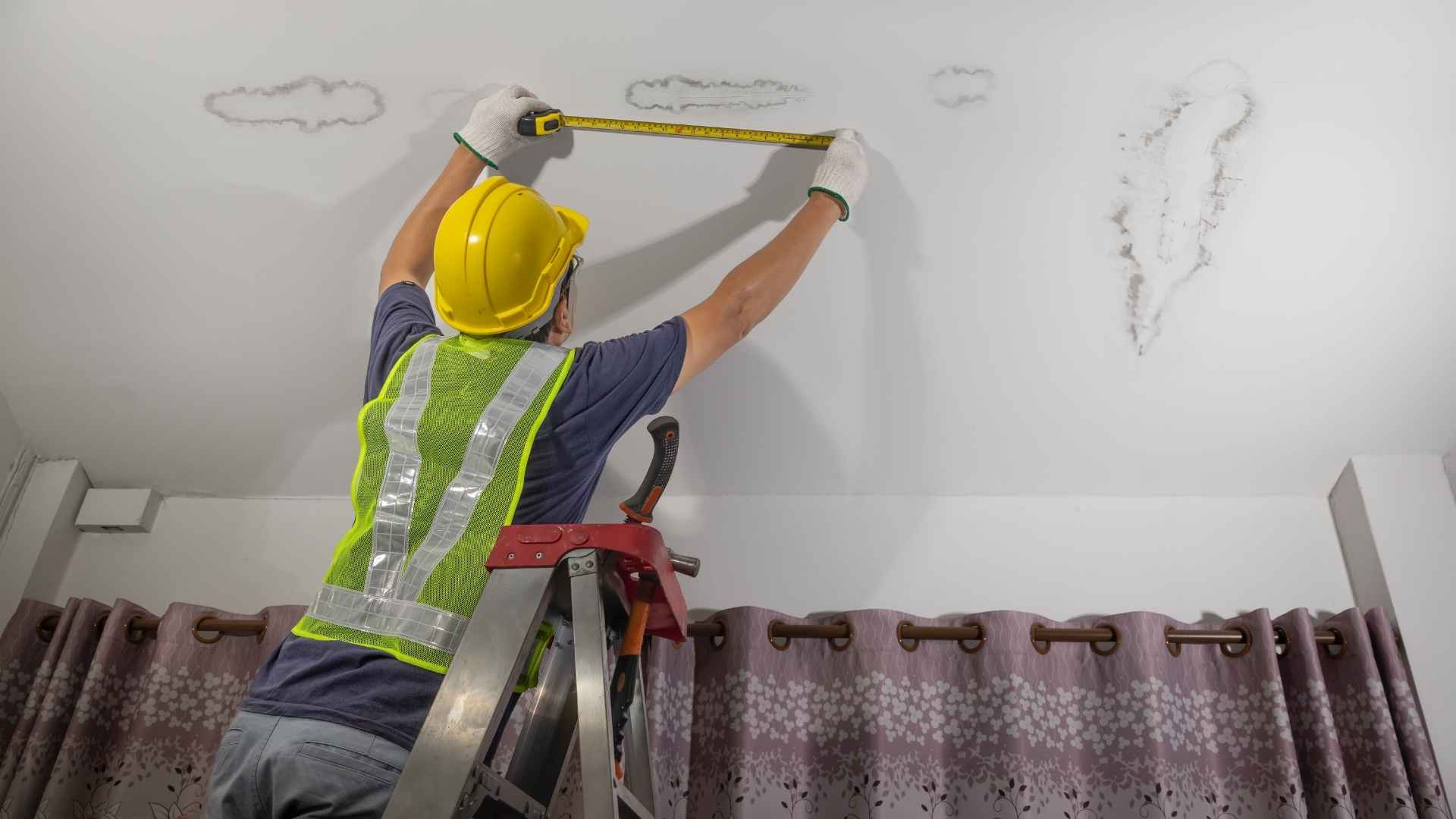
A whole house remodel or a big addition means weeks of temporary living. The firms that handle this well plan it with you in advance. They tell you which bathroom stays functional and for how long, where the construction dust barrier goes, and when the water gets shut off. A firm that treats disruption as a design problem, not an afterthought, has probably done this a hundred times, and you’ll feel it by week two.
Aging-in-place work follows the same logic. Widening a doorway or reinforcing a wall for a future grab bar costs little while the walls are open and a fortune afterward. If you plan to stay in your home for the long haul, raise it before the drywall goes back up.
Pick one team, then hold the line
The remodeling industry rewards coordination far more than it rewards the lowest bid. One team means one scope, one schedule, and one number to call when reality shows up. It means your budget conversation happens in the sketch phase instead of the framing phase, and it means the drawings match the house.
So here’s your next move. Write down those three Nested Decisions questions, call two design-build firms, and compare the answers instead of the brochures. Then ask yourself which one you’d trust to still pick up the phone two years from now, when the only thing left is a cabinet door that needs adjusting.