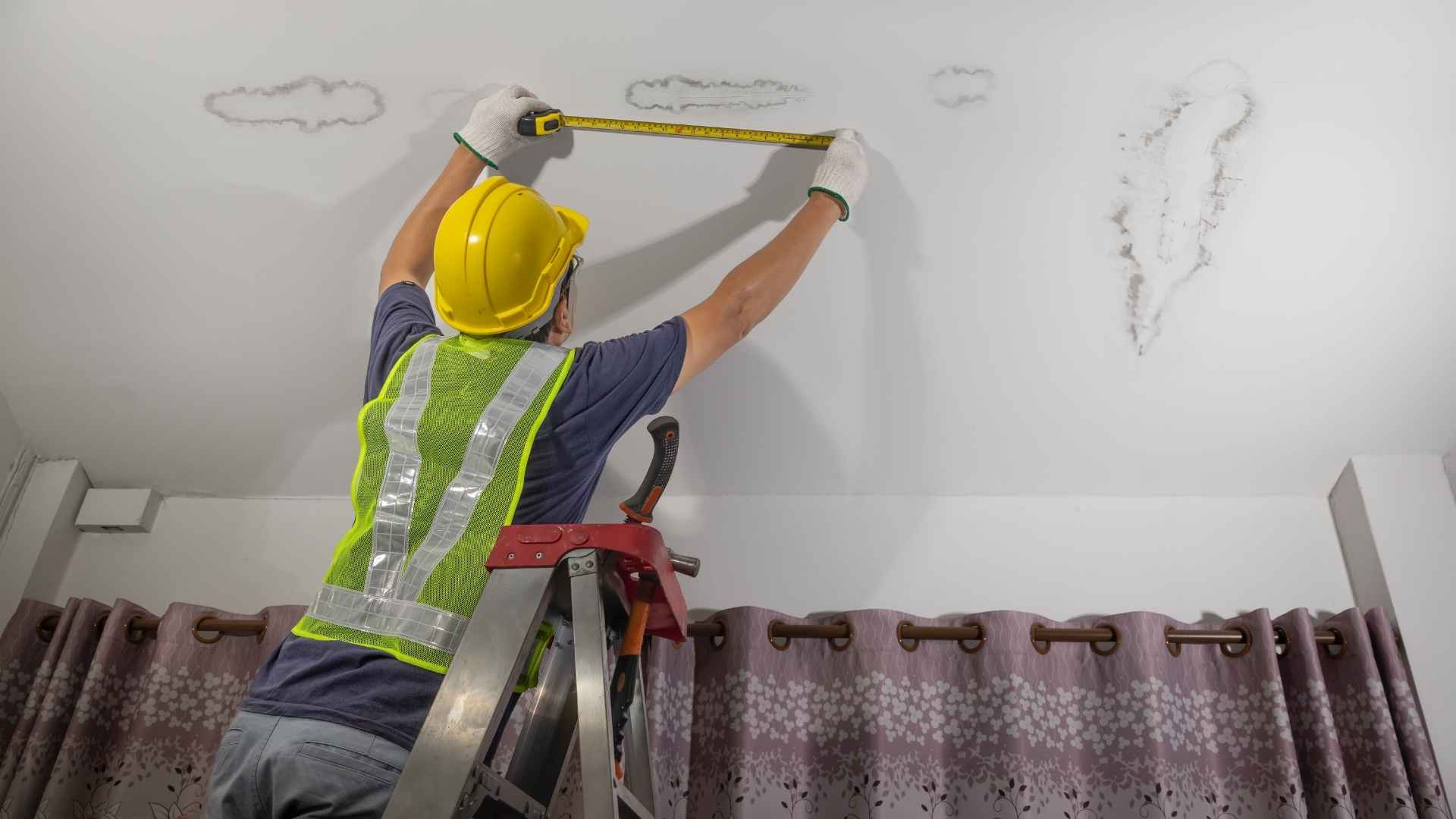
Eleven thousand dollars. That’s the number most Atlanta homeowners land on when they first price a full tear-off, and it’s usually the moment the estimate gets crumpled into a drawer. I’ve watched neighbors put off roof decisions for three extra summers, then pay for a ceiling repair, a mold inspection, and a hotel stay after a tropical storm anyway.
The honest answer is that a roof doesn’t fail on a calendar. It fails on layers, and once you know how those layers stack up, the decision gets a lot less stressful. You’ll learn what actually shortens a roof’s life in Georgia, which repairs are worth paying for, and how to read an estimate without getting talked into the wrong scope of work.
If your shingles are curling at the edges and granules are piling up in the gutters, you’re probably closer to replacement than repair. A proper inspection from a company that handles Atlanta roof replacement will tell you which one you’re facing, and it takes about an hour to find out.
Your Roof Is Aging in Three Layers at Once
Most people think of the roof as one surface. It’s really three systems wearing out at different speeds, and whichever one goes first sets your timeline.
The shingle layer is the one you can see. Asphalt shingles lose their protective granules over time, and Georgia’s summer sun speeds that up because your roof deck can run far hotter than the air temperature on a July afternoon.
Underneath sits the decking, usually plywood or oriented strand board. It stays dry until water gets past the shingles, and once it’s wet for a season or two, it softens, swells, and stops holding nails. This is the quiet cost that surprises people, because replacing decking adds to the labor and materials on every job.
Then there’s the flashing and ventilation layer, the metal and air paths that keep water out at
chimneys, valleys, and vents. Flashing fails at seams. Ventilation fails when someone decades ago added insulation or closed off a soffit vent without thinking about airflow.
Strong wind is a bigger factor here than most transplants realize. According to the National Oceanic and Atmospheric Administration, thunderstorms regularly produce damaging wind gusts, and a single afternoon of straight-line wind can lift tabs, break the seal, and start the clock on leaks that show up months later.
Three Questions to Answer Before You Call Anyone
Before estimates start, walk your own property and answer these. It takes twenty minutes and it changes how you talk to contractors.
- How old is it, really? Find the install date from your closing paperwork or a permit record. If you can’t find one, an inspector can usually read age from the shingle profile and the decking condition.
- How many problem spots are there? One isolated leak near a vent boot is a repair. Five spots across three slopes is a pattern.
- Has it been patched before? A roof with two or three previous patches has already told you the answer.
Here’s my stance, and I’ll defend it: if your roof is past two-thirds of its expected service life and you’re looking at a repair priced above a couple thousand dollars, put that money toward replacement. You’re not buying a fix at that point. You’re renting a few more months from a system that’s already telling you it’s done.
What Actually Shortens a Roof’s Life in Georgia
Atlanta sits in a climate that’s genuinely hard on roofing. Heat, humidity, and storm cycles each do damage, and they amplify each other.
Attic heat is the sneaky one. Poor ventilation traps hot air against the underside of the deck, and that heat cooks the shingles from below while the sun bakes them from above. Homeowners who add attic ventilation during a replacement often get more years out of the new roof than the old one gave them, which is money well spent.
Tree cover matters more than people expect. Overhanging limbs drop debris that holds moisture against the surface, and shade keeps a roof damp longer after rain, which invites the dark streaking homeowners usually call mold but is often algae. Algae staining isn’t structural, but it does signal a roof that stays wet.
Hail and wind are the acute threats. The National Institute of Standards and Technology studies how severe wind and hail events damage building envelopes, and its work is a useful reminder that damage isn’t always visible from the ground. Granule loss, bruised mat, and hairline fractures can hide in plain sight until the next hard rain finds them.
Reading an Estimate Without Getting Played
Two bids for the same house can differ by thousands and still both be fair. What separates them is scope, and scope is where homeowners lose money.
| Line item | Ask this | Why it matters to you |
| Tear-off | Layers removed, full deck or partial? | Second layers hide deck damage you’ll pay for later |
| Decking | Price per sheet if damage is found | Lets you approve costs instead of discovering them |
| Underlayment | Product name, not just “synthetic” | Water barrier is the real defense under shingles |
| Flashing | Reused or replaced at every penetration | Old flashing is the top source of repeat leaks |
| Ventilation | Intake and exhaust both addressed | Exhaust alone doesn’t move enough air |
| Warranty | Manufacturer coverage versus labor coverage | One covers materials, the other covers the crew |
Ask for the decking price in writing before work starts. A contractor who won’t quote it is either planning to surprise you or hasn’t thought it through, and neither is who you want on your roof.
Timing, Permits, and the Insurance Question
Spring and fall are the busy seasons around here, so book early if you can. Summer crews work in brutal heat and often start at dawn for good reason, and winter work is fine in Georgia as long as temperatures are reasonable for the adhesive to seal.
A replacement is permitted work in most metro jurisdictions, which matters more than homeowners think. Permits create an inspection record you can hand a buyer years from now. Rules vary by city and county, and the U.S. Department of Housing and Urban Development maintains broad guidance on home repair and renovation practices that’s worth a look if you want to understand how local code and consumer protection fit together.
On insurance: storm damage is often covered, wear and tear almost never is. Document everything with dated photos before you file, and don’t sign anything that assigns your claim rights to a contractor you haven’t vetted.
What a Good Crew Looks Like on Your Street
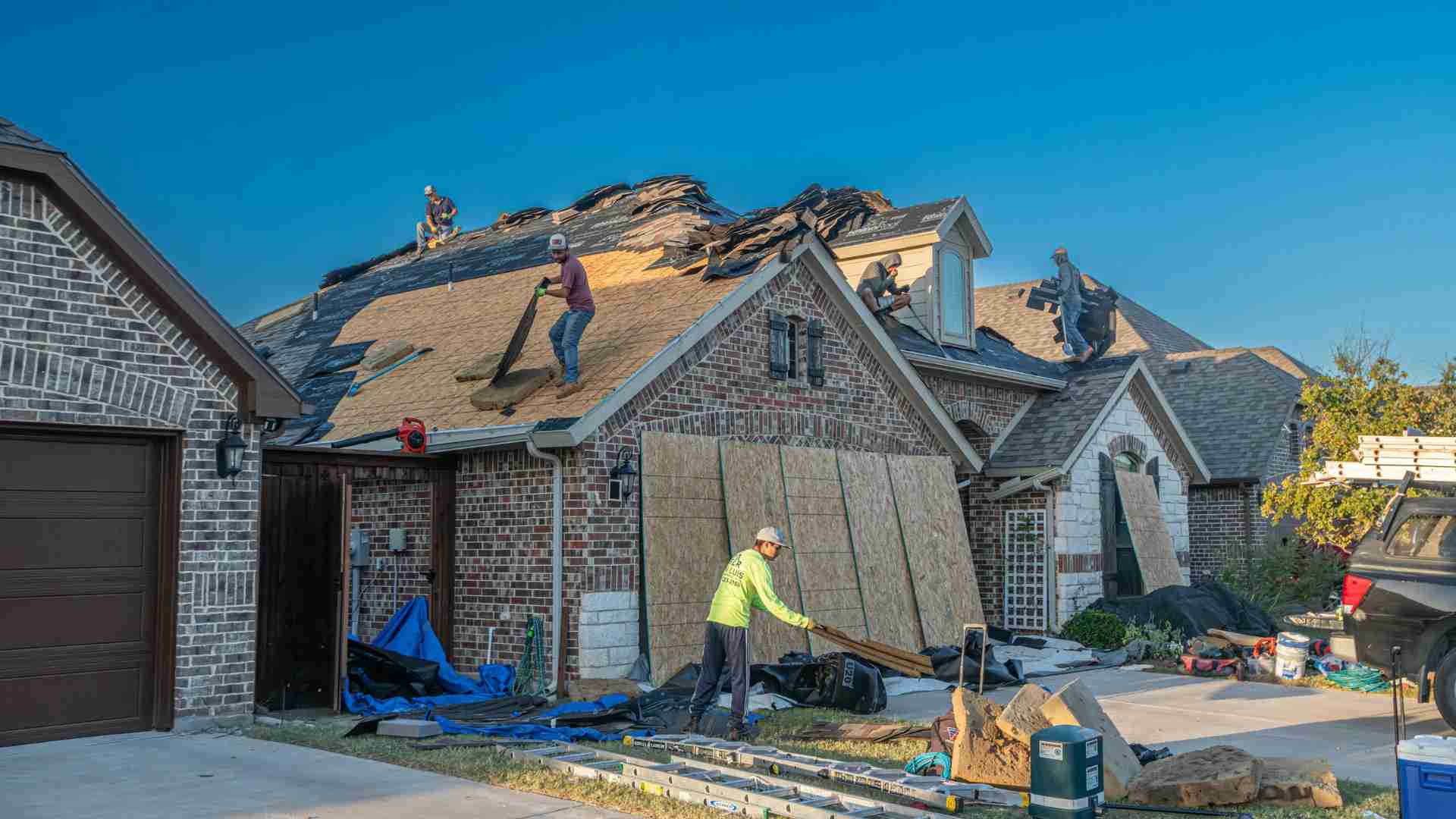
You can judge most of the job in the first hour. A careful crew lays tarps over landscaping, sets a magnet sweep schedule for nails, and stages materials so the driveway stays usable. A rushed one drops shingles in the flower bed and leaves you finding fasteners with your car tires for a month.
Ask who’s actually on your roof. Some companies sell the job and subcontract the labor, which isn’t automatically bad, but you deserve to know. And get the crew size in writing, because a two-day promise with a three-person crew is a promise nobody can keep.
The last thing: get a final walkthrough with the person who sold you the job. Look at the ridge, the valleys, and the flashing at the chimney together, and take photos. That ten minute pass is the cheapest quality control you’ll ever get.
Frequently Asked Questions
How long does a typical replacement take?
Most single family homes take one to three days, weather permitting. Steep pitches, multiple layers, and decking repairs push it longer.
Can I replace a roof in winter in Atlanta?
Usually, yes. Mild Georgia winters work fine for most shingle systems as long as installers follow the manufacturer’s temperature guidance for sealing.
Should I repair or replace if I’m selling within a year?
A documented, recent replacement removes a major buyer objection. A patch on a twenty year old roof invites a negotiation you’d rather skip.
Making the Call
You don’t need a perfect roof. You need one that keeps water outside the house and gives you a paper trail, and the gap between those two outcomes is mostly about timing. Check the age, count the problem spots, and price the repair honestly against a full replacement. If the repair number is creeping toward a fifth of the replacement cost on an old roof, you already know what to do.
Get two inspections before you commit, ask the decking and flashing questions, and don’t let anyone rush you into signing on a driveway. Which layer is wearing out fastest on your house right now, and do you actually know the answer?