A smooth vacation rental check-in starts long before a guest enters the access code. The entryway, luggage plan, and arrival instructions all shape those first few minutes, especially after a long trip. Thoughtful design can prevent common frustrations while helping guests settle in quickly and feel confident about the stay ahead.
First Impressions Begin at the Threshold
Treat the entrance as a working space, not simply a decorative transition. Guests may arrive carrying suitcases, checking instructions on a phone, and trying to keep children close. They need clear lighting, enough room to stand, and an obvious path to the door.
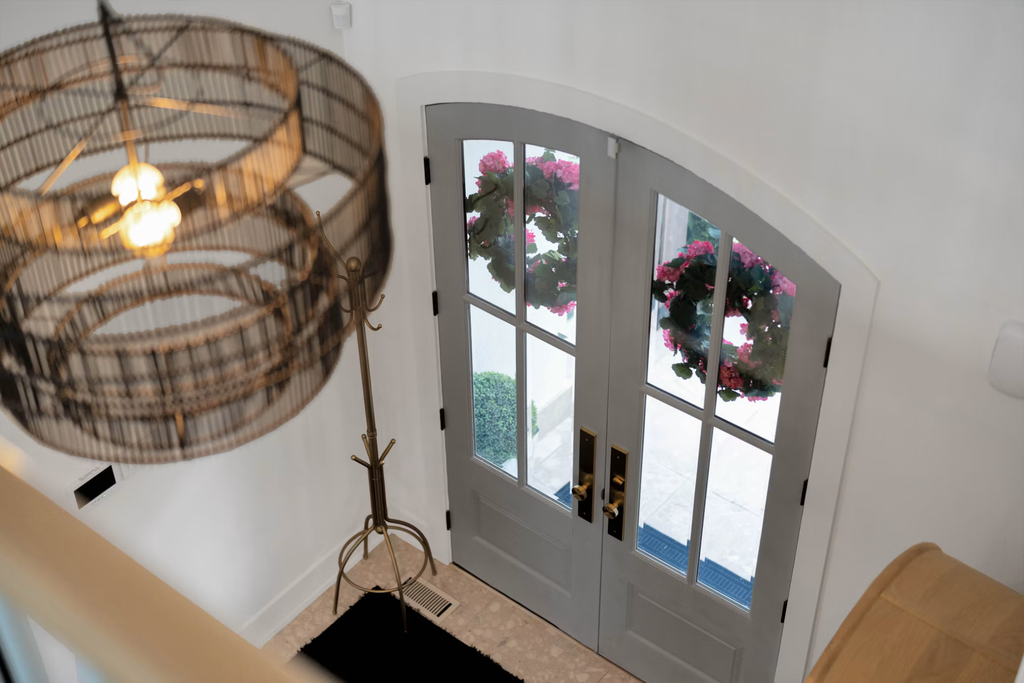
Start outside. Make the property number easy to read from the street and check that outdoor lighting covers the walkway, steps, and lock. Motion-activated fixtures can help late arrivals without leaving lights on all day. If the door uses a keypad, place the numbers where guests can see them without blocking the entrance with their bags.
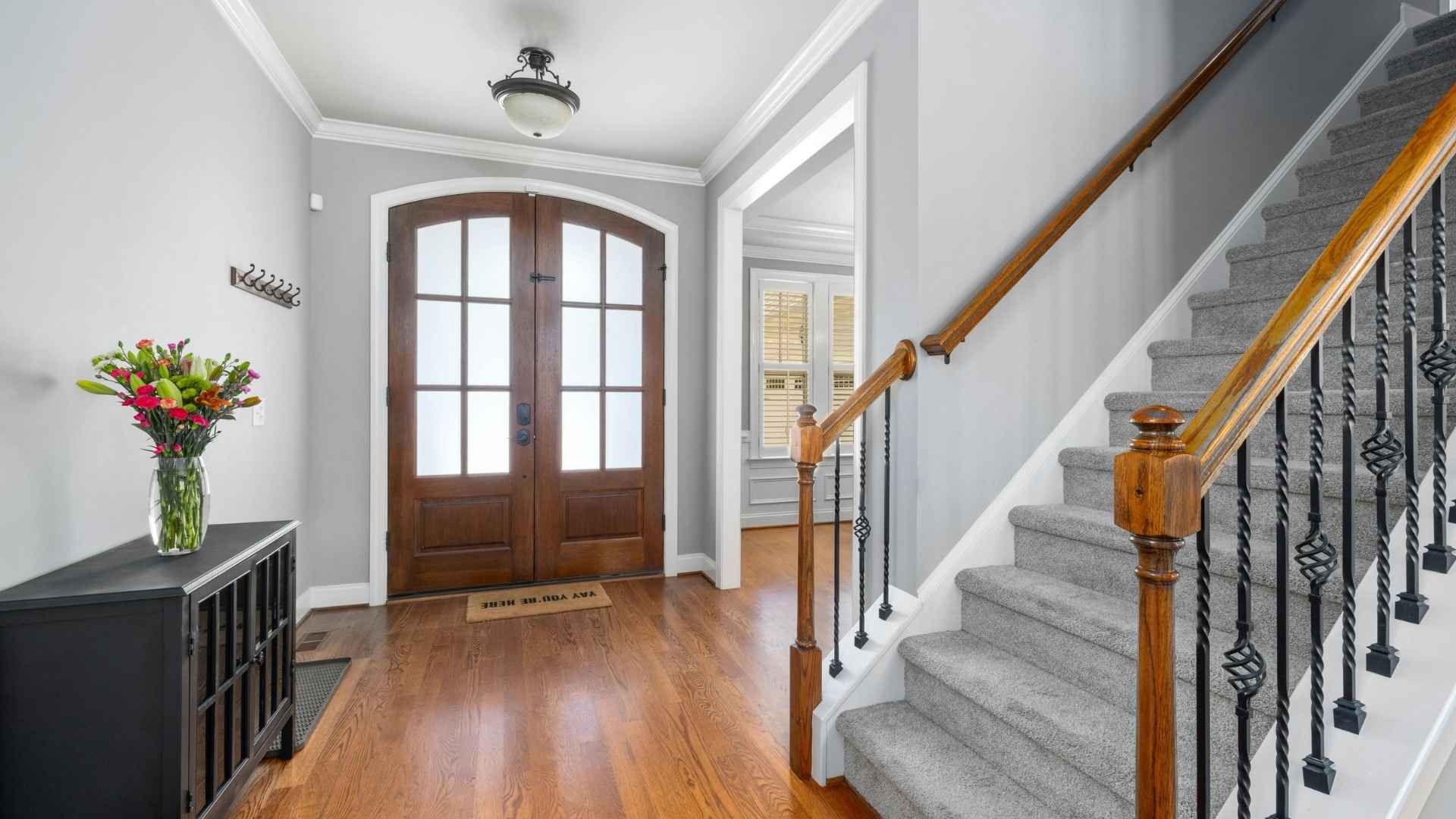
Inside, a durable mat should catch water and dirt before it reaches the main flooring. Add several sturdy hooks at different heights, plus a small surface for keys. A narrow shelf often works better than a deep console in a tight hall because it leaves more walking room. These practical vacation rental entryway ideas can help hosts balance warmth with everyday function.
Keep decor simple and tied to the home. One framed local print or a small mirror adds character without competing for space. More detailed rental furnishing tips also emphasize durable pieces and a consistent visual style. For the threshold, that means choosing items that tolerate repeated use and still look tidy in listing photographs.
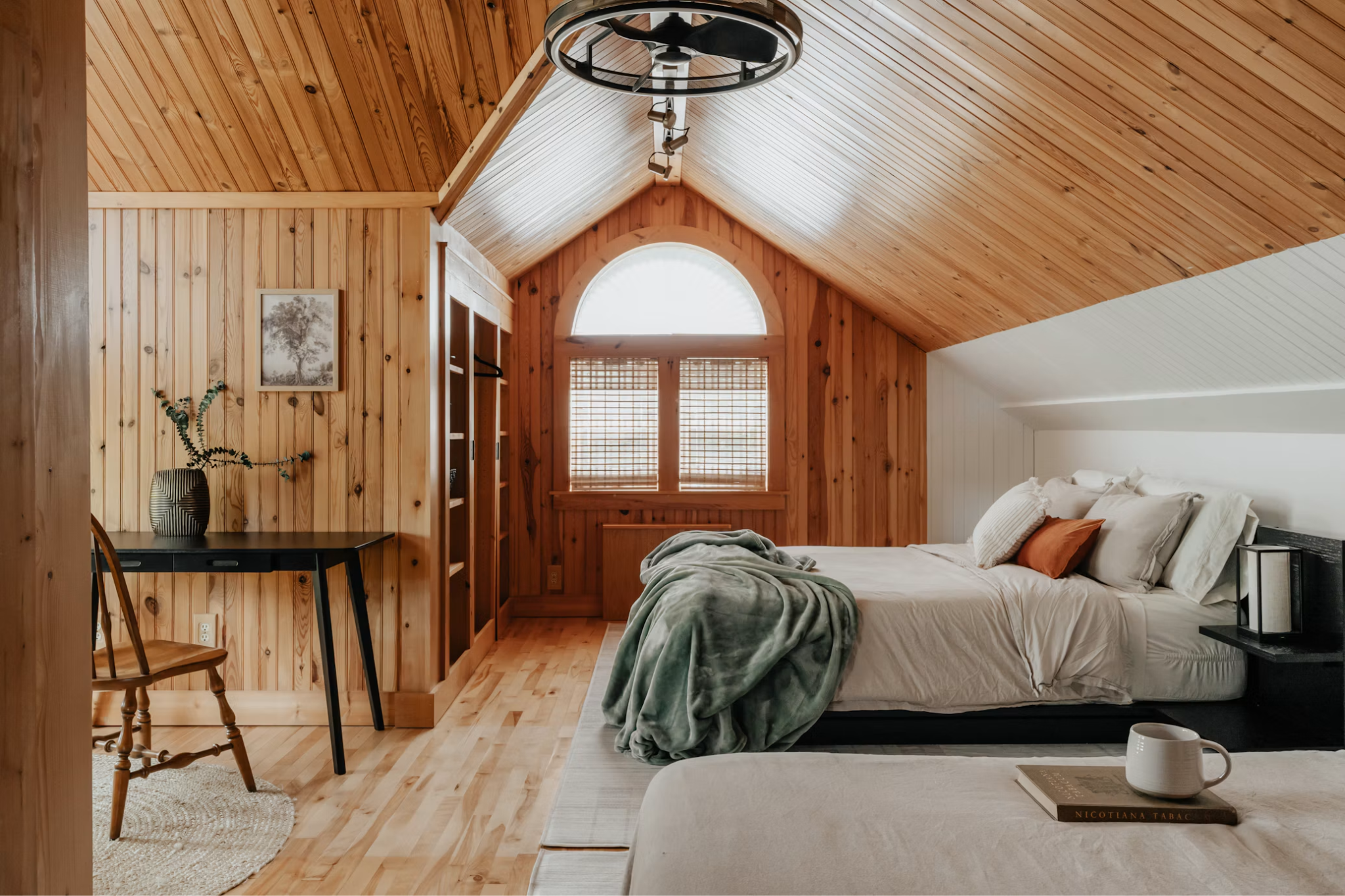
Choosing warm, character-driven interior design can help vacation rentals feel welcoming while giving each space a distinct personality.
Designing Around Gap Hours
Early arrivals and late departures create a tricky period between travel plans and access to the property. A guest may arrive at noon even though check-in begins at 4 p.m. Another may need to leave by 10 a.m. but have an evening train. Promising flexible access can disrupt cleaning, yet leaving guests without options often leads to repeated messages and frustration.
Build a clear gap-hours policy into your arrival process. State the standard times in the listing, booking confirmation, and pre-arrival message. If early access depends on the cleaning schedule, explain when you’ll be able to confirm it. For example, tell guests that you can provide an answer by 6 p.m. on the day before arrival.
Offer practical local alternatives when the schedule can’t change. Travelers staying near a major transit hub may find Liverpool Street luggage storage useful for securely storing bags with a trusted local partner before check-in or after departure. Similar services can be researched for other cities and listed in the hospitality guide.
Avoid suggesting that guests leave bags unattended outside the unit or in a shared hallway. That can obstruct walkways and may breach building rules. If your property has a secure storage room, explain who can use it, when it’s accessible, and how guests retrieve their belongings. Precise instructions turn a potentially awkward waiting period into a manageable part of the travel day.
Create Dedicated Floor Space for Bags
Give guests a designated place for suitcases to prevent clutter and keep dirt off beds and furniture.
Reserve an open area near the entrance for unloading, ensuring bags won’t block doors, walkways, vents, or utility cabinets. In bedrooms, provide foldable luggage racks or sturdy benches, along with closet space and spare hangers.
For families and groups, consider a hallway nook or mudroom that keeps bags clear of exit routes. Test the layout with several full-size suitcases to identify tight spots. A small boot tray also helps keep wet shoes separate from luggage and maintain a clean, organized space.
Streamline the Arrival Timeline
Guests should know what to do in the order they need to do it. Send the complete arrival message 24 to 48 hours before check-in so they have time to read it while connected to reliable internet. Put the property address, check-in time, and access instructions near the top.
A useful message follows the guest’s actual sequence:
- Find the correct building and entrance
- Enter through the main door or gate
- Locate and operate the lock
- Connect to Wi-Fi
- Find the parking area, elevator, or stairs
- Contact the host if access fails
Keep backup instructions separate from the main steps. A long paragraph filled with exceptions makes a simple process look complicated. If the keypad can be temperamental, include one specific note such as, “Wake the screen with your palm, enter the six-digit code, and press the check mark.” Photos can clarify which gate or doorway to use, especially in a multi-unit building.
The first 30 minutes influence how quickly guests feel settled, so test every step from their perspective. Walk from the curb to the unit while carrying a suitcase and reading the instructions on your phone. Confirm that each photo matches the current exterior and that directions don’t rely on temporary landmarks.
A smooth check-in process also depends on accurate timing and responsive communication. Set an automated welcome message for shortly after the stated arrival time, but keep it brief. Ask guests to confirm that they entered successfully and tell them how to reach you if something needs attention. Avoid sending several messages during dinner hours unless a reply is necessary.
Elevate the Hospitality Guidebook
The hospitality guidebook should answer the questions guests are likely to ask during the first evening. Place a printed copy in an obvious location, such as the kitchen counter or entry console, and provide a digital version before arrival. The two copies should contain the same current information.
Organize the opening pages around immediate needs. Start with the Wi-Fi network and password, heating or cooling controls, and basic checkout time. Follow with simple instructions for appliances that may be unfamiliar. A photograph of the correct switch or control panel is more useful than a full manufacturer’s manual.
Group local recommendations by situation. Guests may want a nearby grocery store that stays open late, a family-friendly breakfast spot, or a pharmacy within walking distance. Include the address, approximate distance, and typical hours, then remind readers to verify opening times. Keep the list selective. Three dependable options are easier to use than 20 unexplained names.
House rules deserve plain language and a short reason where it helps. For example, explain that quiet hours protect neighbors in nearby units or that food should stay out of bedrooms to prevent stains. Guests respond better when they can understand the practical purpose of a request.
Review the guide every three months and after any change to a lock, appliance, or local recommendation. Ask a friend who hasn’t stayed at the rental to follow the instructions without help. Any point where they pause, guess, or ask for clarification needs an edit.
A well-designed arrival ends with an ordinary but valuable result: guests can put down their bags, connect to Wi-Fi, and start enjoying the property without contacting you for missing details. When testing your setup, begin at the curb with luggage in hand. That viewpoint will expose more problems than reviewing instructions from inside an empty rental.