Mobile and manufactured homes represent a significant share of the housing stock across the United States, and their owners face the same exterior maintenance and improvement decisions as owners of site-built homes — with the added complexity that mobile home construction differs from conventional framing in ways that affect how siding projects should be approached. The original metal or vinyl panels that most manufactured homes left the factory with have a finite lifespan, and when they deteriorate, the options for replacement are broader than many mobile home owners realize. A well-executed siding replacement on a manufactured home can dramatically improve its appearance, reduce energy costs, and extend its serviceable life by decades.
Why Mobile Home Exterior Siding Requires Specialized Attention
Replacing mobile home exterior siding is not simply a scaled-down version of a conventional residential siding project. Manufactured homes are built to different structural standards than site-built homes — their wall framing is typically thinner, their sheathing may be minimal or absent depending on the construction era, and the methods used to attach original siding panels differ from conventional framing practices. These differences affect how replacement siding is selected, how it is attached, and what preparatory work is required before installation begins. A contractor with experience working on manufactured homes understands these differences and accounts for them in their approach. One without that experience may apply conventional residential installation methods that are inappropriate for the structure, producing results that perform poorly or fail prematurely.
The age of the home also matters significantly. Manufactured homes built before 1976 — when HUD established federal construction standards for mobile homes — were built without consistent quality controls, and their construction methods and materials vary substantially. Homes built between 1976 and the mid-1990s follow HUD standards but use construction details that differ from post-1994 HEV homes and from modern site-built construction. Understanding which generation of construction a specific home represents informs the right approach to substrate preparation, attachment methods, and moisture management details in ways that affect both installation quality and long-term performance.
The Original Siding Types Found on Manufactured Homes
Most manufactured homes were originally clad in one of a small number of materials that each present specific conditions for replacement work. Original steel or aluminum panels — common on homes built through the 1980s — may have developed rust spots, dents, or paint failure, but they also provided structural contribution to the wall assembly in some construction types, which needs to be accounted for in the replacement approach.
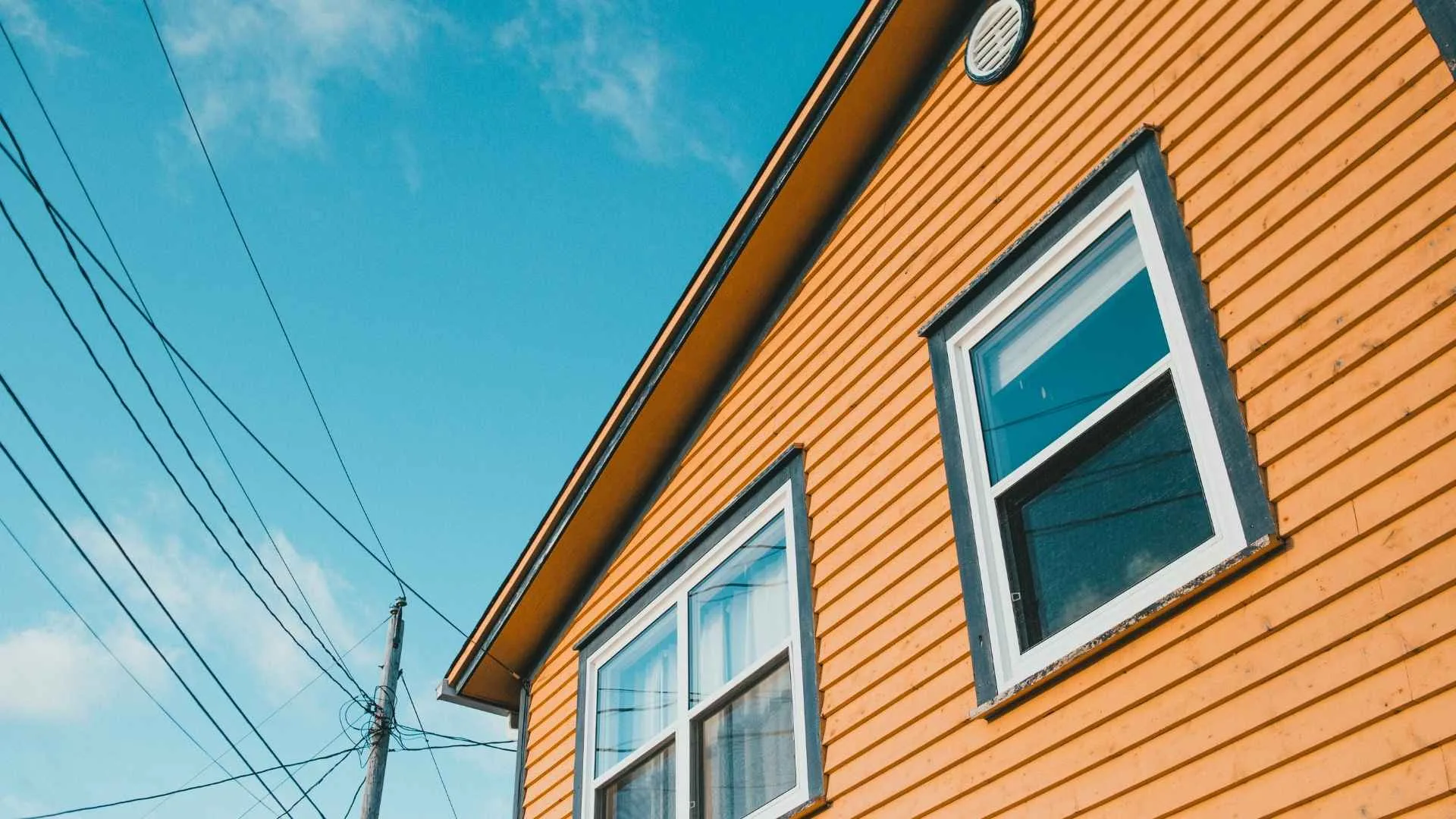
Original vinyl horizontal panels are common on homes from the late 1980s onward and typically present fewer structural considerations but may have developed fading, warping, or impact damage. Some manufactured homes were originally clad in hardboard siding — a wood composite product that has proven highly susceptible to moisture damage and is frequently found in deteriorated condition requiring full replacement. Each of these original materials requires a different assessment before replacement work begins.
Siding Material Options for Manufactured Homes
The range of siding materials available for manufactured home replacement projects is broader than many owners assume. The options that perform best in this application balance the structural considerations of manufactured home construction, the budget realities of the market, and the performance requirements of the local climate:
- Vinyl siding — the most commonly used replacement material for manufactured homes, offering a good balance of cost, low maintenance, and weather resistance. Premium vinyl products with thicker panels and better UV stabilization perform significantly better than entry-level options over a ten-to-fifteen-year horizon, and the price difference is worth paying for owners planning to remain in the home long-term.
- Fiber cement siding — a higher-performance option that delivers greater durability, better paint retention, and improved resistance to moisture and impact than vinyl. More expensive to purchase and install than vinyl, but increasingly popular for manufactured home owners who want a long-lasting result that improves the home’s appearance and perceived value significantly.
- Engineered wood siding — offers the visual warmth of natural wood with better moisture resistance than solid wood, at a cost point between premium vinyl and fiber cement. Suits manufactured homes in markets where a natural wood aesthetic is valued and where the climate is not so demanding that fiber cement’s superior moisture performance is a decisive factor.
- Insulated vinyl siding — the continuous foam backing of insulated vinyl products improves thermal performance meaningfully in manufactured homes, which are often less well-insulated than site-built homes and can benefit significantly from exterior insulation added at the time of siding replacement. The solid feel of insulated vinyl also suits the thinner wall assemblies of manufactured construction better than hollow standard panels.
- Metal panel systems — aluminum and steel siding remain options for manufactured home replacement, particularly on older homes where metal was the original cladding and where compatibility with the existing construction is a consideration. Modern coated metal products are more durable and require less maintenance than the original steel panels they typically replace.
Substrate Preparation: The Critical Step That Determines Performance
The condition of the wall assembly beneath the original siding is the most important variable in a manufactured home siding replacement project, and assessing it thoroughly before new material is installed is what separates a replacement that performs well from one that requires attention again within a few years.
Mobile homes that have experienced moisture infiltration behind original siding may have damaged or deteriorated sheathing, wall insulation that has absorbed moisture and lost its thermal performance, or framing that has been compromised by prolonged water contact. Addressing these conditions before new siding goes on — replacing damaged sheathing, installing or improving the moisture barrier, correcting flashing details at windows and doors — is the work that makes the new installation durable rather than cosmetic.
Finding a Contractor Who Understands Manufactured Home Construction
The pool of contractors with genuine experience on manufactured home siding projects is smaller than the pool of general residential siding contractors, and the difference in outcome between the two groups is significant enough to make the effort of finding the right contractor worthwhile. The questions that most clearly reveal whether a contractor has worked on manufactured homes before are the ones about the specific challenges of the work — how they handle attachment to thin framing, how they approach moisture management in the absence of a continuous sheathing layer, and how they deal with the structural contribution of original steel or aluminum panels in older construction types.
What a Professional Mobile Home Siding Proposal Should Cover
A professional proposal for a manufactured home siding project addresses the same elements as any quality siding proposal — specific product, installation scope, moisture barrier, trim, and a process for handling substrate conditions discovered during demolition — along with the manufactured home-specific considerations that distinguish this work from conventional residential siding.
It describes how the contractor will handle the structural considerations of the original wall assembly, what moisture management improvements will be incorporated, and how window and door integration will be managed given the thinner framing typical of manufactured construction. Proposals that treat a manufactured home siding project as identical to a conventional residential installation — without acknowledging or addressing the differences — are proposals from contractors who have not done enough of this work to understand why those differences matter.
The Return on Siding Investment for Manufactured Home Owners
A well-executed siding replacement on a manufactured home delivers returns in several dimensions simultaneously. The most immediately visible is the transformation in curb appeal — a home with fresh, quality siding looks dramatically different from one with faded, dented, or deteriorating original panels, and that visual improvement affects both the owner’s daily experience of the property and its market value.
The less visible but equally important return comes from improved thermal performance — particularly when insulated siding is used — that reduces heating and cooling costs in structures that are often less energy-efficient than site-built homes. And the structural protection provided by a properly installed, moisture-managed siding system extends the serviceable life of the home itself, protecting the owner’s underlying investment in a structure that can provide comfortable, affordable housing for decades when maintained properly.