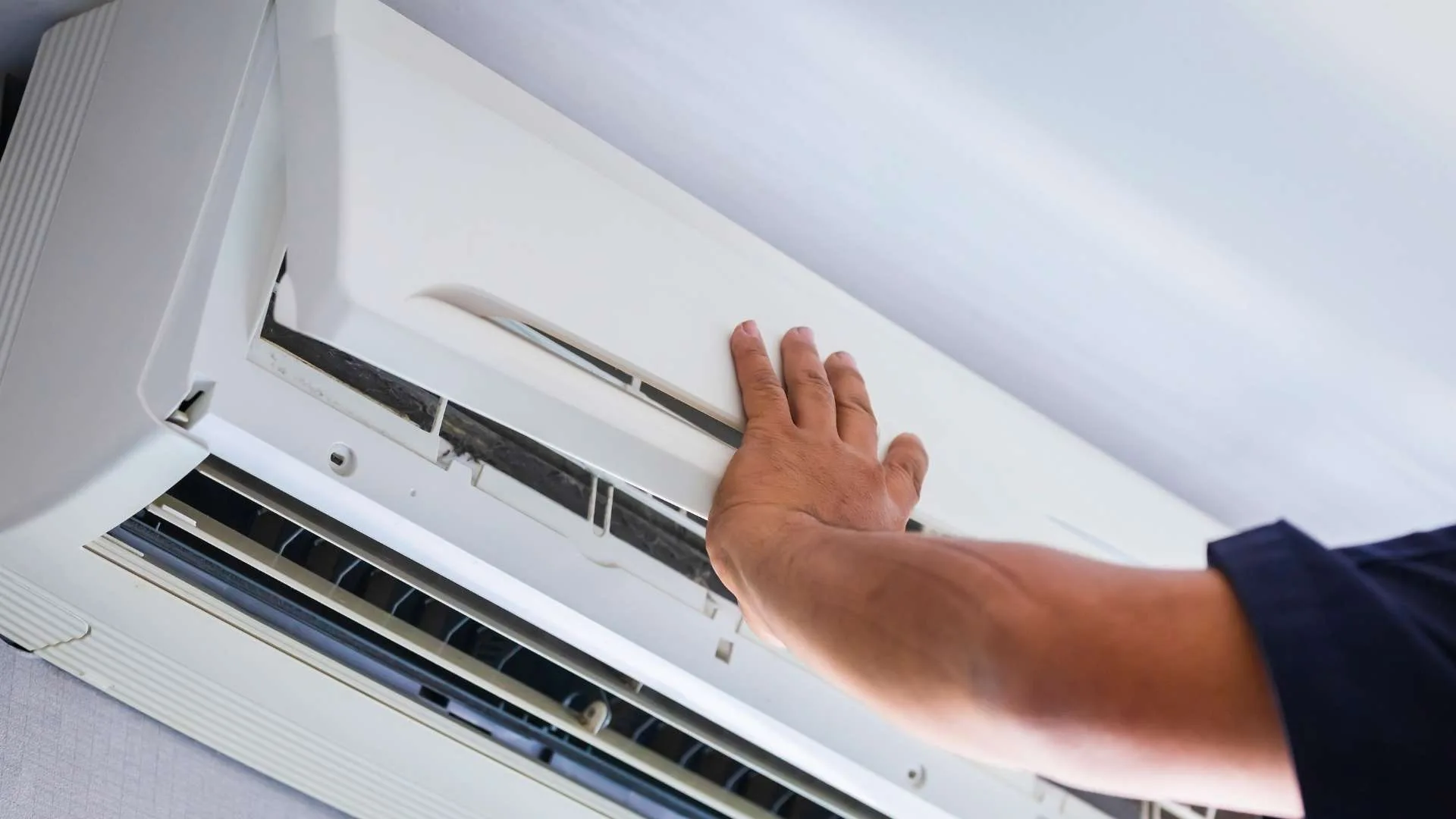
Keeping your home comfortable in the summer depends on selecting an air conditioning system that matches your family’s needs. The wide variety of options on the market can be confusing, especially as modern systems come with advanced features and efficiency ratings. To simplify your search, this guide will cover all the essential steps for choosing the best AC system. If you are considering an upgrade or replacement, be sure to check out New Air Conditioner Units For Sale for a range of reputable products.
From understanding your home’s unique cooling requirements to evaluating energy ratings and budget considerations, a thoughtful approach ensures lasting comfort and efficiency. The right system can ultimately improve air quality, lower utility bills, and support a healthier home environment. With a little upfront planning, you can confidently invest in an air conditioning system that fits both your lifestyle and long-term goals.
Assess Your Home’s Cooling Needs
Every home is different in its structure and insulation, which makes evaluating your specific cooling requirements essential. Consider the square footage of the rooms you want to cool, the height of ceilings, window sizes, and the quality of insulation throughout your home. Larger or open-concept rooms usually demand systems with more cooling power. On the other hand, homes that are well-insulated or have energy-efficient windows may allow you to use a smaller system. Be mindful of rooms with significant sun exposure, as these areas tend to heat up faster and might need extra cooling support.
Taking detailed notes of your home’s characteristics can prevent overestimating or underestimating the cooling capacity needed. Over-sizing your unit can waste energy and increase costs, while under-sizing may lead to inadequate comfort during the hottest months. You can use calculators from authoritative resources, such as the U.S. Department of Energy’s Guide to Home Cooling Systems, to get a preliminary understanding before making final decisions.
Explore Different Types of Air Conditioning Systems
A wide variety of air conditioning systems is available, with each type tailored to different home designs and needs. The main options include:
- Central Air Conditioning: Designed for whole-home cooling. These systems connect to ductwork and are optimal for houses with existing duct infrastructure. They offer even temperature distribution and can include air filtration, but require professional installation and higher upfront costs.
- Ductless Mini-Split Systems: These are well-suited for homes without ductwork or for additions and renovated spaces. Mini-splits offer flexibility, allowing different temperature controls for each zone, and they typically provide high energy efficiency.
- Window Units: Ideal for cooling single rooms, window units are cost-effective and require minimal installation. Their portability and ease of use make them popular for apartments or supplementary cooling in larger residences.
- Portable Air Conditioners: These units can be moved from room to room as needed. They are easy to set up but may not be as energy-efficient as fixed systems. They work best for renters or spaces where permanent installation is not possible.
Each type has unique strengths and may be suited to your home based on its design, your comfort preferences, and how often you need to cool various spaces. For an in-depth comparison, Consumer Reports offers a helpful air conditioner buying guide to help narrow your options.
Consider Energy Efficiency Ratings
The importance of selecting an energy-efficient air conditioning system cannot be overstated. Air conditioners are assigned a SEER (Seasonal Energy Efficiency Ratio) rating, which measures the unit’s efficiency over an entire cooling season. A higher SEER rating means greater efficiency and lower energy bills. Look for models with a SEER of 15 or above, and consider systems that carry the ENERGY STAR label, which are certified for their reduced environmental impact. Not only do these systems lower your household energy consumption, but they also reduce greenhouse gas emissions.
Evaluate Additional Features
Modern air conditioning systems include extra features for enhanced comfort and convenience. These can include:
- Smart Thermostat Compatibility: Allows you to schedule cooling and control the temperature remotely using your smartphone or voice assistants.
- Variable-Speed Compressors: Ensure quieter operation and more flexible temperature regulation, which can improve energy efficiency by making gradual adjustments rather than frequently turning on and off.
- Humidity Control: Some ACs can maintain ideal humidity levels, which is especially important in hot and humid climates, making homes more comfortable and reducing mold risk.
When shopping for an AC, consider which features will have the biggest impact on your daily comfort and the long-term costs of operating your system.
Budget Considerations
The initial purchase price is only a portion of the total cost of owning a new air conditioning system. Ongoing expenses, such as maintenance, repairs, and most significantly, energy use, must be included in calculations. Often, investing a little more upfront in a high-quality and energy-efficient system can result in meaningful savings over its lifespan. In addition, some high-efficiency air conditioners may qualify for rebates or incentives from local utilities, which can offset installation costs. Always weigh upfront expenses against long-term energy savings and reliability.
Installation and Maintenance
A professional installation is the cornerstone of any reliable and energy-efficient air conditioning system. Certified technicians will ensure that your new system is the correct size, properly connected to existing ductwork (when applicable), and functioning at optimal levels. After installation, regular maintenance becomes critical. Change or clean filters, inspect system components, and schedule annual tune-ups to extend the lifespan of your AC unit. Consistent care will keep performance high, utility bills low, and repair costs minimal in the long run.
Consult with HVAC Professionals
It is always a good idea to consult experienced HVAC professionals when selecting and installing a new air conditioning system. Specialists can provide personalized recommendations, perform in-home assessments, and help you understand the pros and cons of each system for your unique needs. Their expertise can ensure a correct and code-compliant installation, protective warranties, and future support if maintenance or repairs are required.
Conclusion
Choosing the right air conditioning system for your home requires careful thought about your space, habits, and long-term savings. Assess your home’s unique cooling needs, familiarize yourself with the available AC types, and make energy efficiency a top priority. Paying attention to useful features, responsible budgeting, and ongoing maintenance will help ensure years of comfort and cost-effectiveness. With the right guidance and a little research, you can achieve a cooler, more energy-efficient home environment that stands up to the hottest days of summer.