A correct panel count prevents project delays and unnecessary material expenses for any fencing job. Many site managers order too many panels and waste budget, or too few panels and halt work mid-installation. The calculation process requires simple measurements and basic arithmetic rather than specialized software.
Each job site has unique dimensions that affect the final number of required sections. Reliable temporary security fence rental solutions depend on precise linear footage numbers provided by the customer before ordering. This article provides a step-by-step method for calculating exact fence panel quantities for any property perimeter.
Accurate Measurement Steps for Your Entire Property Boundary
The first task requires a complete walk around the full perimeter of the work site. A long tape measure or a digital measuring wheel provides the most accurate distance readings. Record each straight section separately rather than adding everything into one total number. Write down measurements in feet and keep a simple sketch of the property shape. Note any obstacles like trees, utility boxes, or existing structures along the boundary line.
Standard Panel Dimensions and Commercial Size Options
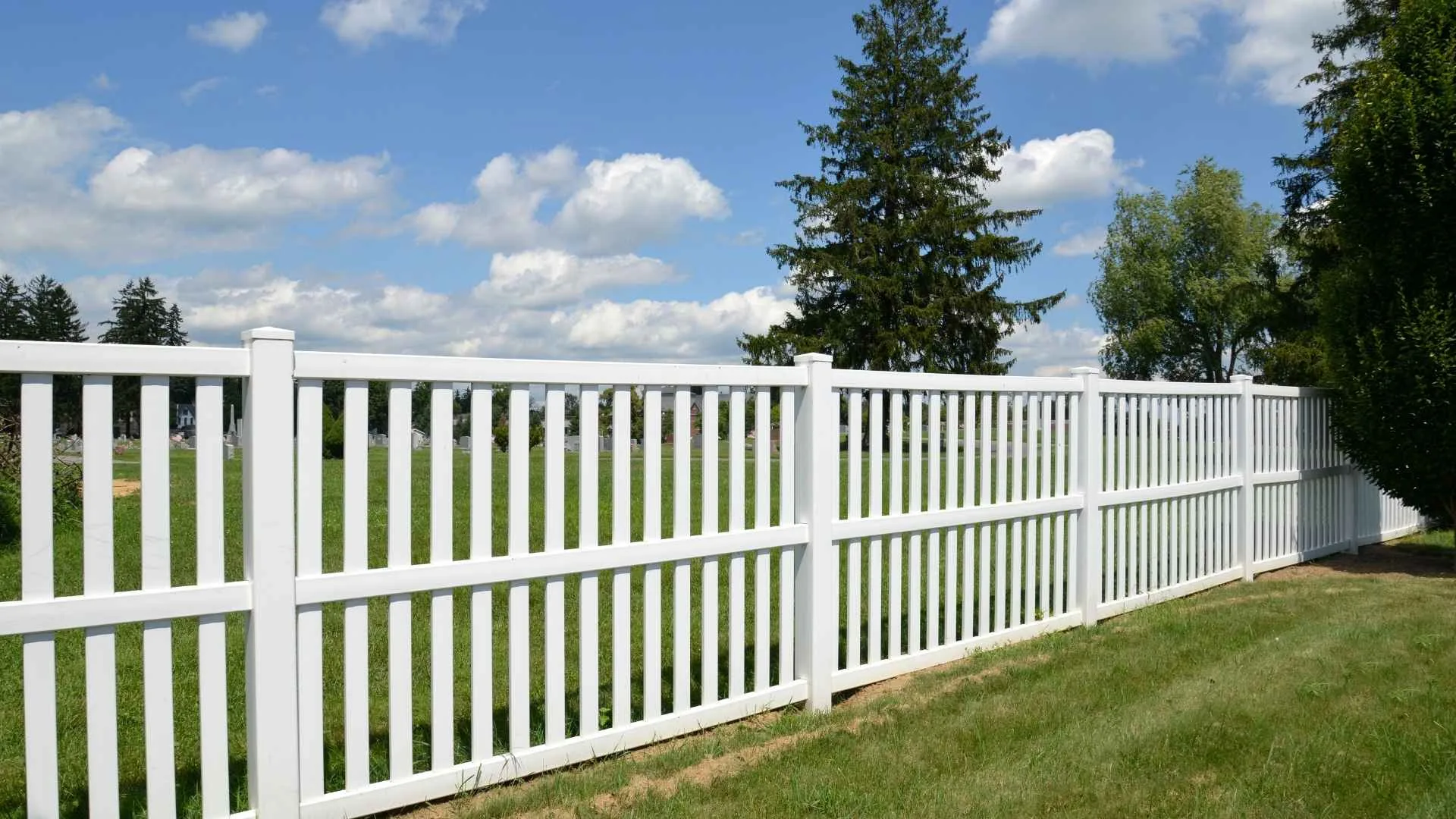
Most temporary fence panels come in standard widths of ten feet or twelve feet for commercial use. The height of each panel typically measures four feet, six feet, or eight feet. A ten-foot-wide panel covers ten linear feet of perimeter when placed end to end. A twelve-foot panel covers twelve linear feet but requires more storage space on the delivery truck. Divide the total perimeter footage by the panel width to get the base panel quantity. Round up to the nearest whole number because partial panels do not exist in standard rental inventory.
Gate Placement and Access Point Adjustments
Every fenced area needs at least one gate for worker and equipment access to the interior. A standard single gate replaces one standard panel and measures three to four feet wide. A double gate replaces two standard panels and provides a twelve to fifteen-foot opening for vehicles. Subtract the width of each gate from the total linear footage before calculating panel needs.
Hardware Requirements and Support Post Math
Support posts hold the panels upright and connect them into a continuous fence line. Standard posts are installed every ten feet for ten-foot panels or every twelve feet for twelve-foot panels. Each post requires two feet of clearance for the base plate or concrete anchor. The total post count equals the number of panels plus one additional post for the end of the line. A temporary fence rental order must include the correct post quantity to match the panel count.
Layout Estimation Shortcuts for Rectangular Lots
A rectangular lot shape allows a simple calculation method using only length and width measurements. Add the length of two long sides to the width of two short sides for the total perimeter. Divide that total by the panel width to get the required number of sections. A lot that measures one hundred feet long and fifty feet wide has a perimeter of three hundred feet. Three hundred feet divided by ten-foot panels equals thirty panels exactly. Add two extra panels to account for measurement errors or unexpected site conditions.
Buffer Space Allotments for Sloped Terrain
A sloped garden requires additional panels to maintain a consistent height above the soil surface. Each panel must step down or up at every change in ground elevation. A slope that drops two feet over a fifty-foot run may need three extra panels. Walk the entire slope with a measuring wheel to count how many elevation changes occur. Each elevation change adds a partial panel overlap that reduces the effective coverage of each section.
Reliable temporary security fence rental solutions start with accurate perimeter measurements, correct panel width selection, proper gate placement, and precise hardware math for every job site. A fence rental order that includes a five to ten percent buffer for slopes and corners will cover unexpected field conditions. Use the measurement steps above before calling your supplier to ensure the first delivery contains every panel needed for a complete installation.