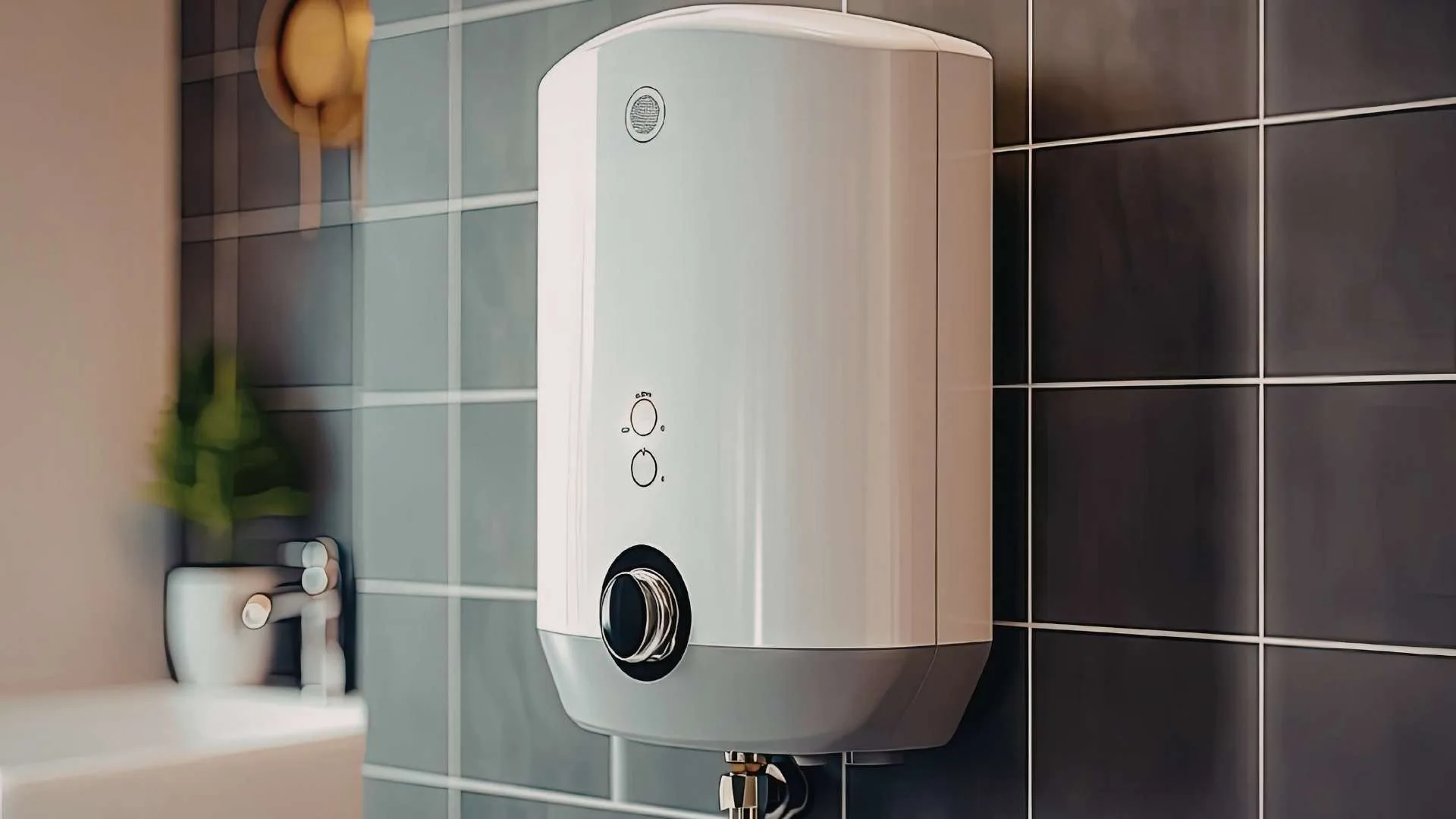
In today’s world, more homeowners are seeking sustainable living solutions to help minimize their environmental impact and reduce monthly expenses. One of the most effective advances in this effort is the rise of eco-friendly water heaters, which provide efficient and environmentally conscious options compared to conventional systems. With innovative technology and government incentives supporting their adoption, these water heating systems are reshaping the standards for modern homes.
Not only do these advanced units help decrease household energy consumption, but they also offer tangible cost savings over time. As awareness of climate change grows, an increasing number of families are making the switch to eco-friendly models that are both easy to use and capable of meeting the hot water needs of contemporary lifestyles.
The introduction of eco-friendly water heaters represents a significant shift in how people heat water at home. By combining greater energy efficiency with practical performance, these systems appeal to anyone looking to lower their utility bills and embrace sustainable design. Homeowners in all regions can now find a solution that fits their needs, thanks to rapid advances in heat pump, tankless, and solar technology.
If you are interested in broader research on this topic, you can explore how green technology is impacting other home systems on the New York Times Climate section, which provides in-depth reporting on energy efficiency and sustainability trends.
Types of Eco-Friendly Water Heaters
There are several types of eco-friendly water heaters, each designed to maximize efficiency and minimize environmental impact:
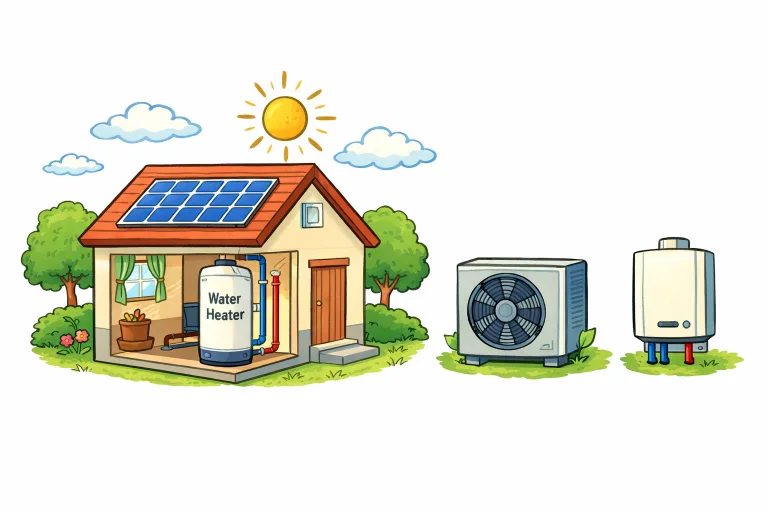
- Heat Pump Water Heaters (HPWHs): These systems pull heat from the surrounding air and transfer it to water, creating significant energy savings. The Natural Resources Defense Council notes that HPWHs are two to three times more efficient than traditional electric resistance water heaters.
- Tankless Water Heaters: Also referred to as on-demand units, tankless models heat water only when required. This design removes standby energy losses common to conventional storage tanks and ensures a continuous supply of hot water.
- Solar Water Heaters: By utilizing solar panels to capture sunlight, these systems can provide most or even all of a household’s hot water, particularly in sunny locations. This greatly diminishes dependence on fossil fuels and grid electricity.
The choice among these types depends on your climate, budget, and hot water usage patterns. Each offers distinct benefits to improve home energy profiles.
Benefits of Eco-Friendly Water Heaters
Switching to an eco-friendly water heater has multiple advantages that go beyond simple comfort:
- Energy Efficiency: High-efficiency units like HPWHs can employ up to 70 percent less energy than their conventional counterparts, which translates into lower monthly energy bills.
- Environmental Impact: Lower energy usage corresponds with smaller carbon footprints. By adopting efficient technologies, homeowners can actively contribute to reduced greenhouse gas emissions.
- Longevity: Many eco-friendly water heaters, particularly quality tankless or heat pump models, have lengthier lifespans and improved warranties. This reliability means longer intervals between replacements and fewer maintenance issues.
The advantages are clear in both savings and sustainability, offering a win-win for homeowners committed to modern, responsible living. For more scientific data on the impact of efficient appliances, visit the U.S. Department of Energy’s Energy Saver guide to learn more about performance and energy reduction statistics.
Technological Advancements
New features and improved hardware have made eco-friendly water heaters more powerful and user-friendly:
- Smart Controls: Integrating Wi-Fi and app-based controls enables remote scheduling and monitoring, maximizing operational efficiency and adapting to homeowner routines.
- Plug-In Heat Pump Models: Many brands now offer 120-volt plug-in systems, eliminating the need for advanced wiring or expensive electrical upgrades. This makes installation possible in a broader range of homes.
- Cold-Climate Operation: Advanced heat pump water heaters are now designed for reliable performance even in lower temperatures, thanks to updated refrigerants and compressor technologies.
These innovations broaden the applicability and convenience of eco-friendly water heaters, encouraging more households to upgrade and benefit from the latest energy-saving solutions.
Installation and Maintenance
The upfront cost of an eco-friendly water heater can be higher than that of a traditional unit, but efficiency gains and incentive programs help offset this. Choosing qualified installers, reviewing warranty policies, and keeping up with routine maintenance such as filter cleaning and system inspections are vital to ensuring reliable long-term results. With proper care, these systems can outperform standard options in terms of both efficiency and lifespan.
Financial Incentives
Government entities and utility companies have created a robust system of incentives to make eco-friendly hot water solutions affordable:
- Tax Credits: Many federal and state programs provide generous tax credits for new high-efficiency installations. These incentives encourage widespread adoption.
- Rebates: Local utilities and governments often issue rebates to residents who install energy-efficient water heating technologies, reducing overall installation costs.
- Financing Options: Some manufacturers and lenders offer favorable financing to make it easier to transition to advanced water heating systems.
Consult your local utility or government website for details about specific programs available in your area.
Real-Life Examples
Across the country, more homeowners are benefiting from eco-friendly water heaters. For example, a California family swapped their old gas-powered system for a heat pump water heater. They saw their monthly bill reduced by half and enjoyed uninterrupted hot water. Not only did this benefit their finances, but it also allowed them to make a positive ecological impact in their community.
Conclusion
Eco-friendly water heaters are reshaping expectations for home comfort by delivering energy-efficient, environmentally responsible, and cost-effective results. Thanks to rapid technical advancements and accessible financial incentives, they now present a practical route to modernizing home infrastructure. Whether your motivation is to save money, reduce emissions, or simply enjoy the latest in home technology, these water heaters are a powerful upgrade for anyone who wants to build a sustainable future.