Local inspectors possess an intimate understanding of the ground beneath your feet. In regions with heavy clay soil, they know exactly how moisture expansion leads to foundation cracks. They also understand how seasonal freeze-thaw cycles stress masonry and concrete over time. By recognizing these patterns, they can spot subtle signs of movement that a generalist might overlook.
Roofing assemblies also vary significantly based on local weather. An inspector familiar with your area knows which materials hold up against heavy snow loads or intense summer heat. They look for specific wear patterns on shingles, flashing, and vents that are common in your climate. This local context helps them differentiate between normal aging and urgent structural failure.
Navigating Municipal Standards and Neighborhood Construction Trends
Building codes evolve over time, and local professionals stay updated on these changes. They know the common shortcuts taken by builders in specific decades. If your neighborhood was built during a specific construction boom, the inspector likely knows which plumbing or electrical materials were common—and which ones are prone to failure.
They also understand how local land grading affects water runoff. An inspector who has walked hundreds of properties in your city knows which streets are prone to pooling water or basement dampness. This insight allows them to provide specific advice on how to manage your property’s drainage to prevent future water damage.
Advanced Non-Destructive Diagnostics and Multi-Tool Precision
Verifying Hidden Defects with Dual-Instrument Technology
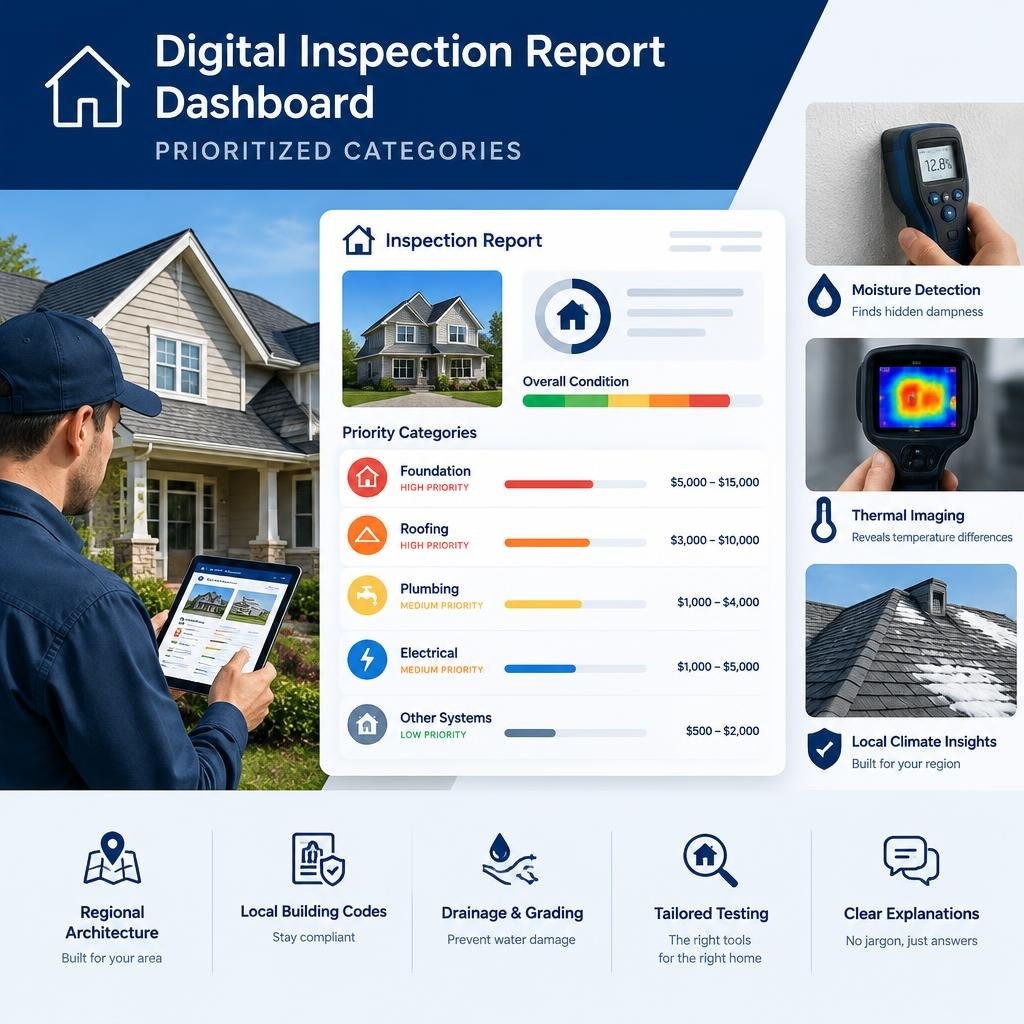
Modern inspections go far beyond the naked eye. A qualified local expert uses calibrated tools to see what is hidden behind finished surfaces. Moisture meters help identify dampness inside walls that could lead to mold, even if the exterior paint looks perfect.
Thermal imaging cameras are equally vital. These tools detect temperature differences, which often signal insulation gaps, electrical overheating, or hidden moisture. By using dual-instrument verification, inspectors can confirm findings with data rather than guesswork. This approach prevents the need for invasive testing and provides a much clearer picture of the home’s health.
Prioritized Action Reports with Ballpark Repair Estimates
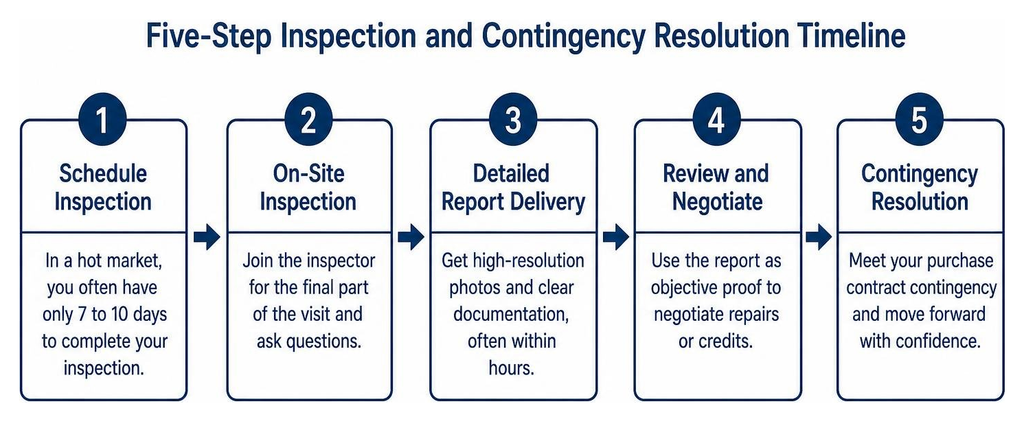
A good report should not just list problems; it should help you understand their impact. When you work with a local house inspector, you gain access to findings that are verified by advanced tools and presented in a clear, digital format. These reports prioritize defects by urgency, helping you distinguish between minor maintenance tasks and major structural repairs. Having ballpark cost estimates included in the report gives you the data needed to negotiate fairly with the seller.
Transparent Walkthroughs and Practical Defect Context
Technical jargon can be overwhelming for a new buyer. A local professional translates complex findings into plain language. They explain how a specific issue, like a slightly older water heater, impacts your daily life and budget. This context helps you maintain a realistic perspective, ensuring you do not walk away from a great home due to minor, easily fixed issues while still staying alert to genuine safety hazards.
Comprehensive Scope and Tailored Ancillary Testing
Core Structural and Mechanical Evaluations
The heart of any inspection is the examination of the home’s skeleton and primary systems. This includes the attic, crawl spaces, and load-bearing walls. Inspectors check the electrical panel to ensure it is safe and properly sized for modern needs. They also test plumbing systems for leaks and proper drainage, ensuring that your mechanical heating and cooling units are functioning as intended.
Specialized Environmental and Auxiliary Add-Ons
Some risks are invisible but dangerous. For instance, radon gas is a naturally occurring threat that cannot be smelled or seen. Because it is estimated that 1 in every 15 homes in the United States has elevated radon levels, testing is a smart safety measure.
| Inspection Type | What it Detects |
|---|---|
| Standard Visual | Major structural and mechanical defects |
| Radon Testing | Invisible, cancer-causing radioactive gas |
| Sewer Scope | Blockages or cracks in underground pipes |
| Thermal Imaging | Hidden moisture, heat loss, or electrical issues |
| WETT Inspection | Safety and code compliance for wood stoves |
Clearer Communication and Post-Inspection Advisory Support
Attending the Walkthrough for Real-Time Insights
You should always aim to join the inspector for the final part of the visit. This is your chance to see exactly where the main utility shut-offs are located. Knowing how to turn off the water or gas in an emergency is a critical skill for any new homeowner. Asking questions while standing in front of a system helps you understand the property’s maintenance needs much better than reading a report alone.
High-Resolution Photographic Proof and Clear Documentation
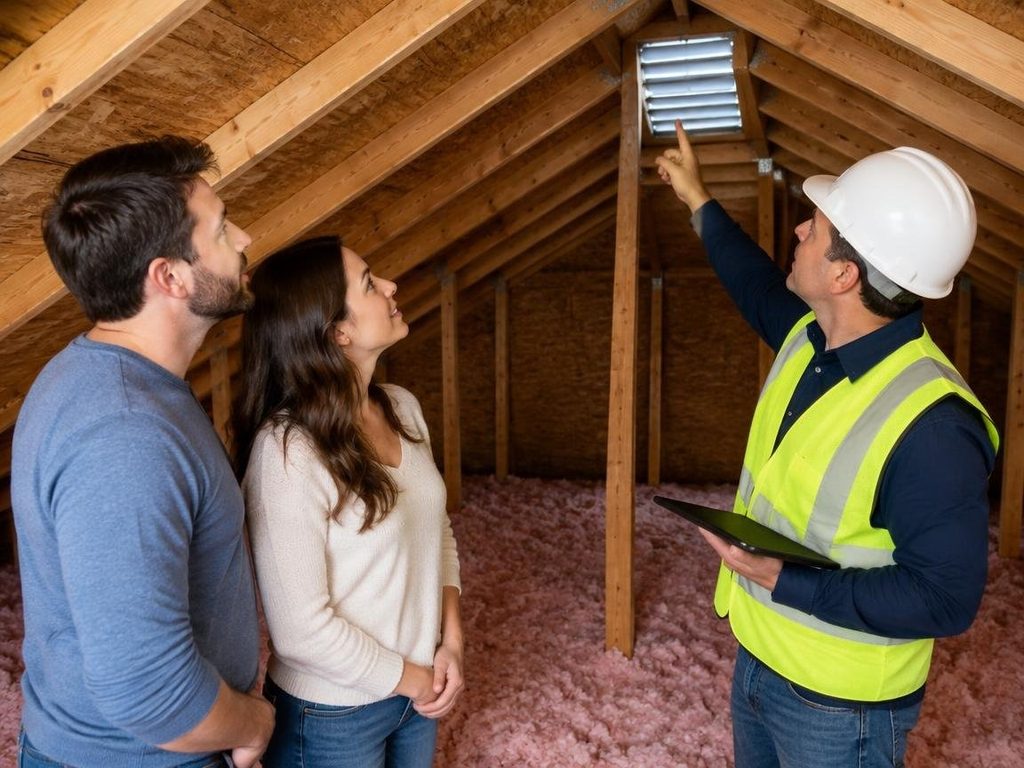
A report is only as good as its evidence. Professional inspectors use high-resolution photos to document every deficiency they find. These images act as objective proof during negotiations. If a roof has missing shingles or an attic has poor ventilation, clear photographic documentation ensures that the seller and their agent understand exactly what needs to be addressed.
Ongoing Advisory Access Beyond the Closing Date
The relationship with a local inspector does not have to end when you get the keys. Many professionals are happy to answer follow-up questions as you settle in. Whether you are wondering about a specific contractor quote or how to maintain your HVAC system, having that initial expert contact is a valuable resource. They can help you turn your inspection report into a long-term maintenance roadmap.
Faster Scheduling Within Tight Real Estate Deadlines
Meeting Strict Purchase Contract Contingencies
In a hot real estate market, you often have only 7 to 10 days to complete your inspection. A local professional understands the pressure of these timelines. They prioritize availability to ensure you do not miss your contingency window. Because they operate in your immediate area, they can often provide rapid report turnarounds, sometimes delivering the digital documentation within hours of finishing the physical walkthrough.
Transparent Pricing Without Hidden Surcharges
You deserve to know exactly what you are paying for. A standard inspection for a single-family home generally costs between $300 and $600. Local inspectors provide clear, upfront pricing based on the size and age of the home. By avoiding long-distance travel fees and using straightforward fee structures, they make the process predictable and stress-free.
Final Walkthrough: Making Your Next Move with Total Confidence
Buying a home is a major milestone, and you should never have to guess about its condition. By hiring an experienced local inspector, you gain an objective partner who protects your investment. You move beyond the surface-level appearance of a property and into a deep understanding of its true state. With the right data, clear documentation, and professional guidance, you can head to the closing table with total peace of mind.