When critical systems fail in our homes, the situation quickly escalates from an inconvenience to an emergency. A sudden breakdown in your HVAC or plumbing system can occur without warning, often at the most inopportune times, such as during extreme weather events or late at night. These emergencies demand immediate attention, not just for comfort, but also to prevent significant property damage and potential health hazards.
Consider the stark contrast between a routine, scheduled maintenance check and the frantic response required for an urgent utility emergency. Routine maintenance allows for proactive measures, identifying and addressing minor issues before they become critical. It’s about prevention and optimization. An emergency, however, is reactive. It’s about damage control, rapid diagnosis, and immediate repair to restore safety and functionality. The urgency is amplified when system failures threaten the very structural integrity of your home, or expose occupants to unsafe conditions.
Critical Heating and Air Conditioning Breakdown Scenarios
A malfunctioning heating or air conditioning system can quickly create an uninhabitable environment, especially in climates with significant temperature swings. Imagine a furnace failure in the dead of winter, or an air conditioner compressor burnout during a summer heatwave. In such scenarios, the indoor climate can rapidly become extreme, posing risks to vulnerable populations, including the elderly, young children, and those with pre-existing health conditions.
Single-stage HVAC systems, which operate at full capacity or are completely off, are particularly susceptible to the mechanical stress of frequent cycling. This constant “hard start” and abrupt stop can lead to increased wear and tear on components like the compressor, potentially shortening its lifespan and increasing the likelihood of sudden breakdowns. In contrast, advanced systems like two-stage and variable-speed units are designed to operate more smoothly and consistently. Two-stage systems reduce the frequency of full-power cycles, while variable-speed units modulate their output precisely, minimizing stress on internal components and extending their operational life. This reduced wear can translate directly into fewer unexpected emergencies and greater system reliability over time, making them a wise investment for long-term home resilience.
Thermostat malfunctions, refrigerant leaks, or even electrical faults within the HVAC unit can also trigger critical situations. A refrigerant leak not only impairs cooling efficiency but can also pose environmental and health concerns. The inability to maintain a stable indoor temperature due to any of these issues underscores the critical role HVAC systems play in our daily lives and the urgency of addressing their failures.
Urgent Plumbing Crises Threatening Home Integrity
Plumbing emergencies, perhaps even more immediately than HVAC issues, can lead to rapid and devastating damage to a home. A burst pipe, whether due to freezing temperatures or age-related corrosion, can unleash gallons of water per minute, leading to widespread structural flooding. This isn’t just about wet floors; it can compromise foundations, warp flooring, damage drywall, and destroy personal belongings.
Sewer backups represent another highly urgent plumbing crisis. Beyond the unpleasant odors and property damage, sewage contains harmful bacteria and pathogens, posing serious health risks to anyone exposed. Prompt and professional intervention is crucial to contain the contamination, clean the affected areas, and restore sanitary conditions. Similarly, a malfunctioning water heater that leaks profusely can cause significant water damage, while a complete failure can leave a household without hot water, disrupting daily routines.
Ceiling leaks, often a symptom of hidden pipe issues or roof damage, can slowly or rapidly compromise the structural integrity of your home. Untreated leaks can lead to wood rot, weakened support structures, and extensive mold growth, which we’ll discuss further as a health risk. The immediate containment of water and repair of the source is paramount to mitigating these cascading effects. In all these plumbing scenarios, the rapid response of emergency services is not just a convenience, but a necessity for protecting your home and family.
Financial and Structural Consequences of Delayed Service
Delaying service for an HVAC or plumbing emergency can lead to a cascade of negative financial and structural consequences. What might start as a minor issue can quickly escalate into secondary damage, significantly increasing repair costs and extending the disruption to your home life. For instance, a small leak left unaddressed can saturate building materials, leading to costly structural drying, mold remediation, and even the replacement of compromised electrical components, posing serious electrical safety hazards.
The financial impact extends beyond immediate repairs. Uncontrolled water damage can lead to substantial repair inflation, as materials like drywall, flooring, and insulation may need complete replacement. Furthermore, water contamination from burst pipes or sewage backups necessitates specialized cleaning and sanitization, adding another layer of expense. Insurance claims, while offering some relief, often come with deductibles and can be complicated if delays in addressing the initial problem are perceived as negligence.
Choosing higher-efficiency HVAC systems, such as two-stage or variable-speed models, can play a preventative role here. Their superior humidity control, especially in variable-speed units, can significantly reduce the risk of moisture-related issues like mold after a minor leak, mitigating potential secondary damage. Over their lifespan, these advanced systems can also offer substantial energy savings, reducing long-term operational costs and potentially freeing up funds for unexpected home repairs.
Health Risks Associated with Prolonged Failures
Beyond the financial and structural toll, prolonged HVAC and plumbing failures can introduce significant health risks into your home. A malfunctioning furnace, particularly one with a cracked heat exchanger, can release carbon monoxide—an odorless, colorless, and potentially lethal gas. This silent killer underscores the critical importance of regular furnace inspections and immediate attention to any suspected issues.
Plumbing failures, especially sewage contamination, expose residents to harmful bacteria, viruses, and parasites that can cause severe gastrointestinal illnesses, skin infections, and respiratory problems. Proper sanitization and professional cleanup are essential to eliminate these biohazards.
Indoor humidity, a factor greatly influenced by your HVAC system, also plays a crucial role in indoor air quality and health. Single-stage air conditioners, with their frequent on/off cycles, are often less effective at removing moisture, leading to higher indoor humidity levels. The Environmental Protection Agency recommends maintaining indoor humidity between 30-50% to prevent the growth of mold and dust mites. When humidity consistently exceeds this range, it creates an ideal breeding ground for mold, which can trigger allergies, asthma attacks, and other respiratory health issues.
Variable-speed HVAC systems excel in humidity control, maintaining indoor humidity levels within the optimal 45-50% range. Their ability to run for longer periods at lower capacities allows for more effective moisture removal, significantly reducing the risk of mold growth and improving overall indoor air quality. This benefit is particularly valuable for households with members suffering from respiratory conditions or allergies, offering a healthier living environment and potentially reducing the incidence of health-related emergencies.
Step-by-Step Triage for Emergency HVAC and Plumbing Repairs
When faced with an HVAC or plumbing emergency, knowing how to react quickly and safely can minimize damage and protect your family. Here are initial response steps homeowners can take before professional help arrives:
- Water Shutoff: For any plumbing emergency involving leaks or bursts, locate your main water shutoff valve and turn it off immediately. This is typically found where the main water line enters your home, or near your water meter.
- Breaker Panels: For electrical issues related to HVAC or other appliances, locate your home’s main electrical panel and switch off the circuit breaker corresponding to the affected system. This prevents electrical hazards and further damage.
- Gas Valves: If you smell gas, immediately turn off the main gas supply valve to your home. This is often near your gas meter. Evacuate the premises and call your gas provider and emergency services from a safe distance. Do not operate any electrical switches or devices, as this could spark an explosion.
- Emergency Containment: For water leaks, try to contain the water using buckets, towels, or tarps. If possible, remove valuable items from the affected area to prevent further damage.
- Isolation Protocols: If a specific appliance (like a water heater) is leaking, you might be able to isolate its water supply without shutting off the main. Look for a shutoff valve on the hot and cold water lines leading to the appliance.
These initial steps are crucial for active mitigation and damage containment, buying valuable time until a certified technician can arrive to perform a thorough diagnosis and repair.
Prevention Strategies and Upgraded System Resilience
Proactive measures are always more effective and typically less costly than reactive emergency repairs. Investing in preventive maintenance and understanding the benefits of upgraded HVAC systems are key strategies for enhancing home resilience and minimizing the likelihood of unexpected breakdowns. A proper Manual J load calculation, for instance, is fundamental before selecting new equipment. This professional assessment ensures your HVAC system is perfectly sized for your home’s unique needs, preventing issues like short-cycling (which wastes energy and wears out components) or inefficient operation.
For a deeper look into whether premium HVAC and plumbing services, specifically two-stage and variable-speed systems, are worth the extra cost, considering their role in preventing emergencies is crucial. These advanced systems are not just about energy efficiency; they are about system resilience. They offer a significant leap in technology that directly contributes to fewer emergencies, longer lifespans, and more consistent comfort.
The Role of High-Efficiency Equipment in Preventing Breakdowns
High-efficiency HVAC systems, particularly two-stage and variable-speed models, play a pivotal role in preventing breakdowns by reducing the mechanical stress on their components. Unlike single-stage systems that constantly cycle between 100% on and 100% off, these advanced units operate with greater finesse.
Two-stage compressors offer two levels of operation, typically running at a lower capacity (around 65-70%) for most of the time and only engaging full power during peak demand. This reduced cycling significantly lessens the wear and tear associated with frequent hard starts and stops, extending the lifespan of the compressor and other critical components.
Variable-speed systems take this a step further. Equipped with modulating compressors and variable-speed blower motors (often ECM motors), they can precisely adjust their output anywhere from 25% to 100% capacity. This “low and slow” operation means the system runs almost continuously, but at lower speeds, providing consistent comfort and superior humidity control without the mechanical shock of constant on/off cycles. The soft starting and stopping of variable-speed units dramatically reduces electrical inrush and mechanical stress, contributing to a significantly longer lifespan—often 18-22 years compared to 12-15 years for single-stage units. This enhanced longevity means fewer unexpected failures and a more reliable system over its extended operational period.
Moreover, variable-speed systems with ECM blower motors consume considerably less energy than traditional PSC motors, contributing to energy savings that can range from 25-40% compared to single-stage units. Two-stage systems also offer notable energy reductions, typically 10-20% over single-stage units. These energy savings, combined with reduced maintenance and repair costs due to fewer breakdowns, contribute to a compelling long-term value proposition.
Long-Term Value of Regular Diagnostic Inspections
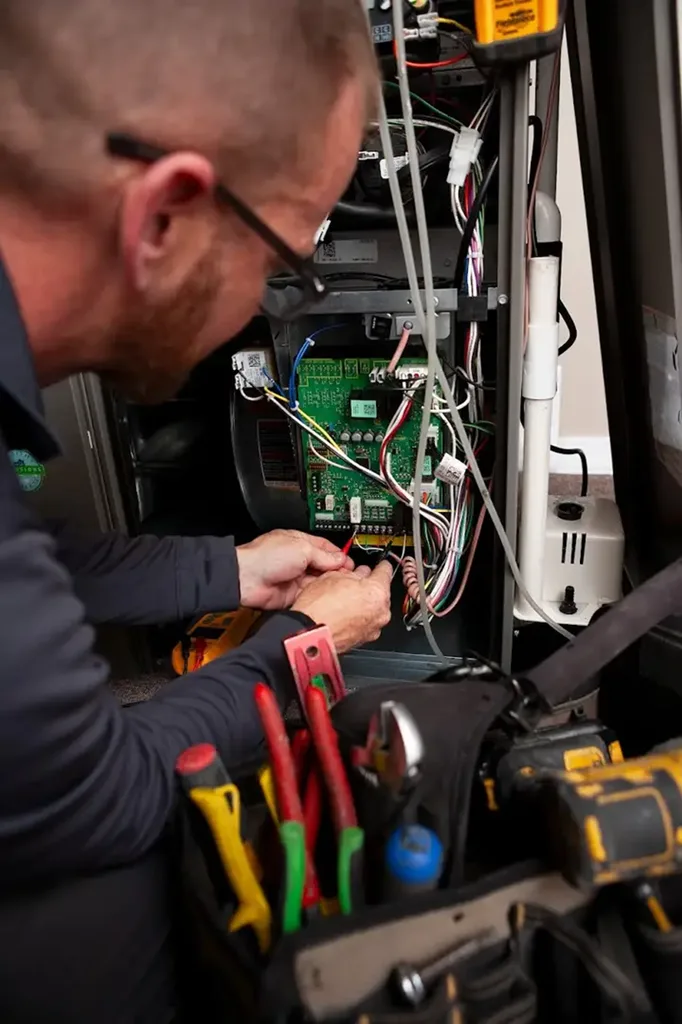
While advanced HVAC systems are designed for resilience, their sophisticated technology also benefits immensely from regular diagnostic inspections. These inspections are not just about changing filters; they involve a comprehensive check of all system components to ensure optimal performance and to catch potential issues before they escalate.
A certified technician will perform tasks such as sensor calibration, ensuring your system’s controls are accurately reading temperatures and humidity levels. They will inspect ductwork for leaks or blockages, which can significantly impair the efficiency of any system, especially variable-speed units that are sensitive to static pressure and proper airflow. In fact, bad ductwork can lead to a substantial loss of airflow efficiency, even in high-performance systems. Drain clearing is essential to prevent water backups and potential damage, while electrical testing ensures all connections are secure and operating within safe parameters.
The long-term value of these inspections lies in early detection. Identifying minor issues, such as a worn belt, a dirty coil, or a slightly miscalibrated sensor, allows for proactive repairs that prevent more costly and disruptive breakdowns down the line. For complex variable-speed systems, these inspections are even more critical, as they involve checking sophisticated control boards and ensuring all components are communicating effectively. Regular maintenance extends the lifespan of your equipment, maintains its efficiency, and ultimately contributes to a more reliable and emergency-free home environment.
Frequently Asked Questions About Home Utilities
Homeowners often have many questions when considering HVAC and plumbing services, especially regarding emergencies and system upgrades. We aim to provide clear, concise answers to help you make informed decisions about your home’s critical utility systems.
What Constitutes the Need for Emergency HVAC and Plumbing Repairs?
An emergency repair is typically defined by a situation that poses an immediate threat to your safety, health, or property. For HVAC, this includes total system failure during extreme weather (e.g., no heat in freezing temperatures, no AC in a heatwave), gas smells indicating a leak, or carbon monoxide alarms. For plumbing, emergencies encompass major flooding from burst pipes, sewage backup, or a complete lack of potable water. While a leaky faucet might be an urgent repair, it usually doesn’t qualify as an emergency unless it’s causing significant, uncontrolled damage. The key is the immediate risk and potential for rapid escalation of harm.
How Quickly Should an Emergency Technician Arrive On-Site?
The response time for an emergency technician can vary based on factors like demand, location, and the nature of the emergency. However, reputable emergency service providers aim for rapid dispatch windows, often within a few hours, to address critical situations promptly. The goal is always active mitigation and damage containment as quickly as possible. When you call for emergency service, we prioritize your situation to ensure a technician is dispatched to your home as swiftly as travel logistics allow, understanding the urgency of preventing further damage or ensuring safety.
Can Routine Maintenance Prevent Sudden System Emergencies?
Absolutely. Routine maintenance is arguably the single most effective strategy for preventing sudden system emergencies and extending the lifespan of your HVAC and plumbing systems. Seasonal tune-ups for your HVAC system, for example, involve comprehensive checks of all components, cleaning, and calibration. This proactive approach identifies potential weaknesses—like a failing motor, a corroded pipe, or a worn electrical connection—before they lead to a complete breakdown.
For plumbing, regular inspections and pressure testing can detect minor leaks or weaknesses in pipes before they burst. By addressing small issues early, routine maintenance significantly reduces the likelihood of unexpected, costly, and disruptive emergencies. It ensures that your systems operate at peak efficiency, prolongs their component lifespan, and provides peace of mind that your home’s critical utilities are reliable. This is especially true for advanced systems like two-stage and variable-speed units, which, despite their robustness, still benefit from professional oversight to maintain their sophisticated components and ensure long-term, trouble-free operation.
Conclusion
The decision to invest in advanced HVAC systems like two-stage and variable-speed units extends far beyond immediate comfort and energy savings. While the initial upfront investment may be higher, their enhanced system resilience, reduced wear and tear, superior humidity control, and extended lifespan directly contribute to preventing unexpected emergencies and mitigating their costly consequences. These systems offer a proactive approach to home comfort and safety, reducing the likelihood of critical breakdowns and the associated financial and health risks.
Coupled with the long-term value of regular diagnostic inspections, choosing high-efficiency equipment creates a robust defense against utility failures. By understanding the intricate relationship between system choice, proactive maintenance, and rapid emergency response, homeowners can make informed decisions that ensure asset preservation and property protection for years to come. Investing in quality and consistent care for your home’s vital systems is an investment in your peace of mind.