
When planning a new building’s structure, people often focus on aesthetics, layout, and functionality. However, fire protection is equally crucial. Integrating fire safety engineering from the start is essential to ensure your building is not only attractive and functional but also safe for everyone.
Key Highlights
- Fire safety engineering services integrate advanced fire protection measures directly into your building design from the start.
- These services ensure your project meets all necessary safety standards and building codes for full compliance.
- A core benefit is creating safer environments for occupants through strategic fire safety systems and evacuation plans.
- Fire safety engineering offers design flexibility, allowing for innovative and functional architectural solutions.
- It involves a comprehensive approach, from initial risk assessment to the final integration of fire safety systems.
- The goal is to enhance overall building safety and functionality without compromising on design vision.
Understanding Fire Safety Engineering Services in Modern Building Design
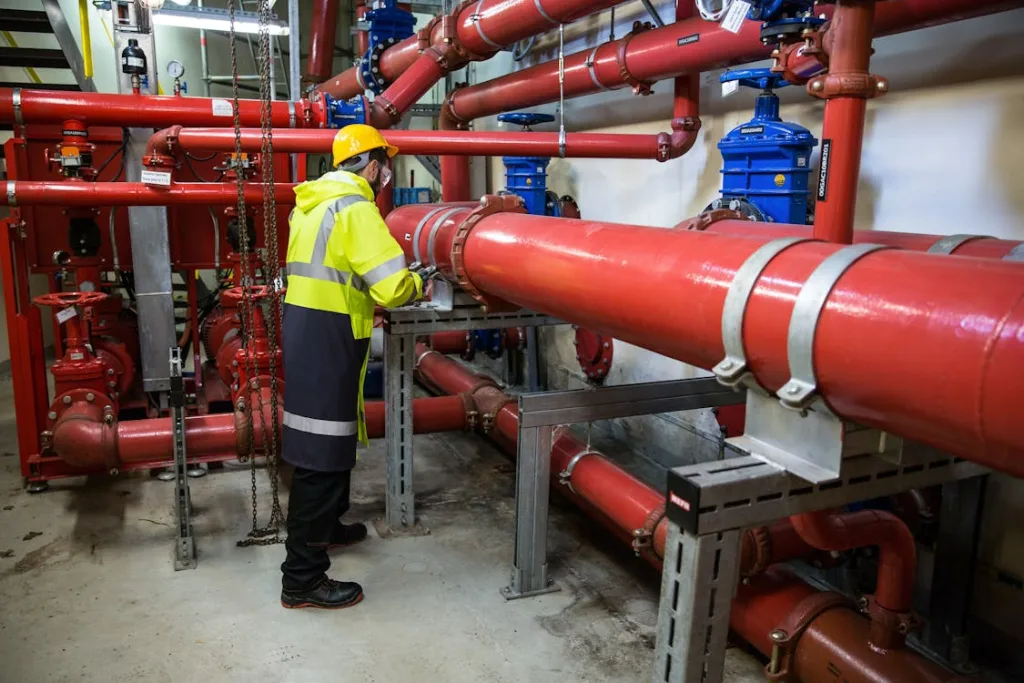
Fire safety engineering services use scientific and engineering principles to protect people, property, and the environment from fire. In modern buildings, it goes beyond basic codes by taking a holistic approach that includes fire safety measures for fire protection and considers every aspect of architectural design.
Fire engineers collaborate with architects and designers to develop integrated fire safety solution strategies. These measures enhance both functionality and aesthetics without compromising the building’s intended use. The next sections outline the key benefits for your project.
Key Benefits of Incorporating Fire Safety Engineering Services
Integrating professional fire safety engineering early in your project during the design phase delivers key advantages for safety, cost, and design. Essential for both commercial and residential buildings, fire safety engineers develop customized protection measures based on your building’s unique risks.
This tailored approach ensures more effective, efficient systems than generic solutions, enhancing life safety and offering greater design flexibility, including aspects of fire brigade intervention when necessary.
Key benefits include:
- Enhanced Life Safety: Optimized escape routes and advanced warning systems protect occupants.
- Design Flexibility: Enables innovative architectural designs not always possible under standard codes.
- Cost-Effectiveness: Reduces the need for costly retrofits and can lower construction expenses by integrating safety from the start.
- Compliance Assurance: Ensures your building meets or exceeds all fire safety regulations.
Importance of Safety, Functionality, and Compliance in Australia
In Australia, fire engineering is vital due to strict regulations that ensure public safety and adherence to the National Fire Protection Association standards. Compliance with these standards is mandatory. Fire engineering not only meets but often exceeds requirements, ensuring strong regulatory compliance for construction projects.
Fire engineers in the United States navigate the complexities of the National Construction Code (NCC) using performance-based solutions to prove that unique fire safety designs achieve required safety outcomes. This approach is especially valuable for complex or unconventional buildings where standard rules may be too limiting.
Ultimately, fire engineering balances safety, building functionality, and legal compliance, delivering optimal protection without compromising design.
Core Offerings of Fire Safety Engineering Services
Fire safety engineering services cover every stage of a building’s lifecycle, from initial design to construction and ongoing management, ensuring compliance with regulatory standards. These services provide integrated fire protection systems and effective fire engineering solutions tailored to your project.
The main objective is to create a fire safety strategy that meets your project’s requirements while maintaining both functionality and aesthetics, ultimately enhancing overall safety. The following sections outline two key components of these services.
Fire Risk Assessment and Mitigation Planning
A thorough fire risk assessment is essential to any fire safety strategy. This proactive process identifies potential fire hazards and other hazards in a building’s design and operations, forming the foundation for resilient, smarter design.
After risks are identified, a tailored mitigation plan recommends specific safety measures to reduce or eliminate hazards, which a fire protection engineer carefully evaluates. This plan is customized to fit the building’s unique needs.
The assessment examines several key factors:
| Area of Assessment | Focus |
| Occupant Profile | Number, mobility, and awareness of building occupants |
| Building Use | Activities that may present fire risks |
| Building Structure | Fire resistance of materials and structural design |
| Egress Paths | Design and capacity of escape routes for safe evacuation |
System Design, Modeling, and Integration with Building Systems
After risk assessment, fire engineers move to system design and integration—where strategy becomes reality. They specify active and passive fire protection systems, including sprinkler systems, that work together for layered defense.
New technologies are vital in this phase. Advanced computer modeling, like computational fluid dynamics (CFD), lets engineers simulate fire and smoke spread. This optimizes detector placement and smoke control, ensuring reliable performance in real emergencies. Modeling also helps seamlessly integrate fire safety with overall building design.
Integration ensures all components function as one system, including:
- Fire Alarms and Early Detection Systems: Smoke detectors that provide early warnings.
- Fire Suppression Systems: Sprinklers or other agents to control or extinguish fires.
- Smoke Control Systems: Ventilation to keep escape routes clear.
- Passive Fire Protection: Fire-resistant walls, floors, and doors to compartmentalize fire and protect the structure.
Fire Safety Engineering and Regulatory Compliance in Australia
Navigating building regulations is a major challenge in modern construction. In Australia, strict fire safety standards reflect a strong commitment to public safety. Fire protection engineering ensures your project meets these complex regulations.
This specialized field connects innovative design with legal requirements by incorporating fire safety principles. An experienced engineer understands Australian and New Zealand regulations, helping you achieve compliance without sacrificing your architectural vision. This makes your building both safe and legally compliant.
Meeting the National Construction Code and Verification Methods
The National Construction Code (NCC) sets building regulations in Australia, offering prescriptive “deemed-to-satisfy” solutions. However, modern architecture often demands more flexibility. Fire engineering plays a crucial role in addressing this need through performance solutions that meet NCC requirements without strictly following prescriptive rules.
Performance solutions let designers prove their unique designs meet NCC safety objectives using advanced analysis and verification. This allows innovative design outcomes for projects to be approved while maintaining fire safety standards.
This approach benefits architects and designers by:
- Allowing new materials and construction techniques
- Supporting open-plan layouts and complex geometries
- Providing documented proof that the design meets NCC performance requirements
Support for Architects, Designers, and Building Owners
Fire safety engineering is a collaborative process that supports the entire project team. For architects and designers, fire safety engineers are key partners who help turn creative visions into safe egress and compliant buildings. Early involvement allows for flexible solutions and helps prevent costly redesigns.
By working closely with the design team from the start, engineers integrate safety measures—like escape routes and fire-resistant materials—without compromising architectural intent. Building owners should choose consultants with proven experience in fire safety management and a collaborative approach.
A strong fire safety strategy offers more than just compliance. It protects your investment, ensures occupant safety, and enhances your building’s long-term value and functionality—a smart choice for property resilience.
Conclusion
In conclusion, prioritizing fire safety engineering is cruacial for safer, smarter buildings. These services improve safety, ensure compliance with Australia’s strict regulations, and reduce risks through thorough assessments and advanced system designs, particularly when working with experienced building designers. Choosing fire safety engineering protects lives and property while providing peace of mind. To learn how these services can benefit your project, contact us for a consultation.