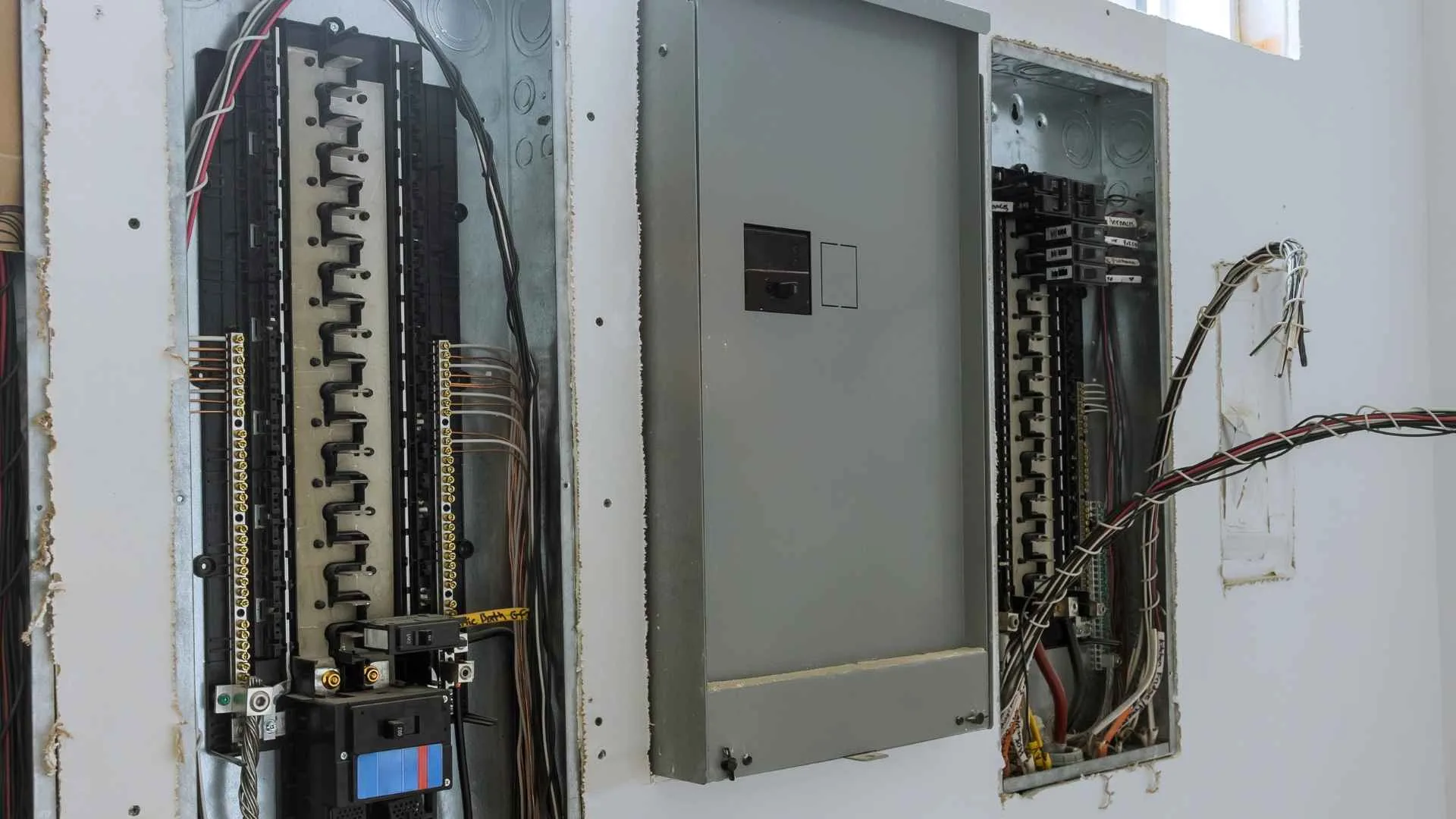
Electrical upgrades can become expensive for commercial properties that plan to add electric vehicle charging infrastructure. Panel replacements, transformer upgrades, trenching work, and permit costs may increase project budgets quickly. Many businesses delay charging projects because they assume the entire cost must come directly from property funds.
Financial support programs can reduce a large portion of those expenses. Many utility companies and government agencies now offer EV charging station incentives that help property owners lower infrastructure costs. Businesses that plan carefully may reduce upfront expenses while preparing commercial properties for future charging demand.
Review Utility Rebate Programs Early
Utility companies in many regions provide rebates for electrical upgrades tied to vehicle charging projects. Some programs support charger equipment, while others help cover infrastructure improvements such as wiring, conduit installation, or panel upgrades.
A retail center that plans to install multiple charging stations may qualify for incentives tied to energy efficiency improvements. Apartment communities may also receive support for shared charging infrastructure in tenant parking areas. Early research helps property owners avoid missing important application deadlines.
Choose Infrastructure That Supports Future Expansion
Electrical upgrades become more cost-effective when businesses plan for future charging demand during the first construction phase. Installing additional conduit space or larger electrical panels early may reduce future labor and construction expenses.
An office complex may prepare for additional charging stations by increasing panel capacity during the initial upgrade. Hotels can also benefit from scalable electrical layouts that support future guest charging growth. Long-term planning helps businesses avoid repeating expensive construction work later.
Work With Contractors Familiar With Incentive Programs
Some rebate programs require approved installers, equipment standards, or specific project documentation before funding approval. Property owners may lose financial opportunities if projects fail to meet those requirements during installation.
Experienced contractors can help businesses prepare paperwork, review eligibility rules, and coordinate inspections. A commercial fleet facility, for example, may qualify for additional funding support if charging infrastructure supports electric delivery vehicles or service vans used for daily operations.
Reduce Costs Through Phased Installation Plans
Large charging projects do not always require full installation at one time. Phased construction allows businesses to spread expenses across multiple stages while still preparing infrastructure for future growth.
A shopping center may begin with a smaller number of charging stations near high-traffic parking spaces before expanding later. Industrial properties can also install underground conduit and reserve electrical capacity during early construction phases to simplify future upgrades.
Explore Tax Credits and Local Funding Opportunities
Many state and local programs support clean transportation infrastructure through grants, tax credits, or direct funding opportunities. Some programs target businesses located near travel corridors, multifamily housing, or underserved commercial areas.
Property owners should review local funding opportunities before finalizing project budgets. EV charging station incentives may significantly reduce overall costs when businesses combine utility rebates with available tax programs. Careful planning can improve long-term return on investment for commercial properties.
Documents That Help Incentive Applications Move Faster
Property owners can improve approval timelines by preparing important project details before submitting applications.
- Electrical load calculations for proposed charging stations
- Site layouts that show charger placement and parking access
- Contractor estimates for equipment and installation work
- Utility account information linked to the property
- Permit documentation required by local authorities
- Equipment specifications for approved charging systems
Well-prepared applications help businesses avoid delays during funding reviews and project approvals.
Electrical upgrades can become more manageable when businesses use available rebates, grants, and tax programs strategically. Strong preparation also helps businesses avoid unnecessary construction expenses later. Smart investment decisions, combined with available financial support, can help commercial properties build reliable charging infrastructure without placing excessive pressure on operating budgets.